고품질 파이프 피팅 제품 제공
파이프 피팅 도매업자의 최고의 파트너, 파이프 피팅 재고, 이메일 sales@hfittings.com 자세한 내용은 sales@hfittings.com

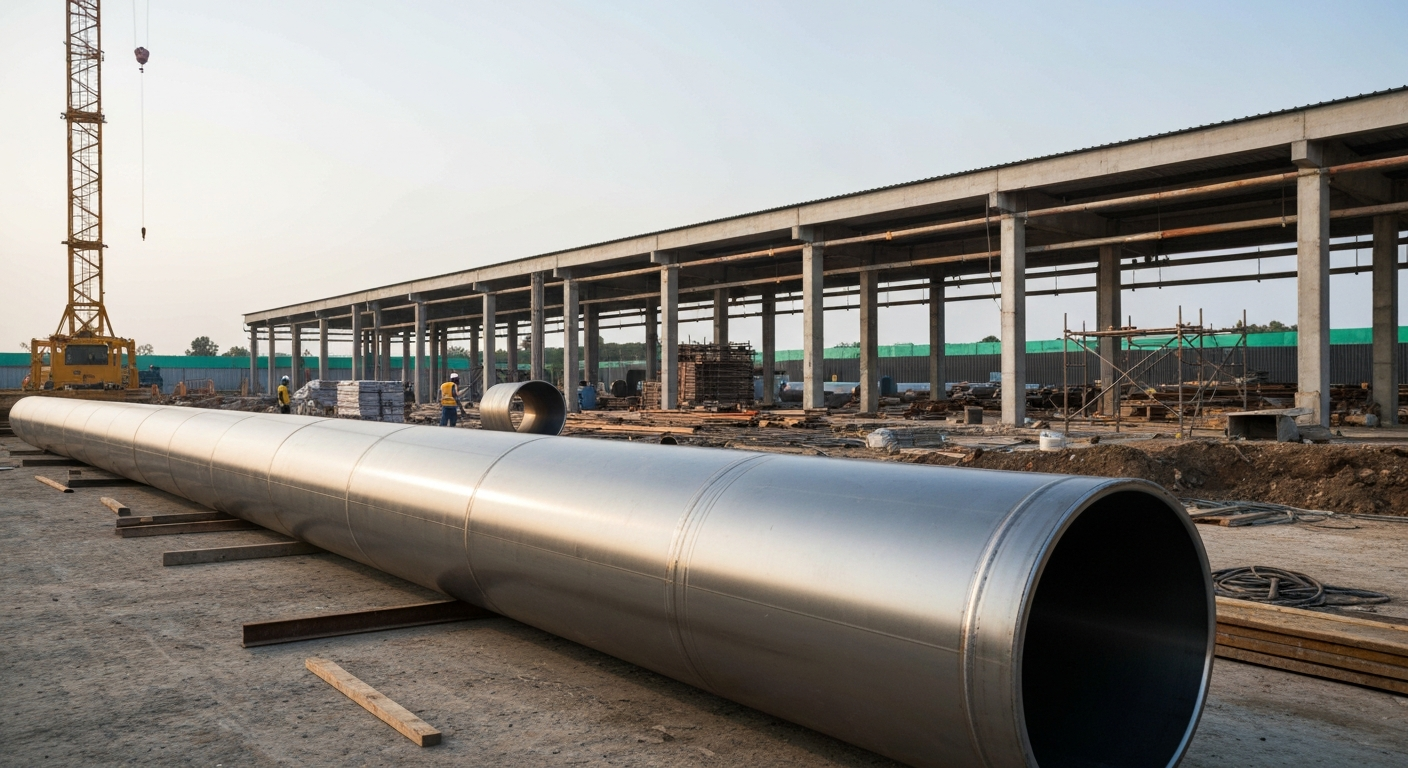
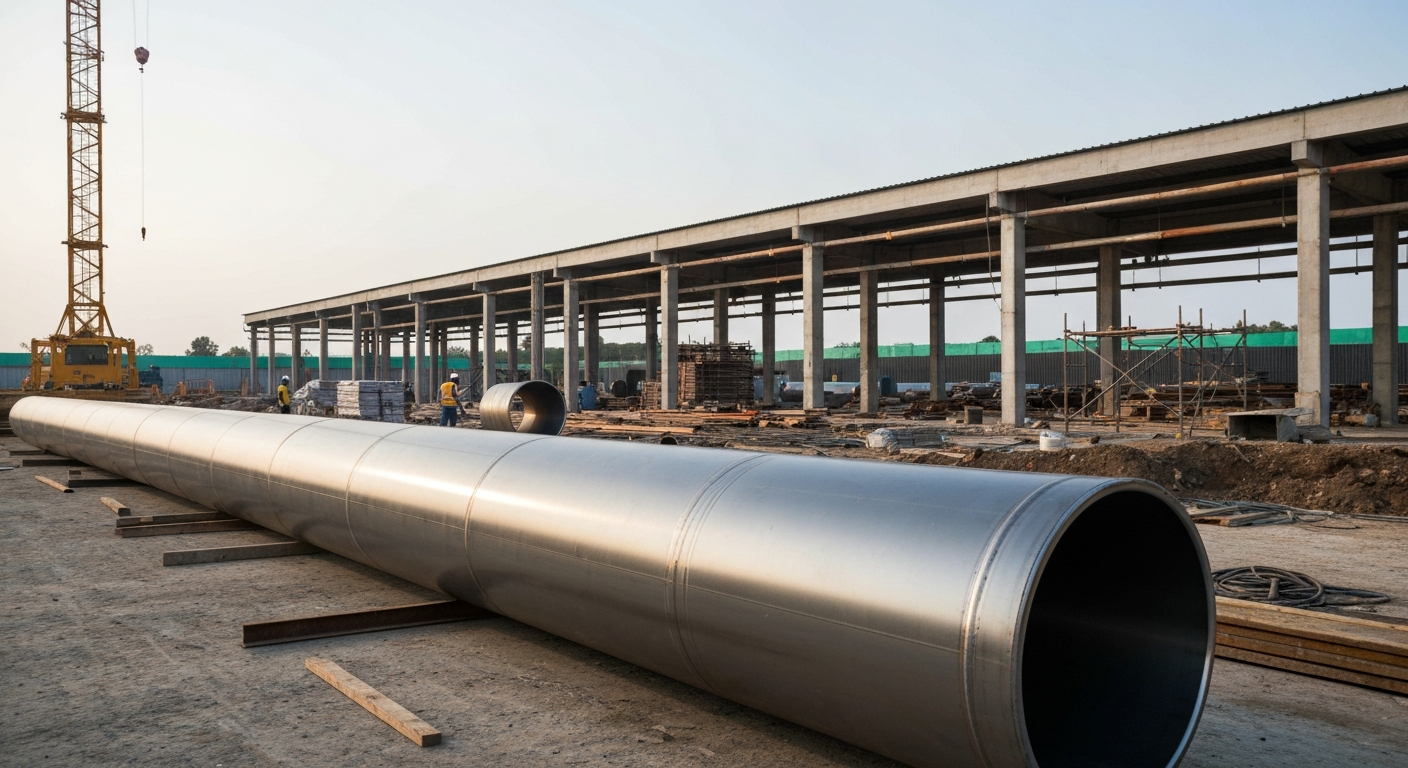
Are you looking for a reliable way to protect your pipelines from corrosion? Rust and wear can be major challenges, leading to costly repairs and downtime. Fortunately, FBE coating offers a powerful solution. This protective coating acts as a durable shield for your steel pipe, safeguarding it from harsh elements and extending its lifespan. Understanding how this technology works is the first step toward ensuring the long-term integrity and efficiency of your critical infrastructure.
Fusion bonded epoxy is a high-performance coating designed to prevent corrosion on a steel pipe. It starts as a dry epoxy powder that, when heated, transforms into a tough, protective layer. This coating offers exceptional corrosion resistance by creating an impenetrable barrier on the metal.
The FBE coating process is key to its effectiveness, ensuring a strong and lasting bond. Let’s explore what this coating is made of and the specific ways it protects your valuable pipeline assets.
Fusion bonded epoxy, often called FBE, is a type of powder coating. It is a thermosetting polymer, which means it undergoes a chemical reaction when heated to form a permanent, solid layer. This epoxy powder is specifically designed for application on steel to protect it from corrosive elements.
The coating process involves applying the powder to a heated steel pipe surface. Unlike liquid paints, the heat causes the FBE powder to melt, flow, and “fuse” directly to the steel. This creates a seamless and uniform coating that adheres tightly to the metal.
This strong bond is a significant advantage over other coating types. The result is a hard, durable finish that resists chipping and damage, providing long-lasting protection for the underlying steel pipe and ensuring its integrity in demanding applications.
The primary job of an FBE coating is to provide superior corrosion protection. It achieves this by forming a non-porous protective layer that prevents moisture, chemicals, and other corrosive agents from reaching the steel. This barrier is critical for extending the life of your pipelines.
The unique properties of FBE contribute to its effectiveness. It offers:
By creating this robust shield, FBE ensures that the steel pipe remains protected even in aggressive soil or subsea environments. This mechanism is why it has become a trusted standard for critical pipeline projects around the world.
Thanks to its robust protective qualities, FBE coating is used across a wide range of industrial applications. The unique coating application process makes it suitable for protecting pipes in some of the most demanding conditions imaginable. Various industries rely on this technology to ensure the safety and longevity of their pipeline systems.
From transporting oil and gas to supplying clean water, FBE coated pipes are essential. We will look at the specific environments where this coating is a necessity and its suitability for different types of services.
FBE coatings are indispensable in harsh environments where standard pipes would quickly fail. Industries that operate under extreme conditions depend on this protection to maintain operational integrity and prevent costly corrosion-related damage. Proper surface preparation, including abrasive blasting, ensures the coating performs optimally.
Some of the key sectors where FBE is essential include:
In these fields, the reliability of pipelines is non-negotiable. Using FBE coated pipes helps ensure safe, efficient, and continuous operations, making it a critical investment for infrastructure that must withstand severe service conditions.
Yes, FBE coatings are an excellent choice for potable water applications. The coating creates a smooth, inert protective layer on the internal steel surface, which prevents rust and other contaminants from leaching into the water supply. This ensures the water remains clean and safe for consumption.
The exceptional corrosion resistance of FBE is a major benefit for water and sewage systems. By forming a non-porous barrier, the coating prevents the metal from degrading and also inhibits bacterial growth on the pipe’s interior. This helps maintain water quality and extends the life of the infrastructure.
Because of these properties, many municipalities and water authorities specify FBE coated pipes for their main transmission lines. It provides a reliable and long-lasting solution for delivering clean potable water to communities while minimizing maintenance needs.
Choosing FBE coated steel pipes for your project brings a host of advantages. The primary benefit is outstanding corrosion resistance, which significantly extends the service life of your pipelines and reduces long-term costs. Different FBE formulations are available, allowing you to select a coating with the right protective properties for your specific needs.
This versatility means you can find an FBE solution for a wide range of applications, from underwater pipelines to chemical transport. Let’s examine the key benefits, including longevity and compliance with industry standards.
One of the most compelling reasons to use FBE coatings is the dramatic increase in the service life of your pipes. FBE-coated pipes can last for decades with minimal maintenance, offering a significant return on investment by lowering lifecycle costs. This longevity is due to its exceptional corrosion protection.
The coating provides a robust defense against various forms of degradation. Key advantages include:
This combination of features ensures that the pipe is protected from multiple threats simultaneously. Whether buried underground or submerged in water, the FBE coating maintains its integrity, preventing failures and ensuring long-term performance.
When you select an FBE coating system, you are choosing a product that meets rigorous industry standards for performance and safety. These certifications ensure that the coating provides reliable protection for critical applications.
Beyond performance, FBE coatings offer significant environmental benefits. Unlike many solvent-based liquid coatings, FBE is a powder system with zero volatile organic compounds (VOCs). This low environmental impact makes it a more sustainable choice for your projects, as it doesn’t release harmful pollutants into the atmosphere during application.
FBE coatings are required to comply with several key international standards, which verify their quality and suitability for specific uses.
표준 | 설명 |
|---|---|
ASTM A307 | Specifies requirements for mechanical testing of the coating. |
NACE SP0492 | Provides guidelines for pipeline corrosion protection. |
ISO 21809-2 | Outlines requirements for external coatings on buried or submerged pipelines. |
The application of FBE coating is a precise, multi-stage process designed to create a flawless and durable bond. The success of the coating process depends heavily on meticulous surface preparation of the steel pipe surface. This ensures the powder coating adheres perfectly, leaving no room for corrosion to begin.
From cleaning the pipe to curing the final layer, each step is critical. Let’s walk through the FBE coating process and discuss which types of steel pipes are best suited for this advanced protective treatment.
The FBE coating process is a carefully controlled industrial procedure that ensures maximum adhesion and protection. The first and most critical step is surface preparation. The pipe undergoes thorough abrasive blasting to remove any rust, scale, or other contaminants, creating a clean and rough profile for the coating to grip.
Once prepared, the pipe moves through several automated stages:
This meticulous process results in a high-performance protective layer that is fully bonded to the steel, offering unparalleled durability.
FBE coatings are versatile and can be applied to a wide variety of steel pipe types. This includes common options like seamless and welded carbon steel pipes, which are frequently used in the oil, gas, and water industries. The coating process is adaptable to different pipe diameters and lengths.
Even specialty metals like stainless steel can be coated with FBE for enhanced protection in a specific application, although it is most commonly used on carbon steel. FBE is also effective for both external and internal surfaces, providing comprehensive protection from corrosion inside and out.
Different FBE formulations are available to meet unique project requirements. Whether you need flexibility for pipe bending or extra toughness for abrasive conditions, there is a formulation designed for the job. This adaptability makes FBE a suitable choice for nearly any pipeline project requiring long-term corrosion resistance.
In conclusion, FBE coated steel pipes offer an array of benefits that make them an excellent choice for a variety of projects. Their superior corrosion resistance and longevity ensure that your infrastructure remains durable and compliant with industry standards. The protective mechanisms provided by fusion bonded epoxy coating not only safeguard the pipes in industrial environments but also make them suitable for potable water applications. By understanding the application process and advantages of FBE coating, you can enhance your project’s overall efficiency and sustainability. If you’re considering this solution for your next project, feel free to reach out for more information or assistance!
Fusion bonded epoxy coating generally offers superior adhesion and a more uniform thickness compared to many liquid coating methods. As a powder coating, it chemically bonds to the steel, preventing delamination and providing more reliable, long-term corrosion protection in demanding environments.
The durability of FBE coatings is influenced by several factors. The quality of the initial surface preparation is critical, as is the precision of the FBE coating process. Other factors include the severity of environmental conditions, the level of mechanical stress, and exposure to different chemicals.
You can purchase FBE coated steel pipe from specialized manufacturers and suppliers across the United States. Look for companies that offer a wide range of coated products for various applications, particularly those with experience in major pipeline projects for industries like oil and gas or water transmission.