Обеспечиваем высокое качество трубопроводной арматуры
Лучший партнер трубопроводной арматуры оптовиков, трубопроводной арматуры на складе, электронной почте sales@hfittings.com для деталей

При выборе подходящего размера и типа фитинга для труб из углеродистой стали для вашей водопроводной или промышленной системы учитывайте требования к давлению, температуре и скорости потока в вашей трубопроводной системе. Также важно подобрать размер трубы и обеспечить совместимость с существующими материалами, такими как углеродистая сталь, прежде чем выбирать конкретные фитинги для стыковой сварки для оптимальной долгосрочной работы.
Ключевые стандарты, такие как ASTM, ASME и ANSI, регулируют спецификации, обеспечивая качество и безопасность всех соединений труб.
Хорошие трубопроводные системы нуждаются в правильной трубопроводной арматуре. Фитинги для стыковой сварки известны тем, что обеспечивают прочные соединения. При использовании фитингов для сварки встык трубы и фитинги свариваются вместе на концах. Получается один цельный кусок металла. Это помогает предотвратить утечки, чтобы жидкости и газы могли безопасно перемещаться по трубопроводу. При использовании стыковой сварки меньше слабых мест. Поэтому фитинги под сварку встык используются в местах, где трубопровод должен быть прочным и долговечным. Такие фитинги остаются надежными и хорошо работают во многих ситуациях. Промышленные предприятия доверяют фитингам для стыковой сварки за их прочность и надежность.
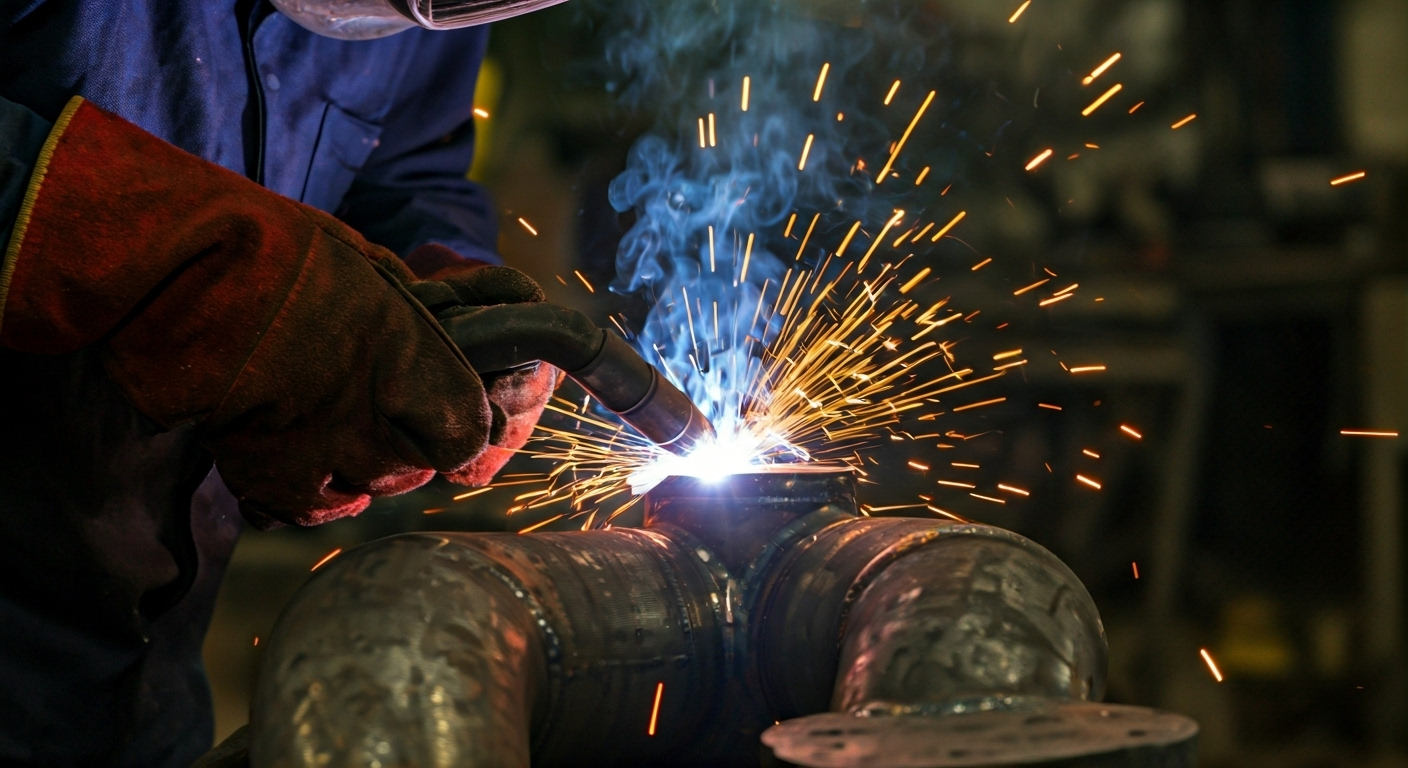
Для установки фитингов для труб из углеродистой стали, особенно фитингов для стыковой сварки, профессионалы обычно используют такие специализированные инструменты, как труборезы, машины для снятия фасок, сварочные горелки или аппараты для дуговой сварки, а также контрольные манометры. Концы труб и фитингов скошены для правильного выравнивания, а затем сварены вместе с помощью таких методов, как MIG, TIG или сварка палкой. Точность и правильная техника важны для обеспечения прочного и герметичного соединения.
Фитинги для сварки встык предназначены для соединения отрезков труб путем сварки. При этом в месте соединения образуется непрерывная металлическая конструкция. Такое соединение обеспечивает большую прочность трубопроводной системы. Кроме того, оно помогает поддерживать плавный поток жидкости, снижая турбулентность и не допуская падения давления.
Фитинги для стыковой сварки позволяют работать с трубами разных размеров и толщины стенок. Такой вид сварки помогает системе оставаться прочной для работы, которую она должна выполнять. Поскольку они способны выдерживать жесткие условия эксплуатации, эти фитинги используются во многих промышленных отраслях.
Фитинги для сварки встык - это детали, которые привариваются прямо к концам труб. Сварной шов проходит по всей толщине трубы, создавая прочную, непрерывную металлическую конструкцию. При таком типе сварки труба и фитинг имеют соединение с одинаковой толщиной стенки по всей длине. Это делает трубопроводную систему более надежной и безопасной. Он придает фитингу высокую прочность и предотвращает протечки.
Когда вы используете сварку встык, между трубой и фитингом образуется плавный переход. Вы не увидите лишних частей или неровностей, торчащих внутрь или наружу. Это очень удобно для стальных труб, используемых под высоким давлением, грубых материалов или там, где важна защита от протечек. Эти фитинги для стыковой сварки выпускаются разных размеров, что облегчает задачу, если вам нужно изменить толщину стенки или диаметр трубы в трубопроводной системе.
В чем разница между фитингами для труб из углеродистой стали с приваркой встык, резьбой и муфтовой сваркой? Стыковые фитинги соединяют трубы с помощью сварки, что делает их частью непрерывной металлической конструкции. Резьбовые фитинги соединяют трубы, свинчивая их вместе с помощью резьбы. Фитинги с раструбной сваркой позволяют поместить трубу в небольшое углубление или выемку в другом фитинге, а затем сварить их вместе. Если вам нужно самое надежное решение для трубопроводной системы, особенно при использовании стальных труб, фитинги для стыковой сварки часто являются лучшим выбором для создания прочных и долговечных трубопроводных систем.
Вам необходимо знать, чем отличаются фитинги для стыковой сварки, резьбы и муфтовой сварки, чтобы выбрать подходящий для вашей трубопроводной системы.
Фитинги для сварки встык используют сварку с полным проплавлением, что означает, что они свариваются по всей длине. Это дает прочный, соединенный металл, который помогает сохранить прочность трубопроводной системы и уменьшить утечки. Резьбовые фитинги - это совсем другое. Их просто навинчивают на концы труб. Фитинги с раструбной сваркой держат трубу в раструбе, а затем привариваются, чтобы остаться на месте. У каждого типа есть свои плюсы и минусы.
От того, какой выбор вы сделаете, будет зависеть способ установки фитингов, необходимость ухода за ними и надежность системы в процессе эксплуатации. Выберите тип сварного шва и фитинга, которые соответствуют требованиям вашей трубопроводной системы.

Для изготовления фитингов под сварку встык используется множество различных материалов, и каждый тип имеет свои преимущества для определенных работ или потребностей. Углеродистая сталь используется часто, поскольку она прочна, стоит дешевле и хорошо подходит для трубопроводов под давлением и общепромышленных трубопроводов. Если вам нужна более надежная защита от ржавчины или высокой температуры, вы можете использовать фитинги из нержавеющей стали или фитинги из никелевого сплава. Существуют также фитинги из сплава и меди. Они предназначены для тех случаев, когда требуется повышенная прочность или хорошая электропроводность. Выбор правильного материала для стальной или нержавеющей трубы очень важен. Это гарантирует, что фитинги будут работать в вашей системе и прослужат долгое время.
Углеродистая сталь - лучший выбор для изготовления фитингов для труб под сварку встык. Это связано с тем, что она доступна по цене, прочна и ее легко найти. Вы можете приобрести стальные фитинги для труб разных размеров и толщины стенок. Это делает их пригодными для работы от водопровода низкого давления до высокого давления на заводах.
Существует несколько основных видов фитингов для труб из углеродистой стали. Чаще всего используются колена, тройники и переходники. Люди используют их в таких местах:
Углеродистая сталь удобна для использования во многих местах. Существуют фитинги, рассчитанные на давление, для домов, современных заводов и многого другого. Благодаря широкому ассортименту вы найдете фитинг практически для любой работы. Это поможет сохранить безопасность и работоспособность вашей трубопроводной системы.
Трубные фитинги из легированной и нержавеющей стали используются в тех случаях, когда требуется высокая устойчивость к ржавчине, экстремальному нагреву или воздействию твердых химических веществ.
Углеродистая сталь - более дешевый и прочный вариант. Но если вам нужно изготовить сосуды под давлением или работать с высокой температурой, лучше использовать никелевые и молибденовые сплавы, так как они дают лучшие результаты. Трубные фитинги из нержавеющей стали отлично противостоят ржавчине. Именно поэтому их используют в системах химической и водоочистки.
Каковы преимущества и недостатки использования фитингов для труб из углеродистой стали по сравнению с нержавеющей сталью или другими материалами? Фитинги для труб из углеродистой стали стоят дешевле и очень прочны. Но они не так хорошо противостоят ржавчине, как фитинги из нержавеющей стали или сплавов. Вы должны обратить внимание на эти моменты, потому что вся ваша система может прослужить дольше, если вы выберете лучшие фитинги для стальных труб.
Спецификации и стандарты для фитингов для стыковой сварки труб помогают убедиться в том, что фитинги хорошо сочетаются друг с другом и безопасны для использования во многих ситуациях. В Австралии такие нормы, как ASME и ASTM, определяют, как разрабатываются и изготавливаются фитинги. Они обеспечивают надежную толщину стенок и отсутствие швов при изготовлении фитингов. В других странах такие группы, как ANSI, устанавливают правила, согласно которым фитинги должны быть качественными и прочными. В этих правилах подчеркивается необходимость полных сварных швов и четкой детализации материала. Следование этим стандартам повышает прочность трубопроводной системы, позволяет работать с трубами разных размеров и давлений, а также помогает трубопроводной системе хорошо работать.
При рассмотрении фитингов для труб из углеродистой стали вы столкнетесь с рядом кодов и маркировок, каждый из которых содержит важную информацию о материале, классе и соответствии фитинга. ASTM A234 — это стандартная спецификация, охватывающая фитинги из кованой углеродистой и легированной стали для эксплуатации при умеренных и высоких температурах. Дополнительные коды, такие как ANSI и ASME, относятся к размерам и номинальному давлению.
Стандарт/Код | Описание | Область применения |
|---|---|---|
ASTM A234 | Фитинги из углеродистой и легированной стали | Изготовление напорных трубопроводов и сосудов |
ASME B16.9 | Заводские фитинги с приварным соединением | Размеры, допуски |
ANSI | Общие стандарты для материалов и размеров | Промышленные трубопроводные системы |
MSS-SP-75 | Высокопрочные кованые фитинги для стыковых сварных соединений | Нефть и газ, трубопроводы высокого давления |
Как определять и интерпретировать маркировку или коды на фитингах из углеродистой стали? Маркировка обычно указывает стандарт (например, ASTM A234), класс (WPB, WPC), график (толщина стенки) и производителя для обеспечения прослеживаемости и гарантии качества.
Соблюдение стандартов важно для обеспечения безопасности и прочности фитингов для труб с приварными соединениями. Эти правила определяют требования к полноте сварных швов, толщине стенок и допустимым отклонениям, которые влияют на прочность и надежность трубопроводной системы. Это помогает предотвратить проблемы в местах, подверженных большим нагрузкам.
Как выбрать правильный размер и тип фитингов из углеродистой стали для моей сантехнической или промышленной системы? Размер и материал фитинга должны соответствовать характеристикам трубы, давлению и температуре. Это обеспечит надежную работу стальных труб и фитингов в вашей трубопроводной системе.

Фитинги для сварки встык бывают разных форм. Их можно использовать для различных задач в трубопроводной системе. Они помогают управлять потоком внутри труб. Одними из наиболее распространенных типов являются колена, которые помогают изменить направление потока. Тройники подходят для создания ответвлений. Редукторы можно использовать, когда трубы имеют разный размер. Есть и другие варианты. Каждый тип фитинга изготовлен так, чтобы хорошо работать со стальными трубами и подходить к нержавеющей или углеродистой стали. Эти фитинги помогают легко перемещать вещества и могут снизить падение давления в вашей системе. Вы найдете такие материалы, как углеродистая сталь, сплав и нержавеющая сталь. Благодаря этому приварные фитинги легко использовать во многих отраслях промышленности или в любой трубопроводной системе.
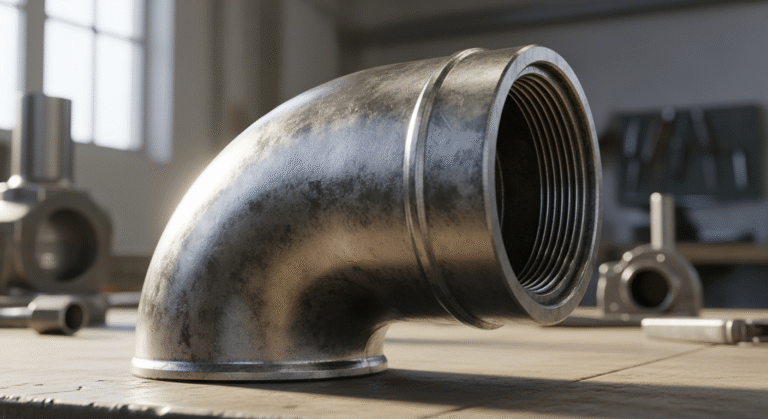
Колено с приварным соединением играет важную роль в трубопроводных системах. Оно помогает изменить направление потока в трубопроводной системе. Эти колена с приварным соединением доступны в различных вариантах изгиба, но наиболее распространенными углами являются 90 или 45 градусов. Эти фитинги помогают поддерживать плавный поток с минимальной турбулентностью, что благоприятно для движения жидкости.
Изготовленные из прочных материалов, таких как нержавеющая сталь и никель, они рассчитаны на длительный срок службы. Их полная сварка помогает еще больше повысить прочность трубопроводной системы. Соответствуя стандартам ASTM и ASME, эти фитинги из нержавеющей стали с торцевой сваркой хорошо подходят для изготовления сосудов под давлением и многих конструкционных применений.
Колено с сварным соединением под углом 45 градусов используется в трубопроводной системе для плавного изменения направления. Этот фитинг позволяет потоку поворачивать без значительной турбулентности, и давление не снижается значительно.
Для этого изгиба под углом 45 градусов есть два варианта: с большим радиусом или с малым радиусом. Вы можете установить его в соответствии с имеющимся пространством или в соответствии с необходимым направлением потока. Радиус и толщина стенки, обозначаемая как sch, выбираются в зависимости от необходимого давления в системе и требуемой прочности.
Используя колено BW под углом 45 градусов, вы обеспечиваете четкий и плавный поток, независимо от того, нужно ли вам обойти что-то или вписаться в ограниченное пространство. Сварка делает соединение прочным с низким риском утечек, что необходимо на перерабатывающих заводах или ключевых водопроводах, где требуется постоянная надежная работа.
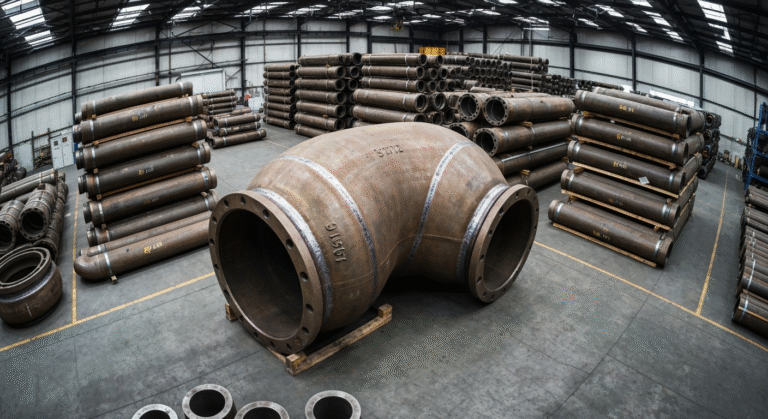
Колено с сварным соединением под углом 90 градусов часто используется, когда в трубопроводной системе требуется поворот под прямым углом. Существуют колена с длинным и коротким радиусом. Это поможет вам выбрать вариант, который лучше всего подходит для вашего пространства и ваших потребностей в пропускной способности.
При установке 90-градусного изгиба с полным проваром сварного шва сохраняется непрерывность структуры металла. Это помогает системе выдерживать более высокое давление и снижает вероятность появления слабых мест в местах соединения труб.
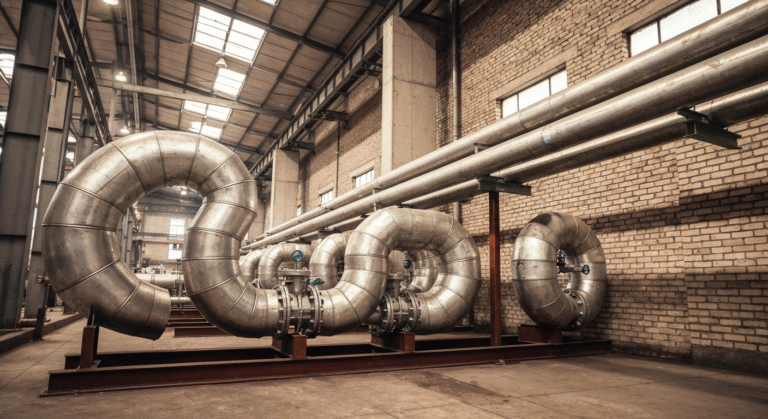
Во многих отраслях промышленности используются колена с сварным соединением под углом 90 градусов для изменения направления труб или подключения трубопроводов в ограниченном пространстве. Сварное соединение является прочным, поэтому колено может выдерживать гидравлические и механические нагрузки. Именно поэтому этот сварной фитинг используется в нефте- и газопроводах, химических трубопроводах и системах водоочистки. Это один из самых полезных способов соединения труб с обеспечением прочности и стабильности потока.
Для небольших изменений направления трубы колено с сварным стыком под углом 18 градусов позволяет трубе плавно изменить свое направление. Монтажники выбирают эти фитинги в основном исходя из степени изгиба, диаметра в дюймах, толщины стенки и того, насколько хорошо они подходят к трубопроводной системе.
Когда они соединяются сваркой, они образуют непрерывную металлическую конструкцию. Таким образом, в потоке нет слабых мест, даже при небольшом изгибе.
В трубопроводных системах часто используются колена с стыковым сварным соединением под углом 18 градусов, когда необходимо плавно изменить направление труб или лучше выровнять их по отношению к оборудованию. Легко выбрать как изгиб, так и диаметр, поэтому можно подобрать оптимальную конфигурацию. Колено со стыковым сварным соединением имеет прочное сварное соединение на каждом изгибе. Это означает, что трубопроводная система остается герметичной и не дает утечек в течение длительного времени.
Тройник с приварным соединением изготавливается для различных целей и имеет различный внешний вид. Он позволяет соединять более одной трубы. Это способствует более эффективной и быстрой транспортировке жидкостей или газа. Эти фитинги доступны в различных размерах. Размер обычно зависит от диаметра трубы. Эти фитинги помогают создать прочную, непрерывную металлическую конструкцию. Это обеспечивает плавный поток.
Тройники с приварными торцами изготавливаются из прочных материалов. В большинстве случаев в их производстве используется нержавеющая сталь или никель. Это придает им высокую прочность. Это важно при изготовлении сосудов под давлением. Они хорошо выдерживают высокое давление. Поэтому они необходимы в трубопроводных системах с эксцентриковыми или концентрическими переходниками.
Равномерный тройник имеет три части одинакового диаметра. Это упрощает разделение или соединение потока в трубопроводной системе.
В трубопроводной системе тройник с приварным соединением крепится с помощью сварки. Это обеспечивает прочное и герметичное ответвление. Сварной шов проходит через весь фитинг, поэтому соединение остается герметичным, а магистраль — прочной. Такой тип сварки гарантирует, что соединение выдержит нагрузки во время эксплуатации, и помогает системе оставаться прочной в течение длительного времени.
Равномерные тройники часто используются, когда необходимо поддерживать равномерный поток. Их можно увидеть в водопроводах, на химических заводах или в топливопроводах. Благодаря одинаковому диаметру и постоянной толщине стенок по всей длине, эти фитинги легко устанавливать. Они также помогают поддерживать одинаковую скорость потока во всей системе.
Редукционный тройник помогает соединить трубу меньшего диаметра с магистральным трубопроводом. Это хороший способ соединить трубы разного диаметра в одной системе.
Тройник с приварным соединением устанавливается в магистральную линию с помощью сварки. Это создает прочное ответвление, способное выдерживать изменения расхода и давления. Редуктор на ответвлении обеспечивает плавный поток. Это помогает уменьшить турбулентность и поддерживать хорошую работу системы.
Людям нужны переходники для перемещения жидкостей в места или оборудование, которые потребляют меньше. Если выбрать правильный диаметр ответвления и качественно выполнить сварку, инженеры могут обеспечить стабильный поток и безопасность системы по мере того, как трубопроводная сеть становится все больше и сложнее.
Редукторы помогают соединять трубы разных размеров в одной системе.
Редуктор с торцевым сварным соединением может быть концентрическим, что означает, что оси обоих концов находятся на одной линии. Или он может быть эксцентрическим, когда оси не совпадают. Каждый тип может использоваться для определенных задач и потребностей в потоке. Эти фитинги изготавливаются из различных металлов, таких как углеродистая и нержавеющая сталь, поэтому их можно использовать в различных условиях давления и с различными жидкостями или газами.
Форма переходника способствует плавному изменению размера трубы. Это предотвращает резкие изменения, которые могут привести к образованию пузырьков или значительному падению давления. При сварке переходника непосредственно к трубопроводу сохраняется непрерывная металлическая структура, которая обеспечивает хорошую опору и способствует хорошему перемещению жидкостей в системе.
Выбор подходящей углеродистой стали для фитингов с приварными соединениями является ключевым фактором для обеспечения надлежащей работы трубопроводной системы.
Существует множество марок и толщин стенок труб из углеродистой стали. Диаметр может варьироваться от 1/2 дюйма до 72 дюймов. Необходимый сплав, толщина и диаметр будут зависеть от давления, температуры и того, что находится внутри трубопровода.
Когда вы выбираете лучшие фитинги и правильно их устанавливаете, вы получаете прочное соединение. Это помогает всей вашей трубопроводной системе работать лучше и служить дольше.
В фитингах из легированной стали используются такие элементы, как никель и молибден. Они помогают фитингам лучше работать в сложных условиях.
Существуют правила для этих материалов, такие как ASTM A234, которые определяют, какие марки следует использовать в условиях высокого давления, высокой температуры и жестких условий эксплуатации. При сварке этих фитингов из легированной стали соединения становятся прочными. Это означает, что они служат долго даже в условиях интенсивной эксплуатации или воздействия химических веществ.
Важно иметь прочные и надежные трубопроводные фитинги в таких местах, как электростанции, химические предприятия или нефтеперерабатывающие заводы. Эти фитинги обеспечивают безопасность систем и их бесперебойную работу в течение длительного времени. Вы также можете выбрать фитинги повышенной прочности, если вам требуется большая прочность, лучшая термостойкость или если вам приходится работать со специальными типами технологических сред с помощью стальных трубопроводных фитингов.
Гладкое соединение в трубопроводных системах можно обеспечить с помощью фитингов из нержавеющей стали для сварки встык. Эти фитинги способствуют прочности и долговечности трубопроводной системы. Их сплошная металлическая конструкция придает им дополнительную прочность. Эти фитинги для сварки встык используются в местах, где требуется высокое давление или критический диапазон. Они часто используются, поскольку хорошо противостоят коррозии и высоким температурам.
Чтобы получить лучший сварной шов, люди используют подходящие присадочные материалы для сварки с полным проваром. Это гарантирует хорошее соединение даже в сложных местах. Кроме того, эти фитинги соответствуют стандартам ASTM и ASME, что важно при их использовании в трубопроводных системах.
Размеры приварных фитингов, такие как диаметр, толщина стенки и размер (sch), устанавливаются международными нормами, такими как ANSI B36.10 и B36.19.
Эти стандартные размеры помогают обеспечить безопасность, эффективность и правильную установку, независимо от того, используете ли вы стальные трубы, трубы из углеродистой стали, легированной стали или нержавеющей стали. Важно, чтобы фитинги, толщина стенок и размеры соответствовали вашей трубопроводной системе. Это помогает поддерживать правильное давление, обеспечивает плавный поток и позволяет системе работать должным образом.
Фитинги для стыкового сварного соединения дают много преимуществ для трубопроводных систем:
Фитинги из углеродистой стали устанавливаются путем выравнивания концов труб и подготовки их к сварке. Сварщик выполняет сварку с полным проваром, часто с помощью дуговой сварки или других подобных методов. Это помогает создать прочное, ровное соединение, которое надежно удерживает стальную трубу в трубопроводной системе.
Подводя итог, можно сказать, что фитинги для труб с торцевым сварным соединением играют очень важную роль во многих отраслях промышленности. Они обеспечивают прочные и надежные соединения. Эти фитинги позволяют соединять трубы без зазоров. Это полезно в таких областях, как нефтегазовая промышленность, а также системы водоснабжения. Принцип работы этих фитингов способствует безопасности и эффективной работе трубопроводных систем.
Если вы узнаете о различных типах фитингов для стыковой сварки, из чего они изготовлены и для чего каждый из них предназначен, вы сможете выбрать лучший вариант для своей работы. Правильный выбор фитингов для труб поможет продлить срок службы и повысить эффективность вашей работы. Если вы не уверены, какие фитинги для стыковой сварки использовать, вы всегда можете обратиться за консультацией к эксперту. Каждая сварка и каждый фитинг, которые вы используете, влияют на успех вашего проекта.
Чтобы выбрать правильный размер для вашего трубопроводного фитинга, сначала измерьте внешний диаметр трубы и толщину стенки. Убедитесь, что ваши требования соответствуют требованиям трубопроводной системы. При выборе фитинга для стыкового сварного соединения убедитесь, что он соответствует требованиям вашей системы по диаметру, давлению и толщине стенки. Это поможет обеспечить прочность сварного соединения и позволит вашим трубам хорошо работать вместе.
Необходимо проводить регулярные проверки, чтобы выявить такие проблемы, как коррозия, трещины или любые проблемы со сварным швом. Чтобы фитинги работали исправно, их необходимо очищать, проверять на наличие ржавчины и следить за прочностью металлической конструкции. Качественная сварка и регулярные проверки помогают продлить срок службы и обеспечить надежность фитингов с стыковыми сварными швами.
Да, фитинги для труб с приварным соединением обычно хорошо подходят для австралийских труб, если размер, стандарты фитингов и материал соответствуют существующим трубам. Чтобы убедиться, что все подходит, необходимо проверить стандарты, такие как ASME и ASTM. Также важно проверить диаметр и толщину стенки перед началом сварки или установки фитингов.
Фитинги для труб с приварным соединением — это соединительные элементы, используемые в трубопроводных системах, которые создаются путем сварки краев труб. Этот метод обеспечивает прочное бесшовное соединение, которое повышает эффективность потока и долговечность. Они широко используются в таких отраслях, как нефтегазовая промышленность, и являются необходимым элементом надежной и долговечной трубопроводной инфраструктуры.