Обеспечиваем высокое качество трубопроводной арматуры
Лучший партнер трубопроводной арматуры оптовиков, трубопроводной арматуры на складе, электронной почте sales@hfittings.com для деталей
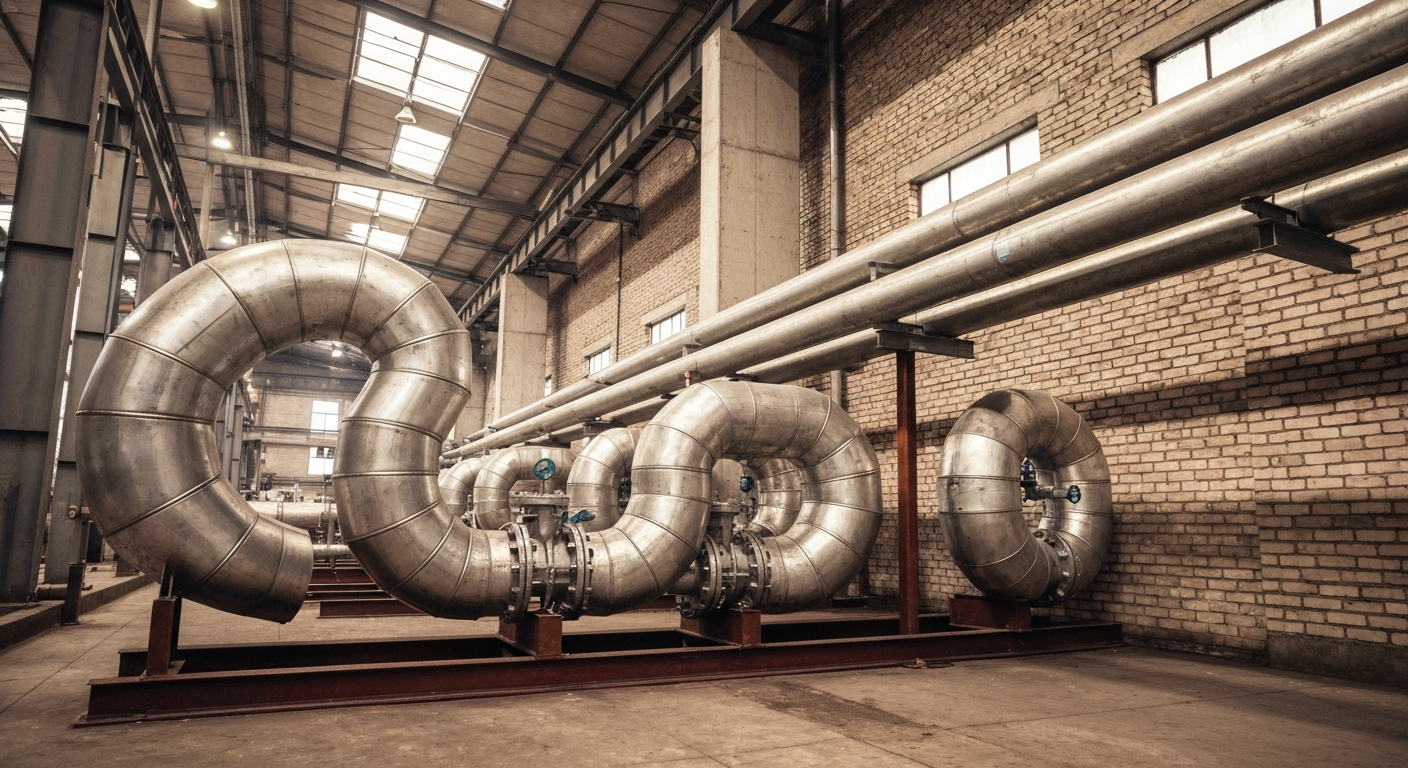
Welcome to the world of industrial piping! If you’ve ever wondered how complex pipelines navigate corners and change direction, the answer often lies in a simple yet crucial component: the carbon steel elbow. These specialized pipe fittings are the unsung heroes of any robust piping system, ensuring that fluids and gases move smoothly and efficiently. Whether in a massive power plant or a local water treatment facility, these durable parts play a vital role in connecting pipes and guiding flow exactly where it needs to go.
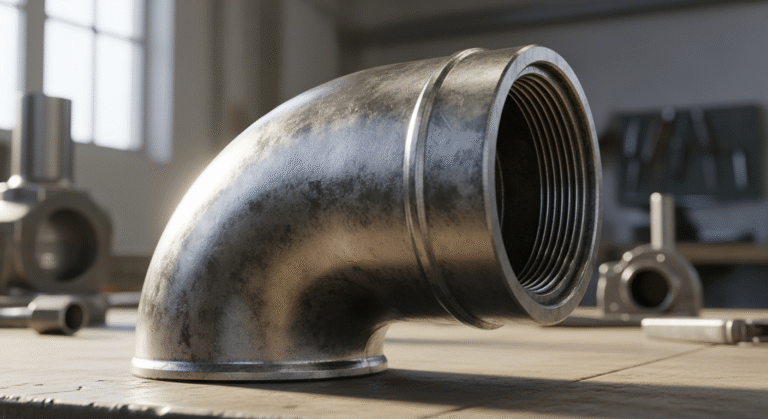
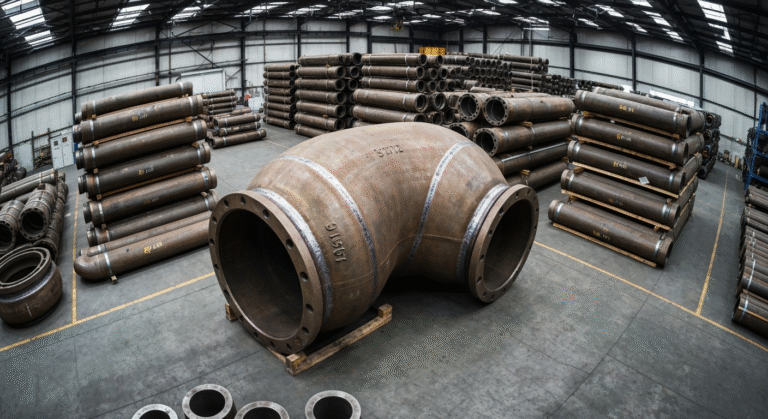
A carbon steel elbow is a type of pipe fitting made from carbon steel, an alloy known for its strength and resilience. Its primary function within a piping system is to change the direction of a pipeline. These fittings are typically welded or threaded to connect two pipes, creating a smooth turn and maintaining the integrity of the system.
Thanks to their ability to withstand high pressure and resist corrosion, the steel pipe elbow is a go-to choice in many different industries. You can find them in oil and gas refineries, chemical plants, and even in the shipbuilding industry. This section will explore their key functions and the advantages of using this material.
The main job of a pipe elbow is to alter the path of fluid transport within a pipeline. Without these essential fittings, creating the complex networks needed for industrial processes would be impossible. They allow you to route pipes around obstacles, change elevation, and create efficient layouts.
A carbon steel elbow performs several critical functions to ensure a system runs smoothly. Its primary roles include:
What makes carbon steel so important for this role is its durability and excellent resistance to wear and tear. These fittings can handle demanding conditions without failing. Their composition helps protect against corrosion, oxidation, and rust, ensuring your pipeline remains secure and operational for years to come.
Choosing carbon steel for your elbows brings several key benefits to your piping project. The high carbon content in the material gives it superior strength and hardness compared to many alternatives. This inherent toughness ensures the steel elbow can withstand significant stress and pressure.
The advantages of using carbon steel are clear, especially in demanding environments. Some of the main benefits include:
To prevent corrosion, carbon steel elbows can be treated with surface coatings like paint, galvanization, or PE coating. This maintenance is especially important in industries like chemical processing or for underground pipelines, where exposure to corrosive elements is a concern. For applications like food processing, specific coatings ensure sanitary conditions are met.
Not all steel elbow pipe fittings are the same. To choose the right one for your job, it’s helpful to understand their classification. Carbon steel elbows are primarily categorized based on two main factors: the angle of the turn and the radius of the curve.
The most common types you’ll encounter are the degree elbow, which defines the angle of direction change, and elbows distinguished by their radius. These include the long radius elbow and the short radius elbow, each offering unique benefits for flow and spacing. Let’s look at these types more closely.
The angle of a degree elbow is one of its most important features, as it determines the direction of the pipeline turn. The classification is straightforward, with different types designed for specific layout requirements. The most frequently used angles offer standardized solutions for most piping systems.
You will typically find a steel pipe elbow available in several standard angles. The most common options include:
These fittings are usually installed by welding them directly to the pipes. A butt weld elbow, for instance, is connected by welding the ends of the elbow and pipe together, creating a strong, leak-proof seal suitable for high-pressure systems.
Besides the angle, the radius of the bend is a critical factor in an elbow’s design. This refers to the curvature of the fitting. The two main types are the long radius (LR) elbow and the short radius (SR) elbow. A long radius elbow has a curve radius that is 1.5 times the nominal pipe size (NPS), while a short radius elbow’s radius is equal to the NPS.
The choice between an LR and SR elbow depends on your system’s needs. The LR elbow provides a smoother flow path, making it ideal for high-pressure and high-flow-rate pipelines. In contrast, the SR elbow offers a tighter turn, which is perfect for applications where space is limited.
Here is a quick comparison to help you understand the difference:
Характеристика | Колено с большим радиусом (LR) | Колено с коротким радиусом (SR) |
|---|---|---|
Radius | 1,5 x Номинальный размер трубы (NPS) | 1,0 x Номинальный размер трубы (NPS) |
Приложение | Системы с высоким давлением и большим расходом | Low-pressure systems, tight spaces |
Friction | Lower friction and pressure drop | Higher friction and pressure drop |
To ensure quality and compatibility, carbon steel elbows are manufactured according to strict industry standards. Organizations like ASME and ASTM provide specifications for materials, dimensions, and tolerances. For example, ASTM A234 WPB is a common grade for carbon steel fittings used in moderate to high-temperature service.
When planning your pipeline, paying close attention to these standards and certifications is crucial. Proper sizing, including the diameter and wall thickness (schedule or SCH), ensures that the fittings will perfectly match your pipes and withstand the operational pressures of your system.
When you’re sourcing carbon steel elbows, certain standards and certifications guarantee their quality, safety, and interchangeability. These are universally recognized and essential for projects in demanding sectors like power generation and chemical processing.
Following these standards ensures that the product you receive meets specific material and dimensional requirements. The key standards to look for are:
These certifications are critical in industries like power plant construction, shipbuilding, and food processing. They confirm that the elbows can perform reliably under specified operating conditions, whether it’s high pressure, high temperature, or a corrosive environment.
Choosing the correct size and specification for your carbon steel elbow is vital for the safety and efficiency of your pipeline. An incorrect fitting can lead to leaks, pressure loss, or even system failure. The first step is to ensure the elbow’s specification matches that of the connecting pipes.
To make the right choice, you need to consider a few key parameters. Focus on these details to ensure a perfect fit:
By carefully matching the elbow’s sizing to your pipeline requirements, you create a secure and reliable connection. Always refer to industry dimension charts and standards like ASME B16.9 to confirm the exact measurements before making a purchase.
In summary, carbon steel elbows are essential components in piping systems, providing durability and reliability for fluid transport. Understanding the various types, dimensions, and standards of these elbows allows you to make informed decisions that enhance the efficiency and longevity of your projects. By considering factors such as material advantages and sizing specifications, you can ensure optimal performance in your piping systems. If you’re ready to explore durable solutions for your next project, don’t hesitate to reach out for a free consultation to discover how carbon steel elbows can meet your specific needs.
A carbon steel elbow is primarily made from carbon steel, an alloy of iron and carbon. This material offers excellent strength, durability, and resistance to high temperatures and pressures, making it ideal for piping systems. Its reliability ensures long-lasting performance in various industrial applications.
A carbon steel elbow is primarily made from carbon steel, a strong alloy of iron and carbon. This material offers excellent durability and resistance to high pressures, making it ideal for piping systems in various applications, including plumbing and industrial use. Its strength ensures reliable connections in piping networks.