고품질 파이프 피팅 제품 제공
파이프 피팅 도매업자의 최고의 파트너, 파이프 피팅 재고, 이메일 sales@hfittings.com 자세한 내용은 sales@hfittings.com


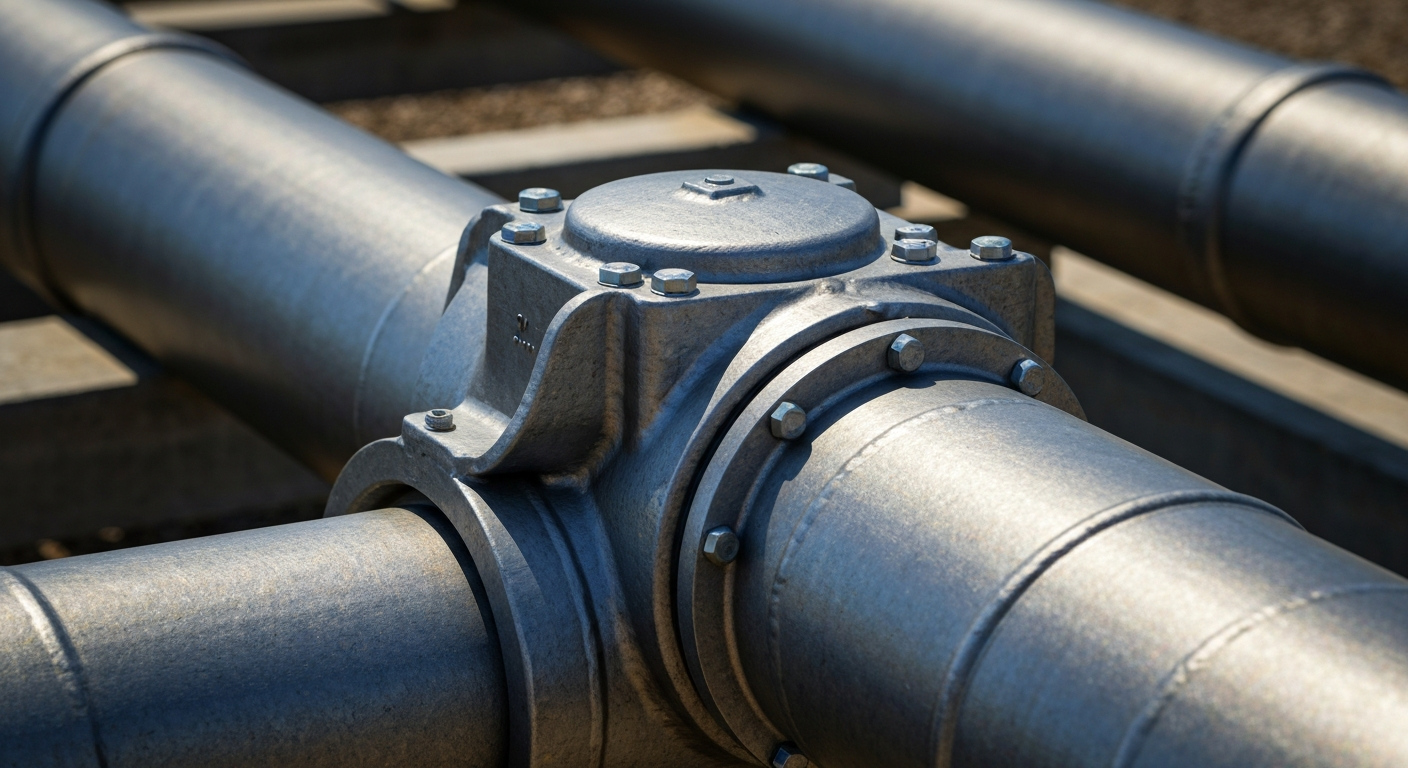
Welcome to the world of industrial pipe fittings! When you need to securely seal the end of a pipeline, a carbon steel pipe cap is an essential component. These simple yet crucial fittings protect your piping systems from leaks, contamination, and damage. Whether you’re working in oil and gas, chemical processing, or construction, understanding the benefits of a high-quality carbon steel cap ensures your operations run safely and efficiently. Let’s explore what makes these fittings a top choice for professionals.
A carbon steel pipe cap serves a straightforward but critical purpose in industrial settings. Its main function is to seal the end of a pipe, creating a secure stop-point in your piping system. This closure prevents fluids or gasses from leaking out and stops external contaminants like dust and moisture from getting in.
Properly sealing a pipeline is vital for safety and operational integrity. These caps are used to terminate a line, whether temporarily during construction or permanently at the end of a run. We’ll look closer at how they protect systems and where they are most commonly used.
So, how exactly does a carbon steel pipe cap guard your piping system? It starts with the material itself. Carbon steel offers fantastic tensile strength and durability, making it perfect for withstanding the pressures and temperatures found in demanding industrial environments.
The design creates a secure closure that is completely leak-proof, especially when you use a butt weld cap. This permanent seal ensures that whatever is inside your pipe stays inside, protecting both your product and the surrounding environment from accidental leakage. This is a critical safety feature for any high-stakes operation.
Finally, while carbon steel can be susceptible to rust on its own, it can be treated to achieve excellent corrosion resistance. With coatings like paint, epoxy, or galvanization, these caps can fight off oxidation and damage from harsh chemicals, ensuring a long and reliable service life for your piping infrastructure.
You can find carbon steel pipe caps used across a wide range of industries due to their strength and versatility. These essential fittings, along with other components like flanges and valves, are fundamental to building robust pipelines. Their ability to handle tough conditions makes them a go-to choice for many applications.
From small-scale projects to massive industrial plants, the need to terminate a pipe is universal. The reliability of a steel pipe cap ensures that these terminations are safe and permanent.
Here are a few common industrial applications:
Not all carbon steel pipe caps are the same. They come in different types and specifications to meet the unique demands of various piping systems. The two primary types of these fittings are butt weld and threaded, each offering distinct advantages for installation and use.
Beyond the connection type, these caps are manufactured to specific standards to ensure quality and compatibility. They are also available in a wide range of sizes and thicknesses, or schedules, to match your pipe dimensions and pressure requirements. Let’s examine these differences more closely.
Choosing between a butt weld and a threaded pipe cap depends entirely on your system’s needs. A buttweld cap is designed to be welded directly onto the pipe end. This process creates a strong, permanent, and leak-proof seal, making it the ideal choice for high-pressure or high-temperature applications where the connection will not need to be removed.
On the other hand, a threaded steel cap features internal threads that screw onto the external or male thread of the end of pipes. This design is perfect for systems that may require future access, maintenance, or frequent removal. While convenient, it is generally not used for very high-pressure applications where a welded seal is superior.
Here is a simple breakdown:
기능 | 버트 용접 캡 | Threaded Pipe Cap |
|---|---|---|
연결 | Permanent (welded) | Removable (screwed on) |
Best Use | High-pressure, permanent seals | Low-pressure, frequent access needed |
Seal Integrity | Excellent, leak-proof | Good, but dependent on thread quality |
To ensure safety and compatibility, carbon steel pipe caps are manufactured in accordance with strict industry standards. Key standards you’ll encounter include ASTM, ASME, and ANSI. For example, a cap designated as ASTM A234 WPB meets specific material grade requirements for moderate to high-temperature service. Other international standards like DIN and JIS are also common.
Caps are available in a vast range of sizes to fit any pipe. Sizes are typically specified by Nominal Pipe Size (NPS) in inches or Diameter Nominal (DN) in millimeters. You can find caps for pipes as small as 1/2″ all the way up to 80″ or even larger for special projects.
The thickness of a pipe cap is defined by its schedule (SCH). Common options include SCH 20, 40 (STD), and 80, with thicker schedules like SCH 160 and XXS available for high-pressure applications. Choosing the right schedule ensures the cap can handle your system’s operating pressure.
Selecting the correct carbon steel pipe cap is crucial for the safety and longevity of your piping system. Making the wrong choice can lead to leaks, system failure, or safety hazards. The selection process involves matching the cap’s specifications to your pipe and operating conditions.
Key factors to consider include the pipe’s size and schedule, the required material grade, and the level of corrosion resistance needed for the environment. Getting these details right ensures a perfect fit and dependable performance. Next, we will cover how to choose the right size and why material grades matter.
Getting the right size and schedule for your pipe cap is the first step to a successful installation. The size of the cap must match the outer diameter of your pipe. This is typically identified using the NPS or DN measurement system. An incorrect size simply won’t fit or seal properly.
Similarly, the schedule of the cap, which determines its wall thickness, must match the schedule of your pipe. This ensures a consistent flow and pressure rating across the system. Using a cap with a lower schedule than your pipe could create a dangerous weak point.
To ensure you choose correctly, follow these steps:
While we’re focusing on carbon steel, it’s important to know that different material grades are available for different needs. Carbon steel is prized for its strength and affordability, making it a great all-around choice. However, for extremely corrosive environments, you might consider alternatives like stainless steel.
For most applications, carbon steel provides a perfect balance. Its performance can be significantly enhanced with surface treatments to improve corrosion resistance. Without protection, carbon steel is prone to rust and oxidation, especially in moist or chemical-heavy environments.
This is why coatings are so important. A layer of black paint, varnish, or an epoxy coating can create a barrier against corrosive elements. This simple step ensures your carbon steel pipe cap remains durable and reliable for years, even in challenging conditions.
Once you’ve selected the right cap, proper installation is key to unlocking its full performance potential. A poorly installed weld cap can compromise the integrity of your entire piping system, regardless of the quality of the fitting itself. The goal is to create a seamless, strong connection.
This is especially true in high-pressure environments where any weakness in the weld could lead to catastrophic failure. Following best practices for installation ensures your pipe cap performs as designed, providing a safe and permanent seal. Let’s review the best way to install a weld cap and its suitability for tough environments.
Properly installing a carbon steel butt weld cap is a task that requires precision to ensure a durable and secure closure. The process begins with preparing the end of the pipe. The pipe end must be clean, free of debris, and beveled correctly to create a channel for the welding material to fill.
Once the pipe is prepared, the butt weld cap is fitted onto the pipe end. It must be perfectly aligned to ensure a uniform and strong connection all the way around. Any misalignment can create stress points in the final weld, compromising its integrity under pressure.
Finally, a skilled welder completes the installation. Here are the key steps:
Are carbon steel pipe caps tough enough for demanding jobs? Absolutely. They are highly suitable for high-pressure applications. The material’s inherent strength, combined with the robust nature of a butt weld connection, creates a seal that can easily withstand the extreme forces common in industries like power generation and oil and gas.
What about outdoor environments? While basic carbon steel can rust when exposed to the elements, this is easily managed. Manufacturers apply various surface coatings—such as black paint, epoxy, or galvanization—to protect the cap from moisture and prevent corrosion.
This treatment gives the carbon steel cap the durability it needs to perform reliably in outdoor settings for a long time. With the right coating, you get the strength of steel without worrying about degradation from weather exposure.
While a huge range of standard-sized pipe caps is available, some projects have unique requirements. The good news is that custom manufacturing is an option for non-standard pipe dimensions, ensuring you can find a solution for any situation.
In the United States, sourcing these fittings is straightforward. Many suppliers offer a wide variety of carbon steel pipe caps for immediate purchase. With the rise of online distributors, getting the parts you need quickly has never been easier. Let’s explore custom options and how to source caps for fast delivery.
What do you do when your project involves unique pipe dimensions that don’t match standard fittings? You can turn to custom manufacturing. Many suppliers offer tailored solutions to meet your exact specifications, ensuring you get a perfect fit for any non-standard pipe.
A forged steel cap can be crafted to match your specific dimensional needs. This process allows for complete control over the diameter, thickness, and shape of the cap. Whether it’s for a legacy system with outdated pipe sizes or a highly specialized piece of equipment, a custom cap provides a reliable solution.
The process might involve creating a cap from a solid steel plate or forging it into the desired shape. By working with a manufacturer that offers custom services, you can overcome the challenge of unusual pipe sizes without compromising on safety or quality.
In today’s fast-paced industrial world, getting the parts you need quickly is essential to keep projects on schedule. Sourcing a carbon steel pipe cap online is an efficient way to ensure quick delivery. Many reputable suppliers have robust online platforms and extensive inventories ready for shipment.
When looking for an online supplier, focus on those who provide detailed product information. Clear specifications, material grades, and available standards help you confirm you’re ordering the correct part. Look for suppliers located near major shipping hubs to reduce transit times.
To find the best online supplier for fast delivery, consider these tips:
In conclusion, carbon steel pipe caps are essential components for ensuring the longevity and efficiency of piping systems across various industries. Their ability to protect pipes from external factors, combined with their availability in different specifications, makes them a versatile choice for industrial applications. By selecting the appropriate size, material grade, and installation practices, you can enhance the performance of your piping systems significantly. Whether you need standard options or custom manufacturing, there’s a carbon steel pipe cap that fits your unique requirements. If you’re looking for reliable sourcing options and quick delivery, don’t hesitate to explore your choices online.
Yes, they can be used effectively in outdoor environments when properly treated. While raw carbon steel can rust, applying protective coatings like paint, epoxy, or galvanization provides excellent corrosion resistance. This treatment prevents oxidation and ensures long-term durability against the elements.
For industrial use, carbon steel pipe caps should comply with established standards to ensure quality and compatibility. Key standards include ASME/ANSI B16.9 for dimensions and ASTM A234 for material grades like WPB. Depending on the project, pipe fittings may also need to meet DIN or JIS specifications.
Yes, carbon steel pipe caps are highly suitable for high-pressure applications. The material’s inherent strength and the durability of butt-welded fittings create a robust seal capable of withstanding significant force. Their design often complies with the pressure vessel code, making them a safe choice for demanding systems.