Cung cấp các sản phẩm phụ kiện ống chất lượng cao.
Đối tác tin cậy của các nhà phân phối phụ kiện ống, phụ kiện ống có sẵn trong kho, vui lòng liên hệ qua email sales@hfittings.com để biết thêm chi tiết.


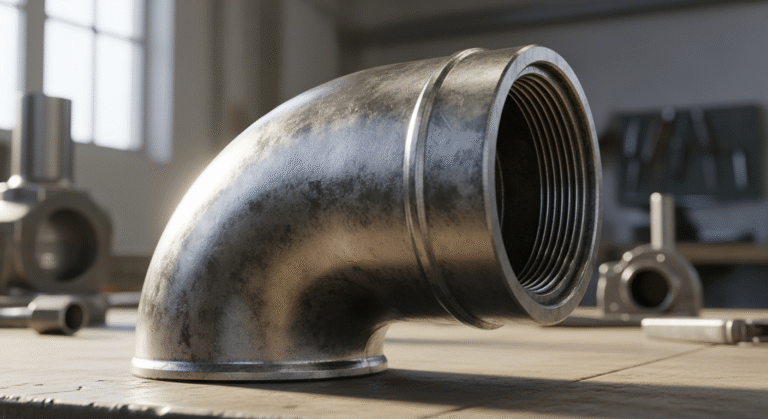
Welcome to the world of steel pipe fittings! If your project involves any kind of piping system, you will inevitably need to change the direction of your pipes. This is where the steel pipe elbow comes in. A pipe elbow is a crucial component used to connect two pipes, allowing you to make a turn at a specific angle. When the pipe inside is under pressure, its cross section will change to a tubular shape, whether you’re working on a simple home project or a complex industrial pipeline. Understanding the different types of steel elbows, like the common degree elbow, is the first step to success.
When selecting a steel pipe elbow, you’ll find they are categorized in several ways. The most common classifications are based on the turning angle, the connection type, the radius, and the material. For example, you can find elbows with various cross section shapes in different degrees, such as 45, 90, and 180 degrees, to guide the flow exactly where you need it.
Each type, from a long radius elbow designed for smooth flow to a short radius elbow for tight spaces, has a specific purpose. The material, whether it’s a carbon steel elbow or a stainless steel elbow, also plays a huge role in its application, especially in different applications with high pressure or corrosive materials. Let’s explore these options to find the perfect fit for you.
Choosing between a 45-degree and a 90-degree steel pipe elbow, also known as standard elbows, depends entirely on your project’s needs. How sharp of a turn do you need to make? A 90-degree elbow, often called a “vertical elbow,” creates a sharp, right-angle turn. This is the most common type and is frequently used in general steel construction and structural applications where a precise 90-degree change in direction is necessary.
On the other hand, a 45-degree elbow provides a more gradual turn. This gentler bend creates less friction and results in lower pressure drops within the pipeline. If you have some flexibility in your layout and want to maintain flow efficiency, the 45-degree elbow is an excellent choice. It’s ideal for situations where minimizing turbulence is important.
Hãy xem xét các điểm sau đây khi đưa ra quyết định của bạn:
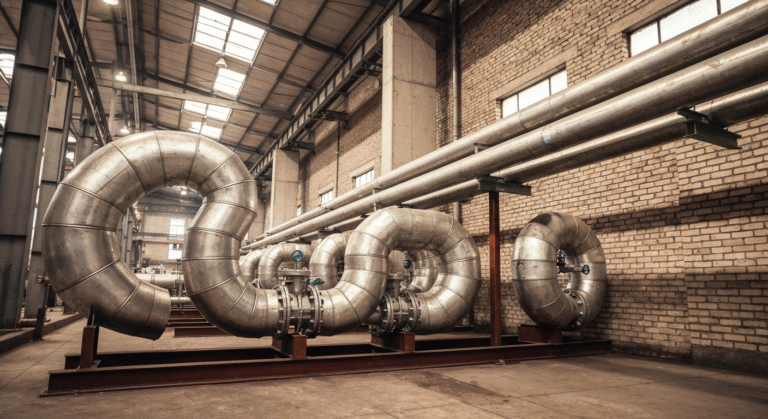
Beyond the standard 45 and 90-degree options, some projects require more specialized steel pipe elbows. The 180-degree elbow, also known as a “return bend,” is designed to completely reverse the flow direction, similar to how deck drains function. This elbow shape is perfect for creating heating or cooling loops where the pressure medium needs to flow back in the opposite direction within a compact space. Its application is typically limited to systems with minimal turbulence.
A reducing elbow offers a two-in-one solution. It not only changes the pipe’s direction but also reduces the pipe’s diameter, accommodating various pipe sizes. This is incredibly useful as it eliminates the need for a separate elbow and reducer fitting, saving both space and welding time. The gradual reduction helps maintain smooth flow and minimizes pressure drops, making it a smart choice for efficient pipeline design.
Here are some of their uses:
The material of your steel pipe elbow is just as important as its angle or size. The right material ensures your piping system is durable, safe, and long-lasting. The most common materials you’ll encounter are carbon steel, stainless steel, and galvanized steel. Each offers distinct advantages depending on the application, considering various production processes. For instance, some materials are better suited for a high corrosion environment, while others excel under high pressure.
Your choice will influence the elbow’s strength, resistance to rust, and suitability for specific substances like water, gas, or chemicals. From butt weld elbows in industrial settings to threaded elbows used in plumbing, the material dictates where and how the fitting can be used. Let’s look at the key differences to help you select the best option.
Understanding the differences between the main types of steel will help you choose the right elbow. Stainless steel, carbon steel (often called black steel or straight carbon steel), and galvanized steel are the three most popular choices, each with unique properties. A stainless steel elbow offers the highest corrosion resistance and strength, making it perfect for demanding environments.
Carbon steel contains a high carbon content, providing excellent strength and hardness. This makes it a go-to for high-pressure and high-temperature applications. Those that do not contain a large amount of alloy element are typically carbon steel elbows such as galvanized elbows that have been coated with a layer of zinc. This coating provides good corrosion resistance, though not as high as stainless steel.
Dưới đây là một so sánh đơn giản:
Vật liệu | Key Feature | Phù hợp nhất cho |
|---|---|---|
Thép không gỉ | Superior corrosion resistance, high strength | Food industries, chemical plants, high corrosion environments |
Carbon Steel (Black) | High strength and hardness, cost-effective | High-pressure and high-temperature pipelines (gas, oil) |
Galvanized Steel | Good corrosion resistance due to zinc coating | Water supply lines, outdoor and humid environments |
Are you working on a project involving water, gas, or even decorative elements? The material you select is critical. For applications involving drinking water or for sanitary purposes like in the food industry, a stainless steel elbow is the superior choice due to its excellent corrosion resistance and hygienic surface. For gas pipelines, strength is paramount, and a carbon steel elbow with lower plasticity is often preferred because it can handle high pressure safely.
If your project is outdoors or exposed to moisture, a galvanized elbow provides a great balance of strength and protection against rust. This makes it a common choice for water supply lines and outdoor handrails. For decorative steel pipe elbow projects, aesthetics become a priority. Polished stainless steel offers a modern, clean look, while black carbon steel can provide a rustic, industrial feel.
Key takeaways for material selection:
Once you’ve decided on the angle and material, the next step is to choose the connection type. This determines how the steel pipe elbow will attach to your pipes. The three main methods are butt weld, socket weld, and threaded connections, which may require using a heating machine for proper installation. Each type has a specific installation process and is suited for different levels of pressure and permanence.
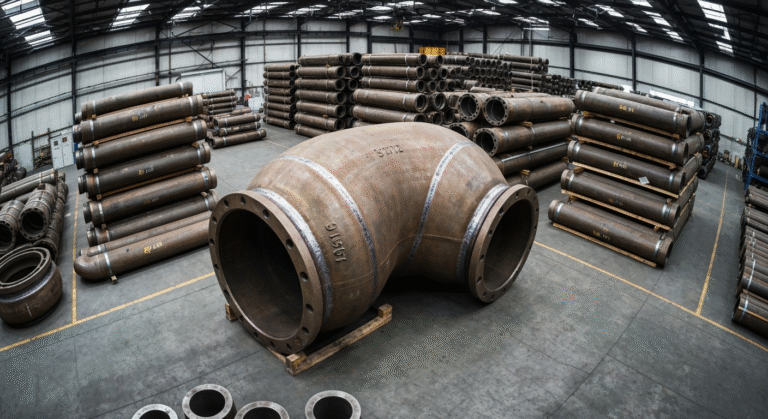
For instance, a butt weld elbow is welded directly end-to-end with the closed end of a polygonal circular shell pipe, creating a strong, permanent bond ideal for critical applications. Other types, like a threaded elbow, offer easier installation and removal. Understanding these connection types is key to ensuring a secure and leak-free piping system.
Each connection type for a steel pipe elbow comes with its own set of advantages and disadvantages. Butt weld elbows are joined by welding them directly to the pipe body, creating a continuous, leak-proof system. This method is the strongest and is preferred for high-pressure, high-temperature pipelines where reliability is critical. However, it requires a skilled welder for installation.
Socket weld elbows, or SW elbows, are also welded, but the pipe is inserted into a recessed area of the fitting before welding. This makes alignment easier than with a butt weld but can leave a small gap that may lead to corrosion issues in certain applications. Threaded pipe elbows are the easiest to install, as they simply screw onto the pipe. They are excellent for low-pressure systems and applications where maintenance or future disassembly might be needed.
Here’s a quick summary:
How do you know which connection type is right for you? The decision primarily boils down to your application’s pressure requirements and whether the connection needs to be permanent. For industrial applications with high-pressure medium or extreme temperatures, a butt weld connection is the industry standard. It provides the most robust and reliable seal.
A socket weld connection is a great alternative when you need a welded joint but are working with smaller pipe diameters. The welding process is slightly more straightforward than butt welding. For low-pressure applications like general plumbing, handrails, or systems that may need future modifications, a threaded elbow with matched elbow diameter is often the most practical choice. Its ease of installation and removal makes it ideal for maintenance and repairs.
Follow these simple guidelines:
Beyond angle and material, the physical dimensions of a large diameter steel pipe elbow are critical. You need to consider the pipe diameter, wall thickness (or schedule), and the elbow’s radius. Getting the size requirement correct ensures a perfect fit and proper function within your piping system. A mismatch in size can lead to leaks, flow issues, or complete installation failure.
The radius of the elbow, which can be either a long radius or short radius, directly impacts flow dynamics and the amount of space needed for the turn. These factors are essential for designing an efficient and well-fitted pipeline.
Let’s break down these sizing terms. The pipe diameter refers to the size of the pipe the elbow will connect to. The schedule (often abbreviated as SCH) indicates the wall thickness of the elbow. A higher schedule number means a thicker wall, which is necessary for handling higher pressures. You must match the elbow’s schedule and diameter to your pipe.
The elbow radius determines how sharp the turn is. A long radius (LR) elbow has a curvature radius that is 1.5 times the pipe diameter. This is the standard type, as it creates less friction and lower pressure drops. A short radius (SR) elbow has a radius equal to the pipe diameter, creating a much sharper turn. SR elbows are used only when space constraints are extremely tight, as they can significantly increase pressure drop.
When to use each radius:
Choosing the right steel pipe elbow for your projects can significantly influence the overall quality and functionality of your piping system. With various options available, including different degrees, materials, and connection types, it’s essential to consider the specific needs of your application. Whether you’re working with water, gas, or decorative projects, understanding the unique characteristics of each type under internal pressure can help you make informed decisions that enhance performance and durability. As you embark on your next project, keep these insights in mind to ensure you select the best steel pipe elbows available. For further assistance or to explore top-quality options, feel free to reach out for help!
Yes, absolutely. For plumbing, a stainless steel elbow is often used for its corrosion resistance and higher strength. For handrails, a carbon steel elbow provides excellent strength and durability. The connection types may also differ, with threaded elbows being common for handrails and both welded and threaded types used in plumbing.
You can find high-quality seamless pipe steel pipe elbows at reputable industrial supply companies, metal fabrication shops, and specialized steel construction suppliers. These distributors offer a wide range of products, including carbon steel elbow and butt weld elbow options, that meet industry standards for quality and performance.
Yes. For decorative steel pipe elbows, aesthetics are as important as function. The general surface treatment of a polygonal sector shell is a key factor, with options like polished or brushed finishes. Material choice, such as a sleek stainless steel elbow versus a rugged carbon steel elbow, will define the final look of your project.