Cung cấp các sản phẩm phụ kiện ống chất lượng cao.
Đối tác tin cậy của các nhà phân phối phụ kiện ống, phụ kiện ống có sẵn trong kho, vui lòng liên hệ qua email sales@hfittings.com để biết thêm chi tiết.

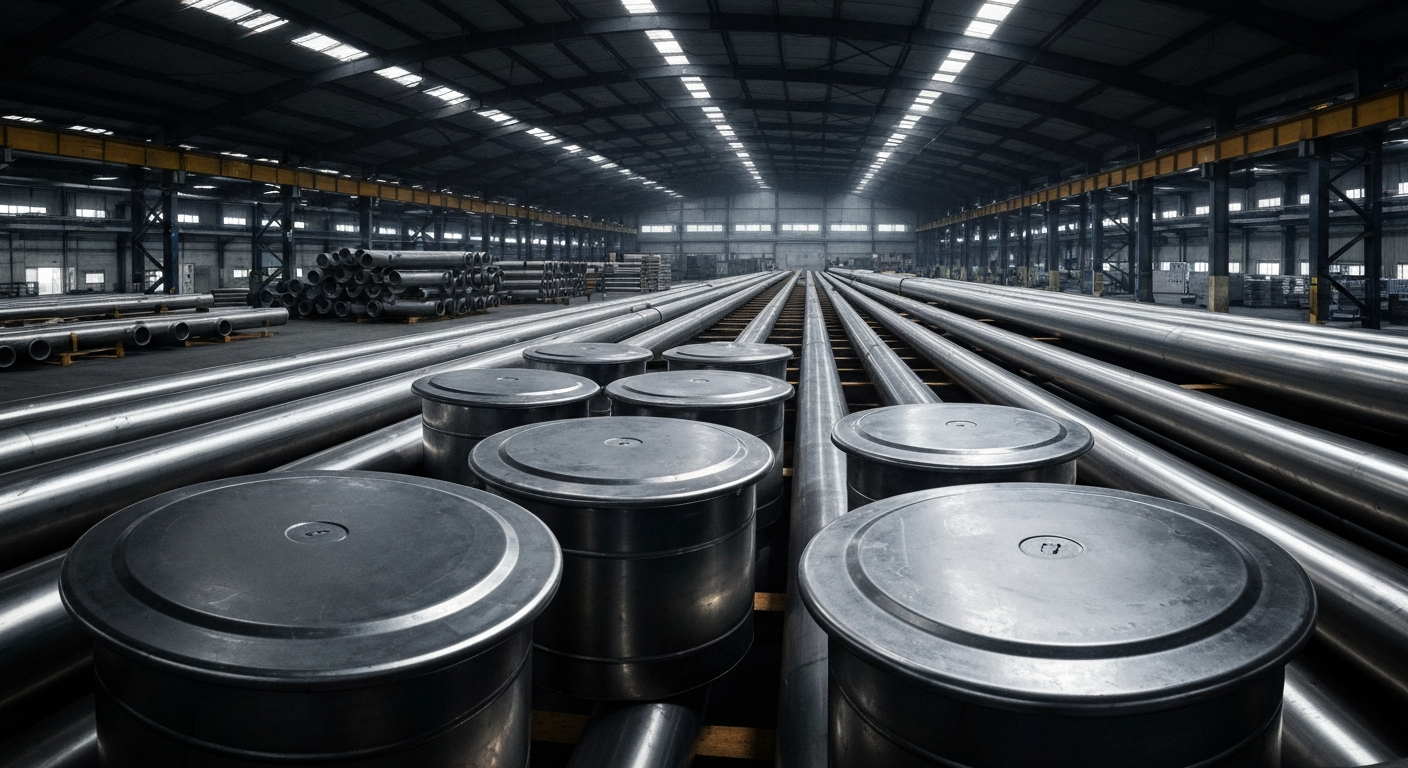
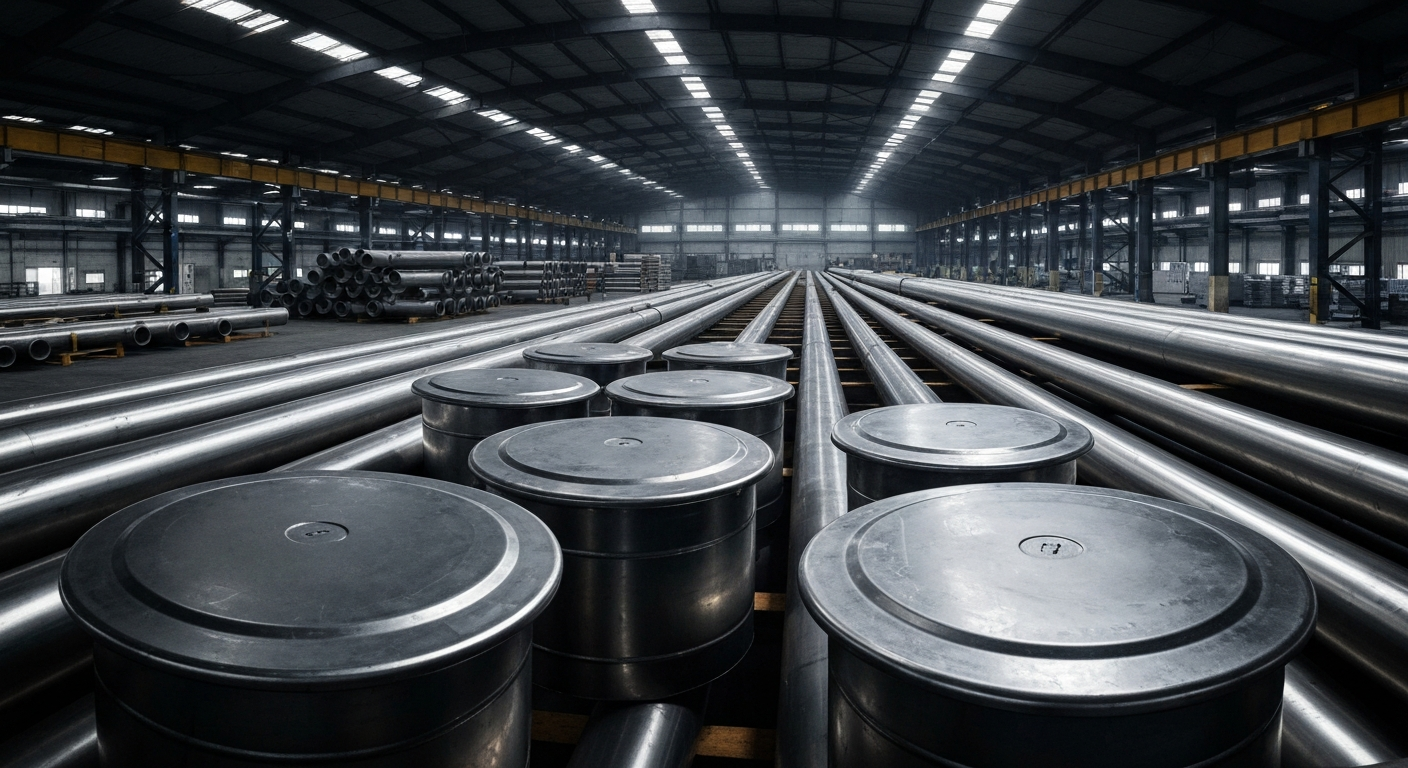
Khi thiết kế hoặc bảo trì hệ thống ống dẫn, mỗi thành phần đều quan trọng. Nắp ống thép không gỉ là một phụ kiện nhỏ nhưng vô cùng quan trọng, đóng vai trò lớn trong việc bảo vệ hệ thống ống dẫn của bạn. Được sử dụng để bịt kín đầu ống thép không gỉ, các nắp này ngăn chặn dòng chảy của chất lỏng và ngăn chặn các chất gây ô nhiễm xâm nhập vào hệ thống. Lựa chọn nắp ống thép không gỉ phù hợp đảm bảo an toàn, hiệu quả và tuổi thọ của toàn bộ hệ thống ống dẫn, dù là trong nhà máy công nghiệp phức tạp hay hệ thống dân dụng đơn giản.
Nắp ống thép không gỉ là một loại phụ kiện ống được thiết kế đặc biệt để che phủ đầu ống thép không gỉ. Mục đích chính của nó là kết thúc đường ống, ngăn chặn hiệu quả dòng chảy của khí hoặc chất lỏng và bảo vệ ren ống. Thành phần nhỏ này rất quan trọng cho cả các kết nối tạm thời và vĩnh viễn.
Bằng cách bịt kín ống, nắp bịt đầu ống giúp duy trì tính toàn vẹn và áp suất của hệ thống. Khả năng chống ăn mòn xuất sắc của thép không gỉ đảm bảo tính năng và tuổi thọ của nắp bịt, ngay cả trong môi trường khắc nghiệt. Điều này ngăn ngừa rò rỉ và ô nhiễm, bảo vệ toàn bộ hệ thống ống dẫn khỏi hư hỏng tiềm ẩn và đảm bảo hoạt động trơn tru.
Sự đa năng của nắp ống thép không gỉ khiến chúng phù hợp cho nhiều ứng dụng khác nhau trong cả lĩnh vực công nghiệp và dân dụng. Khả năng chống gỉ sét và ăn mòn của chúng là một ưu điểm quan trọng trong các môi trường tiếp xúc với độ ẩm và hóa chất. Bạn có thể tìm thấy các phụ kiện ống quan trọng này trong nhiều môi trường khác nhau, đảm bảo các đường ống được bịt kín an toàn.
Trong nhiều ngành công nghiệp, việc duy trì một hệ thống sạch sẽ và được kiểm soát chặt chẽ là vô cùng quan trọng. Nắp thép không gỉ thường được sử dụng trong:
Vẻ đẹp thẩm mỹ tinh tế và độ bền cao của chúng cũng khiến chúng trở thành lựa chọn phổ biến cho hệ thống ống nước lộ thiên trong xây dựng hiện đại và các ứng dụng dân dụng. Điều này đảm bảo rằng ngay cả những thành phần nhỏ nhất của hệ thống ống nước cũng góp phần vào cả tính năng và vẻ ngoài gọn gàng.
Nắp ống thép không gỉ có nhiều kiểu dáng khác nhau để phù hợp với các phương pháp kết nối và nhu cầu ứng dụng đa dạng. Các loại phổ biến nhất được thiết kế để cung cấp một kết nối an toàn và không rò rỉ ở đầu ống. Hiểu rõ các biến thể này giúp bạn lựa chọn thành phần phù hợp cho dự án của mình, đảm bảo tuân thủ các tiêu chuẩn ngành.
Mỗi loại phụ kiện ống thép không gỉ có phương pháp lắp đặt riêng biệt. Ví dụ, nắp hàn đối đầu được hàn trực tiếp vào ống, tạo ra một mối nối chắc chắn và vĩnh viễn. Nắp ren và nắp hàn socket cung cấp các phương pháp kết nối thay thế phù hợp với các yêu cầu áp suất và thiết kế hệ thống khác nhau.
Dưới đây là các loại chính mà bạn sẽ gặp:
Loại nắp | Mô tả |
|---|---|
Nắp hàn mông | Được hàn trực tiếp vào đầu ống để tạo ra kết nối chắc chắn và vĩnh viễn. |
Nắp ren | Có ren bên trong để vặn vào đầu ren của ống. |
Nắp hàn socket | Được thiết kế để ống được lắp vào khu vực lõm của nó trước khi hàn. |
Lựa chọn nắp ống thép không gỉ phù hợp là yếu tố quan trọng để đảm bảo độ kín và hiệu quả của kết nối. Yếu tố quan trọng nhất là đảm bảo kích thước của nắp ống phù hợp với đường kính của ống. Một nắp ống có kích thước không phù hợp có thể dẫn đến rò rỉ, mất áp suất và tiềm ẩn nguy cơ hỏng hóc hệ thống. Bạn cần đo kích thước danh nghĩa và lịch trình của ống để tìm ra phụ kiện tương thích.
Ngoài đường kính, bạn cũng cần xem xét các tiêu chuẩn ngành như ASME, ASTM và DIN. Các tiêu chuẩn này đảm bảo rằng các phụ kiện ống của bạn được sản xuất với kích thước chính xác để đảm bảo sự khớp nối hoàn hảo. Bằng cách lựa chọn cẩn thận một nắp phù hợp với thông số kỹ thuật của ống và nhu cầu cụ thể của hệ thống, bạn đảm bảo được một kết nối đáng tin cậy và bền bỉ. Bây giờ, hãy cùng tìm hiểu chi tiết hơn về kích thước và cấp độ vật liệu.
Kích thước chính xác là yếu tố quan trọng đối với hiệu suất của nắp đầu ống. Nắp ống thép không gỉ có sẵn trong nhiều kích thước khác nhau, thường dao động từ 1/2 inch đến 48 inch theo kích thước ống danh nghĩa, để phù hợp với các đường kính ống khác nhau. Kích thước bạn cần phụ thuộc vào ống mà bạn đang bịt kín.
Để đảm bảo bạn chọn được kích thước phù hợp, bạn cần xác định các thông số kỹ thuật và tiêu chuẩn quan trọng. Lịch trình ống (SCH), chẳng hạn như SCH 40S hoặc SCH 80S, xác định độ dày thành ống, yếu tố quan trọng để chịu được áp suất hệ thống. Các tiêu chuẩn quốc tế như ASME, ASTM và DIN cung cấp các kích thước tiêu chuẩn cho chiều cao và đường kính, đảm bảo tính tương thích và độ tin cậy. Khi đặt hàng, hãy chắc chắn chỉ định:
Việc lắp đặt các nắp này thường bao gồm hàn, ren hoặc lắp ống trước khi hàn, tùy thuộc vào loại nắp. Việc lắp đặt đúng cách đảm bảo quá trình lắp đặt diễn ra suôn sẻ và mối nối sau khi lắp đặt được đảm bảo an toàn.
Chất lượng vật liệu của nắp thép không gỉ có ảnh hưởng đáng kể đến hiệu suất của nó, đặc biệt là về khả năng chống ăn mòn và độ bền. Hai loại thép không gỉ phổ biến nhất được sử dụng cho phụ kiện ống là thép không gỉ 304 và thép không gỉ 316. Mặc dù cả hai đều có độ bền cao và bề mặt sáng bóng, chúng có những điểm khác biệt quan trọng.
Thép không gỉ loại 304 là loại thép không gỉ đa năng và được sử dụng rộng rãi, nổi tiếng với khả năng chống ăn mòn xuất sắc trong nhiều môi trường khác nhau. Đây là lựa chọn kinh tế cho các ứng dụng thông dụng. Tuy nhiên, loại 316 chứa molybdenum, giúp nó có khả năng chống ăn mòn vượt trội đối với clorua và các hóa chất khắc nghiệt khác, làm cho nó trở thành lựa chọn lý tưởng cho các ngành công nghiệp hàng hải và chế biến hóa chất, nơi tiếp xúc với nhiệt độ cực đoan và các yếu tố ăn mòn là điều phổ biến.
Bảng này nêu bật những điểm khác biệt chính của chúng:
Tính năng | Thép không gỉ 304 | Thép không gỉ 316 |
|---|---|---|
Khả năng chống ăn mòn | Khả năng chống chịu tổng thể tốt. | Khả năng chống chịu xuất sắc, đặc biệt là đối với các hợp chất clorua. |
Ứng dụng phổ biến | Xử lý nước, thực phẩm và đồ uống, xây dựng. | Xử lý hóa chất, môi trường biển, dược phẩm. |
Chi phí | Tiết kiệm hơn. | Chi phí cao hơn do thêm molybdenum. |
H2: Câu hỏi thường gặp: Bạn có thắc mắc về nắp ống thép không gỉ? Dưới đây là một số câu hỏi phổ biến! Nhiều người dùng muốn biết về các kích thước ống khác nhau có sẵn, đảm bảo sự vừa vặn hoàn hảo cho hệ thống ống dẫn của họ. Một số khác thường hỏi về khả năng chống ăn mòn của các nắp này, vì chúng đóng vai trò quan trọng trong việc duy trì tính toàn vẹn của hệ thống trong nhiều ngành công nghiệp. Ngoài ra, nhiều người cũng quan tâm đến quy trình sản xuất và tuổi thọ dài lâu mà các nắp này mang lại, ngay cả trong điều kiện nhiệt độ cực đoan.
Nếu bạn đang thắc mắc không biết mua nắp ống thép không gỉ ở đâu trực tuyến, bạn có thể tìm thấy nhiều loại khác nhau thông qua các trang web cung cấp vật tư công nghiệp chuyên dụng, các sàn thương mại điện tử hoặc trực tiếp từ các nền tảng thương mại điện tử của nhà sản xuất.
Đúng vậy, chúng rất đa năng. Khả năng chống ăn mòn xuất sắc và tính vệ sinh của nắp ống thép không gỉ khiến nó trở nên lý tưởng cho nhiều ứng dụng khác nhau. Từ các ứng dụng công nghiệp nặng trong xử lý nước và dược phẩm đến hệ thống ống nước sạch, hiện đại trong nhà ở và tòa nhà thương mại.
Sự khác biệt chính nằm ở phương pháp lắp đặt. Nắp thép không gỉ hàn mép được hàn trực tiếp vào ống, tạo ra một mối nối chắc chắn và vĩnh viễn. Ngược lại, kết nối ép khít sử dụng công cụ chuyên dụng để ép cơ học phụ kiện vào ống, tạo ra một mối nối an toàn và không cần hàn.
Việc bảo dưỡng thép không gỉ rất đơn giản nhờ vào độ bền cao và bề mặt không xốp của nó. Việc vệ sinh định kỳ bằng xà phòng nhẹ và nước thường là đủ để duy trì tính vệ sinh của nó. Việc bảo dưỡng đơn giản này giúp đảm bảo tính toàn vẹn của hệ thống và góp phần vào tuổi thọ của toàn bộ hệ thống ống dẫn.
Tóm lại, đầu tư vào nắp ống thép không gỉ có thể nâng cao đáng kể độ bền và hiệu suất của hệ thống ống dẫn của bạn, dù là cho ứng dụng công nghiệp hay dân dụng. Bằng cách hiểu rõ các thông số kỹ thuật và loại sản phẩm có sẵn, bạn có thể đưa ra quyết định thông minh phù hợp với nhu cầu dự án của mình. Hãy nhớ chọn kích thước và cấp độ vật liệu phù hợp để đảm bảo chức năng tối ưu. Nếu bạn có bất kỳ câu hỏi nào hoặc cần hỗ trợ trong quá trình mua hàng, hãy liên hệ với chúng tôi. Chúc bạn thành công với hệ thống ống dẫn của mình!