Cung cấp các sản phẩm phụ kiện ống chất lượng cao.
Đối tác tin cậy của các nhà phân phối phụ kiện ống, phụ kiện ống có sẵn trong kho, vui lòng liên hệ qua email sales@hfittings.com để biết thêm chi tiết.

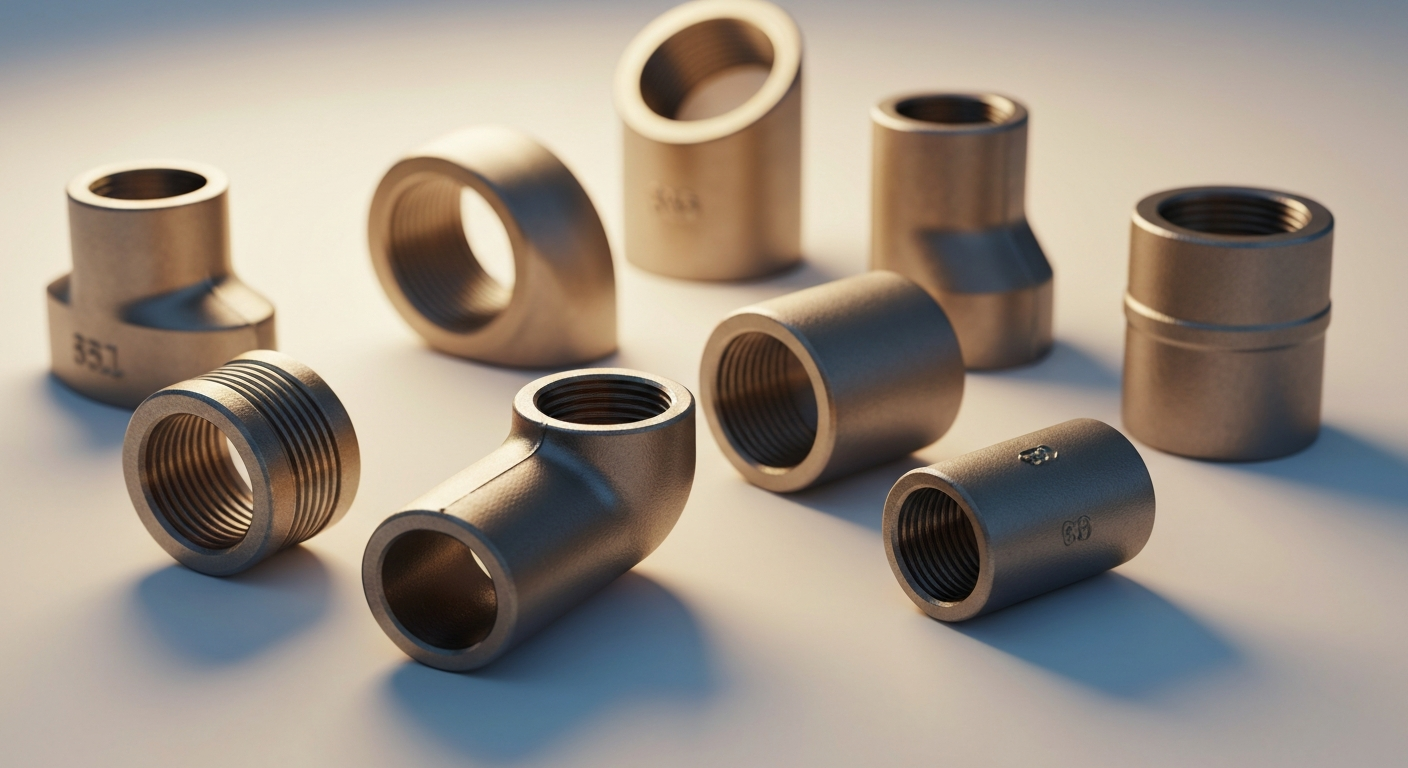
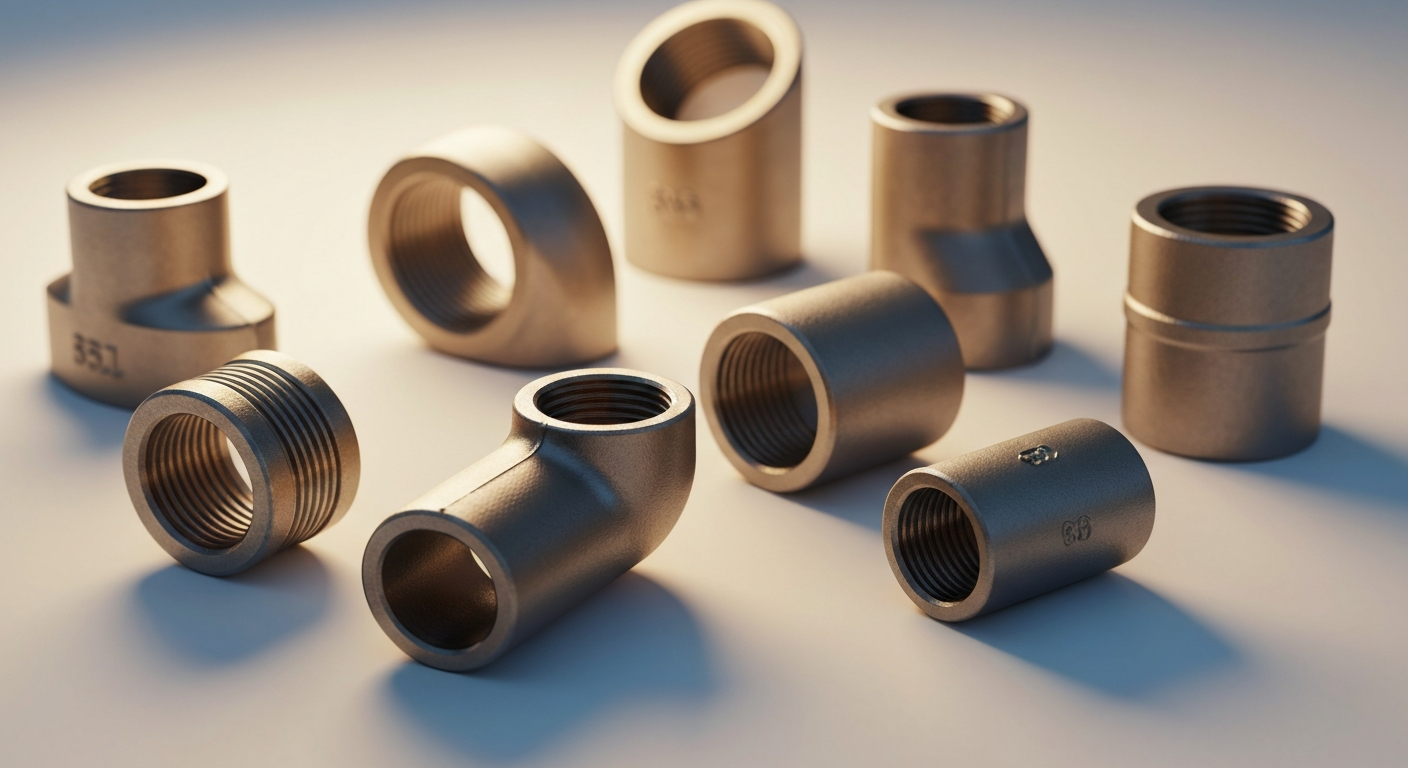
When building industrial pipelines, choosing the right components is key to long-term safety and efficiency. ASTM A234 WPB pipe fittings are a cornerstone in this field. These carbon steel fittings are manufactured according to a strict standard specification to ensure reliability in demanding environments. Known for their strength, durability, and versatility, these steel fittings play a vital role in everything from power plants to petrochemical facilities. This guide will walk you through everything you need to know about A234 WPB fittings.
The ASTM A234 WPB designation isn’t just a random set of letters; it’s a standard specification that guarantees a certain level of quality and performance. This standard applies to wrought carbon steel and alloy steel pipe fittings of both seamless and welded construction. It ensures the fittings are suitable for use in pressure piping systems at moderate to elevated temperatures.
By following this standard, manufacturers produce fittings that are reliable, consistent, and safe for their intended applications. Let’s look closer at the scope of this standard and the materials it covers.
The primary purpose of the ASTM A234 specification is to govern the manufacturing of steel fittings intended for pressure piping and pressure vessel fabrication. This ensures that every elbow, tee, or reducer meets specific requirements for chemical composition and mechanical properties, making them safe for high temperature services.
This standard specifically covers wrought fittings, meaning they are worked into shape rather than being cast. It applies to common fitting types like elbows, tees, reducers, and caps with butt-welding ends, which allow for strong, leak-proof connections within a pipeline.
Ultimately, the goal is to provide a unified set of rules that ensures compatibility and integrity. When you use an A234 WPB fitting, you know it’s designed to connect with a steel pipe and perform reliably under the pressures and temperatures common in industrial settings.
The ASTM A234 standard includes several grades, but WPB is the most common. The letters stand for “Weldable,” “Pressure,” and “Grade B,” which refers to the material’s minimum yield strength. This makes Grade B a versatile choice for a wide range of applications. Other grades, often made from alloy steel material, are available for more specialized, high-temperature, or corrosive environments.
The raw materials for these fittings can come from various sources, including seamless steel pipes (like ASTM A106 Gr. B), steel plate (like ASTM A516 Gr. 70), or forgings. The key is that the material is “killed steel,” a type of steel that has been fully deoxidized to produce a uniform composition.
The chemical composition, especially the carbon content, is tightly controlled to ensure good weldability and strength. Here are the typical chemical requirements for Grade WPB.
Component | Composition % |
|---|---|
Carbon (C) | 0.30 max |
Mangan (Mn) | 0.29-1.06 |
Phosphorus (P) | 0.050 max |
Sulfur (S) | 0.058 max |
Silicon (Si) | 0,10 phút |
Chromium (Cr) | 0.40 max |
Molybdenum (Mo) | 0.15 max |
Steel pipe fittings are essential pipe products designed to alter the direction or flow rate of fluids within a pipeline system. Whether you need to make a sharp turn, combine two flows into one, or cap the end of a line, there is a fitting designed for the job.
The ASTM A234 standard covers a wide variety of these fittings, not only in carbon steel but also in alloy steel for more demanding services. Understanding the different shapes and manufacturing methods available will help you select the perfect component for your project’s needs.
ASTM A234 WPB fittings come in many shapes and sizes to accommodate complex piping layouts. Each shape serves a specific function, from changing direction to splitting flow. Having the right shape is crucial for an efficient and effective pipeline.
The most common shapes you’ll encounter are designed to connect sections of pipe and manage the fluid inside. These include:
While seamless butt weld fittings are very common for high-pressure systems, other end connections like socket weld and threaded types are also used in various industrial applications, though they are often covered by different standards.
When choosing WPB fittings, you will need to decide between seamless and welded options. The main difference lies in their manufacturing process. Seamless butt weld fittings are made from a solid piece of steel that is pierced and extruded, resulting in a fitting with no seams. Welded butt weld fittings are manufactured from a welded pipe or a steel plate that is rolled and welded.
This difference in manufacturing leads to a few key distinctions. Here’s a quick breakdown:
Despite these differences, both types must meet the same ASTM A234 WPB specifications for chemical composition, minimum yield strength, and dimensional tolerances for a given size and wall thickness.
Selecting the right carbon steel pipe fittings is about more than just picking the right shape. You must consider the specific demands of your application, including pressure, temperature, and the type of fluid being transported. The correct fittings material will ensure the system’s integrity, safety, and longevity.
Factors like tensile strength and corrosion resistance are built into the A234 WPB standard, but you still need to make choices about the fitting’s dimensions. Sizing and scheduling are two of the most important considerations you will make.
Proper sizing is critical for ensuring your fittings match the connecting pipes. This is where “schedule” comes into play. The schedule number (often abbreviated as SCH) refers to the wall thickness of a fitting. A higher schedule number means a thicker wall, which allows the fitting to withstand higher internal pressures.
It is essential to match the fitting’s schedule to the pipe’s schedule to maintain consistent pressure-handling capabilities throughout your pressure pipelines. Dimensional accuracy is governed by standards like ASME B16.9, which ensures that a fitting from one manufacturer will correctly align with a pipe from another, as long as they share the same nominal size and schedule. These dimensional tolerances are key to a leak-free system.
Choosing the right schedule depends entirely on your system’s operating pressure. Below is a general guide to common schedules.
Schedule (SCH) | Common Application Use |
|---|---|
SCH 10/20 | Low-pressure systems |
SCH 40 / STD | General, standard-duty service |
SCH 80 / XS | High-pressure applications |
SCH 160 / XXS | Extremely high-pressure systems |
In summary, selecting the right ASTM A234 WPB fittings is crucial for ensuring the safety and efficiency of your piping systems. Understanding the standard’s specifications, the types available, and the unique needs of your application can make all the difference in performance. Always consider factors like material requirements, fitting shapes, and connection types when making your choice. If you need further assistance or have questions about which fittings are best for your project, feel free to reach out! We’re here to help guide you in making informed decisions that suit your specific requirements.
Yes, ASTM A234 WPB steel pipe fittings are designed for use in moderate to high-pressure piping systems. Their suitability depends on selecting the appropriate schedule (wall thickness). Thicker-walled fittings, like Schedule 80 or higher, are commonly used in demanding industrial applications, including pressure vessel fabrication, to ensure safety and reliability.
This fittings material requires minimal maintenance due to its inherent durability. While the fittings have good corrosion resistance, they may need protective coatings in highly corrosive environments. Regular visual inspections for leaks or damage are recommended. Properly storing any unused items away from moisture will prevent rust and ensure they are ready for future use.
Official documentation for the standard can be purchased directly from ASTM International’s website. When you order parts, your supplier should provide a Mill Test Report (MTR) for each item. This certification document verifies that the fittings meet the chemical and mechanical requirements of the latest revision of ASME and ASTM standards.