Cung cấp các sản phẩm phụ kiện ống chất lượng cao.
Đối tác tin cậy của các nhà phân phối phụ kiện ống, phụ kiện ống có sẵn trong kho, vui lòng liên hệ qua email sales@hfittings.com để biết thêm chi tiết.

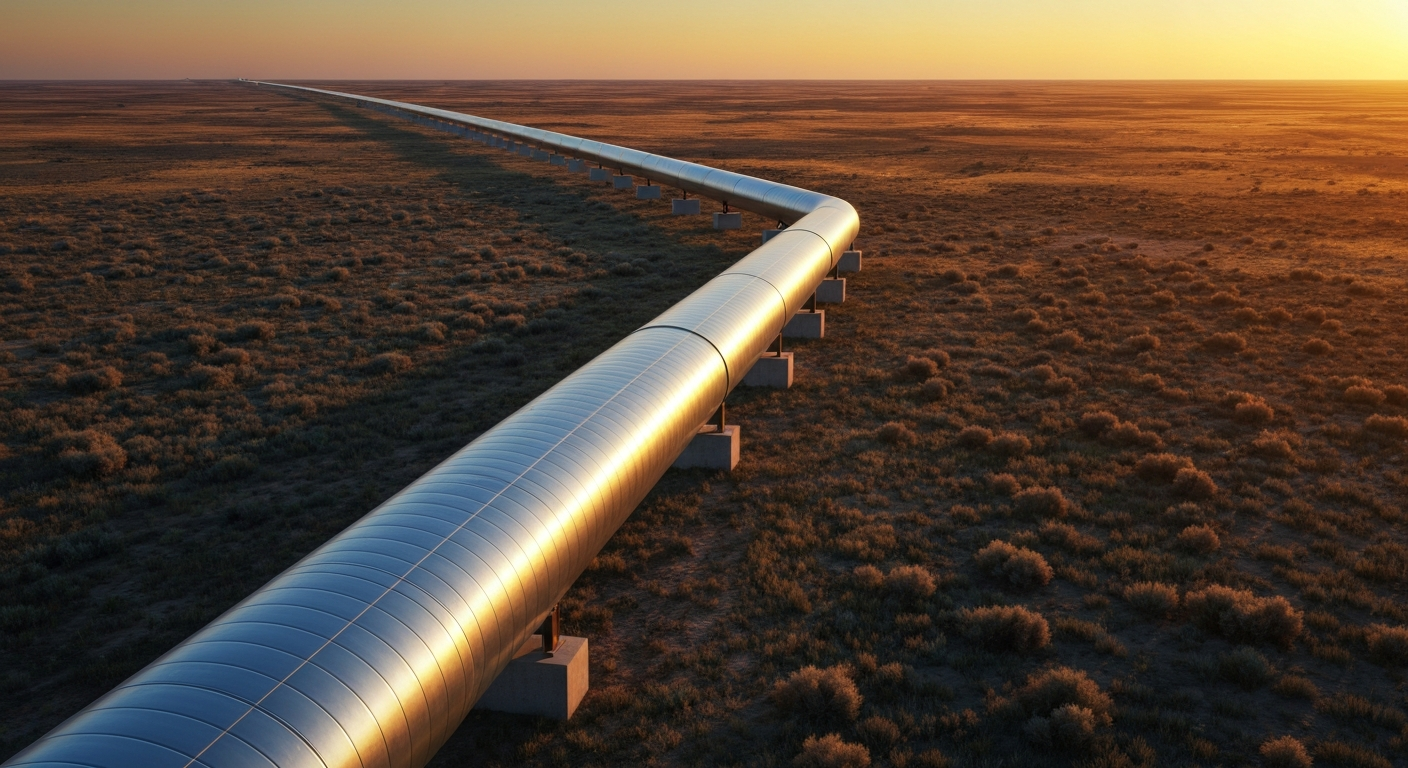
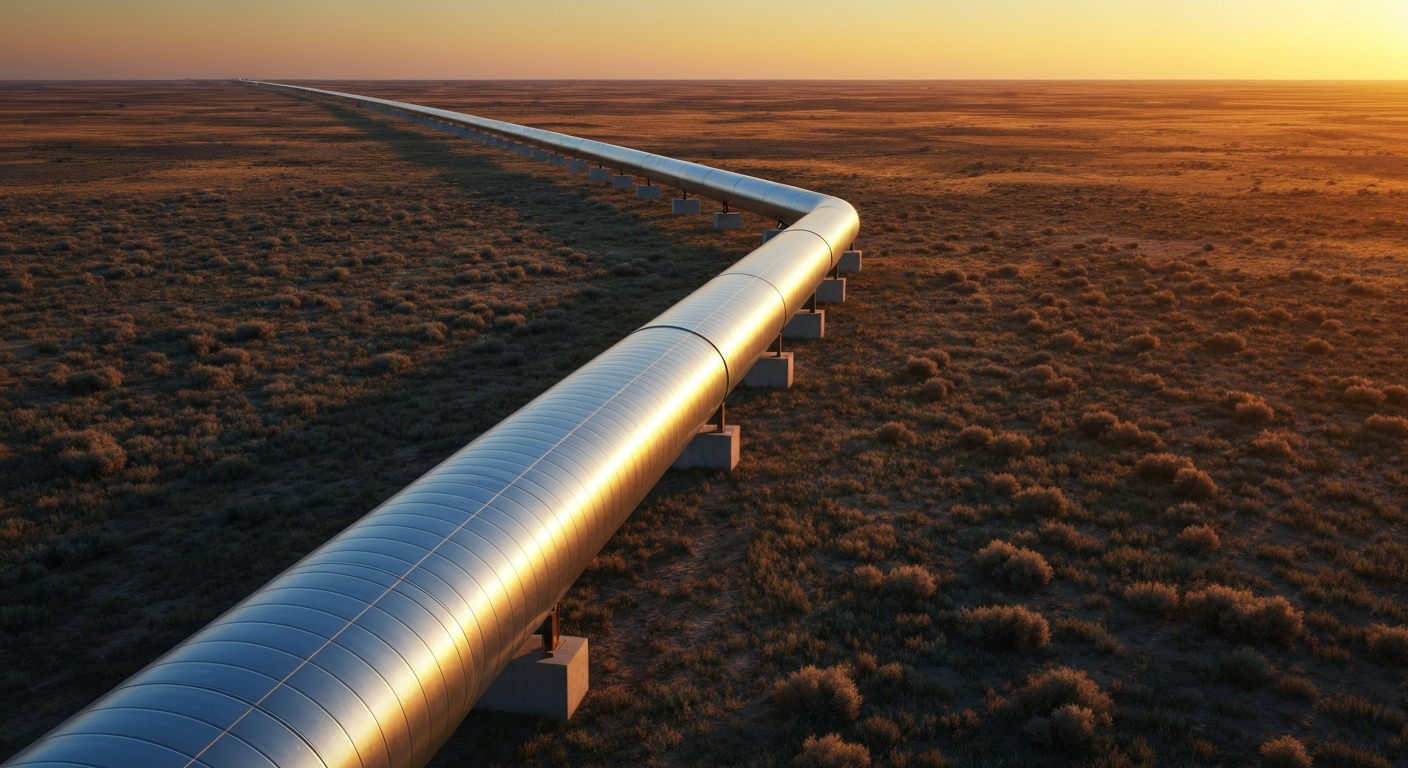
Steel pipes are fundamental components in modern industry, used to transport everything from water and oil to natural gas. However, the very nature of steel makes it susceptible to corrosion when exposed to the elements. This is where corrosion protection becomes critical. Applying a high-quality anti-corrosion coating to your steel pipe, whether it’s a standard or seamless steel pipe, is the most effective way to safeguard your investment, ensure its longevity, and maintain its structural integrity.
An anti-corrosion coating is a protective layer applied to the surface of a steel pipe to prevent the chemical reactions that cause rust and degradation. It is vital because it acts as a shield, isolating the steel from corrosive environments like soil, water, and industrial chemicals.
This protection is key to achieving a long service life for your pipelines. By enhancing the pipe’s corrosion resistance, you not only ensure its durability but also significantly reduce future maintenance costs associated with repairs and replacements. Now, let’s explore why steel is so prone to corrosion and the benefits of preventing it.
Steel pipes are made primarily of iron, which naturally reacts with oxygen and moisture in a process called oxidation—more commonly known as rust. This reaction weakens the metal, leading to the corrosion of the steel pipe and eventually compromising its structural integrity. Without protection, this process is inevitable and can accelerate depending on the environment.
This is especially true for underground pipelines used for transporting substances like water or natural gas. When buried, these pipes are in constant contact with soil, moisture, and various minerals that can speed up corrosion. Onshore pipelines face similar threats from rain, humidity, and industrial pollutants.
Because of this constant exposure, an external coating is not just beneficial; it’s necessary. This protective layer creates a durable barrier that stops these corrosive elements from reaching the pipe’s surface, preventing rust and ensuring the safe, reliable operation of the pipeline for years to come.
The primary advantage of applying an anti-corrosion coating is the significant extension of the pipe’s service life. By creating a barrier against harmful elements, the coating provides robust corrosion protection that keeps the pipe strong and functional for much longer than an uncoated pipe.
This leads to several other key benefits that make a huge difference in the long run. A high-quality coating system:
However, achieving these benefits depends on proper application. Common problems with coatings, such as uneven layers, bubbles, or poor adhesion, can compromise the protective barrier. That is why choosing a reliable and well-applied coating system is crucial for effective, long-lasting protection.
When it comes to steel pipe coating, there is no single solution that fits every situation. The best choice depends on the pipe’s intended use, the environment it will be in, and the material of the pipe itself, whether it’s a carbon steel pipe or a stainless steel pipe. Different coating materials are formulated to meet these specific needs.
Some of the most widely used options include multi-layer systems like 3PE, fusion-bonded epoxy (FBE), and coal tar epoxy. Each of these offers a unique set of properties designed for optimal performance under different conditions. Let’s look at a couple of these popular choices in more detail.
The 3PE coating is one of the most effective and widely used anti-corrosion systems for steel pipes today. As the name suggests, it consists of three distinct layers working together to provide comprehensive protection. This multi-layer approach combines the best properties of each material.
The first layer, an epoxy powder, is applied directly to the surface of the steel pipe to ensure strong adhesion and create the primary barrier against corrosion. The second layer is an adhesive that bonds the epoxy to the outer layer. The third layer is a high-density polyethylene coating that provides excellent mechanical strength and protects the pipe from physical damage like scratches and impacts.
Layer | Vật liệu | Function |
|---|---|---|
First Layer | Fusion-Bonded Epoxy (FBE) | Provides corrosion resistance and bonds to the steel. |
Second Layer | Adhesive | Bonds the epoxy and polyethylene layers together. |
Third Layer | Polyethylene (PE) | Offers mechanical protection and durability. |
Besides 3PE, other advanced coating materials offer specialized protection. Epoxy powder coatings, for example, are applied as a single layer and are known for their good adhesion and resistance to chemicals. They are often used to line the inside of pipes, though their thinner film can make them more susceptible to damage during handling.
Another common choice, particularly for buried or underwater pipelines, is coal tar epoxy. This coating combines epoxy resin with coal tar to create a thick, highly water-resistant barrier that offers excellent chemical resistance. It provides a robust shield in harsh, damp environments where other coatings might fail.
Specialty coatings like IPN8710 are designed for specific applications, such as protecting the inner walls of pipes carrying potable water or for spiral steel pipe. These materials offer unique benefits, such as excellent chemical stability and hygiene standards compliance, ensuring they meet the demands of their intended use.
Many people have questions about the effectiveness of various coatings for steel pipes. For instance, what types of coatings provide the best corrosion resistance, and how long can you expect them to last? Understanding the differences between materials like epoxy powder, coal tar epoxy, and polyethylene coatings can significantly impact maintenance costs and the longevity of your pipeline projects. Additionally, factors such as weather conditions and the specific needs of your application—like natural gas transport or marine structures—should also be considered.
The primary difference is what they protect the steel pipe from. An external coating shields the pipe from environmental factors like soil, moisture, and UV rays. An internal coating protects the inner wall from the fluid being transported, prevents corrosion from inside, and can also help reduce friction for smoother flow.
Anti-corrosion coatings extend the service life of a steel pipe by creating a durable physical barrier. This corrosion protection prevents rust-causing elements like water and oxygen from reaching the steel. By stopping corrosion before it starts, the coating maintains the pipe’s structural integrity and enhances its corrosion resistance, ensuring it lasts for decades.
A seamless steel pipe should receive an anti-corrosion coating whenever it will be exposed to a corrosive environment. This includes being buried underground, submerged in water, or exposed to industrial chemicals or harsh weather. The coating process is a vital step to boost its corrosion resistance and ensure long-term durability.
In summary, protecting your steel pipes with anti-corrosion coatings is not just a smart investment but a necessary one to ensure their longevity and reliability. By understanding the types of coatings available and their specific benefits, you can make informed decisions that will save you time and money in the long run. Whether you choose 3PE or advanced epoxy solutions, the right coating will offer robust protection against environmental factors that cause corrosion. If you’re ready to safeguard your investment, don’t hesitate to reach out for a free consultation to explore the best options for your needs.