Обеспечиваем высокое качество трубопроводной арматуры
Лучший партнер трубопроводной арматуры оптовиков, трубопроводной арматуры на складе, электронной почте sales@hfittings.com для деталей



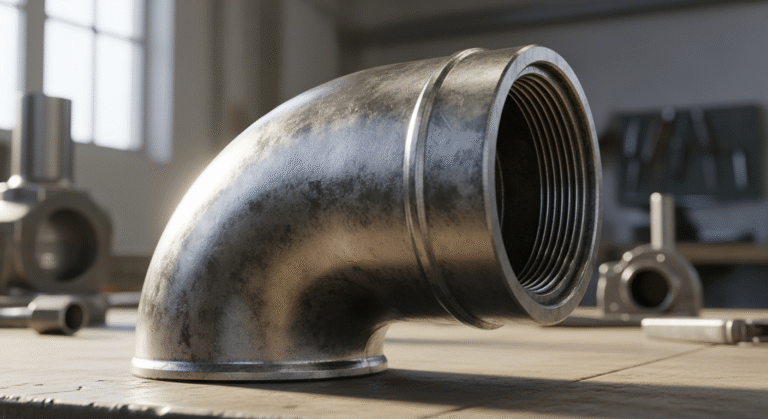
When it comes to pipeline installations, ensuring a smooth and efficient flow is paramount. The 4-inch butt weld elbow is a simple yet essential component that makes this possible. As a key type of pipe fitting, it allows you to change the direction of your piping with a secure, welded connection. Unlike threaded or socket fittings, a butt weld provides a robust, continuous structure, making it a reliable choice for demanding applications using materials like carbon steel.
The primary feature of a 4-inch butt weld elbow is its design for on-site welding. The ends of the fitting are beveled, creating a perfect groove for a strong, full-penetration weld. This method joins the fitting directly to the pipe, forming a solid metal structure that enhances the overall strength of the piping system.
These fittings are typically manufactured from materials that meet strict ASME and ASTM standards. The most common materials used for manufacturing are carbon steel (such as A234 WPB) for general and high-temperature service and stainless steel (grades 304 and 316) for applications requiring corrosion resistance. Choosing the right material along with the correct nominal pipe size and wall thickness is crucial for system integrity.
The material of your butt weld fitting directly impacts its performance and longevity. Carbon steel and stainless steel are the two most popular choices, each offering distinct advantages for different industrial environments. Carbon steel, particularly ASTM A234 WPB, is a cost-effective and durable option for moderate to high-temperature pipelines. Stainless steel offers superior protection against rust and corrosion.
Here is a quick look at the specifications for these common materials.
Материал | Key Specifications & Properties |
|---|---|
Carbon Steel (ASTM A234 WPB) | Standard for moderate and high-temperature service. Made from wrought carbon steel. |
Stainless Steel (304/304L) | Excellent corrosion resistance for general use. Has a minimum tensile strength of 60 KSI. |
Stainless Steel (316/316L) | Superior resistance to corrosion, especially from chlorides. Has a minimum tensile strength of 70 KSI. |
Regarding finishes, most butt weld fittings come with a standard, non-polished industrial finish suitable for most applications. However, polished finishes are available, particularly for stainless steel elbows. A polished fitting offers a smoother surface that can be easier to clean and is often specified for sanitary piping systems or applications where aesthetics are a consideration, while a non-polished finish is purely functional.
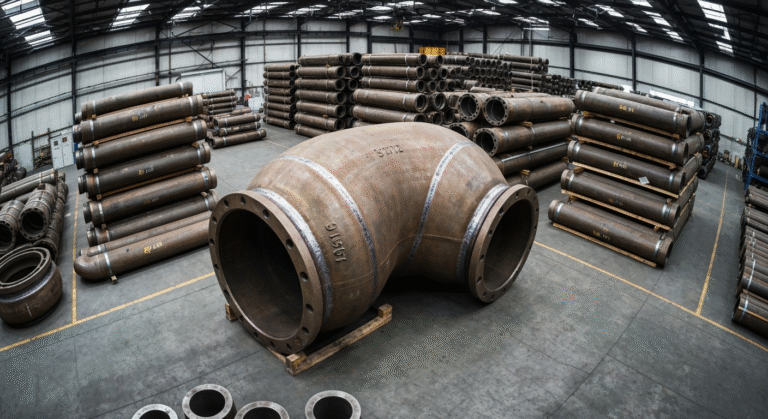
When selecting a 4-inch butt weld elbow, you will need to choose between a long radius (LR) and a short radius (SR) design. The difference lies in the curvature of the bend. This measurement determines how sharply the direction of flow changes and how much space the fitting occupies in your piping layout.
A long radius elbow has a bend radius that is 1.5 times the nominal pipe size (NPS). For a 4-inch LR elbow, the radius of the curve is 6 inches. In contrast, a short radius elbow has a bend radius equal to the NPS, meaning a 4-inch SR elbow has a 4-inch radius. This makes the turn in an SR elbow much tighter.
Here is how they compare:
Choosing the right 4-inch butt weld elbow goes beyond just picking the angle and material. To ensure your pipeline is safe, efficient, and leak-free, you must pay close attention to technical specifications. Proper selection is a critical step that guarantees the fitting will perform as expected under your system’s operating conditions.
Key factors to consider include the schedule rating, which determines the wall thickness, and adherence to industry standards like ASME and ASTM. These guidelines help you match the pipe fitting perfectly to your pipe, preventing issues with flow and pressure containment. We will explore these considerations in more detail.
The schedule rating (often abbreviated as SCH) of a butt weld fitting defines its wall thickness. It is crucial to choose an elbow with a schedule rating that matches the schedule of the connecting pipe. For example, if you are using SCH 40 pipe, you must use a SCH 40 elbow. This ensures the inside diameter of the fitting and pipe are identical, allowing for a smooth, unobstructed flow.
Common schedule ratings include SCH 10, SCH 40 (or STD), and SCH 80 (or XH). A higher schedule number indicates a thicker wall, which is necessary for applications involving higher pressure. Forgetting to specify the schedule is a common mistake that can lead to an improper fit and compromise the integrity of your pipeline.
To ensure quality and compatibility, always look for fittings that comply with common industry standards. The primary standard for wrought steel butt welding fittings is ASME B16.9, which governs the dimensions and tolerances. Material specifications, such as ASTM A234 for carbon steel, guarantee the fitting’s chemical composition and mechanical properties.
The primary job of a butt weld elbow is to change the direction of flow in a piping system. To accommodate different layout requirements, these fittings are available in two standard angle options: 45° and 90°. A 90-degree elbow creates a sharp, right-angle turn, while a 45-degree elbow provides a more gradual change in direction.
A 4-inch butt weld 90-degree elbow is best suited for applications where a sharp turn is needed to navigate around equipment, structures, or other pipes. It is one of the most common fittings used in industrial piping. The 45-degree elbow is used when the pipeline needs to be offset slightly or when a less abrupt change in flow is desired to minimize pressure drop.
Both carbon steel and stainless steel elbows are used across many industries. Typical applications include:
The reliability of a butt weld connection depends entirely on correct installation and precise measurement. Unlike fittings that can be screwed on or tightened, a butt weld fitting becomes a permanent part of your pipeline. Any errors during this stage can lead to costly repairs and potential safety hazards.
Therefore, taking the time to measure accurately and follow a proper installation process is not just recommended—it is essential. Proper alignment and a clean weld are the keys to creating a seamless, robust connection that will last for years. Let’s look at the steps for a successful installation.
Installing a 4-inch butt weld elbow requires a skilled welder, but the process itself is straightforward. The goal is to create a full penetration weld that seamlessly joins the fitting to the pipe, resulting in a continuous metal structure with no gaps or leaks. The beveled ends of the fitting are designed to make this process easier.
A typical installation process for pipe fittings follows these general steps:
Following this process ensures that the butt weld connection is as strong as the pipe itself, providing a durable and dependable joint that withstands system pressures and temperatures.
How do you measure a 4-inch butt weld elbow to ensure a proper fit? The process is less about measuring the fitting itself and more about verifying that you have the correct component for your pipe. Before you begin welding, you must confirm that the elbow’s specifications match your pipeline’s requirements.
First, check the three critical parameters: nominal pipe size, schedule, and angle. Ensure the fitting is indeed a 4-inch diameter elbow, its wall thickness (schedule number) matches your pipe’s wall thickness, and it has the correct angle (45° or 90°) for your layout. Using a fitting with the wrong schedule will create an internal ridge or gap, disrupting flow.
Once you have confirmed the specifications, the focus shifts to physical alignment. This involves lining up the fitting and the pipe so their centerlines are perfectly matched. Using alignment tools can help hold the components steady, ensuring the gap is consistent all the way around before you begin tack welding. This careful preparation is the key to a successful, leak-proof installation.
In summary, 4’’ butt weld elbows play a crucial role in ensuring the efficiency and reliability of pipeline installations. Their unique features, materials, and proper selection are essential for maintaining the integrity of your piping systems. By understanding the differences between long and short radius elbows, as well as following the correct installation practices, you can achieve optimal performance. Don’t overlook the importance of choosing the right schedule rating and certification standards to meet your specific application needs. By adhering to these guidelines, you can ensure a successful installation that stands the test of time. For further assistance in selecting the right fittings for your project, feel free to reach out!
The main advantage of using a stainless steel butt weld fitting is its superior corrosion resistance. This quality helps extend the lifespan of pipe fittings and protects the purity of the product inside the pipeline. Stainless steel elbows also come in thinner wall options, like Schedule 10, offering a lighter-weight solution.
Yes, both finishes are available. Most butt weld fittings have a standard, non-polished finish suitable for industrial use. However, you can find polished options, especially for a stainless steel fitting. A polished elbow is often used in a piping system where hygiene or aesthetics are important, such as in food processing.
Absolutely. A 4-inch butt weld fitting made from materials like ASTM A234 WPB is specifically designed for high-temperature service. Its ability to handle high pressure is determined by its schedule rating. A fitting with a higher schedule rating has a thicker wall, making it suitable for high-pressure conditions.