Обеспечиваем высокое качество трубопроводной арматуры
Лучший партнер трубопроводной арматуры оптовиков, трубопроводной арматуры на складе, электронной почте sales@hfittings.com для деталей

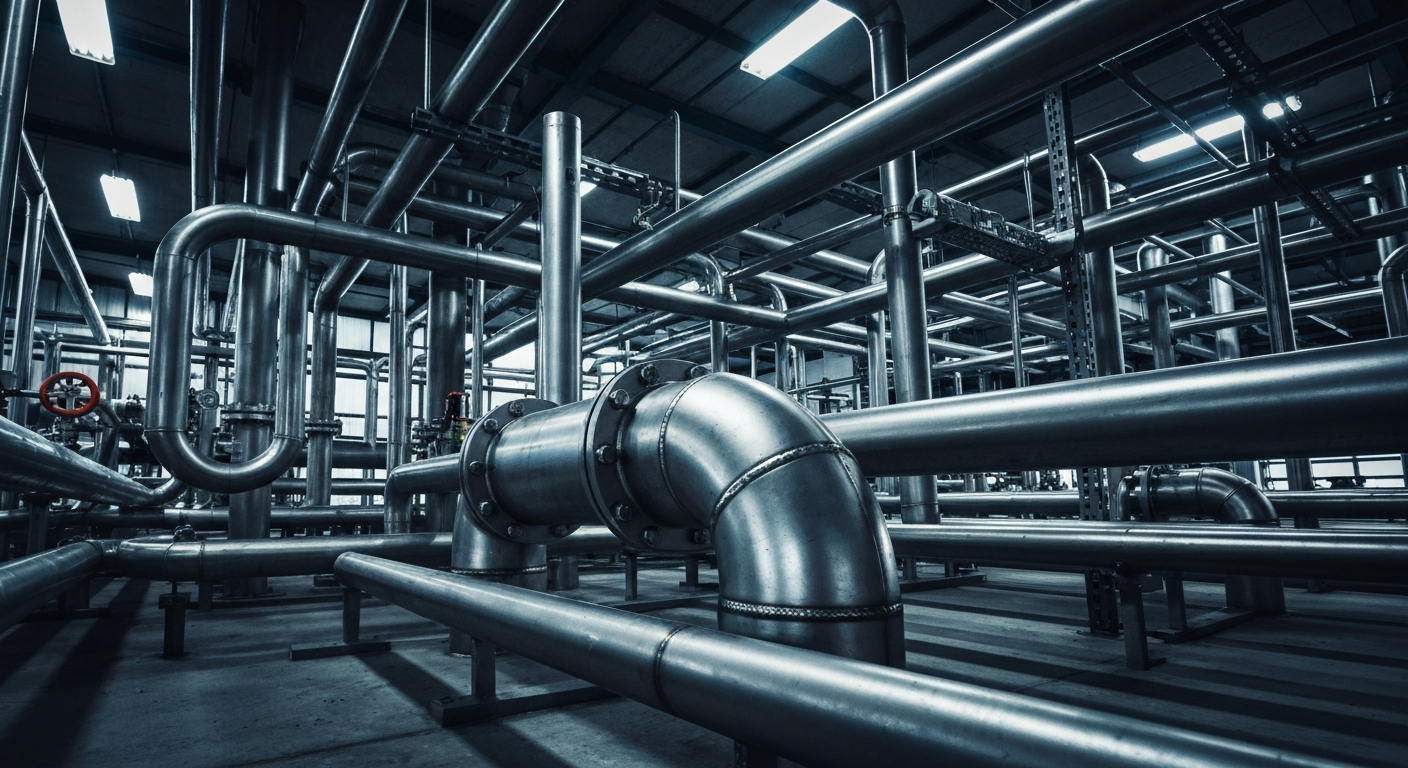
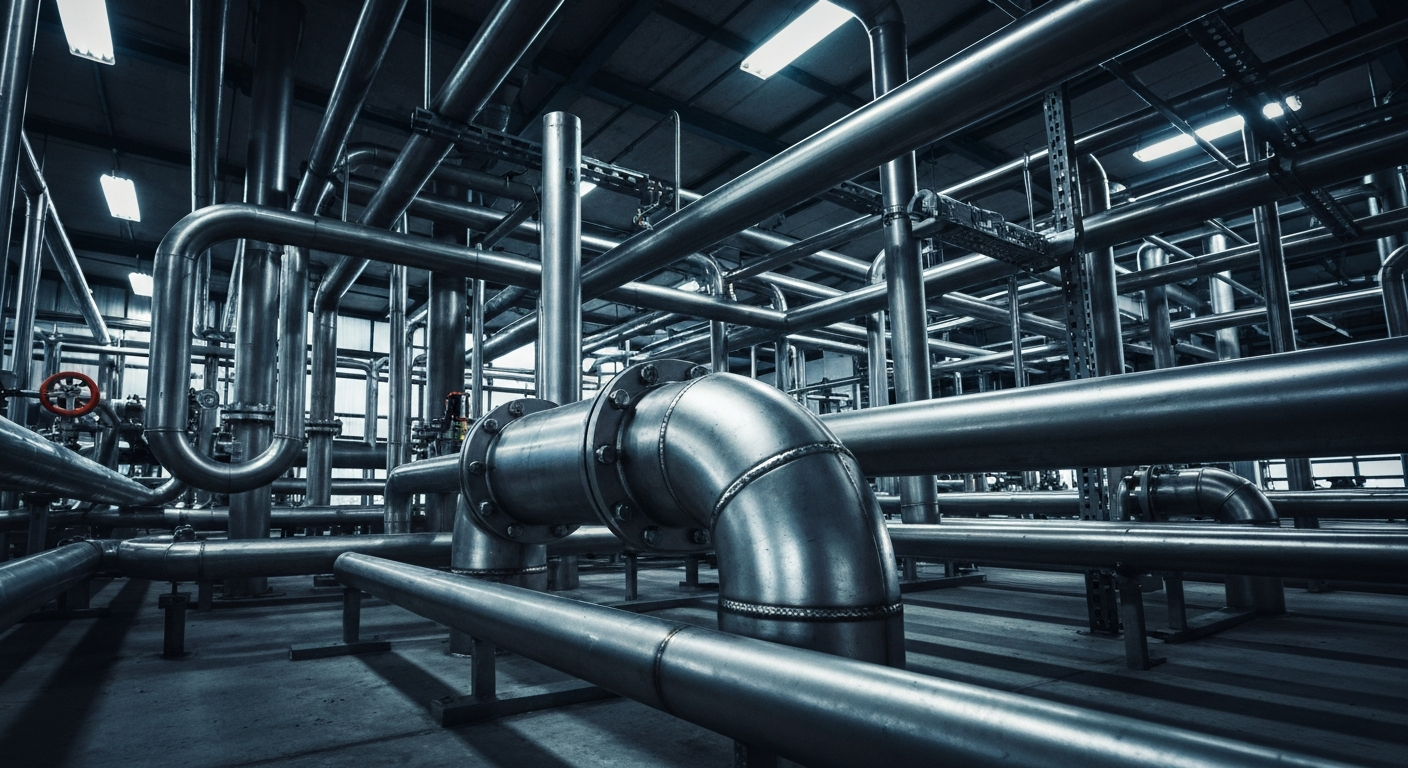
При создании надежного и долговечного промышленного трубопровода выбранные вами компоненты не менее важны, чем сама стальная труба. Тройник для трубы 316L является одним из основных элементов этой головоломки. Этот незаменимый тройник позволяет разделять или объединять потоки жидкости, создавая ответвления, которые очень важны для сложных систем. Являясь одним из самых универсальных фитингов для труб из нержавеющей стали, тройник 316L предлагает уникальное сочетание прочности, долговечности и устойчивости, что делает его лучшим выбором для бесчисленных применений.
Тройник для труб 316L выделяется среди стальных фитингов по нескольким важным причинам. Будучи сортом аустенитной нержавеющей стали, он имеет особый химический состав, который обеспечивает ему превосходные эксплуатационные характеристики. Буква “L” в слове 316L означает низкое содержание углерода, что является решающим фактором для сварных соединений.
Такое низкое содержание углерода минимизирует вредное выпадение карбидов во время сварки, сохраняя устойчивость тройника к коррозии. Это делает его очень надежным компонентом для систем, где целостность соединения имеет решающее значение. Давайте рассмотрим конкретные свойства, которые делают этот фитинг таким надежным.
Прочность аустенитной нержавеющей стали 316L обусловлена уникальным составом сплава. В него входят хром, никель и важнейший элемент - молибден. Добавление молибдена значительно повышает ее устойчивость к коррозии, особенно к воздействию хлоридов и других промышленных химикатов. Буква “L” указывает на низкое содержание углерода, обычно менее 0,035%. Это основное различие между нержавеющей сталью 316 и 316L, так как стандартная 316 может содержать до 0,08% углерода.
Механические свойства 316L также впечатляют. Она может похвастаться пределом прочности на растяжение около 515 МПа и пределом текучести 205 МПа. Это означает, что материал может выдерживать значительные нагрузки до деформации или разрушения, что делает его пригодным для использования в сложных условиях.
Благодаря такому сочетанию химической стойкости и физической прочности 316L является предпочтительным материалом для любых стальных трубных систем, требующих долговременной надежности. Он гарантирует, что ваши фитинги не станут слабым звеном в трубопроводе.
Одним из главных преимуществ использования фитингов из нержавеющей стали 316L является их исключительная долговечность. Этот материал обладает превосходной устойчивостью как к общей коррозии, так и к локальным воздействиям, таким как точечная и щелевая коррозия. Это особенно актуально в средах, содержащих хлориды, кислоты и другие агрессивные химические вещества, где менее прочные материалы быстро выходят из строя.
Такой высокий уровень коррозионной стойкости обеспечивает более длительный срок службы трубопроводной системы, сокращая расходы на обслуживание и время простоя. Материал также хорошо работает при повышенных температурах, сохраняя свою прочность и структурную целостность. Это делает его безопасным и надежным выбором для широкого спектра промышленных процессов.
Кроме того, тройники для труб из 316L могут использоваться в системах высокого давления. Они изготавливаются с расчетом на значительное усилие, при этом давление при испытаниях часто достигает 2,5 МПа, что гарантирует отсутствие утечек при соединении. Такая прочная конструкция делает их надежным компонентом для сложных систем.
При проектировании трубопроводной системы вам понадобятся подходящие компоненты. Тройники для труб 316L бывают разных типов для удовлетворения конкретных потребностей. Два основных функциональных типа - это равные и редукционные тройники, которые определяют направление потока.
Они также производятся в двух основных формах: в виде бесшовных тройников для труб из нержавеющей стали или в виде сварных тройников. Каждый тип, от тройника со сваркой встык до бесшовного тройника, имеет свои преимущества в зависимости от требований к давлению и бюджета проекта.
Самый главный выбор, который вам предстоит сделать, - это выбор между равным и редукционным тройником. Разница проста: равный тройник имеет три отверстия одинакового диаметра. Редукционный тройник, напротив, имеет отверстие ответвления, которое меньше, чем отверстия основной линии.
Равные тройники используются, когда нужно разделить поток на два равных или объединить два потока без изменения размера трубы. Редукционные тройники используются для создания ответвления с меньшим диаметром, что часто встречается в системах, распределяющих жидкости с разной скоростью потока.
Основные области применения тройников для труб 316L в промышленных системах включают:
Еще одним ключевым отличием является способ изготовления тройника. Разница между бесшовными и сварными тройниками для труб 316L заключается в процессе их изготовления. Бесшовный тройник изготавливается из цельного куска нержавеющей стали, который нагревается и формируется в форму тройника, часто с помощью процесса, подобного гидравлическому развальцовыванию. В результате получается фитинг без швов и сварных швов.
Сварной тройник, наоборот, изготавливается из отрезков трубы, которые вырезаются и свариваются вместе, образуя форму тройника. Несмотря на то что современные технологии сварки весьма совершенны, сварные фитинги неизбежно имеют швы, которые могут стать точкой напряжения в экстремальных условиях.
По этой причине бесшовные тройники часто предпочтительны для применения в условиях высокого давления или высоких нагрузок, поскольку их однородная структура обеспечивает большую механическую прочность и меньший риск разрушения. Сварные трубные фитинги - это экономичный и надежный вариант для многих стандартных применений, где давление и нагрузки не столь критичны.
Для обеспечения безопасности и совместимости тройники для труб 316L изготавливаются в соответствии со строгими промышленными стандартами. Такие организации, как ASTM International и Американское общество инженеров-механиков (ASME), разработали спецификации, которые регулируют материал, размеры и испытания каждого фитинга из сплава.
Эти стандарты гарантируют, что приобретенные вами компоненты труб из нержавеющей стали будут работать так, как ожидается. Соблюдение этих стандартов - это не только вопрос качества, но и безопасности, особенно в условиях высокого давления или опасных средах. Давайте рассмотрим некоторые из этих ключевых стандартов.
Наиболее распространенными стандартами, применяемыми к тройникам для труб из нержавеющей стали 316L, являются ASTM A403 и ASME SA403. Эта спецификация распространяется на фитинги из аустенитной нержавеющей стали для трубопроводов под давлением. В ней прописано все: от химического состава сплава до требуемых механических свойств. Стандарты размеров обычно регулируются ASME B16.9, что обеспечивает взаимозаменяемость фитингов разных производителей.
Эти стандарты также определяют необходимые испытания и маркировку трубопроводной арматуры. Например, каждый фитинг должен иметь маркировку с указанием названия производителя, марки материала, сортамента (толщины стенки) и теплового номера для отслеживания. Это гарантирует, что вы точно знаете, что устанавливаете.
Вот некоторые из основных характеристик, с которыми вы столкнетесь:
Технические характеристики | Описание |
|---|---|
ASTM A403 / ASME SA403 | Определяет свойства материала для деформируемых фитингов из аустенитной нержавеющей стали. |
ASME B16.9 | Устанавливает стандартные размеры для заводских фитингов для стыковой сварки. |
ASME B16.25 | Определяет подготовку концов для стыковой сварки. |
EN 10204 3.1 | Тип сертификата проверки, подтверждающий свойства материала. |
Тройники для труб 316L выпускаются в широком диапазоне размеров, что позволяет реализовать практически любой проект по производству труб из нержавеющей стали. Диапазон размеров обычно составляет от 1/2 дюйма до 48 дюймов в номинальном размере отверстия. Это позволяет использовать их во всех областях - от небольших лабораторных водопроводов до массивных промышленных трубопроводов.
Помимо диаметра, фитинги делятся на категории по графику, который обозначает толщину стенки. Толщина стенок может варьироваться от SCH 5S (очень тонкая) до SCH 160 и XXS (очень толстая). Необходимый тип определяется рабочим давлением и температурой системы. Более толстая стенка обеспечивает более высокое давление.
Как уже упоминалось, тройники для труб 316L хорошо подходят для применения в системах высокого давления. Производственные спецификации часто требуют проведения испытаний под давлением, чтобы убедиться, что фитинг может без проблем выдерживать давление 1,6 МПа и более. При выборе правильного сортамента, соответствующего требованиям вашей системы, этот фитинг обеспечивает надежное и прочное соединение.
Выбор правильного тройника для труб 316L имеет решающее значение для успеха вашего промышленного проекта. Процесс выбора выходит за рамки простого выбора марки материала. Необходимо учитывать специфические требования вашей системы, включая давление, температуру и тип транспортируемой жидкости.
Правильный выбор гарантирует, что фитинги для стальных труб прослужат вам долго и без утечек. Ключевыми факторами, которые необходимо учитывать, являются размер и график работы тройника, а также метод соединения, который вы планируете использовать.
Как определить подходящий размер тройника для труб 316L для вашего трубопроводного проекта? Подбор размера прост: номинальный размер трубы тройника должен соответствовать диаметру соединяемых труб. Для редукционного тройника необходимо указать размер основного и меньшего ответвления.
Выбор правильного диаметра тройника для трубы 316L - это более техническое решение. Общее правило заключается в том, что толщина стенки фитинга не должна быть меньше толщины стенки соединяемой стальной трубы. Необходимо учитывать рабочее давление и температуру в системе. Для систем с высоким давлением и высокой температурой требуется более высокий номер тройника, что соответствует более толстой стенке.
Для общего применения при температурах ниже 70°C при расчете необходимой толщины стенки часто используется коэффициент безопасности C=1,25. Для более ответственных применений или более высоких температур рекомендуется использовать более консервативный коэффициент безопасности C=1,5. Чтобы сделать правильный выбор, всегда обращайтесь к схемам проектирования трубопроводов и спецификациям системы.
После того как вы выбрали подходящий размер и график, необходимо рассмотреть способ соединения. Наиболее распространенными типами соединений для промышленных систем из нержавеющей стали являются сварка встык, муфтовая сварка и резьбовые соединения. Каждый метод имеет свой идеальный вариант использования.
Соединение встык - самое прочное и надежное. Оно предполагает приварку скошенных концов тройника непосредственно к концам трубы, создавая непрерывную, герметичную металлическую конструкцию. Это предпочтительный метод для трубопроводов высокого давления, высоких температур и ответственных применений. Каковы преимущества использования тройника для труб 316L, сваренного встык?
Фитинги с раструбной сваркой имеют углубление, куда вставляется труба перед сваркой, что облегчает выравнивание, но может привести к образованию небольшой щели. Резьбовые соединения удобны для систем низкого давления, которые могут потребовать демонтажа, но они более склонны к протечкам, чем сварные варианты.
Исключительные свойства фитингов из нержавеющей стали 316L делают их незаменимыми в самых разных отраслях промышленности. Их способность выдерживать агрессивные жидкости и высокое давление означает, что они являются оптимальным выбором для любых сложных трубопроводов, от химической обработки до производства продуктов питания.
Эти тройники используются для создания сложных сетей трубопроводов, позволяющих интегрировать клапаны, датчики и другое оборудование. Их надежность - залог безопасной и эффективной работы во многих критически важных отраслях.
В химической и нефтехимической промышленности тройники для труб 316L используются в основном для безопасного управления потоками агрессивных веществ. На этих объектах работают с кислотами, хлоридами и другими агрессивными химическими веществами, которые быстро разрушают менее прочные материалы. Превосходная коррозионная стойкость сплава 316L необходима для предотвращения утечек и обеспечения безопасности оборудования.
Эти стальные фитинги используются для создания сложных трубопроводных сетей, по которым сырье и готовая продукция транспортируются по всему заводу. Они позволяют инженерам разветвлять магистрали для подачи сырья в различные реакторы, резервуары и технологические установки.
Прочность 316L также означает, что она может выдерживать высокое давление и температуру, характерные для нефтехимических процессов. Такая надежность сводит к минимуму время простоя на ремонт, что очень важно в отрасли, где непрерывная работа имеет первостепенное значение.
Еще одна сфера применения тройников для труб из 316L - пищевая промышленность, производство напитков и фармацевтика. В этих отраслях гигиена является главным приоритетом. Нержавеющая сталь 316L - идеальный материал, поскольку она не вступает в реакцию и имеет гладкую, непористую поверхность, которую легко чистить и дезинфицировать. Это предотвращает рост бактерий и обеспечивает чистоту продукта.
На предприятиях по производству продуктов питания или напитков эти тройники используются для направления потока продукта от смесительных баков до линий розлива. Они также используются в системах очистки на месте (CIP), которые циркулируют моющие растворы по всей сети трубопроводов для поддержания санитарных условий.
В фармацевтической промышленности чистота конечного продукта также не подлежит сомнению. Отличная коррозионная стойкость фитингов из 316L гарантирует, что никакие загрязнения не просочатся из трубопровода в продукт, что делает этот материал надежным для производства безопасных и эффективных лекарств.
Хотя существует множество сортов нержавеющей стали, 316L часто выбирают за ее особые преимущества. При проектировании системы полезно сравнить этот сплав с другими вариантами, чтобы понять, почему он может быть лучшим выбором для ваших нужд. Основные различия часто сводятся к химическому составу и тому, как он влияет на производительность.
Наличие молибдена в серии 316 отличает ее от более распространенных марок, таких как 304. Это делает ее лучшим выбором для работы в коррозионных средах. Давайте подробнее рассмотрим, как 316L сопоставляется со своим близким родственником, 316.
В чем разница между тройниками для труб из нержавеющей стали 316 и 316L? Основное различие заключается в содержании углерода. Буква “L” в слове 316L означает “низкое содержание углерода”. Это, казалось бы, небольшое изменение имеет большое значение, особенно для сварных деталей.
Когда стандартная нержавеющая сталь 316 подвергается сварке, под воздействием высокой температуры углерод соединяется с хромом, образуя карбиды хрома на границах зерен. Этот процесс, известный как сенсибилизация, истощает запасы хрома в сплаве и снижает его коррозионную стойкость вблизи сварного шва. Поскольку 316L имеет очень низкое содержание углерода, эта сенсибилизация сведена к минимуму, что делает его гораздо лучшим выбором для сварных конструкций.
По этой причине 316L является предпочтительным сплавом для трубных фитингов, которые будут свариваться в систему, так как он сохраняет свою коррозионную стойкость после изготовления.
Недвижимость | Степень 316 | Марка 316L |
|---|---|---|
Содержание углерода (C) | 0,08% макс. | 0,035% макс. |
Свариваемость | Хорошо, но может потребоваться отжиг после сварки | Отличное качество, устойчивость к разрушению сварного шва |
Устойчивость к коррозии | Превосходно | Превосходно, особенно после сварки |
Совместимы ли тройники для труб 316L как с трубами, так и с трубами? Это большой вопрос, и ответ на него зависит от размеров. Хотя термины “труба” и “трубка” часто используются как взаимозаменяемые, они измеряются по-разному. Трубы обычно измеряются по номинальному внутреннему диаметру, а трубки - по точному наружному диаметру.
Поэтому фитинг для труб 316L предназначен для соединения с трубами того же номинального размера и диаметра. Он не будет напрямую совместим с трубами, если не использовать специальный адаптер. При планировании проекта очень важно, чтобы все компоненты - трубы и фитинги - были указаны в одной системе измерений.
Для идеальной совместимости всегда сопоставляйте марку материала (316L), номинальный размер трубы и номер сортамента используемых фитингов с трубами. Это гарантирует правильную посадку, надежное соединение и стабильную работу всей системы трубопроводов из нержавеющей стали.
Когда вам нужны высококачественные тройники для труб 316L для вашего проекта в Соединенных Штатах, выбор надежного поставщика является ключевым моментом. Сертифицированные фитинги гарантируют, что вы получите продукт, отвечающий всем необходимым отраслевым стандартам безопасности и производительности. Многие ведущие производители, в том числе в Индии и Европе, выпускают компоненты из нержавеющей стали для мирового рынка и имеют надежные дистрибьюторские сети в США.
Наиболее важным фактором является сертификация. Сертифицированный продукт поставляется с документами, подтверждающими его химический состав, механические свойства и соответствие стандартам ASTM и ASME. Эта документация - гарантия качества и прослеживаемости. Без него вы значительно рискуете целостностью своей трубопроводной системы.
Проверка сертификации и качества фитингов для стальных труб - важный этап в процессе закупки. Первое, на что следует обратить внимание, - это документация, прилагаемая к изделию. Поставщики с хорошей репутацией всегда предоставляют сертификат об испытании стана (MTC) или отчет об испытании материала (MTR) на свою продукцию.
Этот документ является “свидетельством о рождении” фурнитуры. В нем содержатся результаты химического анализа и механических испытаний, проведенных на конкретной партии, из которой был изготовлен ваш фитинг. Он подтверждает, что материал действительно является 316L и соответствует требованиям спецификации ASTM. Для дополнительной гарантии вы также можете ознакомиться с отчетами о проверке, проведенной третьей стороной.
Чтобы гарантировать качество и выбрать подходящий продукт для вашего проекта, всегда:
Где можно купить сертифицированные тройники для труб из нержавеющей стали 316L онлайн? Поиск надежного онлайн-поставщика требует небольшого исследования. Начните с поиска поставщиков, которые специализируются на промышленных трубах, клапанах и фитингах, поскольку они, скорее всего, понимают важность качества и сертификации.
Сайт надежного поставщика будет прозрачным и информативным. На нем должны быть представлены подробные технические характеристики продукции, включая марки материалов, применимые стандарты, диапазоны размеров и доступные графики. Ищите поставщиков, которые прямо указывают, что их продукция имеет полную сертификацию, например, сертификат MTC или EN 10204 3.1.
При проверке потенциального онлайн-поставщика учитывайте эти советы:
В заключение следует отметить, что тройники для труб 316L являются незаменимыми компонентами при создании прочных и надежных трубопроводных систем в различных отраслях промышленности. Их уникальные свойства, такие как исключительная долговечность и коррозионная стойкость, делают их идеальными для использования в таких сложных условиях, как химическая обработка и фармацевтика. Понимание различных типов тройников для труб 316L, включая равнопроходные и редукционные, позволяет лучше планировать и выполнять проекты. Кроме того, знание того, как приобрести сертифицированную продукцию, гарантирует, что вы инвестируете в качественные материалы для своих приложений. Если вы готовы усовершенствовать свои трубопроводные системы с помощью надежных решений, не стесняйтесь связаться с нами и изучить лучшие варианты для ваших нужд!
Да, тройники для труб 316L отлично подходят для систем высокого давления. Благодаря прочным свойствам материала и изготовлению в соответствии со строгими стандартами ASME они способны выдерживать значительные усилия. Если выбрать фитинг с соответствующим графиком (толщиной стенки) для трубы из нержавеющей стали, такой тройник обеспечит надежное и безопасное соединение.
Чтобы выбрать правильный график, необходимо подобрать толщину стенки тройника к толщине стенки стальной трубы. Это решение основывается на рабочем давлении и температуре вашей системы. Для обеспечения безопасности и надлежащей работы системы при более высоких давлениях и температурах требуется более высокий номер графика (более толстая стенка).
Да, тройники для труб 316L, сваренные встык, обычно считаются лучшим вариантом для долгосрочной эксплуатации. Процесс сварки встык создает прочную, непрерывную структуру, которая является неотъемлемой частью трубопровода. Этот тип соединения очень устойчив к протечкам и отлично работает при высоких нагрузках, давлении и вибрациях.