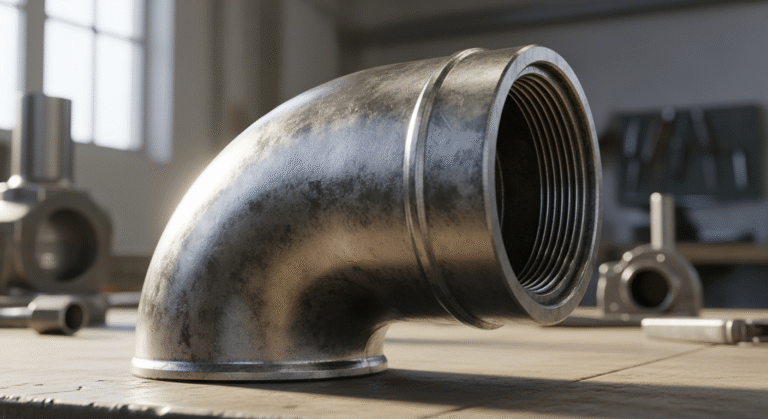
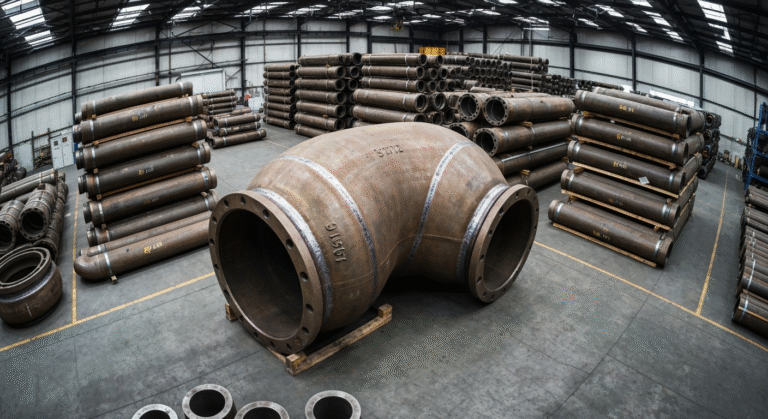
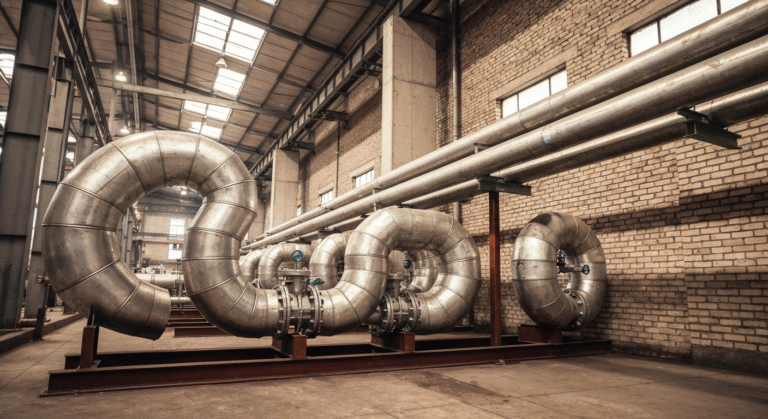
Fornecer produtos de alta qualidade para acessórios para tubos
Melhor parceiro de grossistas de acessórios para tubos, acessórios para tubos em stock, email sales@hfittings.com para mais detalhes


Are you looking for a dependable way to connect pipes, valves, and other equipment in your piping system? An aluminum flange is an excellent solution. These components are essential for creating secure, leak-proof joints in various industrial and commercial applications. Unlike traditional materials, aluminum offers a unique combination of being lightweight and having fantastic corrosion resistance. This ensures the long-term durability and efficiency of your entire system, making it a smart and reliable choice for modern engineering projects.
Finding the right supplier is just as important as choosing the right flange. In the United States, leading suppliers are known for their extensive inventory and commitment to strict quality control. They provide a wide range of aluminum alloy products that ensure reliable connections for any project, from HVAC systems to complex industrial pipelines.
Many of these top companies have a robust supply network and offer easy purchasing through online platforms. This makes it simple to find and order the exact parts you need. In the following sections, we will explore what makes these suppliers stand out, from their reputation for quality to their efficient distribution channels.
Major industry players in the aluminum flange market offer more than just standard parts; they provide comprehensive solutions. These aluminum suppliers have advanced manufacturing capabilities, including forging, casting, and CNC machining, to produce high-quality components for piping, ductwork, and structural applications. Their product lines often include everything from standard pipe flanges for connecting valves to large-diameter, custom-forged rings for heavy industry.
This versatility allows them to serve a wide array of sectors, including aerospace, marine, and chemical processing. Whether you need a simple slip-on flange or a complex, high-strength forged part, these companies have the technology and expertise to deliver. They can create flanges in various aluminum alloys to meet specific performance requirements.
The price for standard aluminum flanges can vary widely depending on the size, pressure class, and alloy. For accurate pricing, it is always best to contact a supplier directly for a quote based on your project’s specific needs.
A supplier’s reputation is built on the quality and reliability of its products. The best aluminum flange manufacturers adhere to strict quality control processes from start to finish. This ensures that every piece they produce meets precise specifications for dimensional accuracy, material integrity, and surface finish, resulting in long-term durability.
To guarantee performance, these suppliers manufacture flanges that comply with major international standards. When you are purchasing, what standards or certifications should you look for? It’s important to seek out products that meet ASME, ANSI, DIN, and EN standards. This certification confirms that the flanges are designed and tested for reliable service in their intended applications.
Furthermore, reputable companies will provide material test reports, such as an EN 10204 3.1 certificate, to verify the chemical composition and mechanical properties of the aluminum alloy. This documentation gives you peace of mind that you are receiving a high-quality, reliable product.
The availability of products when you need them is crucial for keeping your project on schedule. Leading aluminum flange suppliers have established an extensive supply network and efficient distribution channels to serve customers across the country. They maintain large inventories of standard-sized flanges, ensuring quick shipping for common orders.
Their distribution systems are designed to cater to various industries, from construction and HVAC to marine and petrochemicals. This widespread reach ensures that whether your project is large or small, you can get the components you need in a timely manner. This reliability is a key factor that sets top suppliers apart from the competition.
Wondering where you can buy aluminum flanges online? Most major suppliers now have user-friendly websites where you can browse their product catalogs, view specifications, and request quotes. Many even allow for direct online purchasing, streamlining the procurement process and making it easier than ever to source high-quality flanges.
When comparing materials for your piping system, the advantages of aluminum flanges are hard to ignore. Their most notable benefits include superior corrosion resistance and a lightweight design, which simplifies installation and reduces structural load. These properties ensure you can create a tight seal that lasts.
Compared to their stainless steel counterparts, aluminum flanges often provide a more cost-effective and practical solution for a wide range of applications. Let’s examine some of these key advantages in more detail, including their longevity, installation benefits, and cost-competitiveness.
One of the greatest strengths of aluminum is its excellent corrosion resistance. Aluminum naturally forms a thin, tough layer of oxide on its surface that protects the metal from moisture and many chemicals. This self-healing barrier prevents rust and degradation, ensuring remarkable longevity and durability, especially in harsh conditions.
So, can aluminum flanges be used outdoors or in corrosive environments? Yes, they are perfectly suited for such applications. Their ability to resist corrosion makes them a top choice for marine environments, chemical processing plants, and outdoor structural projects where steel might fail over time.
This inherent resistance translates to several key benefits for your project:
What are the advantages of aluminum flanges compared to stainless steel flanges? A major one is weight. Aluminum is approximately one-third the weight of steel, which offers significant benefits during installation. This weight reduction makes the flanges much easier and safer for workers to handle and position.
The lightweight nature of aluminum also reduces the overall load on your piping system and supporting structures. This can lead to cost savings in other areas of your project, as less robust supports may be needed. Easy installation means your project can move forward more quickly and efficiently.
Here are some of the practical benefits of this lightweight design:
While the initial material cost of aluminum and stainless steel can fluctuate, aluminum flanges often present a better overall value. The cost competitiveness of aluminum stems from more than just the price of the material itself. The lightweight design reduces shipping and labor costs, contributing to a lower total installation expense.
Furthermore, aluminum’s superior corrosion resistance can lead to significant long-term savings by minimizing maintenance and replacement needs. When you factor in the entire lifecycle of the product, aluminum is frequently the more economical choice. The price range for standard aluminum flanges will vary based on size, alloy, and pressure rating, so getting a specific quote is always recommended.
Here is a general comparison:
Caraterística | Aluminum Flanges | Stainless Steel Flanges |
|---|---|---|
Initial Cost | Generally lower to comparable | Often higher |
Installation Cost | Lower due to lightweight design | Higher due to heavier weight |
Maintenance Cost | Lower due to corrosion resistance | Can be higher in some environments |
Longevidade | Excellent in many applications | Excellent, especially high temps |
Suppliers offer a wide selection of aluminum flanges to meet the demands of various applications. The type you choose will depend on factors like your system’s pressure, the connection method, and whether the line may need future maintenance. Common options include aluminum blind flanges, weld neck flanges, and slip-on flanges.
Each type is designed for a specific purpose, from permanently sealing a pipe to allowing for easy disassembly. Understanding the differences is key to selecting the right component for your project. We’ll now look at some of the most popular types and their typical uses.
Aluminum blind flanges are essential components for safely closing off the end of a pipeline, valve, or pressure vessel opening. These solid discs have no bore and are bolted in place with a gasket to create a tight seal. Their primary function is to terminate a piping system or to isolate a section for maintenance or pressure testing.
The design of blind flanges allows for easy access to a line once the bolts are removed. This makes them ideal for applications where future modifications or inspections may be necessary. They are available in various sizes and pressure ratings to match the specifications of the rest of your system.
Can aluminum blind flanges withstand outdoor and corrosive conditions? Absolutely. Thanks to aluminum’s natural corrosion resistance, these flanges are highly durable and reliable for use in outdoor, marine, and chemical environments, providing a secure and long-lasting seal against the elements.
Weld neck and slip-on flanges are two of the most common types of pipe fittings used to connect pipes. Slip-on flanges are a popular, cost-effective choice for low-pressure applications. They slide over the end of the pipe and are then secured with two fillet welds—one on the inside and one on the outside—providing a sufficient connection for many systems.
For more demanding applications, weld neck flanges are the preferred option. They feature a long, tapered hub that is butt-welded directly to the pipe, creating a seamless and incredibly strong joint. This design transfers stress from the flange to the pipe itself, making it ideal for high-pressure, high-temperature, or high-vibration environments and ensuring reliable connections.
When selecting between these, consider your system’s operating conditions. For choosing the correct size of aluminum flange for your pipe, you must match the flange’s nominal pipe size and pressure class to your pipe’s specifications.
In situations where welding is impractical or not permitted, threaded flanges offer an excellent alternative. These flanges have threads machined into the bore that match the external threads of a pipe. This allows for a quick and easy mechanical connection without the need for welding, simplifying both assembly and disassembly.
Socket weld flanges provide another strong, welded connection, particularly for smaller-diameter pipes in high-pressure service. The pipe is inserted into a socket on the flange and then fillet-welded around the top. This creates a smooth bore and a robust, leak-proof joint that is stronger than a standard slip-on connection.
The versatility of these options makes aluminum flanges suitable for nearly any project. So, how do you install an aluminum pipe flange securely? For threaded flanges, proper tightening is key, while socket weld flanges require a high-quality fillet weld to ensure a durable and safe connection.
Getting the sizing and material selection right is critical for the safety and performance of your entire piping system. You must carefully consider your project’s specifications, including operating pressure, temperature ratings, and the media flowing through the pipes. Choosing the correct aluminum alloy and flange dimensions ensures a secure fit and long-lasting service.
Selecting the right flange material is not just about performance but also about compliance with industry standards. Let’s review how to choose the right size for your needs and explore the common aluminum alloys used in flange manufacturing.
How do you choose the correct size of aluminum flange for your pipe? Selecting the right size involves more than just matching the pipe’s diameter. It requires a careful review of your system’s technical specifications to ensure a safe and leak-free connection. These pipe fittings come in various sizes and classes to fit different needs.
Failing to choose the correct size can lead to connection failures, leaks, and potential safety hazards. Always cross-reference your project requirements with the supplier’s technical data sheets to confirm that the flange you select is appropriate for the intended service.
To ensure you choose the right size, consider the following:
The type of aluminum alloy used in a flange determines its key characteristics, such as strength, corrosion resistance, and weldability. What types of aluminum alloys are commonly used for making flanges? Suppliers offer several options, each suited for different environments. The choice of alloy is a critical decision that impacts the durability and performance of your connection.
For example, the 6061 alloy is a versatile, all-purpose choice known for its good strength and weldability. For applications requiring very high strength, such as in aerospace, the 7075 alloy is often used. In marine environments, alloys like 5083 and 5086 are preferred for their excellent resistance to saltwater corrosion. Some alloys also offer excellent thermal conductivity.
Below is a table outlining some common alloys and their uses:
Aluminum Alloy | Key Properties | Aplicações comuns |
|---|---|---|
6061 | Good strength, weldability, corrosion resistance | Structural components, pipe fittings |
7075 | Very high strength, good fatigue resistance | Aerospace, high-stress parts |
5083 / 5086 | Excellent corrosion resistance in saltwater | Marine, shipbuilding, chemical |
3003 | Good workability and corrosion resistance | HVAC ductwork, general sheet metal |
In summary, selecting the right aluminum flange supplier is crucial for ensuring quality and reliability in your projects. With numerous options available, it’s vital to consider factors such as reputation, distribution networks, and the specific types of aluminum flanges they offer. The advantages of aluminum flanges, including their corrosion resistance, lightweight nature, and cost-effectiveness, make them a superior choice for many applications. By understanding the sizing and material selection processes, you can make informed decisions that enhance the performance and longevity of your installations. For a seamless experience in sourcing aluminum flanges, don’t hesitate to reach out to trusted suppliers who can meet your project’s unique needs. Get started today by contacting us for more information!
Yes, certain aluminum flanges are well-suited for high-pressure service. Forged weld neck flanges made from a high-strength aluminum alloy, like 7075, provide exceptional durability and create a reliable, tight seal. Their design effectively transfers stress to the pipe, making them a dependable choice for demanding applications where both strength and lightweight properties are needed.
Before purchasing, ensure the flanges meet key international standards like ASME B16.5 or ANSI. It is also important to request a material certification, such as an EN 10204 3.1 certificate, from your supplier. This documentation verifies the flange’s material composition and confirms it has passed strict quality control tests.
Absolutely. Aluminum blind flanges are highly durable and perform exceptionally well in outdoor and corrosive environments. Thanks to aluminum’s excellent corrosion resistance, these flanges resist rust and degradation from moisture and chemicals. This makes them a reliable, low-maintenance choice for sealing pipelines in marine, chemical, and outdoor settings.