고품질 파이프 피팅 제품 제공
파이프 피팅 도매업자의 최고의 파트너, 파이프 피팅 재고, 이메일 sales@hfittings.com 자세한 내용은 sales@hfittings.com

Here’s a quick look at what we’ll cover in this guide:
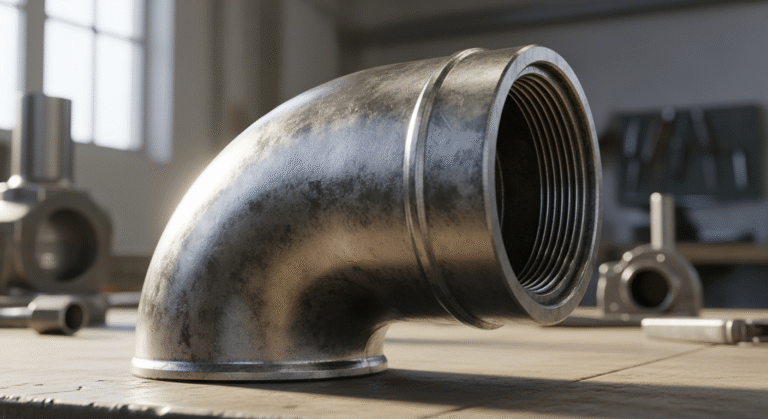
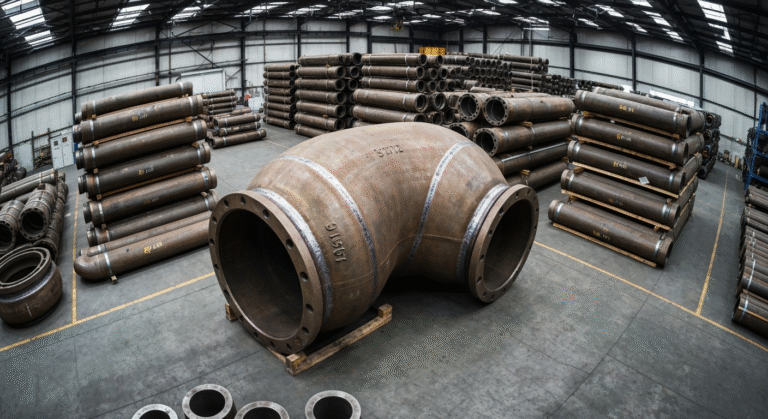
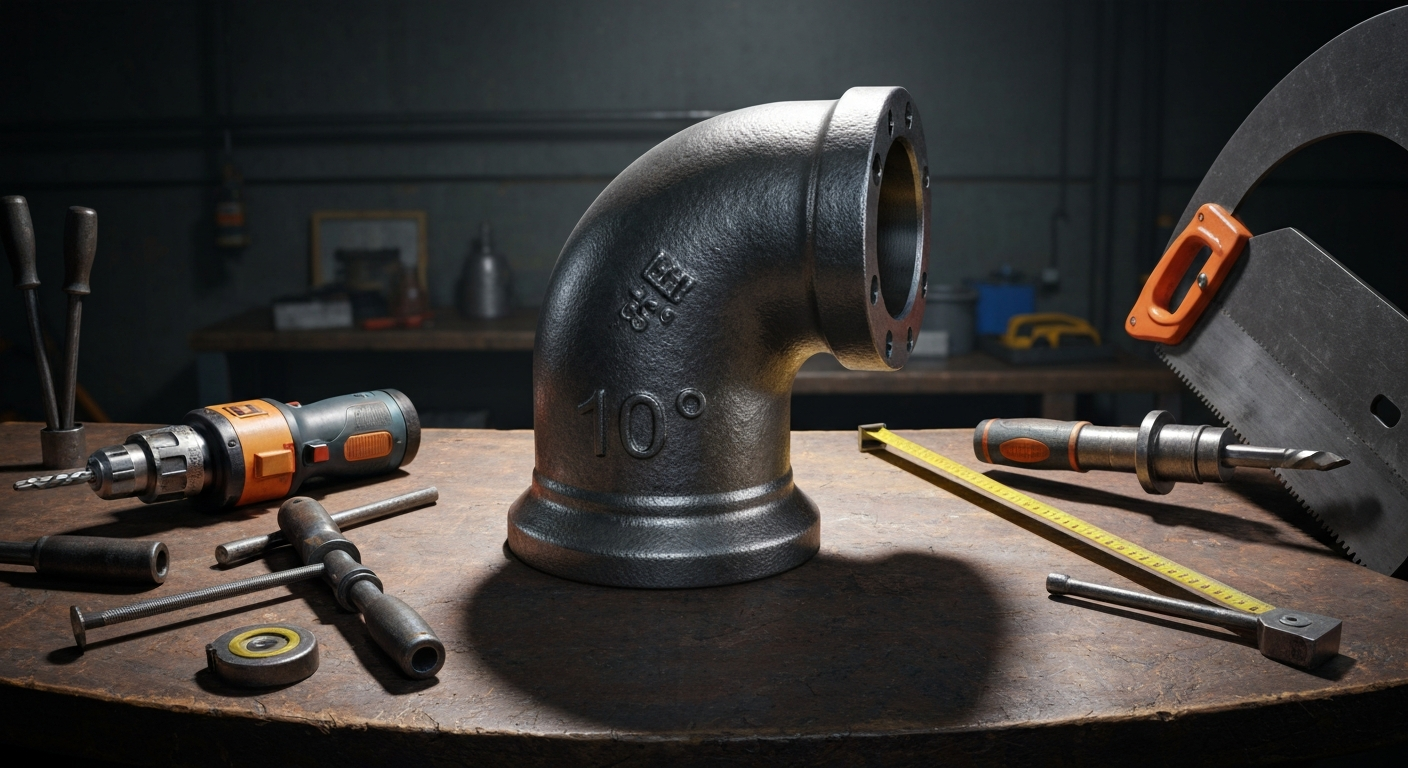
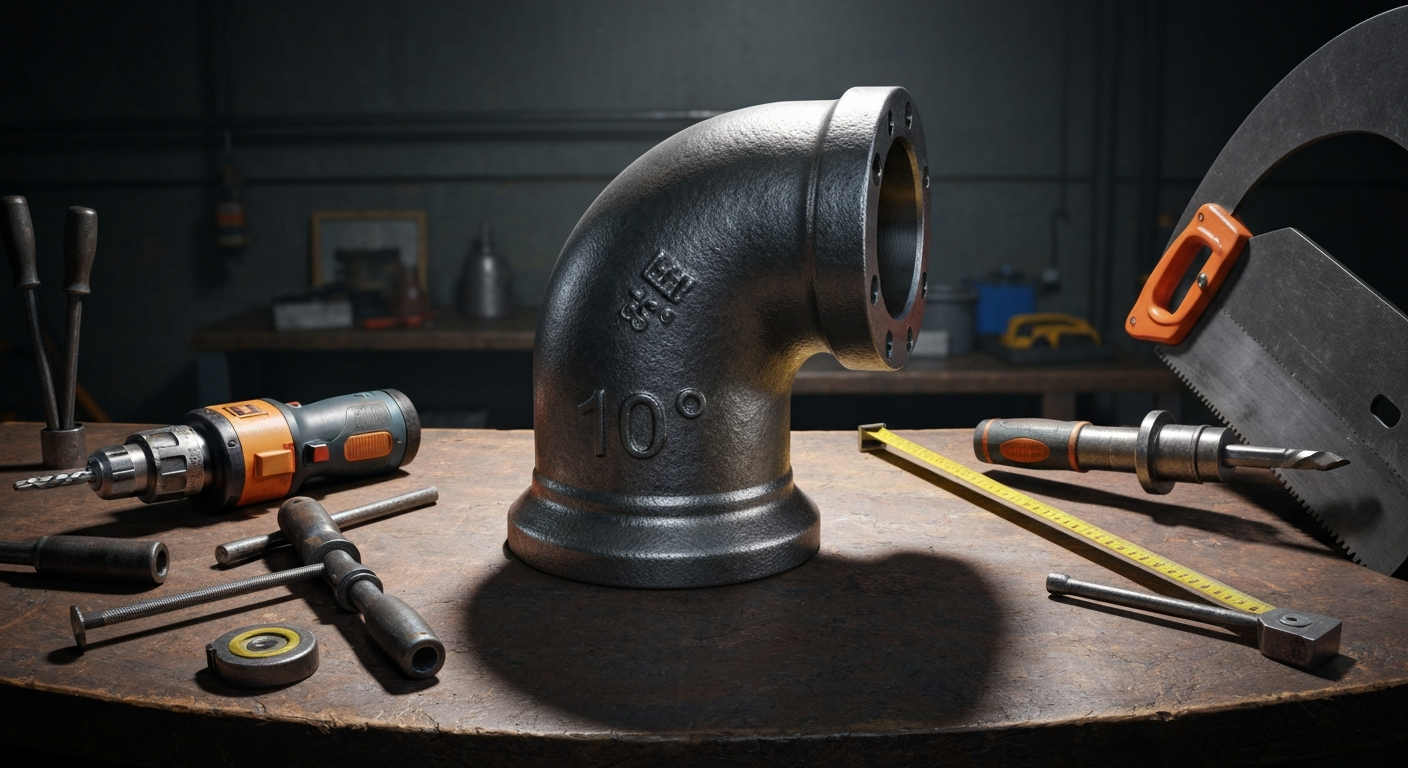
Welcome to your guide on installing a 10-inch carbon steel 45-degree elbow! If you need to change the direction of a pipeline, this is the fitting for you. A 45-degree pipe elbow is a crucial component used to connect two pipes and create a 45-degree turn in your system. These carbon steel fittings are valued for their strength and durability, especially in demanding industrial environments. In this post, we will walk you through the key details you need for a successful installation, including shipping options.
To ensure quality when purchasing a 10-inch carbon steel 45-degree elbow, look for fittings that comply with industry standards, such as ASME or ASTM specifications. It’s important to buy from reputable suppliers who provide material certificates and thorough inspection reports. Make sure the elbow is free of defects, has consistent wall thickness, and features a reliable weld or seamless construction to guarantee performance in your application.
Getting the right specifications for your project is critical. For 10-inch carbon steel pipe fittings and tubing, this means paying attention to details like dimensions, wall thickness, and material grade. These factors determine the fitting’s ability to handle pressure and temperature, ensuring the safety and efficiency of your pipeline.
Understanding the governing standards is just as important. Industry standards like ASME and ASTM, including WPHY, ensure that the butt weld fittings you purchase are uniform and reliable. They provide a common language for manufacturers and users, guaranteeing quality and compatibility. Let’s look closer at what these specifications and standards mean for your elbow.
When you see terms like “dimensions,” “schedule,” and “wall thickness,” they all relate to the physical size and strength of the elbow, including the actual product specifications. The dimensions ensure the fitting matches your pipe, while the wall thickness is crucial for handling internal pressure. A thicker wall means the fitting can withstand higher pressures.
The pipe schedule number is a standardized way to define the wall thickness. A higher schedule number indicates a thicker wall. For example, a schedule 80 elbow has a thicker wall than a schedule 40 elbow. The “STD wall” designation refers to the standard weight or standard wall thickness, which is often the same as schedule 40 for many pipe sizes.
Choosing the correct pipe schedule is vital for system integrity. It ensures your fittings can safely manage the operational pressures without risk of failure. Here are some common ANSI schedule designations you might encounter:
Schedule Designation | 설명 |
|---|---|
SCH 10S, 20S, 40S, 80S | Common schedules, with wall thickness increasing with the number. |
STD | Standard wall thickness, often equivalent to SCH 40. |
XS | Extra Strong, indicating a thicker wall than STD. |
XXS | Double Extra Strong, for very high-pressure applications. |
To ensure your pipe fittings, including tee fittings, are reliable, they must conform to specific industry standards. Two of the most important ones for carbon steel elbows are ASME B16.9 and ASTM A234. These standards help guarantee that your fittings will perform as expected.
The ASME B16.9 standard covers the overall dimensions for factory-made butt-welding fittings, including elbows and stub ends. This ensures that a 10-inch, 45-degree elbow from any certified manufacturer will have the same dimensions, making it interchangeable and easy to design with.
ASTM A234 is the standard specification for wrought carbon steel and alloy steel fittings for moderate and high-temperature service. The “WPB” part refers to one of the most common material grades under this standard. “W” stands for weldable, “P” for pressure, and “B” is the grade of steel, indicating a minimum tensile strength. Choosing an ASTM A234 WPB elbow means you are getting a quality, pressure-rated carbon steel fitting, which can also be complemented by stainless steel buttweld options for enhanced durability.
Not all 45-degree carbon steel elbows are the same. The primary difference lies in their radius, which leads to two main types: Long Radius (LR) and Short Radius (SR) elbows. The choice between an LR elbow and an SR elbow depends on the specific needs of your piping system, such as available space, flow requirements, and the integration of components like a valve.
While carbon steel, which has high carbon content, is the most common material, you can also find these pipe fittings in stainless steel and alloy steel for applications requiring higher corrosion resistance. Each type has distinct characteristics that make it suitable for different industrial uses. Let’s explore the differences between these elbow types and where they are used.
The main distinction between a Long Radius (LR) and a Short Radius (SR) pipe elbow is the curvature of the bend. A long radius elbow has a curve radius that is 1.5 times the nominal pipe size, while a short radius elbow has a radius equal to the nominal pipe size, often referred to as WP specifications. This seemingly small difference has a big impact on performance.
Because of its gentler turn, an LR elbow creates less turbulence and friction in the fluid flow. This results in a lower pressure drop, making it the preferred choice for most applications, especially in high-flow-rate pipelines like those connected to a heater.
In contrast, an SR elbow has a much sharper turn. While this increases friction, it is extremely useful in tight spaces where an LR elbow simply won’t fit, particularly when connecting to copper pipes.
You will find 10-inch carbon steel 45-degree elbows used across numerous industries, thanks to their strength and reliability. As a leading distributor of pipe fittings and email inquiries from manufacturing hubs like India, we see these components used extensively in Singapore’s robust industrial sector for new projects and pipeline repair.
These elbows are particularly vital in systems that operate under high pressure and high temperature. Their ability to handle demanding conditions makes them indispensable in many critical applications. They provide a secure and efficient way to route pipelines while managing flow direction.
Common applications include:
In summary, installing a 10 inch carbon steel 45 degree elbow and supporting flanges requires careful consideration of key specifications, types, and standards. Understanding the differences between long radius and short radius elbows, as well as their specific applications, is essential for ensuring optimal performance in piping systems. By following the guidelines outlined in this installation guide, you can achieve reliable and efficient results. Remember, a well-installed elbow and properly fitted flanges can significantly enhance the overall integrity of your piping system. If you have any further questions or need assistance with your installation, feel free to reach out for support!
A 10-inch carbon steel elbow is typically installed using a butt weld. During installation, the beveled ends of the elbow and the pipe are aligned and welded together. This process creates a strong, continuous, and leak-proof joint, making butt weld fittings the standard for high-pressure and critical applications, contrasting with socket weld fittings used in other contexts.
Schedule 40 (SCH 40) refers to a specific wall thickness for a 10-inch carbon steel elbow. This pipe schedule designation is a standard measure that determines the fitting’s strength and its pressure-holding capacity. For many pipe fittings, Schedule 40 is considered the standard wall thickness (STD) and is often produced in compliance with ISO standards.
To determine the proper size for a pipe elbow, you must match it to the Nominal Pipe Size (NPS) of the steel pipe you are connecting. For example, a 10-inch 45-degree elbow, formed by hot pressing, is designed to connect to a pipe with a 10-inch diameter. A correct size match is essential for a proper fit and weld.
To work out a 45° fitting takeoff for a 10 inch carbon steel 45 degree elbow, measure the distance from the center of one pipe to the center of the other. Use the formula: takeoff = 0.5 x diameter x 1.414. This ensures proper alignment and fit during installation.