고품질 파이프 피팅 제품 제공
파이프 피팅 도매업자의 최고의 파트너, 파이프 피팅 재고, 이메일 sales@hfittings.com 자세한 내용은 sales@hfittings.com

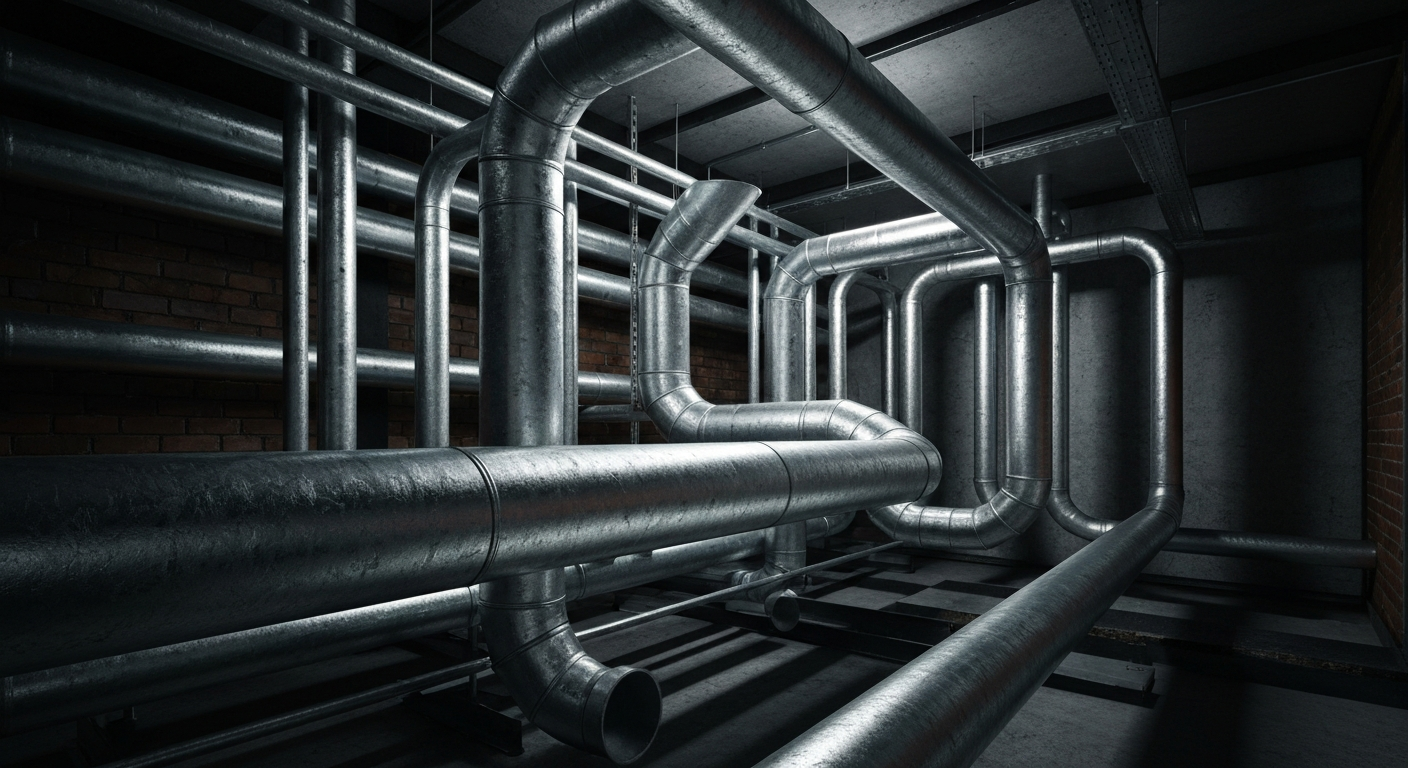
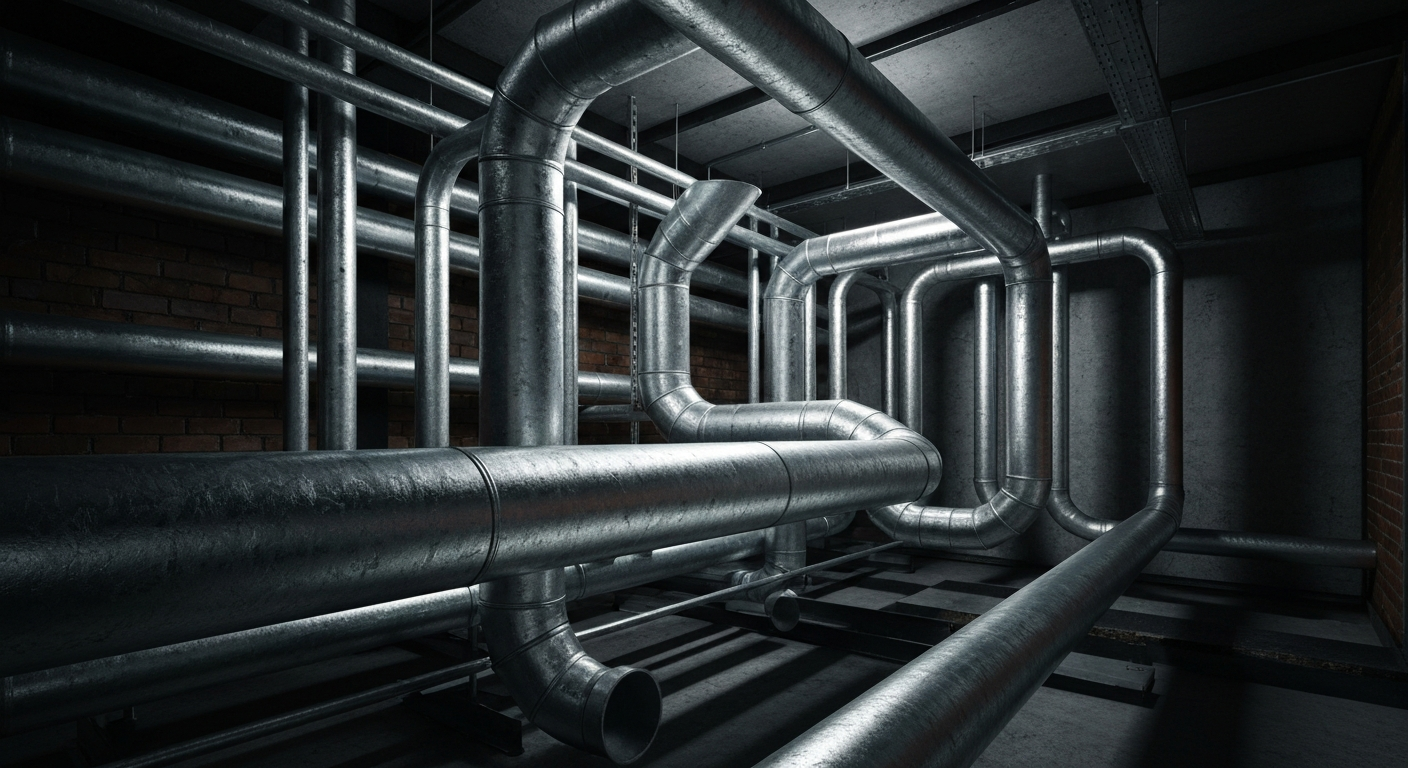
Have you ever wondered about the sturdy, metallic pipes used in everything from plumbing to outdoor railings? There’s a good chance you’re looking at galvanized pipe. This material is simply steel that has been coated with a layer of zinc to protect it from rust and corrosion. For many years, it was the top choice for plumbing in homes across the country. In this guide, we’ll explore the benefits, common uses, and essential tips for working with galvanized pipe for your next project.
Galvanized steel pipes are a foundational material in both plumbing and construction. They are standard steel pipes that have been fortified with a coating of zinc, a process that shields them from the damaging effects of rust and moisture. This simple but effective treatment significantly extends their lifespan.
Because of their strength and durability, these pipes have been used for a wide range of applications for over a century. Let’s look closer at what makes a pipe “galvanized” and where you are most likely to find it.
The term “galvanized” refers to a specific process designed to protect steel from corrosion. To create galvanized steel pipes, standard steel pipes are submerged in a bath of molten zinc. This hot-dip process creates a bonded protective zinc coating over the entire surface of the pipe, inside and out.
This zinc coating acts as a sacrificial layer. If the pipe gets scratched or exposed to the elements, the zinc corrodes first, protecting the steel underneath. This barrier is what gives galvanized pipe its signature durability and resistance to rust, making it different from untreated steel or black pipe.
It is worth noting that in pipes made between 1880 and 1960, the zinc used for the coating was naturally sourced and could contain impurities like lead. This is a key reason why modern alternatives are now often preferred for drinking water lines.
Thanks to their strength and resistance to corrosion, galvanized steel pipes have been a versatile choice for many projects. For decades, they were the standard for residential water supply lines, particularly in homes built before 1960. You can still find them in many older properties today.
Beyond plumbing, their durability makes them ideal for outdoor and structural uses where exposure to weather is a concern. The zinc coating helps them withstand rain and humidity without quickly succumbing to rust, making them a practical material for long-lasting structures.
가장 흔한 응용 분야로는 다음과 같은 것들이 있습니다:
When selecting materials for a project, the benefits of galvanized steel pipes often make them a compelling option. The primary advantage comes from the protective zinc coating, which offers superior defense against rust and corrosion compared to untreated steel. This inherent durability means a longer service life for your installation.
Whether you’re focused on budget or long-term reliability, galvanized pipe presents a strong case. Next, we will examine how its corrosion resistance and cost-effectiveness make it a practical choice for various applications.
The standout feature of galvanized pipe is its exceptional ability to resist corrosion. The protective zinc coating creates a barrier between the steel and its environment. This shield prevents moisture and oxygen from reaching the steel, effectively stopping rust before it can start.
This protection translates directly to impressive durability. Galvanized pipe has a very long lifespan, often lasting anywhere from 40 to 100 years, depending on the environment and what it carries. This makes it a reliable material for applications where strength and longevity are critical.
Even if the surface is scratched, the zinc around the damaged area continues to offer protection. This “sacrificial” nature of the coating ensures the pipe remains structurally sound for a much longer period than untreated steel would.
For many builders and homeowners, budget is a key factor. Galvanized pipe delivers excellent long-term performance without a high upfront cost, making it a very cost-effective solution. Its initial price is often lower than materials like copper, providing an affordable yet durable option for plumbing and construction.
The true value becomes even more apparent over time. Because of its resistance to rust and long lifespan, you won’t need to worry about frequent replacements or repairs. This reliability reduces maintenance costs and ensures the system performs as expected for decades.
This combination of an accessible price point and dependable long-term performance makes galvanized pipe a smart investment for projects where you need a material that is both tough and economical.
Selecting the correct galvanized pipe is crucial for the success and safety of your project. You will need to consider factors like the pipe’s diameter, wall thickness (or schedule), and the specific fittings required to connect everything. The right choice depends entirely on the demands of your application, whether it’s for a low-pressure water line or a structural frame.
To make the best decision, it helps to understand the common sizes available and how galvanized pipe compares to other materials on the market. These details will ensure your installation is both efficient and durable.
Galvanized steel pipes are available in a wide variety of sizes to suit different plumbing and construction needs. Diameters typically range from small 1/2-inch pipes for residential plumbing to large 2-inch pipes or bigger for major water lines or structural uses. These pipes are often sold in pre-cut lengths for convenience.
A pipe’s “schedule” refers to its wall thickness. Schedule 40 is a common standard, offering a good balance of strength and interior flow capacity for most general applications. The pipes also feature threaded ends, typically NPT (National Pipe Thread), which allow for easy connection using various fittings.
You can find a range of fittings designed to work with galvanized pipes to create complex layouts. Here are some of the most common types:
구성 요소 | Common Examples |
|---|---|
파이프 직경 | 1/2-inch, 3/4-inch, 1-inch, 2-inch |
일정 | Schedule 40 (most common) |
피팅 | 90-degree elbows, Tees, Couplings, Plugs |
Threading | NPT (National Pipe Thread) |
When planning a plumbing project, it’s helpful to know how galvanized pipe stacks up against other common materials like copper and plastic (PVC or PEX). Each has distinct properties that make it suitable for different situations.
Galvanized steel is known for its strength and rigidity, but it is susceptible to internal corrosion over many years. In contrast, copper and plastic pipes are now more widely used for water supply lines because they do not rust internally. A simple test can help you identify which pipes you have.
다음은 간단한 비교입니다:
Working with galvanized pipe requires the right techniques to ensure a secure, leak-free installation. Proper handling, cutting, and joining are essential for both safety and the long-term integrity of your plumbing or structure. Likewise, knowing how to maintain your pipes can help you spot issues before they become major problems.
Whether you’re putting in a new line or repairing an old one, following best practices for installation and keeping an eye out for signs of wear are key. The following tips will guide you on safe handling methods and how to identify when a replacement might be needed.
Safety should always be your top priority when handling galvanized pipe. Because the pipes are heavy and can have sharp edges after being cut, it’s important to use the proper tools and protective gear. A pipe wrench is essential for tightening threaded fittings, and a dedicated pipe cutter will give you a cleaner cut than a hacksaw.
When joining pipes, the connection relies on threaded ends and matching fittings. Ensure the threads on both the pipe and the fitting are clean and free of debris. Applying a pipe thread sealant or tape before tightening will help create a watertight seal and prevent leaks down the road.
Follow these key safety practices during installation:
Over many decades, galvanized pipes used for plumbing can start to show their age. The most common issue is internal corrosion, where mineral deposits and rust build up on the inside walls. This buildup restricts water flow and can eventually lead to leaks.
If your home has older plumbing, it’s important to watch for signs that your pipes may need a replacement. These symptoms often start small but can worsen over time, affecting your water quality and potentially causing water damage. Recognizing these issues early can save you from more significant repairs.
Look out for these common warning signs:
In summary, galvanized pipes offer a reliable and durable solution for various plumbing and construction needs. Their corrosion resistance and cost-effectiveness make them an excellent choice for many projects. By understanding the different types available, from sizes to fittings, you can select the right option for your specific requirements. Additionally, following proper installation and maintenance tips will ensure longevity and optimal performance of your galvanized pipes. With this knowledge, you can confidently incorporate galvanized piping into your next project, knowing that you’re making a wise investment for the future. If you have any questions or need further guidance, feel free to reach out!
For drinking water supply lines, galvanized pipes are generally no longer recommended. While the zinc coating on steel pipes prevents rust, decades of exposure to water can cause internal corrosion and potential lead release from older pipes. Modern plumbing installations typically use copper or PEX plastic, which do not corrode in the same way.
You can purchase galvanized pipe and a full range of fittings at most major home improvement stores, local hardware stores, and specialized plumbing supply houses across the United States. They are also widely available from online retailers, who often offer pre-cut lengths and various fittings like elbows, tees, and couplings.
A simple test can help you identify galvanized pipes. Find a section of pipe and carefully scratch its surface with a screwdriver. If the scratched area reveals a silver-gray color, it is likely galvanized steel. To confirm, place a strong magnet on the pipe; it will stick firmly to galvanized steel.