고품질 파이프 피팅 제품 제공
파이프 피팅 도매업자의 최고의 파트너, 파이프 피팅 재고, 이메일 sales@hfittings.com 자세한 내용은 sales@hfittings.com

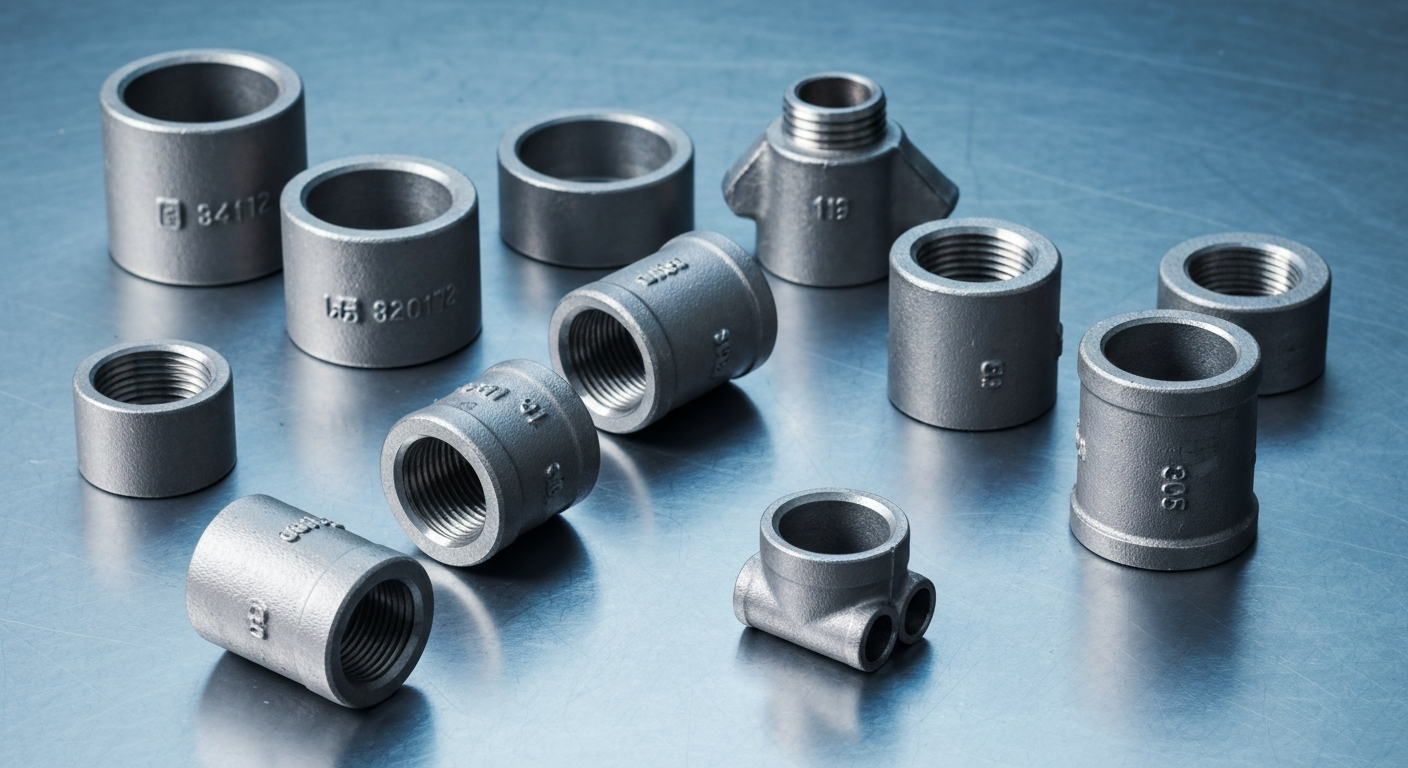
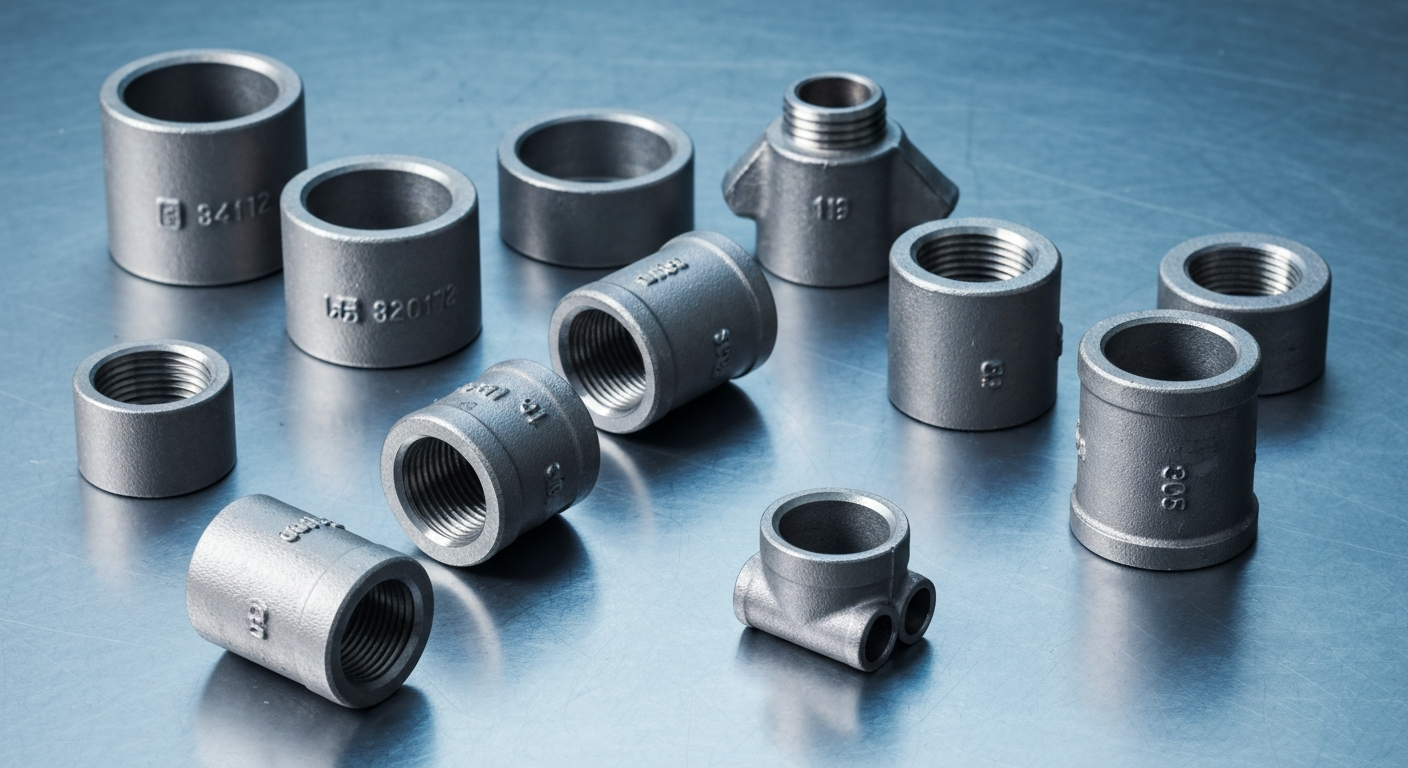
Welcome to our guide on pipe fittings! When you’re designing a piping system, choosing the right components is crucial for safety and efficiency. The carbon steel equal tee is a fundamental part of many industrial setups, but how does it compare to other options? Understanding the differences helps you select the best pipe fitting for your project’s specific needs. This article will explain what a carbon steel equal tee is, compare it with other fittings, and explore its applications.
So, what exactly is a carbon steel equal tee? It’s a T-shaped pipe fitting where all three branches—two in a straight line and one on the side at a 90-degree angle—have the same diameter. This design allows you to split a single flow into two separate streams or combine two flows into one. This type of steel tee is a workhorse in many industrial applications, valued for its strength and durability.
Made from carbon steel, these fittings provide a strong and reliable connection for your steel pipe network. Unlike fittings made from alloy steel or stainless steel, which are chosen for specific resistance properties, carbon steel offers an excellent balance of performance and cost. Whether you are using buttweld tees for high-pressure lines or other connection types, the equal tee is a simple yet essential component for directing flow in a piping system.
When selecting a carbon steel equal tee, you need to pay attention to its specific features. These details ensure the fitting matches your piping system’s requirements for flow rate and pressure handling. The design is straightforward: a straight-through pipe section with an equally sized branch connection.
The material itself, carbon steel, provides robust performance. For enhanced corrosion resistance in certain environments, a carbon steel tee can be cladded internally with alloy or stainless steel, offering a cost-effective alternative to solid alloy fittings.
Key specifications you’ll need to consider include:
To guarantee safety and performance, carbon steel pipe fittings must adhere to strict industry standards. These certifications cover everything from material composition and the manufacturing process to dimensional tolerances. Following these guidelines ensures that every carbon steel tee you use is reliable and compatible with other steel pipe fittings in your system.
Major organizations like ASTM International and the American Society of Mechanical Engineers (ASME) set the benchmarks for these products. For example, butt weld fittings often fall under ASME B16.9 for dimensions and ASTM A234 for material specifications.
Here is a quick look at some common standards for carbon steel equal tee fittings:
표준 | Coverage |
|---|---|
ASTM A234 | Covers material specifications for wrought carbon and alloy steel fittings for moderate and high-temperature service. The most common grade is WPB. |
ASME B16.9 | Defines the dimensions and tolerances for factory-made wrought buttwelding fittings. |
ASME B16.11 | Specifies dimensions and ratings for forged steel fittings, including socket-welding and threaded types. |
MSS SP-75 | Pertains to high-test, wrought, buttwelding fittings used in high-pressure oil and gas transmission systems. |
While the carbon steel equal tee is a popular choice, it’s just one type of pipe fitting available. Different situations call for different solutions, and understanding the alternatives is key to designing an effective piping system. Other options include reducing tees and tees made from different materials like stainless steel or alloy steel.
Each type of tee offers unique benefits. The primary distinctions often come down to the diameter of the branches and the type of fluid being transported. Let’s explore the differences between an equal tee and a reducing tee, as well as the various connection types you might encounter.
The main difference between an equal tee and a reducing tee lies in their dimensions. As its name suggests, an equal tee, also known as a straight tee, has all three branches with the same diameter. This makes it perfect for applications where you need to evenly split or combine flow without changing the pipe size.
A reducing tee, on the other hand, features a branch diameter that is smaller than the main pipe diameter. This design is useful when you need to connect a smaller pipe to a larger main line. For example, a “4 x 4 x 3” reducing tee has two 4-inch main line openings and one 3-inch reducing branch.
Key distinctions include:
Once you choose a tee type, you must also select a connection method. Carbon steel equal tees are available with three common connection types: butt weld, socket weld, and threaded. Each offers different benefits depending on the application’s pressure requirements and installation needs.
Butt weld fittings are the strongest and are preferred for high-pressure, high-temperature systems. Socket weld tees are ideal for smaller diameter pipes where a strong, leak-proof connection is needed without the precision required for butt welding. Threaded tees offer the greatest ease of installation and are suitable for low-pressure systems.
Consider these points when choosing:
Carbon steel equal tees are essential components in a vast range of industrial applications. Their strength and reliability make them a go-to choice for systems that transport liquids and gases, including in the natural gas industry and for power generation. These fittings play a crucial role in directing flow within complex pipe networks.
From power plants to oil refineries, the reliable performance of a carbon steel tee ensures operational safety and efficiency. Their robust nature makes them suitable for demanding environments where durability is paramount. Next, we will look at specific industries where they are used and the advantages they bring.
Across the United States, various industries rely on carbon steel equal tees for their industrial pipelines. Their robust construction makes them particularly suited for applications involving high pressures and demanding conditions, ensuring the safe and efficient transport of materials.
You will find these fittings in some of the most critical sectors. The oil & gas industry uses them extensively for transmission and refining processes. Power plants depend on them for water treatment and steam systems, while chemical processing facilities use them to manage the flow of different substances.
Their use is prevalent in:
Choosing carbon steel equal tee pipe fittings for your project comes with several significant advantages. Their unique combination of strength, durability, and affordability makes them a practical choice for a wide array of piping systems. This balance is why they are so commonly found in industrial settings.
Their robust construction ensures reliable performance even under stress, making them a safe and long-lasting option. While they may not have the inherent corrosion resistance of stainless steel, options like internal cladding or external coatings can enhance their durability in specific environments.
Here are some key benefits:
In summary, carbon steel equal tee pipe fittings stand out for their durability and versatility across various applications. Whether you’re in high-pressure industries or simply need reliable connections, understanding the specifications and advantages of these fittings can significantly impact your projects. When comparing them with other pipe fittings like reducing tees, it’s clear that carbon steel options provide unique benefits that cater to specific needs. If you’re looking to make informed decisions for your piping systems, consider exploring quality manufacturers that supply carbon steel equal tees. For further insights and personalized advice, feel free to reach out and discover how these fittings can enhance your operations.
Carbon steel equal tees come in a broad range of sizes to fit any steel pipe. For butt weld fittings, sizes range from 1/2″ up to 48″. For socket weld and threaded types, sizes typically range from 3/8″ to 4″. In an equal tee, the main pipe and branch diameter are always the same.
Yes, carbon steel tees are very suitable for systems with high pressures. Their robust construction ensures reliable performance. Butt weld connection types are especially recommended for these applications, as their pressure ratings, determined by the wall thickness (schedule), are designed to handle significant operational stress safely.
Many reputable manufacturers and suppliers in the United States provide high-quality carbon steel equal tee fittings. When selecting a provider, it is important to choose one that adheres to recognized industry standards like ASTM and ASME to ensure the quality and compatibility of their steel pipe fittings.