고품질 파이프 피팅 제품 제공
파이프 피팅 도매업자의 최고의 파트너, 파이프 피팅 재고, 이메일 sales@hfittings.com 자세한 내용은 sales@hfittings.com
Welcome to the world of industrial piping! When you’re working on a project that involves a steel pipe network, changing the direction of flow is a common necessity. This is where pipe fittings, specifically carbon steel BW elbows, come into play. These components are fundamental to creating efficient and reliable pipeline systems. This guide will walk you through everything you need to know about choosing the perfect carbon steel elbow, ensuring your project runs smoothly and effectively from start to finish.
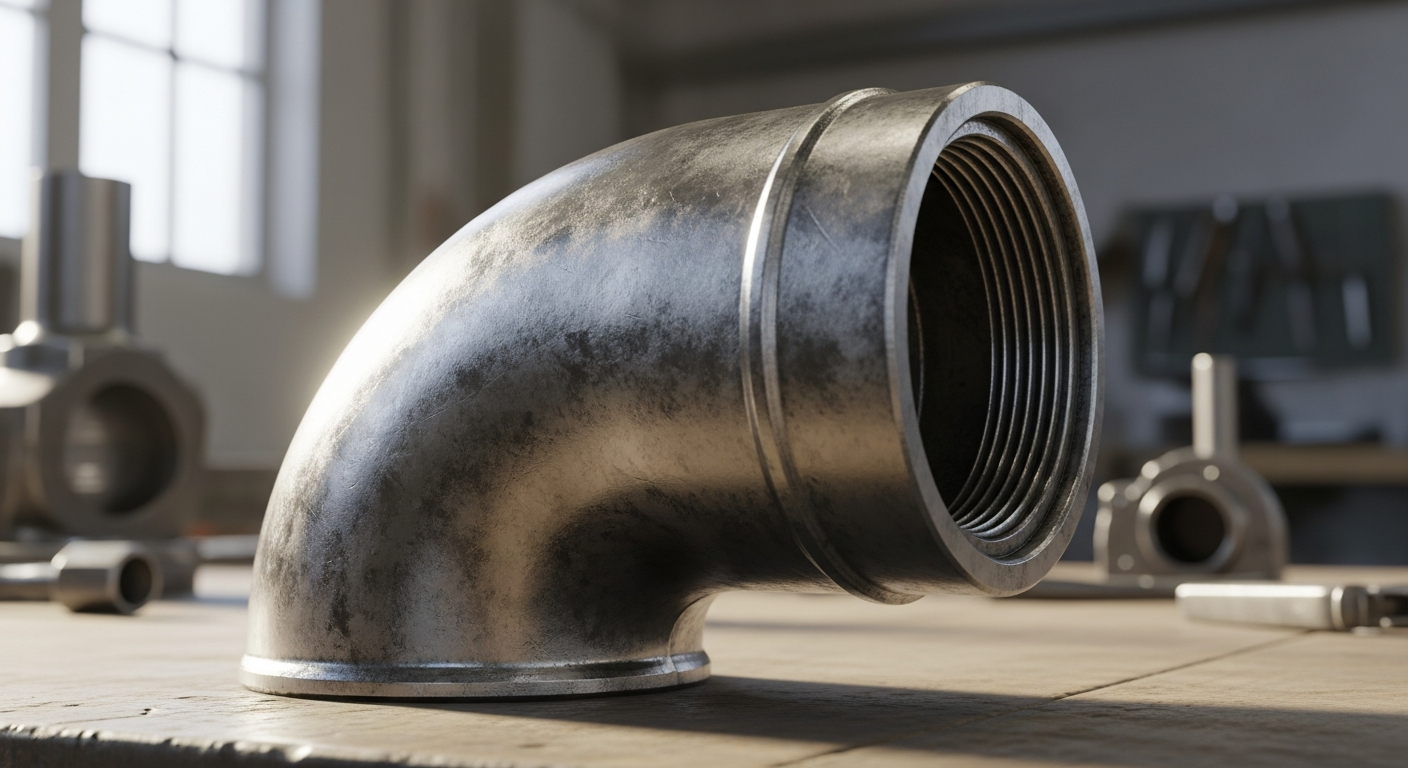
So, what exactly is this crucial component? A carbon steel BW elbow is a type of pipe fitting designed to change the direction of a pipeline. The “BW” stands for butt weld, which is the method used to connect the elbow to a steel pipe. This creates a robust and permanent connection.
This type of pipe elbow is favored for its strength and durability, thanks to its carbon steel construction. Understanding the basics of these fittings is the first step toward selecting the right one for your specific needs. Let’s explore what makes them unique and where they are most effective.
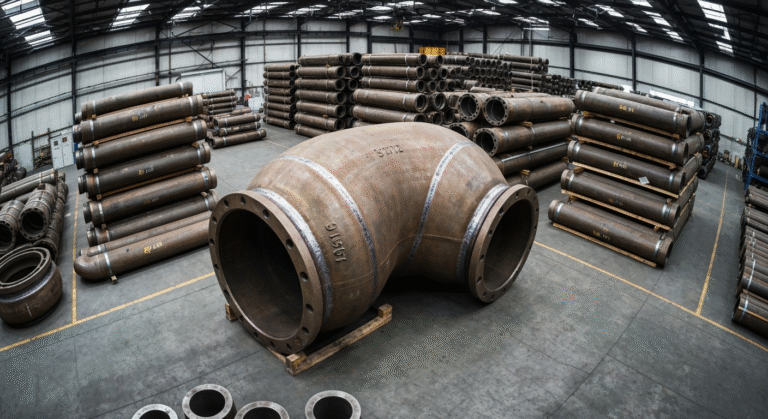
A carbon steel BW elbow is a fitting that allows you to alter a pipe’s route, typically at a 45 or 90-degree angle. Unlike threaded or socket weld elbows, these butt weld fittings are welded directly to the pipe ends, forming a continuous, leak-proof system. This welding method makes them exceptionally strong and suitable for high-pressure and high-temperature environments.
These elbows are manufactured according to strict standards to ensure they match the pipe diameter and schedule, creating a seamless transition for fluid flow. They are commonly used in industrial settings where reliability is critical. Other elbow types, like socket weld or threaded, are easier to install but don’t offer the same level of strength and permanence as a butt weld connection.
Key features include:
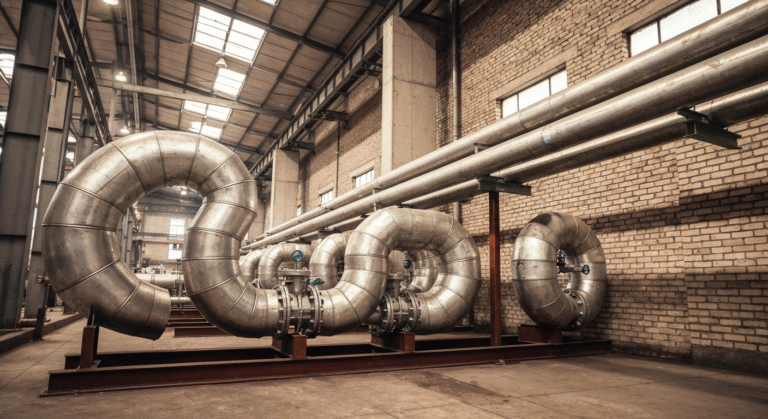
You’ll find carbon steel BW elbows in a wide array of projects across Singapore, thanks to their versatility and strength. Their ability to handle significant pressure and temperature makes them a go-to choice for demanding applications. From large-scale industrial plants to commercial buildings, these fittings are everywhere.
In the industrial sector, they are indispensable. For instance, they are heavily used in the transport of oil and natural gas, where system integrity is paramount. Their durability ensures a safe and efficient flow of materials under challenging conditions.
일반적인 애플리케이션은 다음과 같습니다:
When selecting a butt weld elbow, you’ll encounter a few different classifications. The primary way these steel pipe fittings are categorized is by their radius and angle. The most common types are the long radius (LR) elbow and the short radius (SR) elbow. Each serves a distinct purpose depending on the system’s requirements for space and flow.
Understanding these differences is key to designing an efficient pipeline. Whether you need a gradual turn or a sharp change in direction within a tight space will determine which type of elbow is right for your project. We’ll look into the specifics of angles and radius options next.
The most common angles for a carbon steel BW elbow are 45 degrees and 90 degrees, though other angles like 180 degrees exist for specialized applications. The choice of angle simply depends on how much you need to change the flow direction. The more critical distinction lies in the radius options: long radius (LR) and short radius (SR).
A long radius elbow has a center-to-end distance of 1.5 times the pipe’s nominal diameter (NPS). This creates a more gradual turn, resulting in less friction, lower pressure drops, and a smoother flow. A short radius elbow, however, has a center-to-end distance equal to the NPS, making for a sharper turn. SR elbows are used when space is limited. Choosing between them involves balancing flow efficiency with spatial constraints.
기능 | 롱 레이디우스(LR) 엘보우 | 짧은 반경(SR) 엘보 |
|---|---|---|
반경 | 1.5 x Nominal Pipe Size (NPS) | 1.0 x Nominal Pipe Size (NPS) |
Flow | Smoother flow, less pressure drop | More turbulence, higher pressure drop |
애플리케이션 | High-pressure, high-velocity systems | Low-pressure systems, tight spaces |
Common Angles | 45°, 90°, 180° | 90° (most common) |
Carbon steel BW elbows are manufactured in two main ways: seamless or welded. A seamless elbow is made from a single piece of seamless steel pipe that is heated and formed into shape. A welded elbow is constructed from a steel plate that is cut, rolled, and welded along a seam. Both types are then connected to the pipeline using butt welding.
The primary difference lies in their structural integrity and cost. Seamless elbows have a uniform structure, which generally gives them superior strength and excellent corrosion resistance, making them ideal for high-pressure and critical applications. They tend to be more expensive.
Welded elbows, while still very strong, have a weld seam that can be a potential point of weakness or corrosion, especially under extreme conditions. However, advances in manufacturing have made them highly reliable and a more cost-effective option for many standard applications.
Selecting the correct carbon steel BW elbow is critical for the safety and efficiency of your pipeline systems. Making the right choice ensures optimal performance, minimizes pressure drops, and prevents potential failures. You need to consider several factors, including the material grade, dimensions, and pressure requirements of your project.
Getting these details right from the start will save you time and money down the line. A properly specified elbow will integrate perfectly into your system and provide reliable service for years. Let’s break down the key considerations to help you make an informed decision.
The performance of your elbow heavily depends on the carbon steel material grade. Different grades offer varying levels of strength, hardness, and suitability for different temperatures. The most common material grade for carbon steel butt weld fittings is ASTM A234 WPB, which is widely used for moderate and high-temperature service. For higher-strength requirements in oil and gas pipelines, grades like MSS-SP-75 WPHY are used.
Manufacturing standards are just as important as material grades. They dictate the dimensions, tolerances, and testing requirements for fittings. The primary standard for butt weld fittings is ASME B16.9, which ensures that elbows from any manufacturer will be dimensionally compatible. Other standards like ASTM A234 define the material properties for carbon and alloy steel fittings.
표준 | 설명 |
|---|---|
ASME B16.9 | Covers the overall dimensions, tolerances, ratings, testing, and markings for factory-made wrought buttwelding fittings. |
ASTM A234 | Standard specification for piping fittings of wrought carbon steel and alloy steel for moderate and high-temperature service. |
MSS-SP-75 | Specification for high-test, wrought, buttwelding fittings used in high-pressure oil and gas transmission systems. |
Proper sizing is fundamental for a leak-free and efficient operation. The butt weld elbow must match the pipe diameter and the pipe schedule (wall thickness) precisely. Using an incorrectly sized elbow will compromise the integrity of the butt weld joint. Standard dimensions are governed by ASME B16.9, which provides tables for every size from 1/2″ to 48″.
The pressure rating of an elbow is determined by its material, wall thickness, and the manufacturing standard. It’s crucial to select an elbow with a pressure rating that meets or exceeds the operating pressure of your pipeline. This information is typically marked on the fitting itself.
For installation, a skilled welder is required to ensure a proper butt weld joint. Here are a few key tips:
In conclusion, selecting the right carbon steel BW elbow is crucial for ensuring the integrity and efficiency of your pipeline projects. Understanding the various types, classifications, and specifications will empower you to make informed decisions tailored to your specific needs. Whether you are considering standard angles, radius options, or the differences between seamless and welded elbows, each factor plays a significant role in your project’s success. Stay informed about material grades and manufacturing standards to guarantee compliance and reliability. If you’re ready to enhance your project outcomes, get in touch with us for a free consultation and let our experts guide you in making the best choices for your carbon steel BW elbow requirements.
A long radius steel elbow is generally preferred because it creates a more gradual turn, which reduces friction and pressure drops within the pipeline. This results in a smoother, more efficient flow rate, making it ideal for systems where maintaining pressure and velocity is critical, unlike the sharper turn of a short radius elbow.
The pressure rating of a butt weld elbow is determined by its material, wall thickness (schedule), and pipe size, according to manufacturing standards like ASME B16.9. While not always explicitly marked, the schedule number and material grade stamped on the elbow allow you to determine its pressure capacity for a given application.
The standard dimension range for carbon steel butt weld elbows, as defined by ASME B16.9, is quite extensive. It covers pipe diameters from 1/2 inch up to 48 inches. The standard specifies dimensions like the center-to-elbow end distance to ensure interchangeability between manufacturers.