고품질 파이프 피팅 제품 제공
파이프 피팅 도매업자의 최고의 파트너, 파이프 피팅 재고, 이메일 sales@hfittings.com 자세한 내용은 sales@hfittings.com

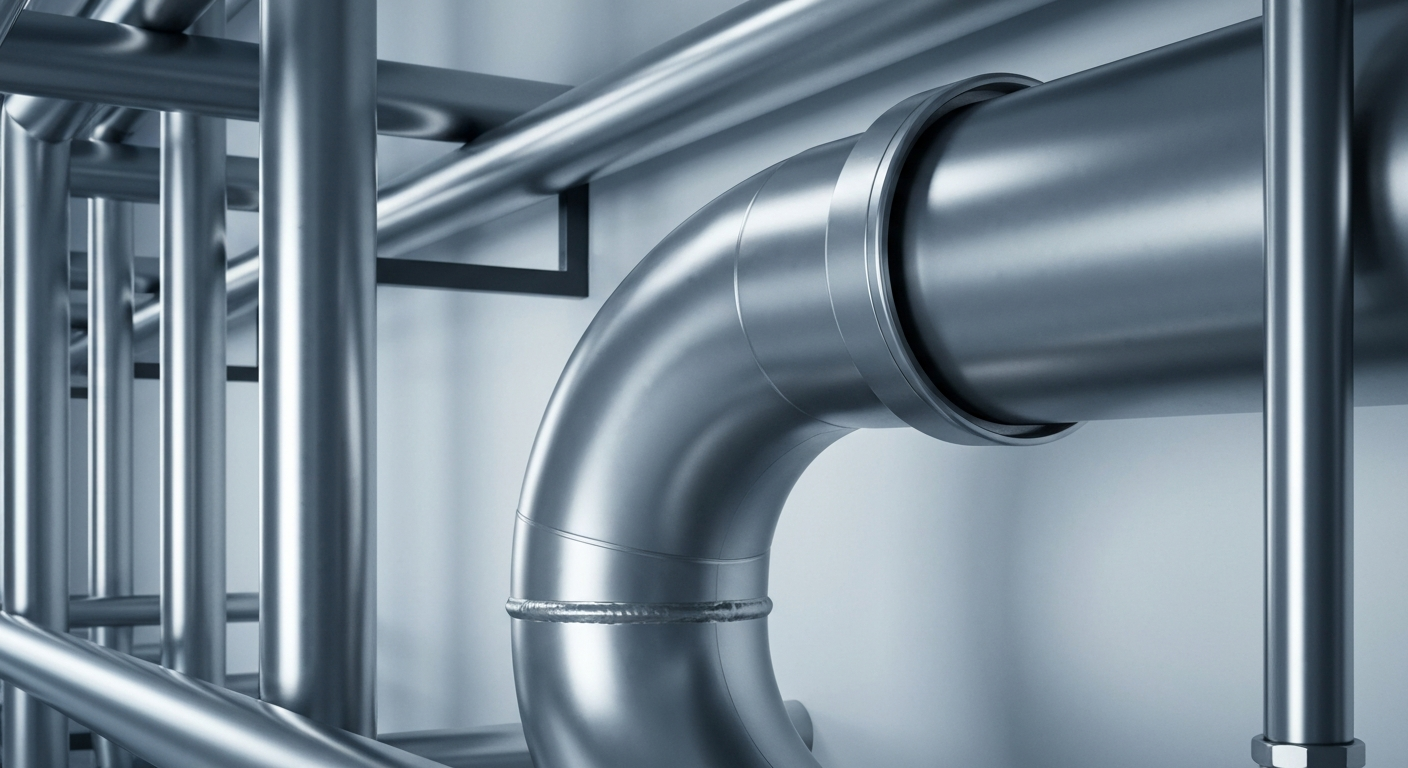
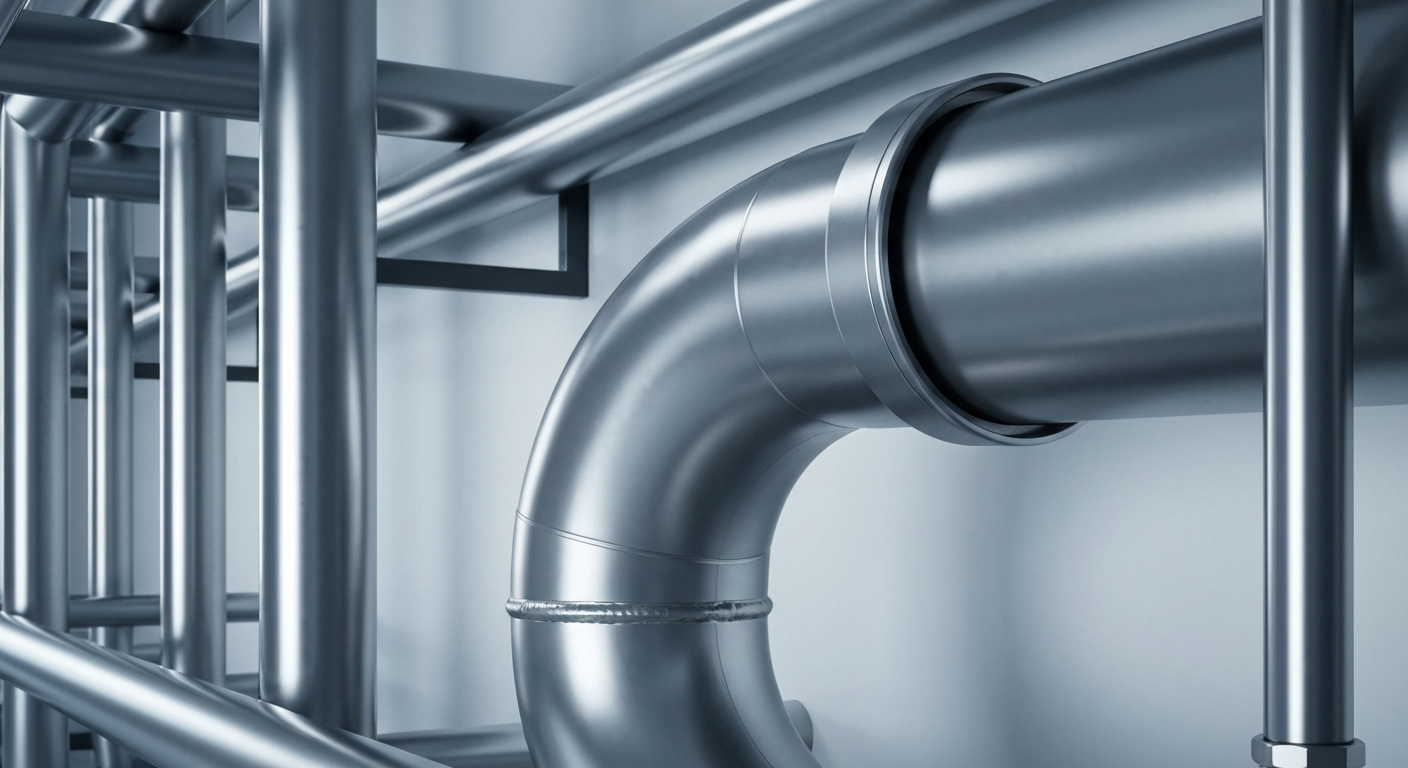
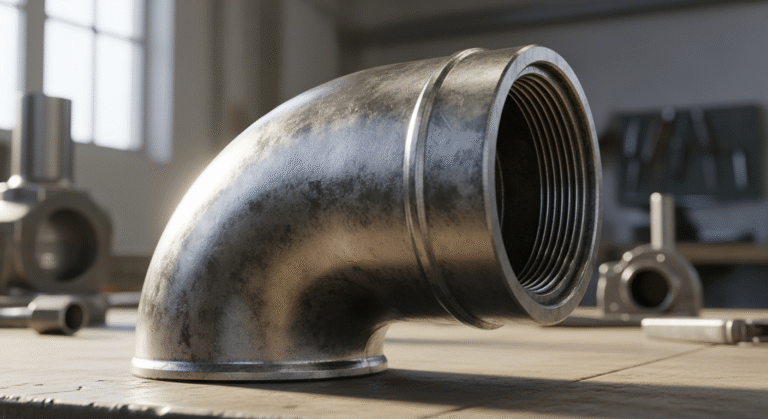
Have you ever wondered how pipes navigate sharp corners in a building or factory? The answer often lies in a small but mighty component: the 304 90 degree elbow. These simple L-shaped pipe fittings are the unsung heroes of plumbing and industrial piping. They make it possible to change the flow direction without kinking pipes or losing pressure. Made from durable 304 stainless steel, these elbows are a reliable solution for creating efficient and leak-free systems.
A 304 90 degree elbow is a pipe fitting specifically designed to connect two pipes at a right angle, efficiently redirecting the contents of the piping system. This simple change in flow direction is fundamental in nearly every plumbing system, from your home to large-scale power plants and chemical plants. Using a pre-formed elbow ensures a smooth turn, preventing the flow restrictions that can occur from bending a pipe.
Thanks to its 304 stainless steel construction, this degree elbow offers fantastic durability and corrosion resistance. This makes it a superior choice over other common materials for a wide range of applications. Whether in complex industrial systems or a simple residential plumbing system, its strength and reliability make it an indispensable part, available in various connection types to meet ASTM and ANSI standards. Next, we’ll explore its common applications and the specific benefits of its material.
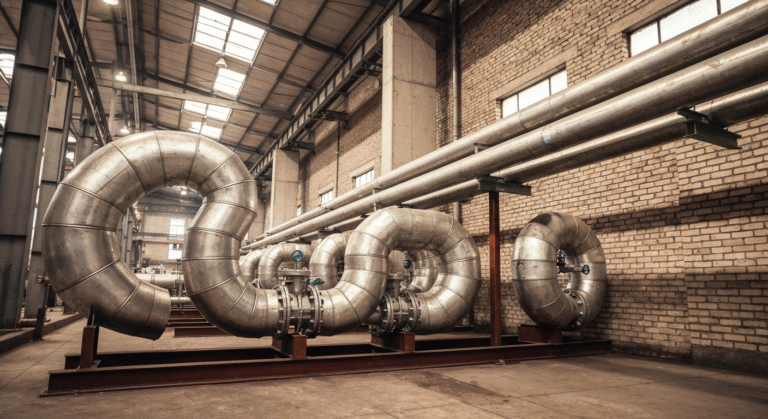
The 304 90 degree elbow is incredibly versatile, appearing in countless settings where changing the direction of fluid flow is necessary. Its ability to create a clean, 90-degree turn is vital for navigating obstacles and optimizing layouts. You can find these elbows used in a vast range of applications.
Some of the most common places you will find this fitting include:
In these situations, the 304 90 degree elbow is preferred for its reliability in redirecting flow without causing leaks or significant pressure loss. Its strength ensures that the fluid flow direction is changed safely and efficiently, which is critical in both high-stakes industrial environments and everyday residential plumbing.
The secret to the 304 90 degree elbow’s superior performance lies in its material. 304 stainless steel is an alloy known for its exceptional strength and durability, setting it apart from a wide range of materials like carbon steel, brass, and copper. This makes stainless steel fittings a top choice for demanding applications.
The most significant advantage is its outstanding corrosion resistance. Unlike other metals that can rust or degrade when exposed to moisture, chemicals, or chlorides, 304 stainless steel maintains its integrity. This quality ensures a longer lifespan for pipe fittings and reduces the need for frequent replacements, saving time and money in the long run.
Because of this built-in protection, these elbows are trusted in environments where other materials would fail. They meet stringent industry standards from organizations like ASME, ASTM, and ANSI, guaranteeing reliable performance. This makes them perfect for everything from coastal homes exposed to saltwater air to industrial plants handling corrosive substances.
Not all 304 90 degree elbows are the same. They come in several main types, primarily distinguished by their connection methods and radius. The most common connection types for this right elbow are butt weld, socket weld, and threaded. Each style offers a different way to secure the fitting to the pipe, making them suitable for different system requirements.
In addition to connection types, you will also find long radius (LR elbow) and short radius (SR elbow) versions. These options relate to the curvature of the turn and affect both the space needed for installation and the fluid dynamics within the pipe. Let’s look closer at how these different types compare.
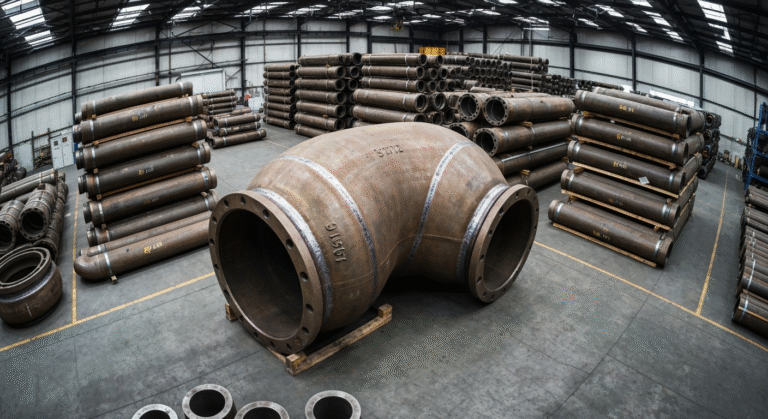
Choosing the right connection type is crucial for your system’s integrity. The three main types—butt weld, socket weld, and threaded—are designed for different applications and installation preferences. A butt weld elbow is welded edge-to-edge with the pipe, creating a strong, permanent bond ideal for critical applications. A socket weld elbow allows the pipe end to be inserted into a socket on the fitting before being welded, offering a secure, leak-proof joint.
Threaded elbows, on the other hand, feature NPT threads that screw directly onto the pipe. This method is perfect for low-pressure systems or applications where you might need to disassemble the piping later. To properly install a threaded elbow, you should wrap the male pipe threads with Teflon tape before screwing the fitting on to create a tight seal.
연결 유형 | Installation Method | 최상의 대상 |
|---|---|---|
맞대기 용접 | Welded directly to the pipe end | High-pressure, high-temperature, critical systems |
소켓 용접 | Pipe is inserted into a socket and then welded | High-pressure systems where strong, leak-proof joints are needed |
Threaded | Screwed onto the pipe using threads (NPT) | Low-pressure applications and systems requiring disassembly |
Another important choice is between a long radius (LR) and short radius (SR) elbow. The difference lies in the radius of curvature. An LR elbow has a radius that is 1.5 times the pipe size, while an SR elbow has a radius equal to the pipe size. This seemingly small difference has a big impact on performance and where each type should be used.
A long radius elbow creates a gentler turn, which is better for maintaining flow and reducing pressure loss. However, it takes up more space. A short radius elbow is more compact, making it perfect for tight spaces.
다음은 간단한 비교입니다:
For most general-purpose projects, an LR elbow is the preferred choice because it is gentler on the system. However, when you need to change the direction of a pipe in a very confined area, the SR elbow is the perfect solution.
Once you know the type of elbow you need, it’s time to think about specifications. Selecting the correct size, schedule, and pressure rating is critical to ensuring your piping system operates safely and effectively. The nominal pipe size (NPS) must match the diameter of your pipes to ensure a proper fit.
Equally important are the schedule (sch) and pressure ratings. The schedule refers to the wall thickness of the fitting, while the pressure rating indicates the maximum pressure it can handle. These specifications are standardized by organizations like ANSI, ASME, and ASTM to guarantee compatibility and safety. Now, let’s look at what determines these choices.
How do you know which size and schedule to choose for your 304 stainless steel elbow? The decision depends on the specific demands of your application. The primary factors are the operating pressure and temperature of the fluid or gas moving through the system. Higher pressures require a thicker wall to prevent the fitting from bursting.
The schedule number (e.g., Schedule 40, Schedule 80) is a direct indicator of this wall thickness. A higher schedule number means a thicker wall and, consequently, a higher pressure rating. For example, a Schedule 80 elbow has a thicker wall than a Schedule 40 elbow of the same nominal pipe size, making it suitable for more demanding, high-pressure environments.
Always consult the engineering specifications for your project, which will often reference ASME or ANSI standards. Matching the pipe size, schedule, and pressure ratings of your elbow to the rest of your piping system is essential for creating a secure, reliable, and long-lasting connection.
When looking at specifications for pipe fittings, you might see a rating like ‘3000#’ or ‘Class 3000.’ This number is a pressure rating defined by standards from organizations like ANSI and ASME. It doesn’t mean the fitting can withstand exactly 3,000 PSI; instead, it represents a pressure-temperature class. The actual pressure a 3000# fitting can handle varies with the temperature of the fluid.
This rating is incredibly important because it tells you if a fitting has the durability for a high-pressure application. A 3000# rating signifies that the elbow is designed for heavy-duty service, typically found in industrial processing plants, oil and gas operations, and other systems where pressure levels are high.
Using a fitting with the correct pressure rating is a matter of safety and performance. Choosing an underrated fitting for a high-pressure system can lead to catastrophic failure, leaks, and costly downtime. The 3000# classification provides a clear, standardized way to ensure the elbow you select is strong enough for the job.
In conclusion, the 304 90 degree elbow is a crucial component for efficient piping systems, offering versatility and durability in various applications. Its stainless steel composition ensures enhanced performance, while understanding the different types and specifications allows for optimal selection based on project needs. Whether you are working with high-pressure systems or simply need reliable connections in your plumbing, the right 304 elbow can make all the difference. Don’t overlook this essential fitting—ensure you choose wisely to maintain system integrity and performance. If you want to learn more about the benefits of using 304 stainless steel elbows in your projects, feel free to reach out for a free consultation!
Yes, 304 stainless steel fittings are an excellent choice for drinking water systems. The material’s high corrosion resistance prevents rust and leaching, ensuring the water remains pure and safe to drink. It meets the stringent health and safety standards required for any plumbing system that handles potable water.
Absolutely. A 304 90 degree elbow can be used in both. The key is to select the correct schedule and pressure rating for your needs. Thicker-walled fittings (higher schedule numbers) are designed for high-pressure industrial systems, while thinner-walled fittings are suitable for low-pressure applications like residential plumbing.
Thanks to its excellent corrosion resistance, 304 stainless steel requires very little maintenance. To ensure maximum durability, periodically inspect the fittings for any signs of damage or leaks. In environments with surface contaminants, occasional cleaning with a mild detergent and water will help maintain its pristine condition and prevent buildup.