Fornire prodotti di alta qualità per il montaggio dei tubi
Miglior partner di grossisti di raccordi per tubi, raccordi per tubi in stock, e-mail sales@hfittings.com per i dettagli


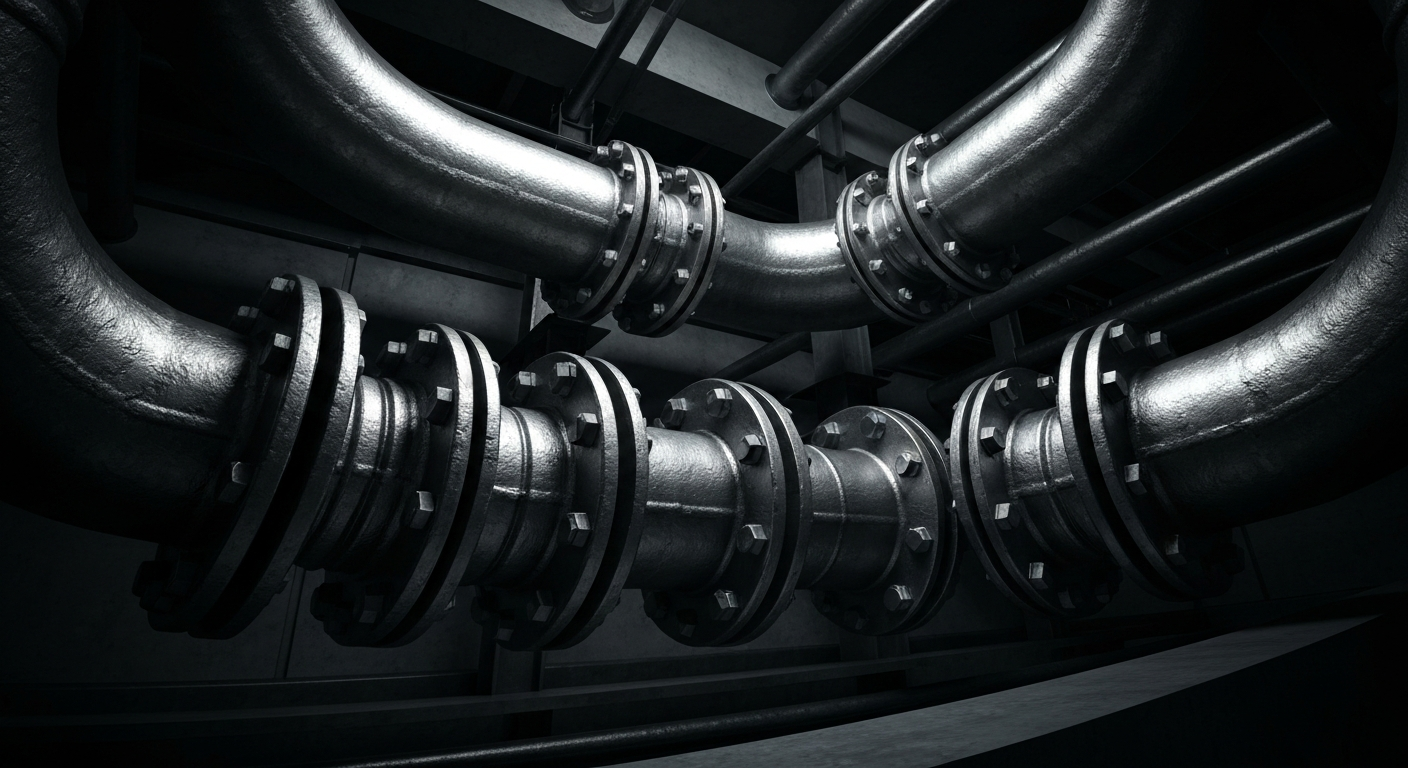
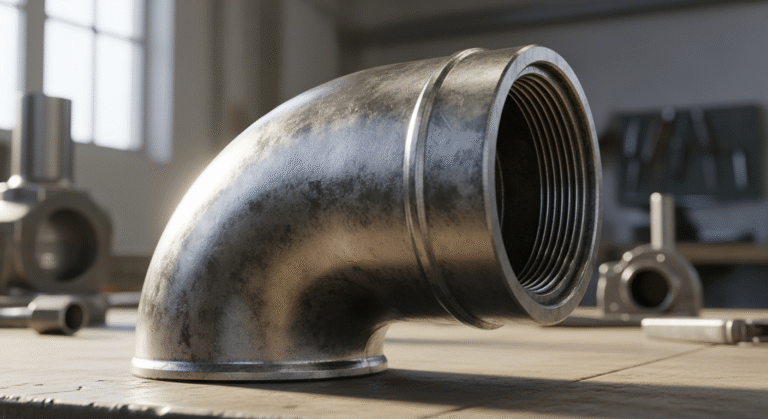
When building a robust and reliable pipeline, the components you choose are critical. Forged pipe fittings play an essential role in connecting pipes and directing the flow of liquids or gases. These high-strength steel pipe fittings are designed to withstand demanding conditions, ensuring the safety and efficiency of your entire system. If you’re looking for a solution that combines strength, durability, and performance, understanding what makes forged fittings unique is the first step toward building a better piping network.
Forged pipe fittings are essential components made from solid blocks of steel that are heated to high temperatures and shaped using immense pressure. This forging process involves placing the heated steel into dies, where it is hammered or pressed into the desired shape. The result is a fitting with exceptional strength and refined grain structure.
This manufacturing method enhances the material’s mechanical properties, making forged fittings much stronger than cast or welded alternatives. Their dense, uniform structure ensures they can handle extreme pressure and temperature, making them a top choice for critical applications where reliability is non-negotiable.
The primary distinction between forged steel fittings and other types, like welded fittings, lies in the manufacturing process. Forged fittings are created from a single piece of metal that is heated and pressurized into shape. This forging process creates a continuous grain structure, resulting in a fitting that is incredibly strong and durable, with no inherent weak points.
In contrast, buttweld or welded fittings are made by joining pieces of pipe together through welding. While effective, the welded seams can sometimes be potential points of failure if not executed perfectly. The welding process also requires specialized labor and can be more time-consuming during installation.
Ultimately, the solid, one-piece construction of forged fittings gives them superior strength and resistance to mechanical stress. This makes them the preferred choice for high-pressure and high-temperature systems where joint integrity is paramount, offering a more robust and reliable connection compared to welded alternatives.
The material you select for your forged pipe fittings is just as important as the fitting type itself, as it directly impacts performance, durability, and corrosion resistance. Different materials are suited for various industrial environments and the substances they will transport. Choosing the right one ensures the longevity and safety of your piping system.
Forged carbon steel is a popular choice due to its strength and affordability, making it suitable for a wide range of general-purpose applications. For environments where corrosion is a major concern, stainless steel offers excellent resistance while handling high temperatures.
Other common materials used for forged fittings include:
Forged steel pipe fittings are available in various forms to meet the diverse needs of industrial piping systems. The different types of fittings are designed to connect pipes, change the direction of flow, or close off a pipeline. Understanding these options helps you select the right component for your specific application.
Generally, these fittings are categorized into two main connection types: forged socket weld fittings and forged threaded fittings. Socket weld fittings have a recessed area for the pipe to sit in before welding, creating a strong joint. Threaded fittings have screw threads for easy assembly and disassembly. Below, we’ll explore some of the key categories and their functions.
Within the main categories of socket weld and threaded fittings, there are several specific types designed for different functions. These components are the building blocks of any robust piping system, allowing you to customize the layout to fit your operational needs. From changing flow direction to joining pipes of different sizes, each fitting has a distinct purpose.
Whether you need to branch a line or cap an endpoint, there is a forged fitting for the job. Tees create a 90-degree branch from a main line, while couplings connect two pipes together. Reducers are used to join pipes of different diameters, and plugs or caps are used to seal the end of a pipe.
Here’s a quick look at some common forged fittings and their uses: | Fitting Type | Application | |————–|—————————————————————–| | Elbow | Changes the direction of flow, typically at 45 or 90 degrees. | | Tee | Creates a T-shaped, 90-degree branch from the main pipeline. | | Coupling | Connects two pipes of the same size in a straight line. | | Reducer | Joins two pipes with different diameters. | | Plug / Cap | Seals the end of a pipe opening. | | Bushing | Connects two pipes of different diameters, typically with threads. |
When it comes to high-pressure applications, safety and reliability are paramount. Forged pipe fittings are the go-to choice for these demanding environments because their manufacturing process gives them unparalleled strength and durability. Industries like oil and gas, chemical processing, and power generation rely on them to handle extreme temperatures and intense pressures without failure.
The solid, non-porous structure created during forging ensures that there are no hidden defects or weak spots. This makes them highly resistant to leaks, cracks, and mechanical stress. Their ability to maintain integrity under harsh conditions is why engineers trust them for critical systems where failure is not an option.
Key advantages for high-pressure use include:
If you are new to working with industrial piping, selecting the right forged pipe fittings can seem daunting. However, these essential components are straightforward once you understand the basics. The key is to match the fitting to the specific requirements of your piping system, including pressure, temperature, and the type of fluid being transported.
Getting started involves learning about the necessary tools, safety precautions, and the step-by-step process of selection and installation. With the right knowledge, you can ensure your project is built for safety and longevity. The following sections will provide a guide on the equipment you’ll need and a process for choosing the perfect fittings.
Working with forged pipe fittings, especially during installation, requires the right tools and a strong focus on safety. The manufacturing process itself involves heavy machinery like hammers or presses, dies for shaping, and heating equipment. For installation, the tools you need will depend on whether you are using threaded or socket weld fittings.
For threaded fittings, pipe wrenches are essential for creating a tight seal. For socket weld fittings, you will need welding equipment to properly fuse the fitting to the pipe. Regardless of the type, accurate measuring tools are crucial to ensure a proper fit.
Most importantly, always prioritize safety. Working with heavy pipes and high-temperature equipment comes with risks. Essential safety equipment includes:
Choosing and installing forged pipe fittings correctly is crucial for the integrity and performance of your entire piping system. A methodical approach ensures that you select components that meet your system’s demands and that the installation is secure and leak-free. From initial assessment to final inspection, each step plays a vital role.
This step-by-step guide will walk you through the process, helping you make informed decisions along the way. By following these guidelines, you can confidently select the right type and material, verify standards, and perform a successful installation, ensuring a durable and reliable connection.
The first and most critical step is to thoroughly understand the requirements of your specific piping system. Before you can choose from the different types of fittings, you need to know what conditions they will face. This involves analyzing factors like the operating pressure, temperature range, and the type of fluid or gas that will flow through the pipes.
For example, a system for a chemical processing plant will have different needs than one for a steam line in a power plant. The former might prioritize corrosion resistance to harsh chemicals, while the latter will require materials that can withstand high temperatures and pressures.
Consider the physical layout of the system as well. Do you need to change flow direction frequently? Are you connecting pipes of varying sizes? Answering these questions will help you determine whether you need elbows, tees, reducers, or other types of fittings to build an efficient and safe pipeline.
Once you have assessed your system’s requirements, the next step is to choose the appropriate fitting type and material. Your choice will be guided by the pressure, temperature, and corrosion resistance needs you identified in the previous step. The connection type—threaded or socket weld—is a primary consideration.
Threaded fittings are easier to install and disassemble, making them suitable for systems that may require maintenance. Socket weld fittings offer a stronger, more permanent connection, which is ideal for high-pressure lines where leaks are a major concern.
The material choice is equally important. Each material offers distinct advantages, so match it to your application.
To guarantee quality and compatibility, always verify that the forged pipe fittings meet industry standards and certifications. Reputable manufacturers produce fittings that comply with established guidelines set by organizations like the American Society for Testing and Materials (ASTM) and the American Society of Mechanical Engineers (ASME). These standards dictate material composition, dimensions, and pressure ratings.
For example, ASME B16.11 is a key standard that covers forged fittings, both socket-welding and threaded. Checking for these certifications ensures that the parts you buy are reliable and will perform as expected. This step is crucial for safety, especially in high-pressure systems.
When purchasing fittings, look for markings that indicate compliance. Key things to check for include:
Proper installation is the final key to ensuring your forged pipe fittings perform reliably. Whether you are using threaded or socket weld fittings, following correct procedures is essential to achieve a great seal and a durable connection. For threaded fittings, ensure the threads are clean and use a proper sealant. For socket weld fittings, a skilled welder must ensure full penetration to create a strong, leak-free joint.
After installation, a thorough inspection is necessary. This includes visually checking all connections for any signs of improper fitting and, where applicable, performing pressure tests to confirm the system’s integrity. Regular inspections should also be part of your ongoing maintenance plan to spot any potential issues like corrosion or wear over time.
Follow these general guidelines for a successful installation and inspection:
In conclusion, forged pipe fittings are essential components that enhance the integrity and safety of piping systems. Their unique properties make them particularly suited for high-pressure applications, ensuring durability and reliability. By understanding the different types available and following best practices for selection and installation, you can ensure optimal performance in your projects. Remember to assess your system requirements thoroughly and adhere to all relevant standards for best results. If you’re ready to take the next step in sourcing high-quality forged pipe fittings, contact us today for expert advice and reliable supplier recommendations!
Forged pipe fittings are ideal for industrial systems due to their exceptional durability and strength. The forging process creates a dense, non-porous structure that can handle high pressure and extreme temperatures. Materials like alloy steel offer superior corrosion resistance, ensuring a long and reliable service life in demanding environments.
Forged fittings are generally stronger than welded fittings because they are made from a single piece of metal. The forging process enhances their mechanical properties and eliminates seams, which can be weak points. This makes forged fittings more durable and less prone to failure under high stress.
Yes, regular inspection is the key maintenance practice for forged steel fittings. You should periodically check for signs of external corrosion, leaks, or physical damage, especially at the connection points. This simple maintenance ensures the parts remain reliable and helps prevent unexpected system failures.
To find reliable suppliers of forged pipe fittings in the United States, look for established manufacturers or distributors with a history of providing certified steel fittings. Check for compliance with ASME and ASTM standards and read customer reviews to ensure you are purchasing high-quality, reliable products.