Fornire prodotti di alta qualità per il montaggio dei tubi
Miglior partner di grossisti di raccordi per tubi, raccordi per tubi in stock, e-mail sales@hfittings.com per i dettagli

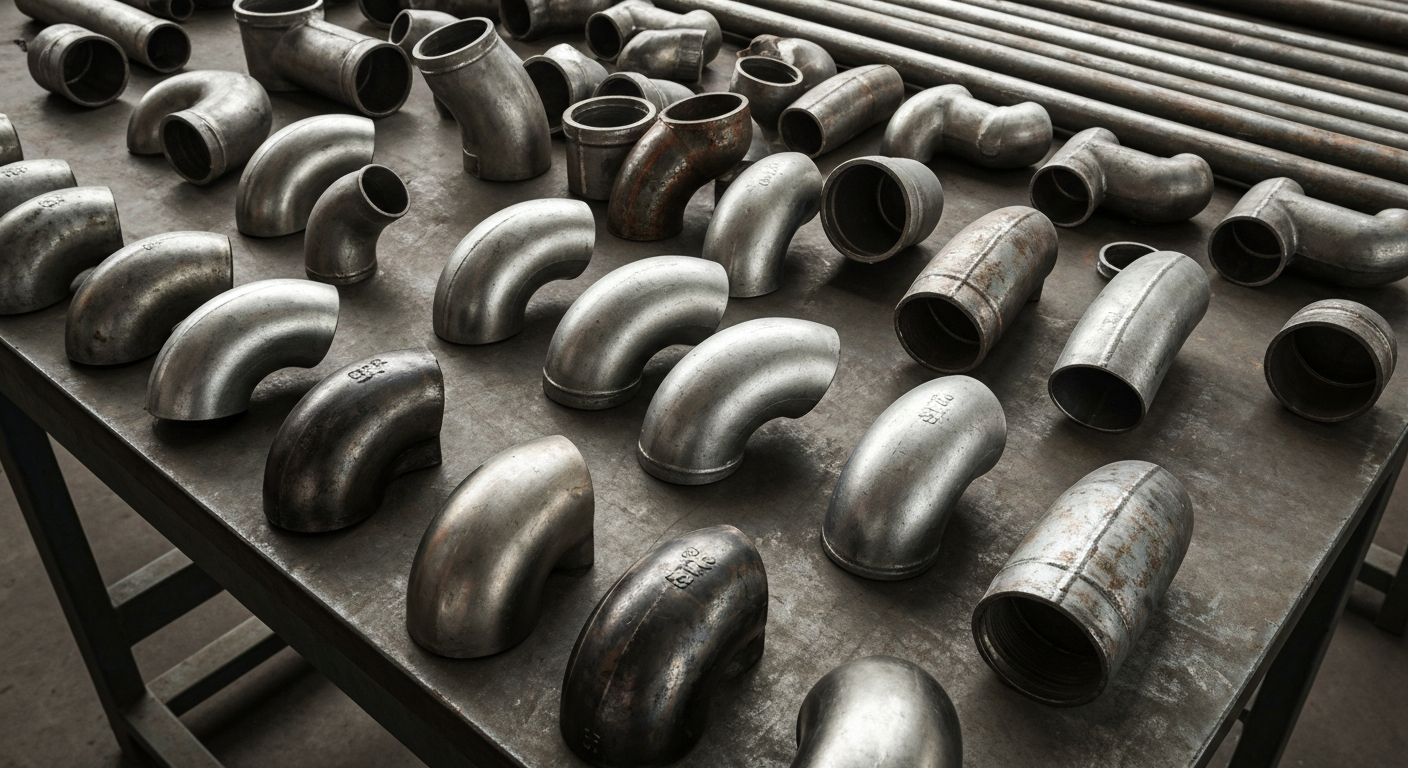
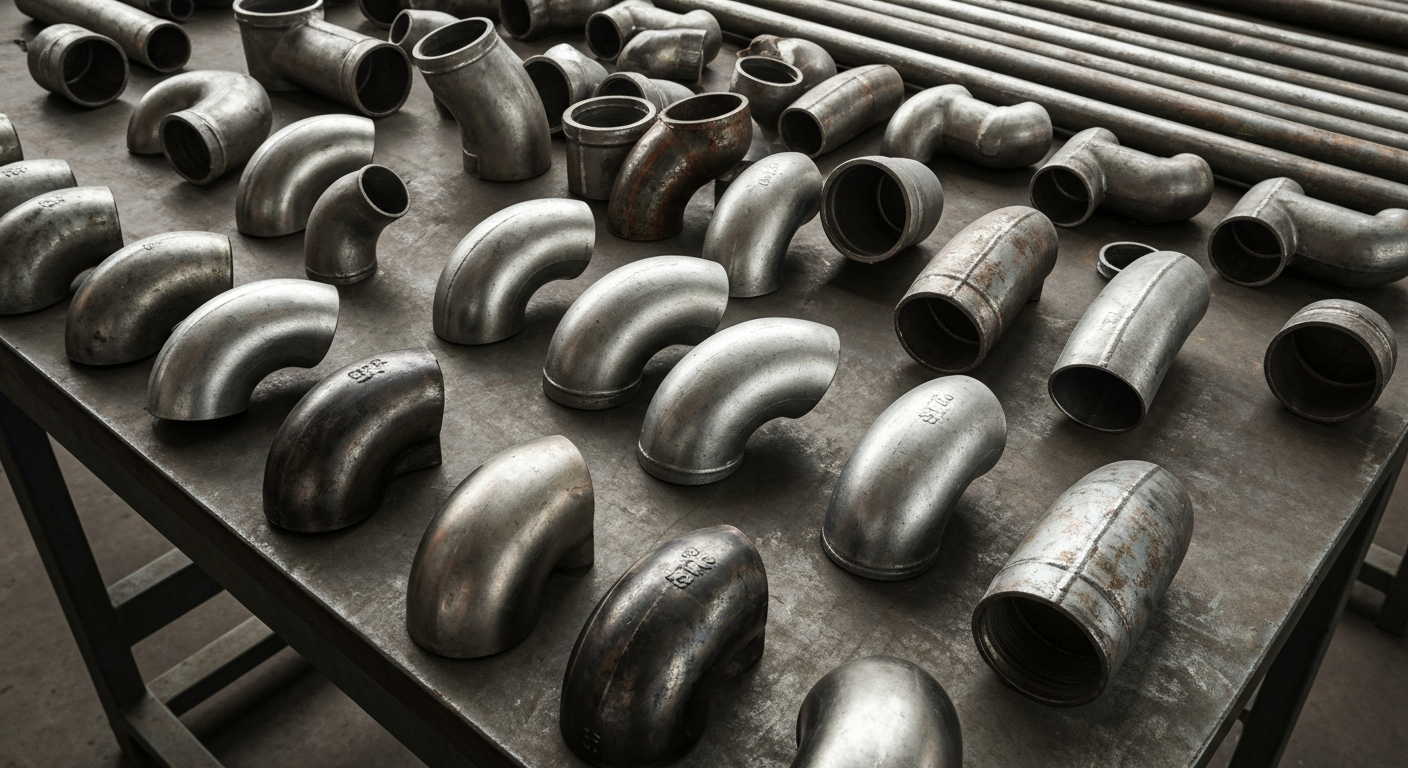
Here are the essential points about the A234 WPB 2’’ Sch40 elbow:
These pipe fittings are crafted from A234 WPB carbon steel, a standard grade for moderate and high-temperature service. While A234 WPB carbon steel fittings, such as these elbows, can physically connect to stainless steel pipes using compatible dimensions (like the same schedule and diameter), these 2’’ Sch40 A234 WPB elbows are generally compatible with stainless steel pipes from a dimensional perspective. However, it is important to consider the differences in material properties. Mixing carbon steel and stainless steel may lead to corrosion issues at the joint if not properly managed, so it is generally recommended to use appropriate transition methods or consult with an engineer when joining different metals.
Installation is done via a butt weld connection, creating a strong, leak-proof joint.
Compliance with ASTM A234 is standard, ensuring quality and reliability for your applications.
Regarding compatibility, 2’’ sch40 A234 WPB elbows (which are carbon steel) can technically be welded to stainless steel pipes; however, it is vital to use the correct welding procedures and compatible filler materials to prevent galvanic corrosion and maintain joint integrity. Mixing carbon steel and stainless steel in a butt weld connection requires special attention to the astm, wpb, sch, and degree elbow specifications. Always consult material compatibility guidelines and a qualified engineer before combining stainless and carbon steel components, such as elbows or tees, in your piping system.
Welcome to your guide on the A234 WPB 2’’ Sch40 elbow! If you work with industrial piping, you know how crucial the right components are. These small but mighty pipe fittings are essential for directing flow in countless systems. Made from durable WPB carbon steel, they provide a reliable solution for changing pipe direction. In this blog, we will explore the technical specifications, different types, common applications, and installation practices for these essential fittings to help you make informed decisions for your projects.
Understanding the technical details of an A234 WPB 2’’ Sch40 elbow is key to ensuring it meets your project’s requirements. These fittings are defined by their material composition, manufacturing standards, dimensions, and pressure-handling capabilities. Each specification, from wall thickness to radius, plays a vital role in its performance.
We will look closer at the specific material grade governed by ASTM standards and the precise dimensional requirements set by ANSI and ASME. These factors determine the elbow’s strength, durability, and fit within a piping system.
The “A234 WPB” designation tells you a lot about this fitting. It refers to the standard specification for wrought carbon steel and alloy steel fittings intended for moderate and high-temperature service. The material, WPB, is a common grade of carbon steel known for its strength and weldability, making it a reliable choice for many industrial settings.
Compliance with manufacturing standards is non-negotiable for safety and quality. These elbows are produced to meet strict guidelines from organizations like ASTM (American Society for Testing and Materials), ANSI (American National Standards Institute), and ASME (American Society of Mechanical Engineers). For example, ASTM A234 governs the material properties, while ASME B16.9 defines the dimensions and tolerances.
Following these standards ensures that every 90-degree elbow you use has consistent dimensions, chemical composition, and mechanical properties. This uniformity is critical for proper fit-up during installation with the correct welding rod and guarantees the fitting can handle the pressures and temperatures it was designed for.
The dimensions of a 2-inch Sch 40 elbow are standardized to ensure it correctly connects with a 2-inch nominal pipe. The “Schedule 40” (Sch 40) designation indicates the wall thickness of the fitting. For butt weld fittings, the outer diameter and wall thickness must precisely match the connecting pipe to allow for a smooth and strong weld.
The pressure rating is directly related to the material grade and wall thickness. A Schedule 40 elbow is designed for standard pressure applications, though it is robust enough for many high-pressure scenarios. The weight of the elbow depends on its dimensions and whether it is a long radius (LR) or short radius (SR) type.
Here is a table outlining the typical dimensions for a 2-inch Sch 40 elbow, which are critical for planning and installation.
Specifiche | Dimensione |
|---|---|
Dimensione nominale del tubo | 2 inches |
Diametro esterno (OD) | 2.375 inches |
Spessore della parete | 0.154 inches |
Center-to-End (LR 90°) | 3.00 inches |
Not all A234 WPB elbows are created equal. You have choices to make based on your specific needs. The most common variations relate to the elbow’s bend radius and its manufacturing method. These pipe fittings are available as long radius or short radius and can be either seamless or welded in their construction.
Each type offers distinct advantages, and understanding the differences is key to selecting the right component. The choice between long and short radius affects flow and space, while the decision between seamless and welded design impacts pressure rating and cost.
Yes, A234 WPB elbows are available in both long radius (LR) and short radius (SR) types. A long radius elbow has a center-to-face dimension that is 1.5 times the nominal pipe size (NPS). In contrast, a short radius elbow has a center-to-face dimension equal to the NPS. For a 2-inch elbow, an LR 90-degree elbow would have a radius of 3 inches, while an SR elbow would have a radius of 2 inches.
The primary difference lies in how they affect fluid flow and the space they occupy.
Ultimately, the choice depends on your system’s design. If space is not a constraint, a long radius elbow is generally preferred for its better flow characteristics. A typical use case for a 2” Sch 40 A234 WPB butt weld elbow is in industrial fluid transport systems where changing the direction of the pipeline is necessary.
The manufacturing method also distinguishes these pipe fittings, leading to seamless and welded designs. A seamless 2″ Sch 40 A234 WPB elbow is made by pushing a heated, solid billet or steel bars through a die to create the elbow shape without any seams. This process results in a uniform structure with high mechanical strength.
A welded elbow, on the other hand, is fabricated by cutting and shaping steel plates, then welding them together to form the elbow. While modern welding techniques produce high-quality fittings, the weld seam can sometimes be considered a point of weakness compared to a seamless design, especially in very high-pressure or corrosive environments.
Seamless butt weld fittings are often preferred for critical, high-pressure applications due to their superior structural integrity and lower risk of failure. Welded fittings are a cost-effective and reliable option for many standard-pressure applications where the operational stresses are not as severe. Both types require the correct welding wire for proper installation.
How can you be sure the elbow you have is genuine and meets specifications? The answer lies in the markings stamped directly onto the fitting. These identification marks are required by industry standards and provide crucial information about the elbow’s origin, material, and specifications.
Verifying these markings is an essential step in quality control. It ensures you are installing a compliant part that will perform as expected, protecting the integrity of your entire piping system. Proper identification helps avoid using substandard fittings, which could lead to project delays or failures.
To confirm a 2-inch Schedule 40 A234 WPB elbow meets ASTM standards, you must inspect its permanent markings. These stampings serve as a certificate of compliance, providing traceability and assurance that the fitting adheres to the required specifications for WPB carbon steel.
A genuine elbow should have several key identifiers stamped on its body. These markings are not just for show; they are mandated by standards like ASME B16.9. You should look for:
These markings are your first line of defense in quality assurance. They confirm that the fittings have been manufactured and tested according to the correct ASTM and ANSI standards. If a fitting is missing these markings, it should not be used, as its quality and performance cannot be verified.
When sourcing your A234 WPB fittings, you will often find both domestic and imported options. While both are required to meet the same ANSI dimensional standards, you may encounter slight variations between them. Domestic elbows are manufactured in the USA, while imported ones come from various other countries.
These minor dimensional differences, though typically within tolerance, can sometimes impact installation. For example, a small variance in the bevel angle or the overall length could require extra preparation work by the welder to ensure a perfect fit-up. In automated welding processes, even tiny deviations can cause issues.
For this reason, some projects specify domestic-only materials to ensure maximum consistency and minimize potential fit-up problems on the job site. When sourcing your elbows, consider the specific requirements of your project and whether the potential for minor dimensional variations in imported fittings is an acceptable risk.
The A234 WPB 2” Sch40 elbow is a workhorse in various industries due to its strength and reliability. Its common applications range from fluid transport in manufacturing plants to critical systems in the energy sector. Proper installation is key to leveraging the full potential of these carbon steel fittings.
The butt weld connection method requires skill and precision to create a durable, leak-free joint. Next, we will explore some typical high-pressure use cases and outline the fundamental guidelines for installing these essential piping components correctly.
Yes, a 2-inch schedule 40 A234 WPB elbow is suitable for many high-pressure piping applications. Its robust carbon steel construction and the strength of a butt weld joint make it a go-to choice for systems that operate under significant stress. These elbows are frequently used to navigate obstacles and change flow direction in complex industrial layouts.
You will find these fittings in a variety of demanding environments. Common industries and applications include:
The durability of these fittings is essential for maintaining safety and operational efficiency in these critical sectors. The reliability of the butt weld connection ensures system integrity, preventing leaks that could be hazardous and costly. They are a fundamental component for building robust and long-lasting piping infrastructure.
Installing a 2” Sch 40 A234 WPB elbow is accomplished through a process called butt welding. This method involves joining the beveled ends of the fitting directly to the beveled ends of the pipe. The process requires a skilled welder to ensure a strong and permanent bond.
Here are some general tips for a successful installation:
The necessary tools include a grinder for cleaning and beveling, alignment clamps, and welding equipment. Unlike socket weld fittings, butt weld elbows create a smooth interior surface that minimizes pressure drop and turbulence, making them ideal for critical flow applications.
In conclusion, understanding the specifications and applications of the A234 WPB 2’’ Sch40 elbow is essential for anyone involved in piping projects. These fittings play a crucial role in high-pressure systems, and their correct selection can significantly impact the efficiency and safety of an installation. With various types available, from long radius to seamless designs, it’s vital to choose the right one for your specific needs. By keeping in mind the technical specifications and compliance requirements, you can ensure a successful implementation. If you have any questions or need expert advice, feel free to reach out for a consultation. Your piping solutions are just a conversation away!
It is not recommended to weld a carbon steel A234 WPB elbow directly to stainless steel pipes. This creates a dissimilar metal joint that is highly susceptible to galvanic corrosion, leading to premature failure of the butt weld. Special transition fittings or welding procedures are required for such connections.
A genuine A234 WPB elbow will have permanent markings stamped on its body. These include the manufacturer’s name or logo, the material grade (A234 WPB), the nominal pipe size and schedule (e.g., 2” SCH 40), and a heat code for traceability, as required by ASTM standards.
To verify a fitting’s suitability for high-pressure service, always check that the material grade (A234 WPB) and schedule number (Sch 40 or higher) meet your project’s engineering specifications. You can also request a Mill Test Report (MTR) from the supplier for detailed chemical and mechanical properties.