Fornire prodotti di alta qualità per il montaggio dei tubi
Miglior partner di grossisti di raccordi per tubi, raccordi per tubi in stock, e-mail sales@hfittings.com per i dettagli
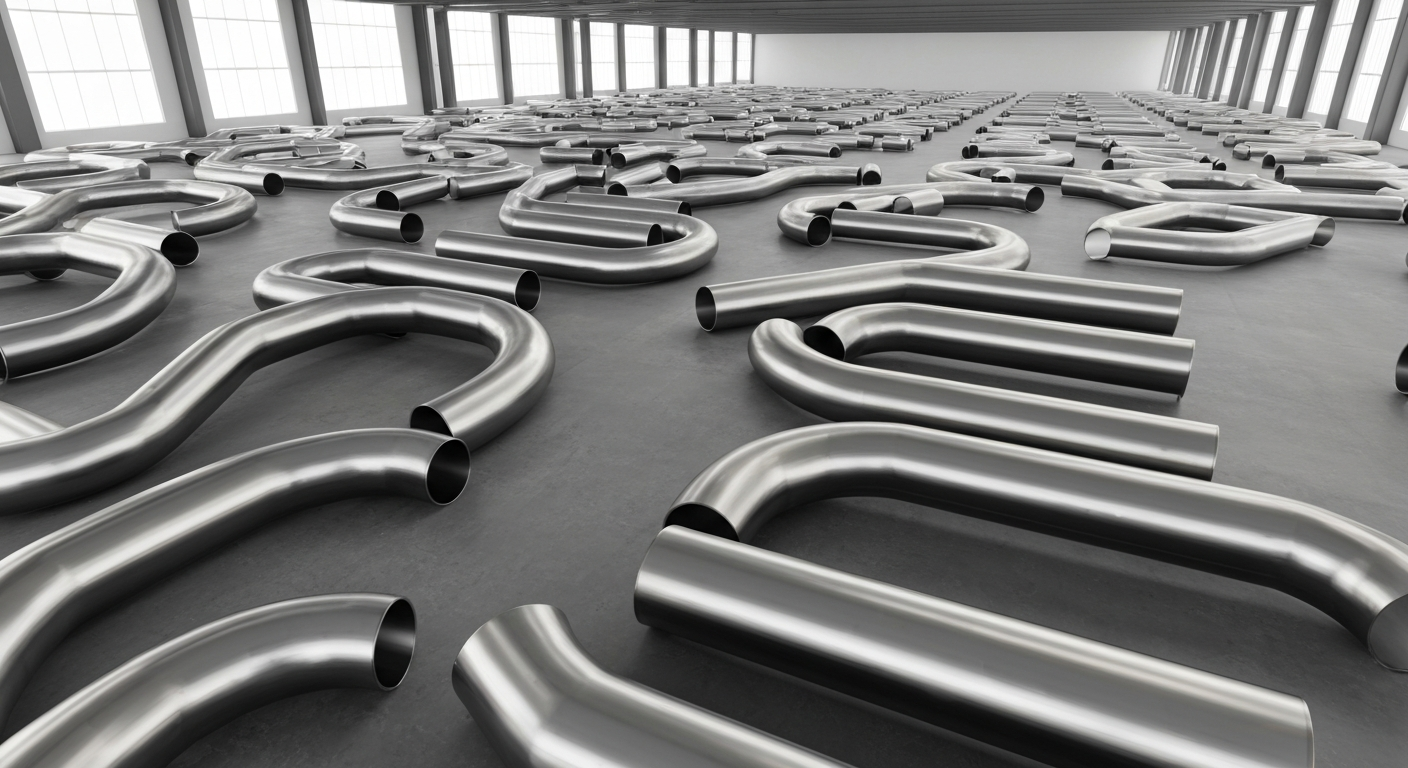
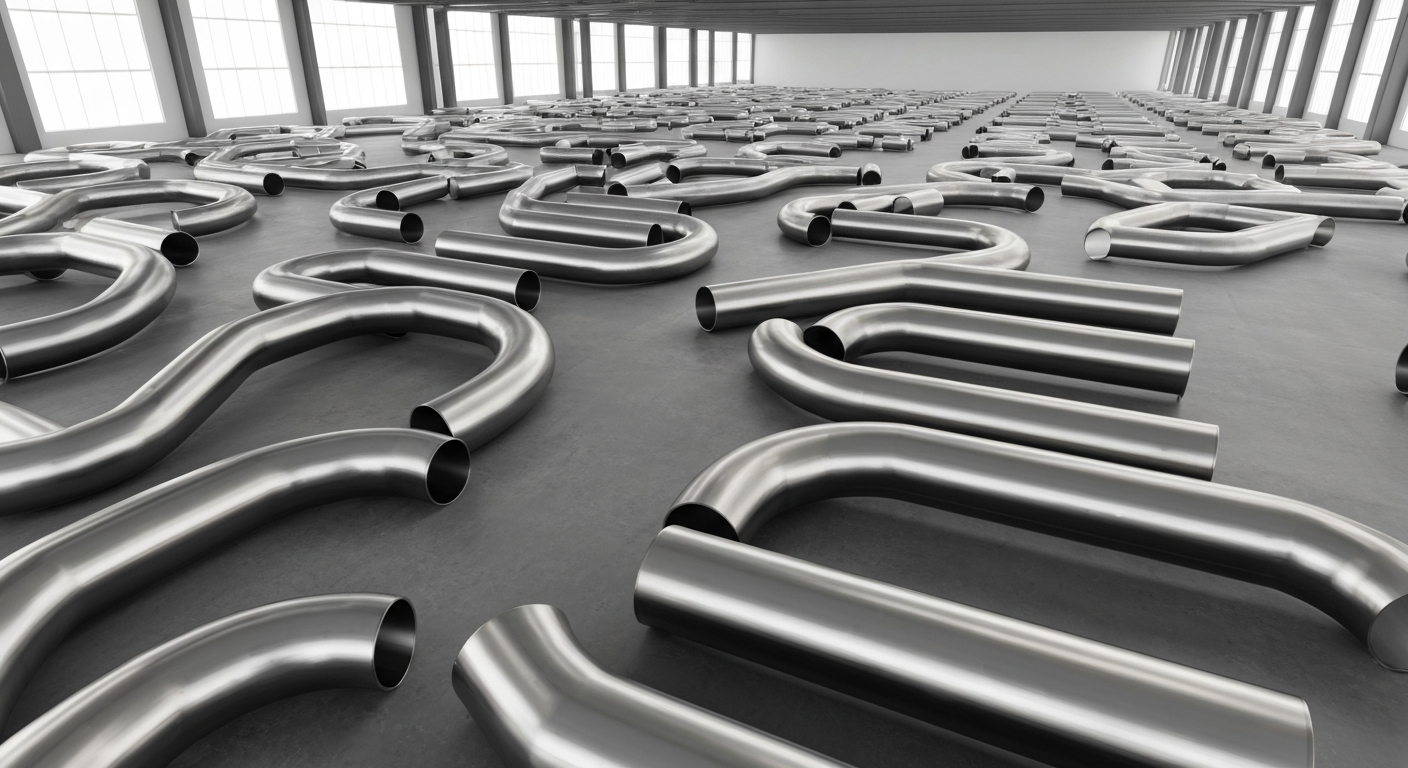
Welcome to our product overview of the 10D API GR.X42/46/56 steel pipe bend. If your work involves pipeline construction or industrial fluid transport, you know how crucial the right components are for safety and efficiency. These specialized pipe bends are designed for high-stakes applications, offering durability and superior performance. In this guide, we’ll explore their specifications, features, and applications, drawing on insights from the practices of leading steel companies in India and beyond, such as Tata and Krakatau. Let’s get started.
The specifications for these pipe bends are defined by the American Petroleum Institute (API), ensuring they meet the high demands of the oil and gas pipeline industry. The GR.X42, GR.X46, and GR.X56 designations indicate the minimum yield strength of the material, providing options for different pressure requirements.
A key feature is the 10D bend radius, which creates a gentle, sweeping turn. This design minimizes friction and pressure drop, making it ideal for maintaining flow efficiency. You can typically find a complete overview of these specifications in a manufacturer’s product data sheet, which details dimensions, tolerances, and material properties for projects in regions like Indonesia and worldwide.
What exactly does a 10D bend radius mean for your pipeline? The “10D” indicates that the radius of the bend is ten times the nominal diameter of the pipe. For example, a 12-inch pipe would have a bend radius of 120 inches. This long, gradual curve has a significant positive impact on the overall performance of a piping system.
This design is particularly beneficial for transporting fluids over long distances. Unlike sharper bends, a 10D bend reduces turbulence and pressure loss, which helps maintain a consistent flow rate and lowers the energy needed to pump the product through the pipeline. A detailed product overview or data sheet, often available as a PDF, will confirm these performance advantages.
The impact on pipe performance includes:
The choice between API GR.X42, GR.X46, and GR.X56 depends entirely on the specific demands of your project. These grades, established by the API, primarily differ in their mechanical strength, particularly their minimum yield strength. The number in the grade name (42, 46, 56) corresponds to its minimum yield strength in thousands of pounds per square inch (ksi).
Higher-grade materials like GR.X56 are used in high-pressure applications where greater structural integrity is non-negotiable. In contrast, GR.X42 might be sufficient for lower-pressure systems, offering a more cost-effective solution. Companies like PT Krakatau in Indonesia and Tata in India produce these various grades to cater to a wide range of industrial needs.
Here is a simple comparison of their primary property:
Grado del materiale | Minimum Yield Strength (ksi) | Common Application Focus |
|---|---|---|
API GR.X42 | 42 | Moderate-pressure oil and gas pipelines |
API GR.X46 | 46 | Intermediate-pressure natural gas lines |
API GR.X56 | 56 | High-pressure and high-stress environments |
To ensure safety and reliability, the manufacturing of 10D API steel pipe bends is governed by stringent international standards. These regulations dictate everything from raw material selection to final testing procedures, guaranteeing that every piece meets global quality benchmarks. Following these standards is a commitment to excellence.
The most critical standard is API 5L, which provides specifications for line pipe used in the petroleum and natural gas industries. In addition to API, manufacturers often adhere to quality management systems like ISO 9001. This certification, held by top producers like Tata Steel, demonstrates a company’s ability to consistently provide products that meet customer and regulatory requirements. You can often find these certifications listed in a product data sheet or a downloadable PDF.
Furthermore, environmental and safety standards such as ISO 14001 are also vital. They ensure that production processes are not only efficient but also environmentally responsible and safe for workers. This comprehensive approach to quality assurance, practiced by steel leaders in India and globally, ensures that the final product is dependable for critical infrastructure.
The long-term durability of a steel pipe bend heavily relies on its microstructure and corrosion resistance. The microstructure refers to the arrangement of grains within the steel at a microscopic level. A fine, uniform grain structure, achieved through controlled heating and cooling during manufacturing, results in superior strength and toughness.
This optimized microstructure directly enhances the pipe bend’s ability to resist corrosion. Irregularities or impurities in the steel can create weak points where corrosion can begin. Reputable manufacturers, such as Krakatau Steel in Indonesia and Tata Steel, invest in advanced production processes to create a homogenous microstructure that provides a more robust defense against corrosive elements.
Ultimately, a well-engineered microstructure ensures that the pipe bend can withstand harsh environmental conditions and the chemical properties of the fluids it transports. This focus on material science is a key part of the product overview, as it guarantees the longevity and safety of the entire pipeline system.
Now that we have a solid overview of the specifications and materials, let’s turn to where and how these pipe bends are used. 10D API GR.X42/46/56 steel pipe bends are indispensable in a variety of industrial settings, especially within large-scale pipeline networks. Their unique properties make them a preferred choice for projects requiring reliability and efficiency.
Proper installation is just as critical as selecting the right component. Following best practices ensures that the pipe bend performs optimally and maintains the integrity of the entire system. In the sections below, we will look at common uses, provide installation guidelines, and discuss the quality testing methods used by producers like Tata Steel and Krakatau. You can often open a product page in a new window for more details.
In a major industrial hub like Singapore, the demand for reliable and efficient piping systems is immense. 10D API steel pipe bends are frequently used across various sectors due to their ability to handle high-pressure flows with minimal energy loss. Their gentle curve is ideal for maintaining fluid dynamics in complex networks.
You’ll find these components in a range of applications, from oil and gas processing plants to municipal water distribution systems. The choice of grade—whether GR.X42, GR.X46, or GR.X56—is determined by the operational pressures and the nature of the substance being transported. Leading steel producers like Tata and Krakatau from regions like Indonesia supply these components for critical infrastructure projects.
Key applications in Singapore include:
Proper installation is essential to harness the full benefits of a 10D steel pipe bend and ensure long-term reliability. Misalignment or improper support can introduce stress points, potentially leading to premature failure and costly downtime. Always begin by consulting the manufacturer’s data sheet for specific instructions.
Before welding, ensure the pipe and bend ends are clean, properly beveled, and perfectly aligned. Any mismatch can compromise the strength of the weld joint. Using appropriate supports and anchors along the pipeline, especially near the bend, is also crucial to manage the weight and forces exerted by fluid flow. These steps are standard practice for any reputable PT or installation company.
For optimal reliability, follow these key guidelines:
To guarantee that each 10D steel pipe bend meets API standards, manufacturers perform a series of rigorous quality tests. This testing process is a fundamental part of the production cycle, ensuring every piece is free from defects and capable of withstanding its intended service conditions. A company overview from a top producer like Tata in India will always highlight its commitment to quality.
These tests can be categorized into non-destructive testing (NDT) and destructive testing. NDT methods evaluate the bend’s integrity without damaging it. Destructive tests, performed on sample pieces from the same batch, verify the material’s mechanical properties. You can often request a PDF of the test certificates for your specific order.
Common quality tests include:
In summary, the 10D API GR.X42/46/56 steel pipe bends are essential components in various industrial applications, particularly within Singapore’s piping systems. Understanding their specifications, features, and installation guidelines will ensure that you make informed decisions for your projects. With the right choice of material and adherence to governing standards, these pipe bends offer reliable performance and durability. Whether you’re involved in construction, manufacturing, or infrastructure development, investing in high-quality pipe bends is crucial for optimal functioning. If you have any questions or need further assistance, feel free to reach out for a consultation to explore how these products can best serve your needs.
10D steel pipe bends are primarily made from high-strength carbon steel. The specific materials conform to API 5L standards, with common grades being GR.X42, GR.X46, and GR.X56. As this overview shows, these grades are chosen for their excellent weldability and durability in demanding environments across India and Indonesia.
Compared to shorter radii like 3D or 5D, 10D bends offer a much more gradual turn. This design significantly reduces fluid friction, pressure drop, and erosion inside the pipeline. This makes them the preferred choice for long-distance transport lines where flow efficiency is critical, a fact noted by producers like Krakatau and Tata.
The main difference between these grades is their minimum yield strength, which is indicated by the number. GR.X56 has the highest strength, making it suitable for high-pressure pipeline applications. GR.X42 and GR.X46 are used for moderate-pressure systems. Reputable manufacturers like Krakatau Steel and Tata in India produce all grades.