Suministro de accesorios de tubería de alta calidad
Mejor socio de los mayoristas de accesorios de tubería, accesorios de tubería en stock, correo electrónico sales@hfittings.com para más detalles


The talk about galvanized pipe is still strong, even though plumbing has seen many changes. This is because many older homes still have these pipes, which have a zinc coating put on to help stop wear and corrosión. They were picked in the past, since people thought of them as a safer choice than lead pipes. But as time went by, these pipes started to show some problems. They can cause low water pressure, and they sometimes trap lead, which is not safe. Their story in fontanería shows both a step forward in safety and some problems that mean we now need to think about replacements.
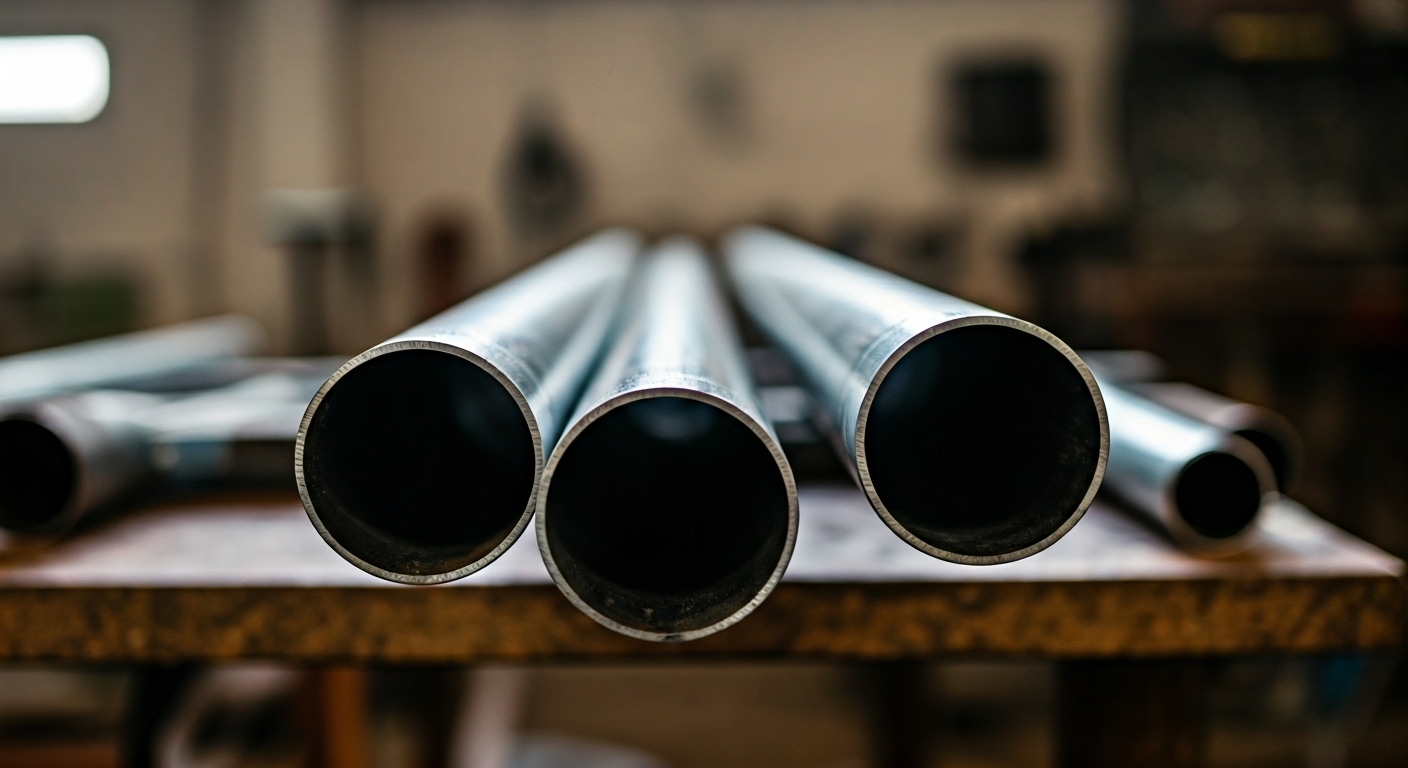
Within modern plumbing, people now like to use new types of pipes instead of galvanized pipes. Still, it is important to know about galvanized pipes, especially if your home was built before 1960. These pipes brought big changes by giving a safer way to carry water than old lead pipes. Their special zinc coating helped a lot.
Now, people are told to change these pipes. This is because of problems like corrosion, low service lines efficiency, and the hidden danger of lead poisoning. Even though galvanized pipes are out of date, it is still important to find and fix them. This helps keep water safe for everyone.
A galvanized pipe is made using steel and then covered in a zinc coating. This thin zinc layer keeps the metal safe from rust and corrosion. It helps protect pipes when they are in water or outside in the weather.
These pipes are easy to spot because of their silver-gray color. For many years, people chose galvanized pipes instead of lead pipes because they seemed good and strong. At first, it looked like they would not fail. But as time went by, the water and use wore them down from the inside. This led to corrosion and buildup of stuff like minerals inside the pipe.
Back then, the zinc coating sometimes came with small amounts of other stuff, and old pipes even had a bit of lead. That made the pipes not work as well and gave people new things to worry about. When iron and other minerals build up because of corrosion, it turns the water a different color and slows down the flow. These pipes were made to fix older problems from lead pipes, but now their age is showing new issues. That is why new and better materials are used these days, to avoid risks from rust and other damage.
Galvanized pipes were often used in the U.S. during the 20th century. They were in many homes and systems because they last a long time. Today, not as many people use them. But, you may still find them in a few places. Knowing where they are found now can help people decide where to change them.
Key uses included:
Aplicación | Detalles |
|---|---|
Service Lines | These pipes sent water from the main line to houses built before 1960. |
Accesorios de tubería | The pipes and fittings did not rust as quickly as other kinds. |
Outdoor Installations | They moved water in gardens or helped with irrigation systems. |
Many old homes and neighborhoods still have these pipes working today. The owners or their utility may not have replaced them yet. It is important to know where these pipes and service lines are. Old pipes can have health risks, like those found in lead lines, and some of this older infrastructure can wear out. Knowing this can help you stay safe.
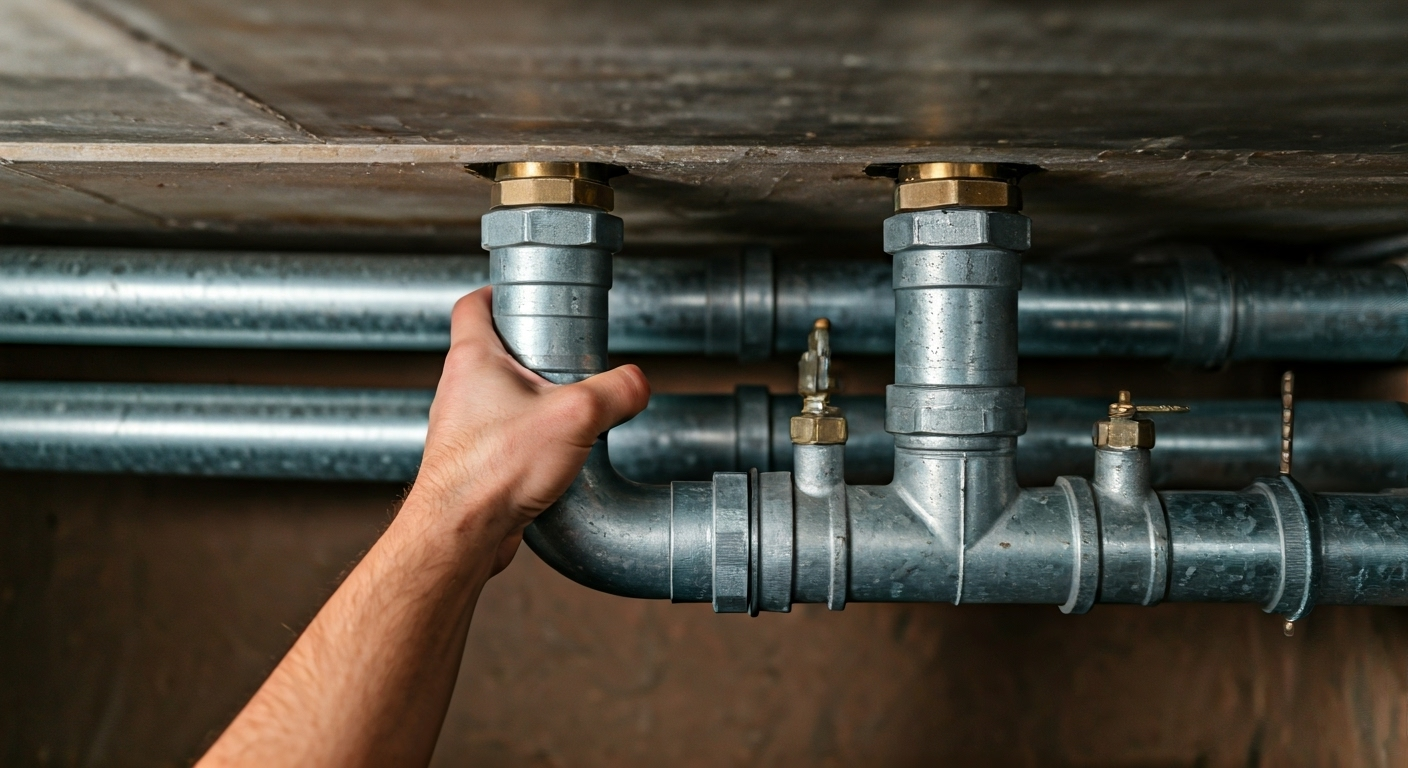
The main good thing about galvanized pipe is how well it fights off corrosion and rust. The zinc coating on these pipes helps to keep them from rusting for years, even in places where there is always a lot of moisture. This made it a good choice to use for plumbing long ago.
But now, the benefits of galvanized pipes do not last as long as you get with new materials like copper or PVC. Even though galvanized pipes are cheap and strong, there are still problems from lead and old pipes getting weaker with time. This shows why it is important to swap out old pipes, especially if your system still uses old parts.
One of the main strengths of galvanized piping is its long life. This is because of the zinc coating that fights rust very well. That is why people used this pipe material in many homes, especially before the year 1960.
But, as these pipes get older, there are big problems. Corrosion will slowly build up inside, and this can make water quality and efficiency drop. With more wear and time, lead can also get into your tap water. This can bring contamination. Today, people have to think about if they want the long life of these pipes, or if the shrinking use because of age is not worth it.
To get the best performance today, people often look at these newer options:
If you use these modern choices, you can keep water quality good. This way, you do not have to face dangers that may be hiding in old, getting corroded pipes.
Galvanized pipes used to get a lot of praise for being cheap, especially next to things like copper pipes. Their price made them the first choice for many big plumbing jobs, especially around the middle of the 1900s.
Now, there are new pipe materials that cost about the same or even less, like PVC. These pipes are easier to use and let water flow better than old galvanized pipes. Copper pipes cost more, but they last much longer than pipes with a layer of zinc.
Cuando se piensa en la necesidad de reparar o sustituir estas tuberías a medida que envejecen, el coste real de utilizar tuberías galvanizadas se dispara. Problemas como la corrosión o las preocupaciones por la calidad del agua hacen que un coste inicial bajo pueda acabar siendo demasiado bueno para ser cierto. Es importante que los habitantes de los hogares y las empresas que gestionan los sistemas de agua piensen no sólo en lo que cuesta la tubería al principio, sino también en estos costes ocultos a lo largo del tiempo.
Al final, los tubos galvanizados son una buena elección para muchos trabajos de fontanería. Duran mucho tiempo y resisten bien la corrosión. El coste es también bajo, así que son grandes para los dueños de una casa que desean guardar calidad y precio en mente. Si sabe lo que pueden hacer las tuberías galvanizadas y dónde utilizarlas, tomará mejores decisiones para su fontanería. Si desea iniciar un nuevo trabajo de fontanería o necesita asesoramiento a su medida, póngase en contacto con nosotros. Nuestro equipo está aquí para ayudarle a encontrar lo que mejor se adapte a su hogar.
Las tuberías galvanizadas pueden entrañar algunos riesgos. Pueden retener plomo del interior de antiguas tuberías de servicio y pueden tener problemas de corrosión en el interior de la tubería. Cuando estas tuberías se conectan a líneas de servicio de plomo, pueden dejar pasar plomo al agua potable. Esto aumenta el riesgo de intoxicación por plomo en el agua. Para una buena seguridad del agua hoy en día, es una buena idea cambiar las tuberías viejas.
La vida de tubos galvanizados pueden ser de 40 a 100 años. Esto depende de cómo se utilicen y de la presión del agua en su interior. Pero con el tiempo, corrosión y óxido empezarán a desgastar las tuberías. Cuando eso ocurre, estas tuberías pierden su resistencia. Muchas casas antiguas tienen problemas en sus líneas de servicio a medida que las tuberías envejecen.
Puedes utilizar tubos galvanizados con cobre o nuevos tipos de materiales para tuberías. Para ello, necesitas buenos accesorios que sellen bien las cosas. Es importante tener cuidado, o podrías acabar con malas conexiones. Esto puede agravar problemas como la corrosión o incluso el agua sucia.
Fallando tubos galvanizados suelen manifestarse en forma de acumulación de óxido, agua marrón, baja presión del agua y fugas. En corrosión ocurre, el material de la tubería se debilita. Si hay lead pipes cerca, el riesgo puede ser aún mayor. Cuando vea marcas marrones en sus fregaderos, es señal de que las tuberías están empeorando.
Cambiar las tuberías galvanizadas en casas antiguas requiere cuidado debido a los antiguos accesorios y a las configuraciones especiales. Este trabajo puede ser duro, pero las nuevas opciones de la plomería como PVC son mejores. Trabajan bien y ayudan a parar problemas futuros de la plomería.