Suministro de accesorios de tubería de alta calidad
Mejor socio de los mayoristas de accesorios de tubería, accesorios de tubería en stock, correo electrónico sales@hfittings.com para más detalles

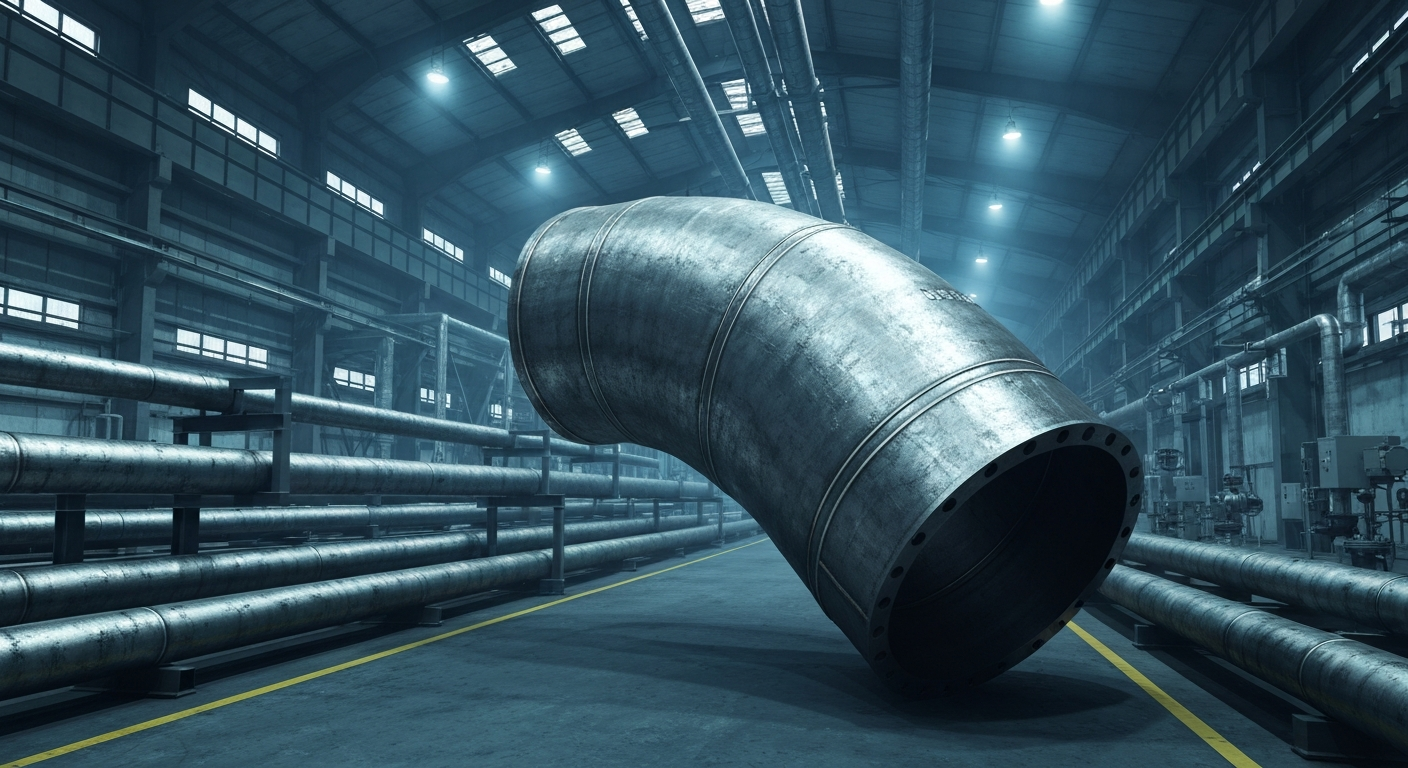

Here is a quick look at the essential information about the 12-inch carbon steel BW seamless elbow.
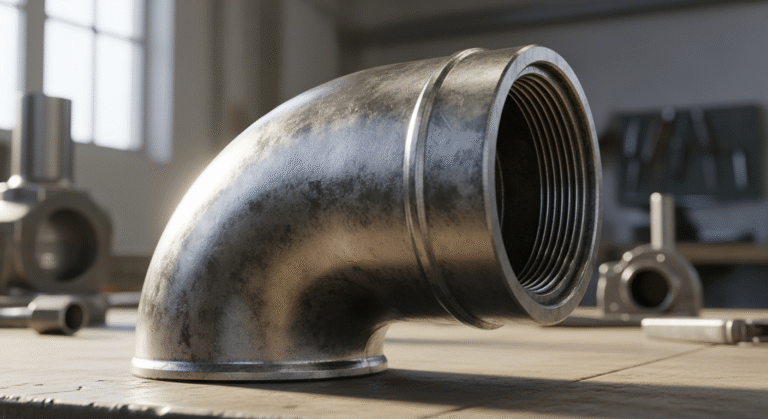
When you are constructing or maintaining an industrial piping system, every component plays a vital role. The 12-inch carbon steel BW seamless elbow is a fundamental pipe fitting that allows you to change a pipeline’s direction safely and efficiently. These butt weld fittings are designed without a seam, offering exceptional strength for demanding applications. Understanding their function and specifications is the first step toward building a reliable and long-lasting piping network.
To ensure you select the right component, it’s important to understand the specifications of a 12-inch carbon steel BW seamless elbow. Key details include the outside diameter, wall thickness, and the degree of the elbow, which dictates the angle of the turn. The pipe size and schedule, such as SCH STD, are critical for matching the elbow to the connecting steel pipe.
Additionally, the material’s carbon content and grade determine its suitability for different pressures and temperatures. These specifications ensure the fitting integrates perfectly into your system and performs reliably. Let’s examine the specific dimensions and material properties you need to know.
The main specifications of a 12-inch carbon steel BW seamless elbow are defined by standards like ASME B16.9 to ensure interchangeability and safety. These dimensions include the nominal pipe size (NPS), which is 12 inches, and the bend radius. The radius is typically either long radius (LR) or short radius (SR), affecting flow characteristics.
Wall thickness is another crucial specification, often denoted by a schedule (Sch) number. SCH STD refers to a “standard” wall thickness, which corresponds to a specific pressure rating for that pipe size. A thicker wall, indicated by a higher schedule number like Sch 80, can withstand higher pressures than a standard weight wall.
Here is a general overview of key dimensional parameters:
Especificación | Descripción |
|---|---|
Size (inch) | 12″ Nominal Pipe Size (NPS) |
Radio | Long Radius (LR) or Short Radius (SR) |
Schedule (Sch) | SCH STD (Standard), SCH40, SCH80, XS, XXS |
Espesor | Varies based on the schedule number |
The performance of a seamless elbow heavily depends on its material grade. For 12-inch carbon steel BW seamless elbows, several grades are available to meet various industrial needs. The most common material grade is ASTM A234 WPB, which is suitable for moderate to high-temperature service. This grade offers a good balance of strength and weldability.
Other available carbon steel grades include ASTM A420 WPL6 for low-temperature applications and ASTM A350 LF2. Each grade has specific chemical properties, including controlled levels of carbon, manganese, and other elements. The carbon content, in particular, influences the steel’s hardness and strength, making it a critical factor in material selection.
These material grades, governed by ASTM standards, ensure that the pipe fittings have the required mechanical and chemical properties to perform safely under specified operating conditions. Choosing the right grade, such as a WPB or another alloy, is essential for the longevity and integrity of your piping system.
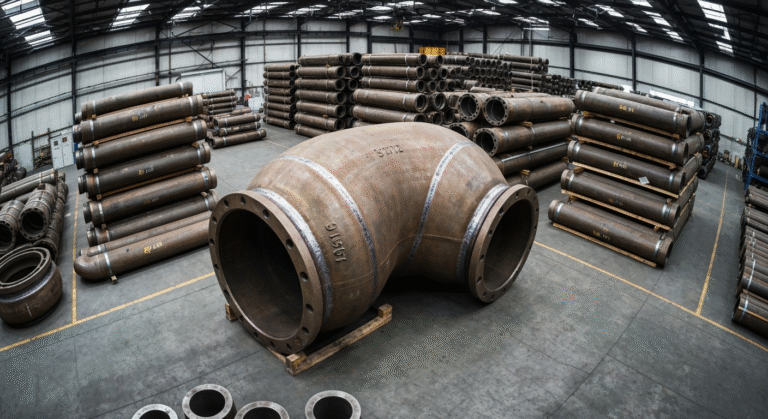
The manufacturing of a 12-inch carbon steel BW seamless elbow begins with high-quality raw materials. These fittings use seamless pipe as the starting material, which is then forged through various processes to achieve the desired shape of an elbow. This seamless construction is a key feature that provides superior strength.
To guarantee safety and reliability, the entire production process must adhere strictly to established industry standards. Compliance ensures that every fitting meets the required specifications for dimensions, tolerances, and material quality. Next, we will explore how seamless construction compares to other methods and the certifications that govern these products.
What is the advantage of using a seamless versus a welded 12-inch carbon steel elbow? The primary benefit lies in its construction. A seamless elbow is manufactured from a single, solid piece of steel pipe. The pipe is heated and formed over a die, creating a continuous fitting with no welded joints. This process results in uniform wall thickness and superior structural integrity.
In contrast, welded pipe fittings are fabricated by joining pieces of plate or pipe together. The welded seam can be a potential weak point, susceptible to corrosion and failure under high pressure or stress. Because seamless elbows lack this seam, they offer greater reliability and a lower risk of leaks, making them the preferred choice for critical applications.
This inherent strength makes the seamless elbow ideal for high-pressure and high-temperature environments where system failure is not an option. The smooth interior also contributes to better flow characteristics, reducing turbulence and pressure drop within the pipeline.
To ensure global quality and safety, 12-inch carbon steel BW seamless elbows must comply with several key standards and certifications. The most prominent standard is ASME/ANSI B16.9, which dictates the dimensions, tolerances, and markings for buttwelding fittings. Adherence to this standard guarantees that fittings from different manufacturers are interchangeable.
In addition to ASME and ANSI, material specifications are governed by ASTM standards. For instance, ASTM A234 covers the material properties for carbon and alloy steel fittings intended for moderate and high-temperature service. These standards ensure the raw materials meet strict chemical and mechanical requirements.
Furthermore, many manufacturers obtain ISO certifications, such as ISO 9001, to demonstrate their commitment to quality management systems. These certifications provide an extra layer of assurance that the production process is consistently controlled and monitored, resulting in reliable and safe pipe fittings for your projects.
When selecting a 12-inch carbon steel BW seamless elbow, you will encounter different types and variants designed for specific needs. The most common variants are distinguished by their angle, primarily 45-degree and 90-degree elbows. The degree of the elbow determines the angle of the directional change in the piping.
The shape of elbows is also defined by the bend radius, which can be Long Radius (LR) or Short Radius (SR). In some cases, you might need a reducer elbow, which connects pipes of different sizes. Let’s look at the design features and common uses for each variant.
The difference between 45-degree and 90-degree elbows is straightforward: it is the angle of the turn they create. A 90-degree elbow provides a sharp, right-angle turn, while a 45-degree elbow offers a more gradual change in direction. The choice depends entirely on the required layout of your piping system.
Another critical design feature is the radius. A Long Radius (LR) elbow has a bend radius of 1.5 times the pipe diameter, allowing for smoother flow and less pressure drop. A Short Radius (SR) elbow has a radius equal to the pipe diameter, making it more compact for tight spaces but creating more flow resistance. This elbow fitting must also match the pipe schedule number for wall thickness consistency.
Common use cases include:
What does “BW” mean when referring to a seamless elbow? BW stands for Butt Weld, a specific type of connection for pipe fittings. In this method, the beveled ends of the elbow and the pipe are placed end-to-end and welded together. This creates a strong, continuous joint between the two components.
Butt welding is a preferred method for high-pressure and high-temperature applications because it forms a permanent, leak-proof seal. These butt weld fittings become an integral part of the pipeline itself. We will now examine the advantages of this connection type and how to choose the right fitting for your project.
Butt weld connections offer significant advantages in industrial piping systems. The primary benefit is the creation of a strong, robust joint that is as strong as the pipe itself. This makes BW fittings ideal for systems operating under high pressure and temperature where joint failure could be catastrophic.
The welding process creates a smooth, continuous surface on the inside of the pipe, which minimizes turbulence and pressure drop. This consistency helps maintain flow efficiency throughout the piping system. Unlike threaded or socket weld fittings, butt weld connections provide a permanently leak-proof seal, enhancing the overall safety and reliability of the pipeline.
Key advantages of butt weld pipe fittings include:
How do you select the right 12-inch carbon steel BW seamless elbow for your project? The selection criteria depend on several key factors detailed in your project specs. First, you must match the elbow’s nominal pipe size and schedule to the connecting pipe to ensure a proper fit and consistent wall thickness. The schedule number (e.g., SCH STD, SCH 40, SCH 80) is critical for pressure handling capabilities.
Next, consider the operating conditions. The fluid type, temperature, and pressure will dictate the required material grade. For standard applications, ASTM A234 WPB is a common choice, but more demanding environments might require a different alloy. The type of pipe fitting and its angle (45 or 90 degrees) and radius (LR or SR) must also align with the pipeline’s layout and flow requirements.
Finally, always ensure the chosen fittings comply with relevant industry standards like ASME B16.9. Adhering to these standards guarantees the quality, dimensions, and safety of the elbow, ensuring it performs as expected within your system.
The 12-inch carbon steel BW seamless elbow is a vital component across many of Singapore’s key industry sectors. Its strength and reliability make it indispensable for building and maintaining robust piping infrastructure. Local suppliers and exporters form a critical supply base, ensuring these essential fittings are readily available for various projects.
The primary responsibility of these fittings is to facilitate directional changes in complex piping networks, handling everything from water to high-pressure gases. Let’s explore their specific uses in major industries and the performance benefits they bring to local projects.
How is a 12-inch carbon steel BW seamless elbow commonly used in piping systems? In demanding sectors like oil & gas, these fittings are essential for transporting crude oil and natural gas through extensive pipelines. Their seamless construction provides the high strength needed to handle the immense pressure and temperature variations found in this industry.
In power generation plants, these elbows are used in high-pressure steam lines and cooling systems where reliability is paramount. The butt weld connection ensures a leak-free system, which is critical for operational safety. Similarly, water treatment facilities rely on these robust fittings to build durable piping networks for processing and distributing water.
Entre las principales aplicaciones figuran:
The advantage of using a seamless versus a welded elbow is particularly evident in large-scale infrastructure projects. The seamless design offers superior structural integrity, completely eliminating the risk of leaks along a weld seam. This inherent strength ensures the long-term safety and durability of public infrastructure, from water supply networks to industrial facilities.
Carbon steel elbows provide excellent mechanical strength, but their performance can be enhanced with protective coatings to resist corrosion. This is especially important in Singapore’s humid climate. By preventing rust and degradation, these fittings contribute to a lower total cost of ownership by reducing maintenance and replacement needs over the system’s lifespan.
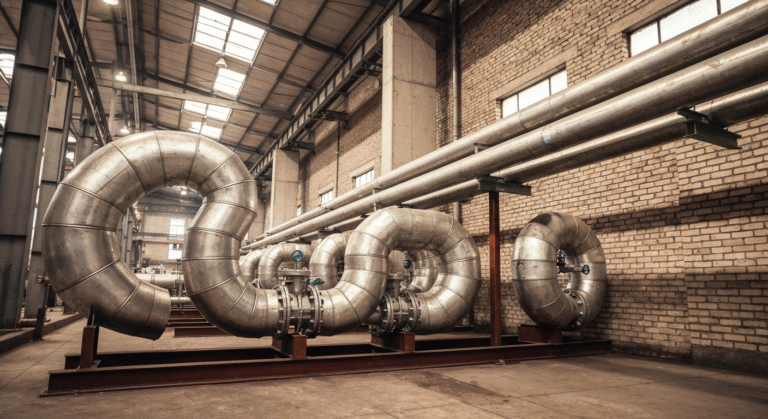
When integrated into a piping system with other high-quality components like flanges and valves, these seamless elbows create a cohesive and highly reliable network. Their robust performance helps ensure that critical infrastructure operates efficiently and safely for years to come.
While carbon steel is strong, it is susceptible to rust when exposed to moisture and oxygen. To enhance its durability, 12-inch carbon steel elbows often receive surface treatments. These coatings provide essential corrosion protection, extending the longevity of the fitting and the entire piping system.
Different coatings are available to suit various environmental conditions and application requirements. A proper surface treatment is a crucial step in preparing the elbow for long-term service. Let’s explore the common coating types and their specific benefits.
Are 12-inch carbon steel BW seamless elbows available with different coatings? Yes, several types of coatings are commonly applied to provide corrosion protection. The choice of coating depends on the installation environment and the fluid being transported. These custom coatings are designed to prevent rust and extend the service life of the carbon steel elbow.
A simple yet effective treatment is a light coating of transparent or rust-proof black oil. This is typically used for protection during shipping and storage. For more robust and long-term protection, hot-dip galvanizing is a popular option. This process involves coating the elbow in a layer of zinc, which acts as a sacrificial barrier against corrosion. Other advanced coatings like 3LPE are available for buried or submerged pipelines.
Common coating options include:
Corrosion is a primary concern for any component made of carbon steel. Without proper protection, rust can weaken the elbow over time, potentially leading to leaks or system failure. Applying the right coatings is therefore essential for ensuring the longevity and safety of your piping system. A well-chosen coating acts as a barrier between the steel and corrosive elements in the environment.
The level of corrosion protection required depends on the application. For indoor or less aggressive environments, a simple oil or paint coating may suffice. However, for outdoor, underground, or marine applications, more advanced coatings like hot-dip galvanizing or 3LPE are necessary to provide long-lasting defense against degradation.
By investing in proper surface treatments, you can significantly extend the life of your 12-inch carbon steel elbows. This proactive approach minimizes maintenance costs and ensures the continued integrity of your pipeline, supported by a reliable supply base that offers these protective options.
Selecting the correct 12-inch carbon steel BW seamless elbow is critical for the success of your project. The process involves more than just finding the right size; it requires careful consideration of material selection, project specifications, and compliance with industry standards. Making the right choice ensures system integrity, safety, and longevity.
Working with knowledgeable suppliers and distributors can simplify this process, as they can help you navigate the various options to find the perfect fit. Let’s review the key factors to consider during selection and the importance of partnering with local experts.
How do you select the right 12-inch carbon steel BW seamless elbow for your project? Your decision should be guided by your specific project specs. The most critical factors are ensuring the fitting’s dimensions and material align with the requirements of your piping system.
Start by confirming the sizing. The elbow must have a 12-inch nominal pipe size to match the pipeline. You also need to specify the correct wall thickness by identifying the required pipe schedule (e.g., SCH 40, SCH 80, or STD). This ensures the elbow can handle the system’s operating pressure. The material grade is equally important; ASTM A234 WPB is standard, but other material grades may be needed for different temperatures or corrosive environments.
Key selection factors include:
Once you have identified your project’s needs, partnering with the right local suppliers and distributors in Singapore is the next step. Reputable suppliers provide more than just products; they offer expertise and ensure the components you receive are certified and meet all required standards. They are a crucial part of the supply base for any major project.
Building a relationship with a trusted distributor guarantees consistency in quality. They can help verify that the elbows have the correct material grades, dimensions, and coatings for your application. These suppliers often work directly with manufacturers and exporters, giving you access to a wide range of products and ensuring a steady supply chain.
When you work with experienced local suppliers, you benefit from their knowledge of regional standards and environmental conditions. They can guide you in selecting the most durable and cost-effective solutions, helping you avoid potential issues and ensuring your project is completed successfully.
In summary, the 12-inch carbon steel BW seamless elbow is vital across various industries, particularly in oil and gas, power generation, and water treatment. Its impressive specifications and manufacturing standards ensure reliability and efficiency in industrial piping systems. When selecting the right elbow, consider factors such as sizing, material, and project requirements to guarantee optimal performance. Additionally, collaborating with local suppliers in Singapore can streamline your purchasing process. By understanding the applications and advantages of these components, you can make informed decisions that enhance your project’s success. If you’re ready to explore your options further, don’t hesitate to reach out for assistance or consultation.
SCH STD stands for Schedule Standard. It refers to a “standard” wall thickness for a 12-inch pipe fitting as defined by industry standards. This standard weight classification helps determine the elbow’s pressure rating. The pipe schedule number is crucial for matching the elbow’s wall thickness to that of the connecting pipe.
A seamless elbow is forged from a single piece of raw material, giving it uniform strength and no weak points. In contrast, a welded elbow is made by joining pieces of steel, creating a seam that can be vulnerable to stress and corrosion. Seamless butt weld fittings offer greater consistency and reliability.
Yes, custom coatings are available to provide corrosion protection for 12-inch carbon steel elbows. Common options include rust-proof black oil, hot-dip galvanizing, and advanced coatings like 3LPE. The right coating prevents rust and extends the fitting’s service life, especially in harsh environments, reducing long-term maintenance needs.