Provide High Quality Pipe Fitting Products
Best partner of pipe fitting wholesalers, pipe fittings in stock, email sales@hfittings.com for details

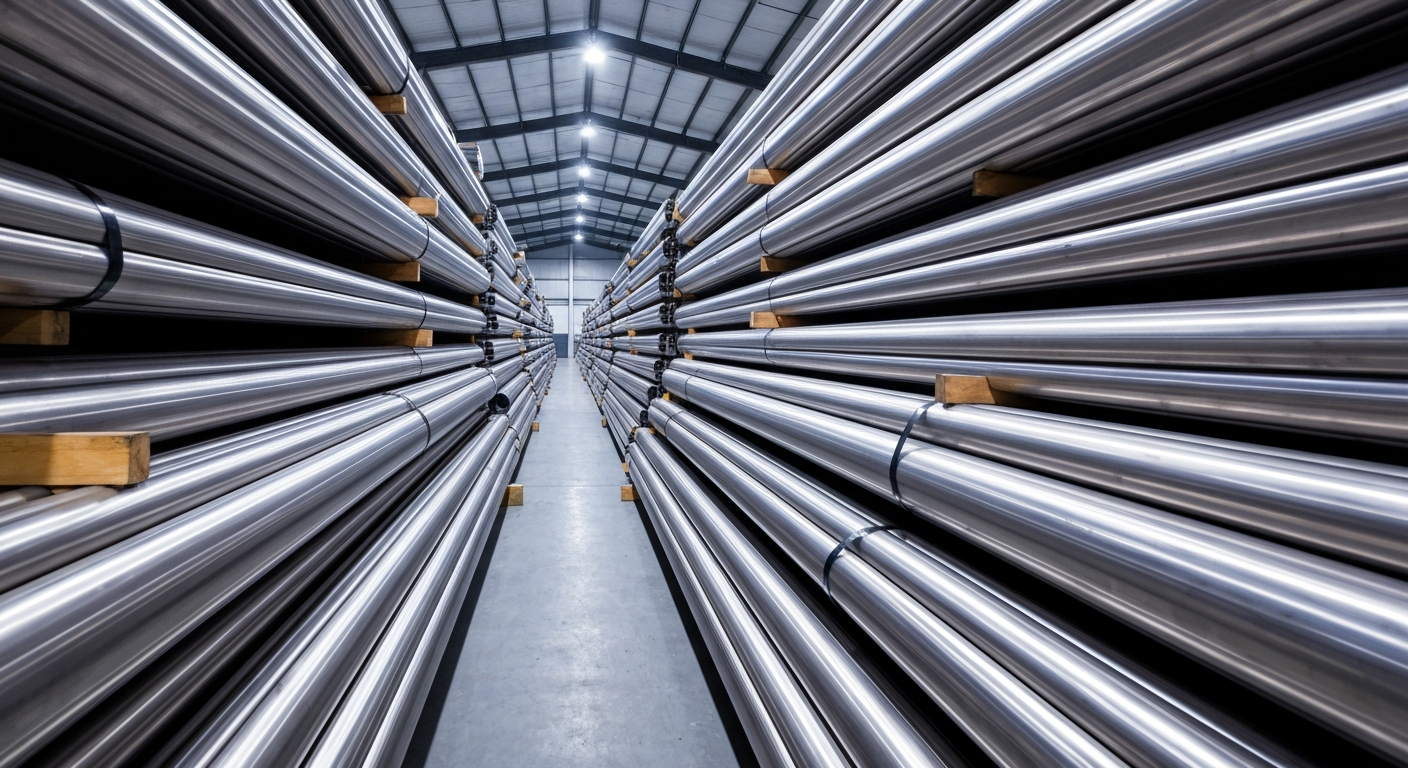
Are you looking for a reliable material for your next construction or industrial project? Stainless steel pipes are a leading choice in Singapore for good reason. Known for their incredible strength and impressive corrosion resistance, these pipes provide a durable solution for a variety of needs. From supporting large-scale infrastructure to ensuring clean water flow in plumbing systems, stainless steel offers performance you can count on. This guide will walk you through everything you need to know about using and sourcing these versatile pipes.
Not all stainless steel pipes are created equal. Different projects require a specific type of stainless steel pipe to ensure optimal performance. In Singapore, you can find popular grades like 304, 316, and even specialized duplex stainless steel pipes. Each grade has unique properties that make it suitable for a wide range of applications.
Whether you need a pipe that can handle high temperatures in industrial settings or one that can resist harsh chemicals in chemical industries, there is a grade designed for the job. Understanding these differences is the first step to selecting the perfect material for your needs. Let’s look at some of the most common options available.
When you start looking at stainless steel pipes, the grades 304 and 316 will come up frequently. So, how do you choose between them? Grade 304 is the most common and is known for its high strength and good corrosion resistance. It contains both chromium and nickel, making it a versatile and affordable choice for many applications, from kitchen equipment to architectural trim.
Grade 316, on the other hand, takes durability a step further. It includes molybdenum in its composition, which significantly enhances its resistance to chlorides and other harsh chemicals. This makes it the preferred choice for marine environments, chemical processing plants, and any project where the material will face more extreme conditions.
While both grades offer exceptional strength and contribute to the structural integrity of a project, the decision often comes down to the environment. For general use, 304 is excellent, but for challenging or corrosive settings, 316 provides that extra layer of protection.
Choosing the right grade of stainless steel pipe is crucial for the success and durability of your project. The key is to match the type of stainless steel pipe to the specific demands of its environment. Think about what your pipe will be exposed to. Will it be moisture, chemicals, or extreme temperatures? Answering these questions will guide you to the best option.
For example, a project involving food processing requires a grade that offers excellent hygiene and prevents contamination, making austenitic steels like 304 a great fit. However, if your application involves high-pressure systems or exposure to saltwater, a duplex grade might be more appropriate.
Consider these factors when making your decision:
The versatility of stainless steel pipes means they are used in various industries across Singapore. Their unique combination of strength, corrosion resistance, and clean appearance makes them suitable for a wide range of applications. You can find these pipes everywhere, from the framework of towering skyscrapers to the intricate systems within manufacturing plants.
In everything from plumbing and construction to other key industrial sectors, stainless steel provides reliability where it matters most. Let’s explore some of the specific ways these pipes are put to work in different environments.
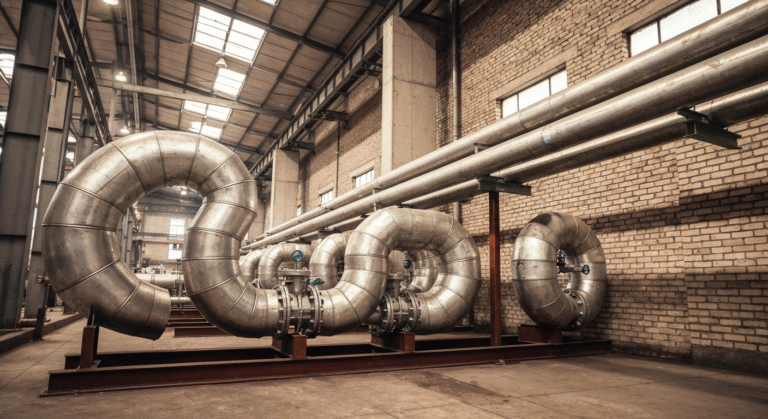
One of the main uses of stainless steel pipes in Singapore is in plumbing and construction. In plumbing, their non-porous surface helps maintain high hygiene standards and prevents bacterial growth, which is critical for clean water systems. In construction, they are used for structural supports, handrails, and other visible accessories where both strength and aesthetic appeal are important.
The industrial sectors also rely heavily on these pipes. Chemical processing plants use them to safely transport corrosive substances, while the food processing industry depends on them to prevent contamination. Their ability to handle different materials without degrading makes them an essential component in manufacturing.
Here are just a few common applications:
Are you concerned about how materials will hold up in Singapore’s tropical climate? The constant high humidity and salty air can quickly cause rust and corrosion on many metals. This is where stainless steel pipes truly shine. They are naturally designed to resist these exact conditions, making them perfect for humid environments.
The secret lies in the chromium content, which forms a protective passive layer on the surface of the steel. This layer shields the pipe from moisture and oxidation, ensuring good corrosion resistance over the long term. Whether used outdoors, near the coast, or in damp indoor areas, you can trust stainless steel to maintain its integrity without succumbing to rust.
Because of this resilience, stainless steel is an ideal material for infrastructure projects that need to last. Materials that meet international standards like ASME and ASTM provide an extra assurance of quality, guaranteeing performance even in the most challenging environments.
Once you’ve chosen the right grade of stainless steel, the next step is to consider the physical specifications. Stainless steel pipes come in a wide variety of sizes and dimensions, defined by their diameter and wall thickness. Getting the sizing right is essential for your system to function correctly and safely.
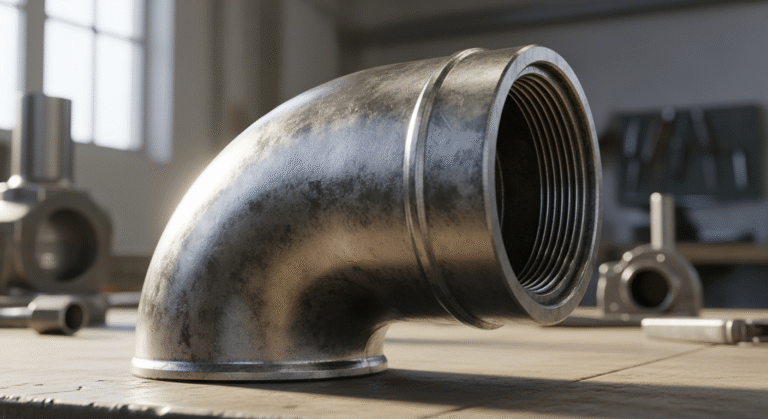
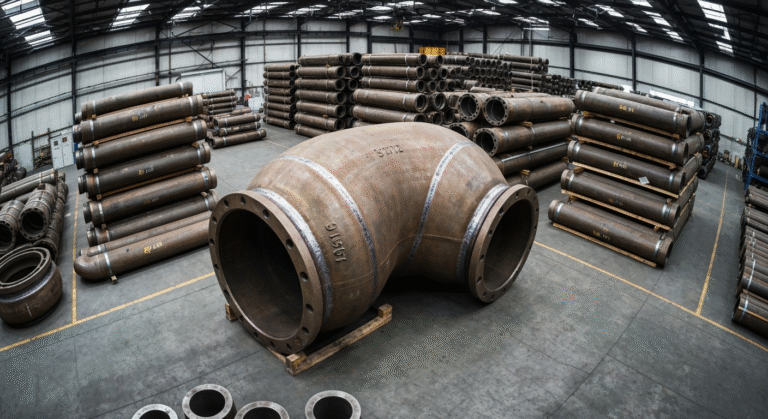
Beyond the pipes themselves, you also need to think about the components that connect them. This includes a range of pipe fittings, such as elbows, tees, flanges, and valves. These accessories are just as important as the pipes, as they ensure a secure, leak-proof system.
In Singapore, you can find stainless steel pipes in a range of common sizes to fit almost any project. The dimensions are typically standardized according to international specifications from organizations like ASTM, ASME, and ISO. This ensures that pipes and fittings from different manufacturers are compatible and meet consistent quality benchmarks.
The size of a pipe is usually identified by its nominal diameter and schedule, which relates to the wall thickness. A higher schedule number means a thicker wall, which is suitable for higher-pressure applications. Your supplier can help you determine the correct diameter and schedule based on your project’s flow rate and pressure requirements.
Here are some examples of common specifications you might encounter:
Specification | Description |
|---|---|
Nominal Pipe Size (NPS) | A North American standard set of sizes for pipes used for high or low pressures and temperatures. |
Diameter Nominal (DN) | A European and international designation equivalent to NPS. |
Pipe Schedule (SCH) | A standard that specifies the wall thickness of the pipe. Common schedules include SCH 10, SCH 40, and SCH 80. |
Proper installation is key to a long-lasting stainless steel piping system, and that starts with using compatible pipe fittings. You should always use stainless steel fittings with stainless steel pipes to prevent galvanic corrosion, which can occur when two different metals are in contact. These accessories, including flanges and fasteners, are available in grades that match the pipes themselves.
During installation, it’s important to ensure all connections are clean and properly sealed. For applications where hygiene is a priority, such as in the food and beverage industry, welding is often the preferred method for joining pipes to create a smooth, seamless interior that is easy to clean and sanitize.
Here are some compatible fittings you will need:
The benefits of choosing stainless steel pipes go far beyond their appearance. Their primary advantage is their exceptional strength and corrosion resistance, which ensures longevity and reduces the need for frequent replacements. This durability means your project will stand the test of time with minimal maintenance required.
In addition, stainless steel is a sustainable choice. Its long life cycle and recyclability help minimize its environmental impact, making it a responsible option for modern construction and industry. Let’s look closer at what makes this material such a valuable investment.
What are the key benefits of using stainless steel pipes over other materials like galvanized steel or plastic? The most significant advantage is its superior corrosion resistance. Unlike other metals that can rust or degrade over time, especially when exposed to moisture, stainless steel maintains its structural integrity for decades. This durability translates directly into longevity.
This long lifespan means you won’t have to worry about costly replacements or repairs down the road. A system built with stainless steel is a long-term investment that provides peace of mind. Its ability to offer good corrosion resistance ensures consistent performance year after year.
Furthermore, this extended service life has a positive environmental impact. By using a material that lasts longer, you reduce the consumption of resources and the waste generated from replacing less durable alternatives. This makes stainless steel a smart choice for both your budget and the planet.
While the initial cost of stainless steel might be higher than some other materials, its long-term value is unmatched. The price of a project depends on factors like the grade, diameter, and total length of the pipes needed. However, when you factor in the minimal maintenance and long lifespan, stainless steel often proves to be the most cost-effective choice.
Its durable nature means you save money on repairs and replacements that other materials would require. Stainless steel pipes do not need painting or coating and can stand the test of time with just occasional cleaning.
This focus on longevity also contributes to its positive environmental impact.
Now that you understand the benefits of stainless steel pipes, the next step is finding the right supplier. The quality of your materials is just as important as the installation, so it’s crucial to partner with a reputable source. Reliable stainless steel pipe suppliers in Singapore will offer a wide range of products and have the expertise to help you select the best options for your specific needs. A trusted supplier ensures that the materials you purchase meet stringent quality standards.
For those looking for high-quality solutions for a wide range of applications, companies like HiMetal Enterprise Pte Ltd have become a preferred choice in the market. A good supplier can guide you through the different grades, sizes, and fittings to ensure your project’s success. Let’s explore what to look for when making your selection and some tips for purchasing.
If you’re wondering where to buy stainless steel pipes locally in Singapore, it pays to do a little research first. When selecting a supplier, quality should be your top priority. A reliable supplier will be able to provide documentation and certifications to prove their products meet industry standards. Look for certifications like ISO, which indicates a commitment to quality management.
Another key factor is the supplier’s inventory and expertise. Do they stock a wide range of grades and sizes? Can they offer expert advice to help you choose the right product for your application? A knowledgeable supplier can save you time and prevent costly mistakes.
Finally, while cost is always a consideration, don’t let it be the only factor. The cheapest option may not offer the quality or durability you need. Instead, look for a supplier that offers a fair price for high-quality, certified products. This approach ensures you get the best value for your investment.
Whether you are making a large purchase for a business or buying materials for a personal project, a few purchasing tips can help streamline the process. Before you contact a supplier, try to have a clear idea of your project requirements. Knowing the grade, diameter, and length of the pipes you need will make getting an accurate quote much easier.
Don’t forget to ask about all the necessary accessories. A good supplier should be able to provide you with a complete package, including all the fittings, fasteners, and other stainless steel products needed for your installation. This saves you the hassle of sourcing parts from multiple places.
Here are a few quick tips for both individual buyers and businesses:
In summary, choosing high-quality stainless steel pipes is crucial for ensuring durability and performance in various applications, especially in Singapore’s humid environment. Understanding the popular grades available, their specific applications, and the sizing and fitting requirements will empower you to make informed decisions. Additionally, partnering with reliable suppliers can enhance your procurement process and ensure you receive the best products suited to your needs. If you’re ready to take the next step in sourcing stainless steel pipes, don’t hesitate to reach out and explore your options with trusted suppliers in your area!
Yes, absolutely. Stainless steel pipes are an excellent choice for plumbing in Singapore. Their high resistance to corrosion prevents rust, even in the humid climate, and their smooth, non-porous surface ensures great hygiene by preventing bacterial growth. This makes them a durable and safe option for clean water systems.
The main difference lies in how they are measured and used. Stainless steel pipes are measured by their inside diameter and are primarily used for transporting fluids or gases. Tubes are measured by their outside diameter and are typically used in applications that require precise dimensions and structural integrity.
To estimate the pricing for your project, you’ll need to know the grade of stainless steel, the required diameter and wall thickness, and the total length. The cost of stainless steel pipes is also influenced by market prices. For an accurate quote, provide these details to a supplier, and don’t forget to include the cost of necessary fittings.