Fornecer produtos de alta qualidade para acessórios para tubos
Melhor parceiro de grossistas de acessórios para tubos, acessórios para tubos em stock, email sales@hfittings.com para mais detalhes

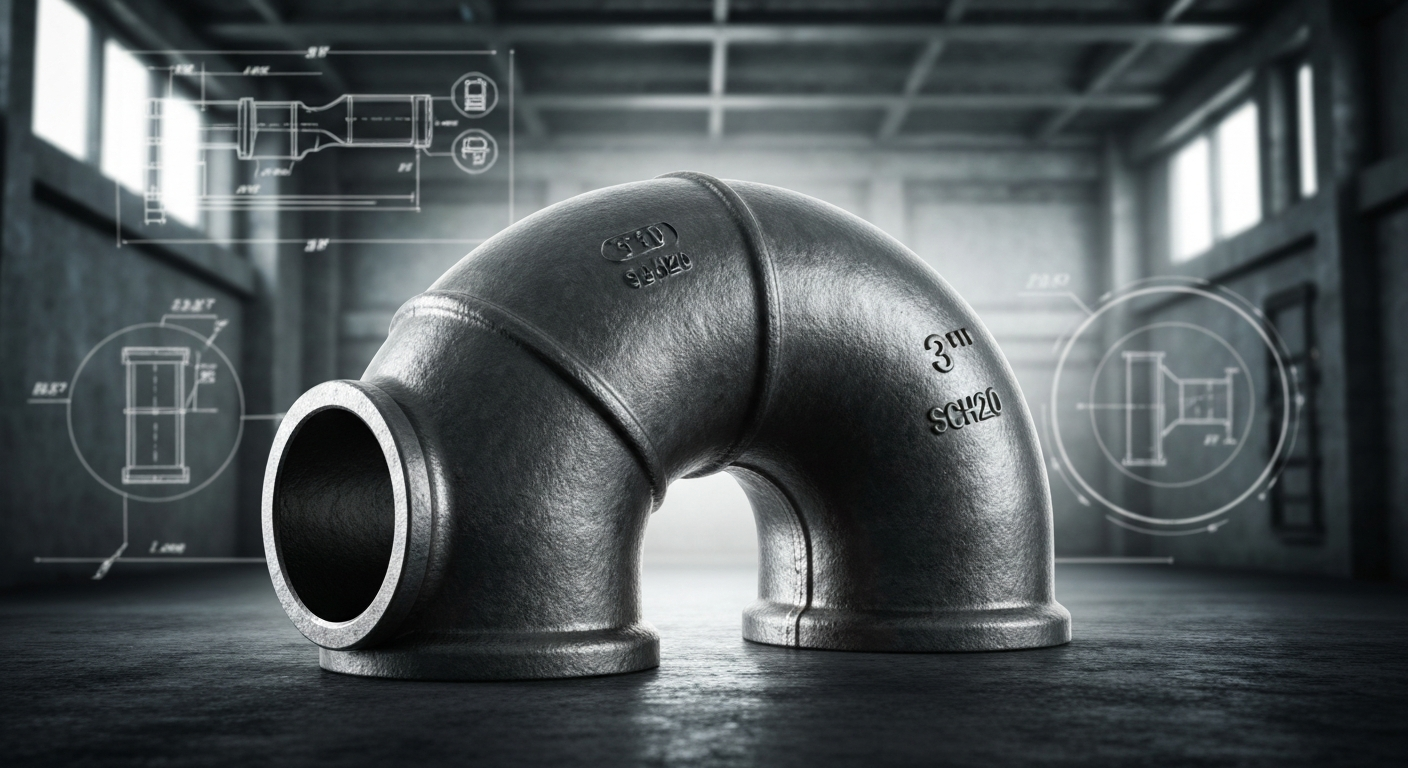
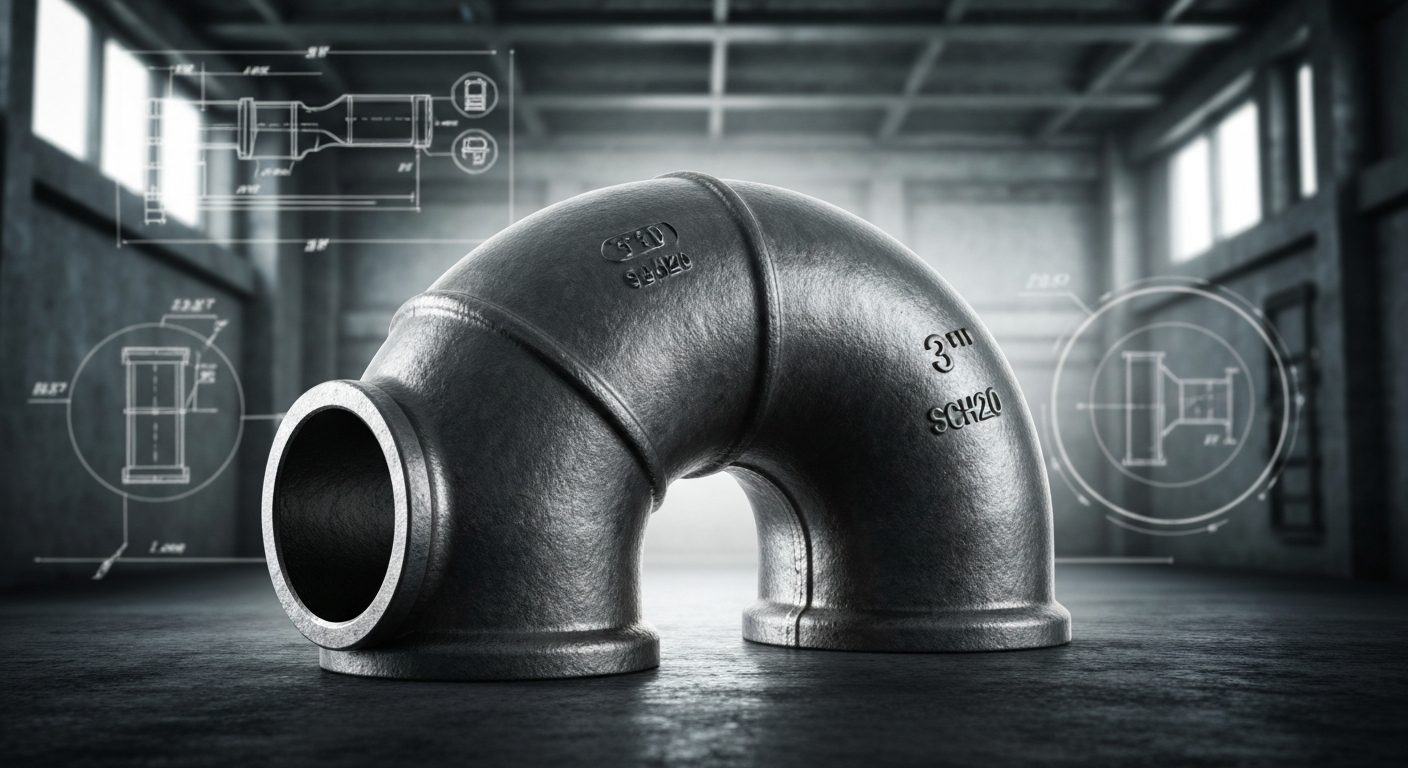
Welcome to your complete guide on the 3 inch SCH20 elbow. If you’re involved in any kind of piping project, you know that every pipe fitting matters. This specific degree elbow is designed to change the flow direction in a pipeline. But what’s the difference between a long radius and a short radius elbow? Understanding this distinction is crucial for designing an efficient and reliable system. This article will explain everything you need to know about this essential stainless steel component.
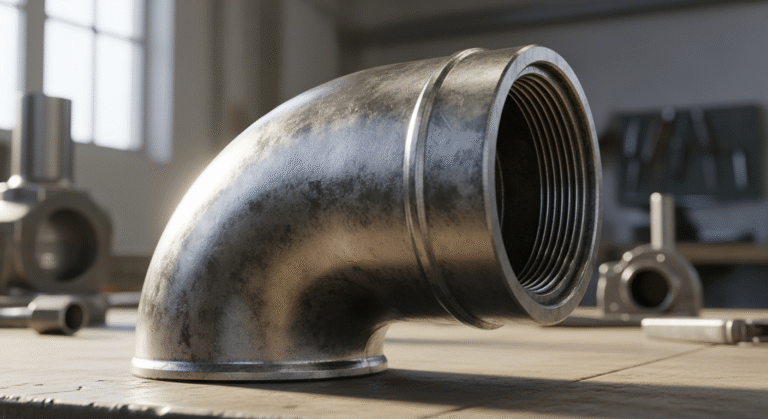
A 3 inch SCH20 elbow is a fundamental type of steel pipe fitting designed to redirect a pipeline. This degree elbow allows you to create turns, navigate around obstacles, and build more complex layouts without disrupting the fluid’s path. Its primary role is to connect straight pipes at an angle, making it indispensable in any piping system.
The “SCH20” part of its name refers to the thickness of the pipe wall, which is designed for low-pressure environments. Because of this, the 3 inch SCH20 elbow is commonly found in applications like water supply, drainage, and other systems where high pressure is not a factor.
The versatility of the 3 inch SCH20 elbow makes it a popular choice across residential, commercial, and industrial sectors. In residential piping, these elbows are frequently used for drainage and vent systems where low pressure is the norm. Their reliability ensures a long-lasting and secure connection for essential home plumbing.
For commercial buildings, these fittings are integral to fire protection systems and general water supply lines. Their ability to handle moderate flow while fitting into various building layouts makes them a practical option. The industrial world uses these elbows in a much wider range of applications, thanks to their durability and material options.
You will find them in many industrial settings, including:
When selecting a 3 inch SCH20 elbow, the material is one of the most important factors to consider. The material directly impacts the fitting’s durability, corrosion resistance, and suitability for different environments. Choosing the correct one ensures your piping system performs safely and effectively for years to come.
The most common materials are stainless steel and carbon steel, each offering distinct benefits. Stainless steel is prized for its ability to resist rust and chemical damage, while carbon steel is known for its strength and affordability. Some specialized applications may even use alloy steels for unique performance requirements.
Here is a quick comparison of the main material options:
Understanding pipe schedules is crucial for selecting the right fittings, like the 3 inch sch20 elbow. Schedule 20, often abbreviated as sch20, specifies the wall thickness and pressure rating of pipes and fittings, ensuring they can handle the required fluid flow efficiently. For instance, the inner diameter and outer diameter may vary, but the tensile strength remains consistent. This standard enables easy integration into various piping systems, whether for water supply, natural gas, or food processing applications.
The SCH20 designation directly relates to the elbow’s wall thickness and, consequently, its pressure rating. Because SCH20 pipes have thinner walls, they are designed for low-pressure and low-temperature applications. The exact pipes pressure rating depends on both the schedule and the pipe’s diameter; a smaller pipe can generally handle more pressure than a larger one of the same schedule.
These specifications are critical for ensuring the safety and longevity of your piping system. Choosing an elbow with the wrong pressure rating could lead to system failure, so it’s vital to match the fitting to your operational requirements. While SCH20 is great for less demanding jobs, higher-pressure systems require fittings with a greater thickness of the pipe wall.
Here is a simple comparison of common schedules for a 3-inch pipe:
Pipe Schedule | Nominal Wall Thickness (inches) | Pressure Suitability |
|---|---|---|
SCH20 | 0.120 | Low Pressure |
SCH40 | 0.216 | Medium Pressure |
SCH80 | 0.300 | High Pressure |
The ASME B16.9 and ASTM A403 standards are essential guidelines that ensure the quality and reliability of sch20 elbows used in various applications. These specifications dictate the design, dimensions, and tolerances for stainless and carbon steel pipe fittings, including both long and short radius elbows. Compliance with these standards guarantees proper wall thickness for optimal pressure rating and corrosion resistance, contributing to efficient fluid flow in piping systems, whether for natural gas, water supply, or food processing.
When selecting a 3 inch SCH20 elbow, one of the first decisions you’ll face is whether to use a long radius (LR) or short radius (SR) version. Both types of this pipe fitting achieve a change of direction, but they do so with a different curve, or radius. This seemingly small difference has a big impact on flow and system layout.
The choice between a long radius and short radius elbow depends on your system’s specific needs, including the available space and the importance of maintaining flow pressure. Understanding their distinct characteristics will help you make the right decision for your project. Let’s look at what sets them apart.
The fundamental difference between long and short radius elbows lies in their dimensions. A long radius elbow has a center-to-end distance that is 1.5 times the nominal pipe size (NPS). In contrast, a short radius elbow’s center-to-end distance is equal to the NPS. For a 3-inch pipe, this means an LR elbow has a 4.5-inch radius, while an SR elbow has a 3-inch radius.
This dimensional difference directly affects the hydrodynamics within the pipe. A long radius elbow provides a gentler, more gradual turn. This results in less flow resistance, minimal pressure drop, and more efficient fluid flow. A short radius elbow creates a much sharper turn, which increases turbulence and pressure drop.
Here’s how their characteristics compare:
Making the right choice for your piping system involves balancing several key factors. You need to think about the physical constraints of your installation space as well as the operational demands of the system. Answering a few simple questions can guide you to the correct elbow type.
Are you working in a cramped area? Is maintaining flow pressure your top priority? What kind of fluid will be passing through the pipes? The answers will point you toward either a long or short radius elbow. Both offer excellent durability and versatility, but their performance varies based on the application.
Consider these factors when making your selection:
Proper installation is key to a secure and leak-free piping system. Before you begin fitting your 3 inch SCH20 elbow, it is important to take accurate measurements and prepare the pipe ends correctly. A successful installation ensures the pipe fitting performs as expected and maintains the integrity of the entire system.
The process involves careful measuring, cleaning, alignment, and welding. Following a step-by-step procedure will help you achieve a safe and effective connection. Let’s explore the basic techniques for measuring and fitting these elbows correctly.
Before you can install a new elbow or replace an old one, accurate measuring is a must. Mismatched components can lead to leaks or system failure, so taking the time to verify dimensions is a critical first step. You need to ensure the elbow perfectly matches the pipe it will connect to.
The main specifications to check are the nominal pipe size (NPS), outer diameter, and wall thickness (schedule). For a 3 inch SCH20 elbow, the NPS is 3 inches, and the schedule is 20. Confirming these details ensures a seamless fit and a secure, leak-proof joint.
Follow these simple steps for measuring:
Once your measurements are confirmed, you can proceed with the installation. A methodical approach to fitting ensures a strong, durable, and safe connection. The most common method for installing steel elbows like this is butt welding, which creates a permanent and robust joint.
Start by preparing the surfaces. Any dirt, rust, or grease on the pipe ends or the elbow can compromise the weld quality. Clean surfaces and proper alignment are essential for a successful fitting. Always wear appropriate safety gear, including gloves and eye protection, during the installation process.
Here is a step-by-step guide for a safe fitting:
The material of your 3 inch SCH20 elbow plays a huge role in its performance and lifespan. Different materials offer different benefits, such as enhanced strength, corrosion resistance, or affordability. The two most prominent choices for these fittings are stainless steel and carbon steel.
Choosing the right material depends entirely on the application. For systems exposed to moisture or chemicals, stainless steel is often the best choice. For general-purpose systems where strength is key, carbon steel provides a reliable and cost-effective solution. Let’s compare these materials more closely.
The debate between stainless steel and carbon steel comes down to a trade-off between corrosion resistance and cost. Both materials offer excellent durability and performance for SCH20 applications, but they excel in different environments.
Stainless steel, particularly grade 304, is renowned for its superior ability to resist rust and corrosion. This makes it the go-to choice for industries like food processing, pharmaceuticals, and marine applications where hygiene and resistance to harsh elements are paramount. While it is more expensive, its long-term performance in corrosive environments often justifies the cost. Carbon steel is valued for its strength and lower price point, making it a popular option for general construction and industrial piping where conditions are less severe.
Key differences include:
Yes, the 3 inch SCH20 elbow is well-suited for both water and gas pipelines, provided the system operates at a low pressure. The choice of material is important here. For water supply lines, especially those carrying potable water, stainless steel is often preferred for its excellent corrosion resistance and hygienic properties.
In natural gas distribution networks, both carbon steel and stainless steel elbows are used. Carbon steel is a common and economical choice for low-pressure gas pipelines. The welded connection of these fittings provides a secure and reliable joint that prevents leaks, which is critical when transporting flammable substances.
Here are some common applications in these sectors:
Besides radius, the angle of the degree elbow is another critical specification. The most common angles you’ll find are 90 degree and 45 degree elbows. As the names suggest, a 90-degree elbow creates a sharp, right-angle turn, while a 45-degree elbow provides a more gradual, partial turn in the piping.
The angle you choose has a significant impact on your system’s layout and flow characteristics. A 90-degree bend is perfect for navigating sharp corners, whereas a 45-degree fitting is used for slight directional changes. Let’s examine how their design affects performance and use cases.
The angle of an elbow directly influences the hydrodynamics of the fluid passing through it. A 90-degree elbow forces a sharp change in direction, which creates more turbulence and a greater pressure drop compared to a gentler 45-degree bend. For systems where efficient fluid flow is a priority, using two 45-degree elbows to make a 90-degree turn can be more effective than a single 90-degree elbow.
From a space efficiency perspective, a 90-degree elbow is the most compact solution for making a right-angle turn. It requires less pipe and occupies a smaller footprint. A 45-degree elbow, while better for flow, requires more physical space to achieve a significant change in direction.
Here are the key impacts:
The ideal use case for each elbow angle depends on the specific requirements of the piping system. Your choice will be guided by the need to balance flow efficiency with spatial constraints. Both fittings are essential tools for a pipefitter.
90-degree elbows are the standard for making sharp turns around corners or obstacles. They are commonly found in plumbing, HVAC systems, and industrial piping where a right-angle bend is necessary. On the other hand, 45-degree elbows are perfect for creating offsets or slight adjustments in a pipe run, helping to align pipes that are not perfectly parallel.
Here are some best-use scenarios for each:
Purchasing your 3 inch SCH20 elbows online can be a convenient and cost-effective way to get the parts you need. Numerous suppliers offer a wide range of fittings, materials, and sizes. However, when sourcing online, it is important to be a savvy shopper and verify that you are buying from a reputable source.
Before you make a purchase, you should review the product specifications carefully and check the credibility of the supplier. Paying attention to details like certifications, packaging, and shipping policies will help ensure you receive high-quality products that meet your project requirements.
When you are ready to buy, it is crucial to double-check all the key specifications to ensure you are getting the right part. A simple mistake in a specification can lead to an incompatible fitting, causing project delays and extra costs. Always review the product details provided by the online supplier.
Start by confirming the basic dimensions: nominal pipe size (NPS), outer diameter, and wall thickness (schedule). Make sure the material—whether stainless steel or carbon steel—is appropriate for your application. Finally, look for evidence of compliance with industry standards like ANSI, ASME, or ISO.
Here is a checklist of specifications to review before buying:
Finding a reputable supplier is just as important as selecting the right elbow. A trustworthy supplier will provide high-quality, certified products and stand behind them. When evaluating online suppliers, look for signs of professionalism and reliability.
Start by checking for clear product descriptions and detailed specifications. A reputable seller will provide all the information you need to make an informed decision. Look for customer reviews, clear contact information, and transparent policies on shipping and returns. Most importantly, verify that their products come with the necessary quality certifications.
Here are some tips for choosing a good supplier:
In summary, understanding the differences between long radius and short radius 3-inch SCH20 elbows is crucial for ensuring optimal performance in your piping systems. Each type serves specific applications, and selecting the right one can significantly impact flow characteristics and installation efficiency. By considering factors such as dimension specifications, material options, and the intended use, you can make informed decisions that enhance the longevity and reliability of your plumbing projects. As you source your materials, remember to review key specifications and choose reputable suppliers for the best results. If you have any further questions or need assistance with your installation, feel free to reach out for a consultation!
No, a 3 inch SCH20 elbow, regardless of whether it is stainless steel, is designed for low-pressure applications. The SCH20 designation indicates a thin wall thickness. While stainless steel offers excellent corrosion resistance, for high-pressure systems, you would need a steel pipe fitting with a higher schedule number, such as SCH40 or SCH80.
Yes, you can use a 3 inch SCH20 elbow for both water supply and low-pressure gas pipelines. For water, stainless steel is often preferred to prevent corrosion. For gas pipelines, carbon steel is a common and economical choice. The key is to ensure the system’s operating pressure is within the SCH20 pressure rating.
To measure a 3 inch SCH20 elbow, you need to confirm three key specifications. First, verify the nominal pipe size is 3 inches. Next, check that the wall thickness corresponds to the SCH20 standard. Finally, measure the center-to-end distance to determine if it is a long radius or short radius elbow.
To determine the inner diameter of a 3 inch Sch20 elbow from charts, locate the corresponding nominal pipe size. Charts typically provide measurements for both outer and inner diameters. For 3 inch Sch20 elbows, the inner diameter is usually around 3.068 inches, ensuring a proper fit for your piping needs.
To determine the inner diameter of a 3 inch Sch 20 elbow from charts, locate the specific section for 3 inch pipes. The charts typically provide both outer diameter and wall thickness; subtract twice the wall thickness from the outer diameter to find the inner diameter accurately.