Fornecer produtos de alta qualidade para acessórios para tubos
Melhor parceiro de grossistas de acessórios para tubos, acessórios para tubos em stock, email sales@hfittings.com para mais detalhes

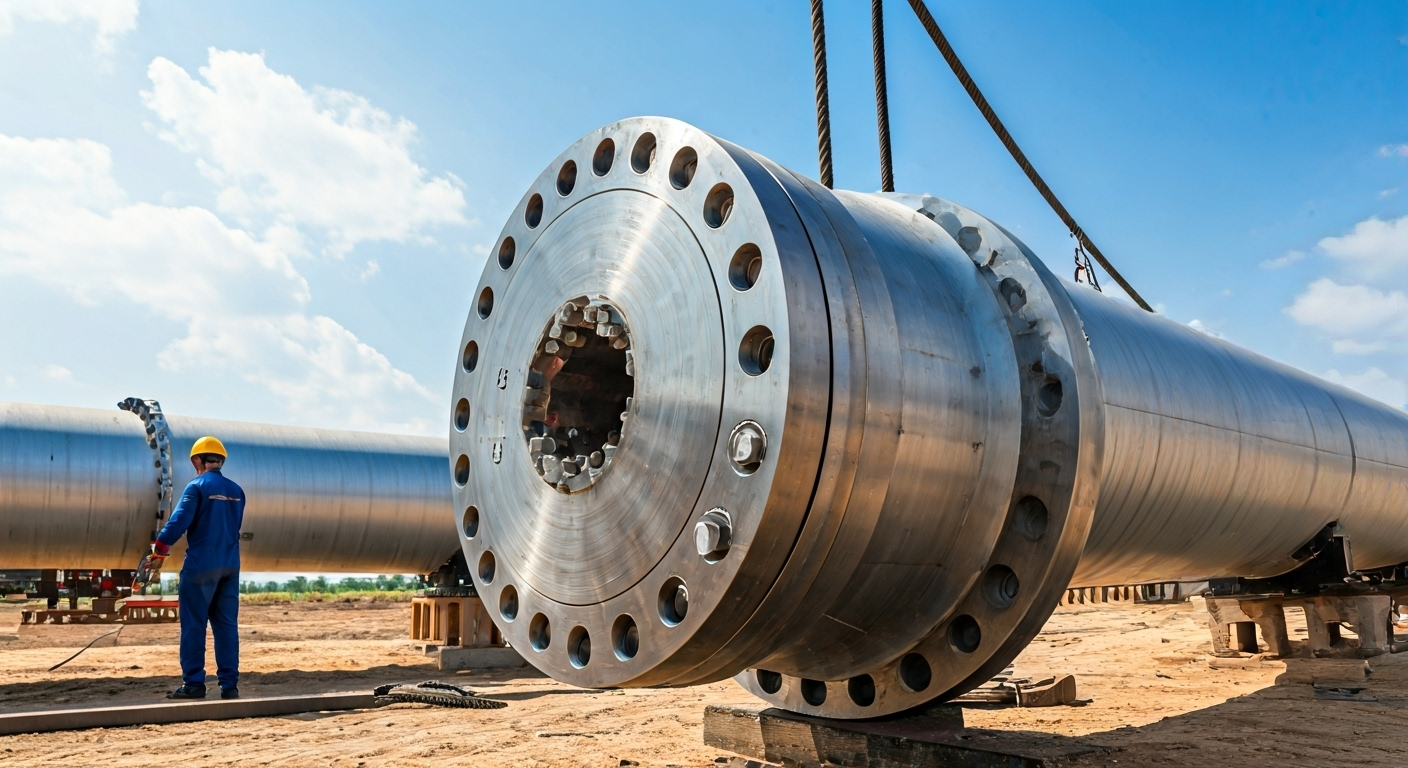

Pipe flanges, including steel pipe flanges, are key parts used when you need to join steel pipe in a system. The slip-on flange, also called an SO flange, is well-known for its simple design that works well. This type does not need the exact same alignment as welding neck flanges. The slip-on flange is easy to put in place and costs less, so it is often used by people working with oil and gas. These flanges work well in low-pressure systems. They are also good because they fit well with many other pipe fittings. All this makes slip-on pipe flanges a great pick for modern piping systems where you need fittings that do many things.

An SO flange, which is also called a slip-on flange, is a kind of pipe fitting. This flange is made to slide easily over steel pipes, which makes connecting them simple. The inner diameter of the flange is a bit bigger than the outer diameter of the pipe. This lets you put the pipe into the flange bore without trouble. It gets fixed in place by fillet welding at the top and at the bottom of the flange. This gives a good, leak-free hold, which is important in low-pressure piping systems.
The shape of the slip-on flange makes it great for jobs that need fast and easy installation as well as easy alignment. You often see these flanges used in chemical processing, water treatment, and oil and gas areas. These flanges are known to be versatile, and they also save you money. They can be made from different materials, including carbon steel, stainless steel, or alloys. The choice of material depends on what mechanical properties you need for the job.
Slip-on flanges have a flat flange face and a bigger inner diameter, so you can slide a steel pipe right into the flange bore. This smart design makes installation easy because the pipe does not need to line up in a very exact way before welding. You will find outer diameters from standard sizes like 2” and 4” to special options up to 60”.
Most slip-on flanges have a low hubbed hub. This helps make installing them simple and works well with pipelines, fittings, and pressure systems. The flange bore is big enough to let you weld smoothly and lowers the chance of not lining up during the job. When you use fillet welding at the bottom of the flange, it adds to the strength and helps keep the pipe joint from leaking.
Slip-on flanges come as raised face flanges, which give better support for the gasket, or as RTJ flanges made for high-pressure sealing. These flanges work well in many types of piping, which means they are used in all types of commercial and industrial jobs. Their flexibility lets people use them in many places.
Slip-on flanges use different materials based on what the job needs. Carbon steel flanges that meet ASTM A105 standards are often used in low-temperature settings. They are known for being cost-effective while also performing well. For jobs that need more durability, people use stainless steel flanges. They are good for high-pressure systems and follow ASTM A182 rules. Grades such as F304 and F316 are used to help the flanges resist corrosion.
The choice of material must also match key global standards like ASME B16.5 and British Standard BS 3293. These standards help to make sure there is good quality and fit in different pipelines, including those for socket fittings. They guide aspects like size, pressure levels, and the shape of the flange bore needed for fittings.
Slip-on flanges are also made by forging and casting. These ways of making them give the flanges solid mechanical properties to handle different industrial needs. Because they follow ASME, ASTM, and BS rules, slip-on flanges keep working well in places like chemical plants and water treatment areas. They are built for high durability and are made to connect tightly with other fittings in the pipeline.
Now, let’s move on and look at their detailed specifications and where you can use them.

SO flanges come with different pressure ratings. These ratings start at Class 150 and go up to Class 2500. The flanges meet popular standards like ASTM and ASME for pressure systems. Their outer diameters go from ½” to 24”. For some pipelines, you can get outer diameters up to 60” if you need them. These features help improve the mechanical properties to give durability you want in pipelines and shipping uses.
People use slip-on flanges most often in low-pressure places. You can find them in water treatment systems, chemical processing plants, and shipping pipelines. The simple design helps make these flanges a good fit for those who want strong and reliable connections and also want to save money.
Slip-on flanges are used in many different commercial and industrial areas because they are easy to use. Many people in the industry pick them when they need to connect pipelines in a simple and cheap way. The simple look of these flanges helps lower how much work goes into putting them in, especially for bigger jobs.
If you work with pipelines that need low pressure or sometimes need some strength, slip-on flanges are a good and steady choice for you. In short, slip-on flanges do their work well and make pipe jobs easier for many people and companies.
To sum up, it is important for anyone working with industrial and commercial systems to know about SO flanges. The special design of these flanges offers a lot of use and helps things run well. Many people choose them for different kinds of piping jobs. The details and good points we went over show why they matter for making piping connections both safe and stable. Picking the right SO flange will improve how your piping system works. It also helps you stick to the rules set by the industry. If you have questions about SO flanges or need help picking the best one for your work, you can always reach out and get advice from experts. Using the right information can help your flanges and piping work better for you.
A raised face slip-on flange has a part that sticks out from the flange face. This is made to hold the gasket tight and keep it in place. Because of this, the flange is easy to use and gives a strong seal. It is very important for pipelines that need stability when there are some pressure changes. You will see raised face flanges used a lot in water systems and in places like oil refineries.
RF flanges make it easier to get a good seal. The way the gasket groove sits on the flange face helps with this. These flanges follow both ASTM standards and ASME guidelines. That means they are good for steel pipe pressure systems and last for a long time. When the pressure gets higher, the raised face of the flange gets taller. This extra height helps the flange handle more stress.
You can use these flanges in many kinds of industry, including industrial applications found at trupply. They are easy to add to different types of pipelines. From steel pipelines to moving chemicals, RF slip-on flanges help stop leaks. They also make the work in pipelines faster and better. These flanges are key to making sure pressure systems work well and last a long time.
The RTJ (Ring Type Joint) slip-on pipe flanges have a special groove in the raised face area. This groove is made to fit gasket rings. With this design, these flanges provide a better seal, so they are good for use in high-pressure places such as oil and gas work.
RTJ flanges are not the same as RF flanges. RTJ flanges can keep a strong seal even when there is a lot of stress. This helps make sure the connection stays tight and safe in tough situations. They are made following ASTM and ASME rules, so you can trust their strength and mechanical properties when using steel pipe fittings.
People use these flanges in high-pressure chemical pipelines, refineries, and shipping systems. Having a steady, reliable seal matters a lot in those places. RTJ slip-on pipe flanges mix careful design, strength, and reliability. You can expect steady performance as well as good durability and efficiency when these fittings are put on pipelines that need to work well for a long time.
Cost is lower with a slip-on flange, and this is one of the best reasons to choose it. The simple way you install it means you use less money and less material. This makes it a good pick to use in many piping systems. The slip-on flange is strong and works well with many different pipe fittings. These mechanical properties help make it better. Its design also helps you line things up easily when welding, so you have a safe and secure fit. This simple use saves less time, too. You get the most out of the slip-on design when you use it in places with medium temperature and low pressure. Here, it gives you good durability and keeps things working well for a long time.
Looking at the ways slip-on flanges and weld-neck flanges are used can help you pick what is best for your piping jobs. Slip-on flanges work well in pressure systems where the pressure is low. They have a simple hub, so they don’t need much welding work. This way, you can bring down your installation costs.
But weld-neck flanges, often recognized for their quality, are made with a longer neck. They are a good fit for high-pressure piping. These flanges give better strength and last a long time. The manufacturing process for weld-neck flanges, similar to practices in China, lets you get better alignment when you weld, and this helps your piping work last longer. Because of these reasons, many people use weld-neck flanges in jobs that are critical and need stronger parts.
The standards and grades for slip on pipe flanges are very important for their use in different pressure systems. Meeting the ASME and ASTM specifications helps make sure that these pipe flanges fit certain mechanical properties and work with proper processes for making them. Carbon steel and stainless steel are the materials used most often. These help with the durability and let the piping system run well. When you understand the different classifications, such as with outer diameters and flange face types, you can choose flanges that work best for each job. This gives people the best performance in many kinds of applications.
Dimensions for slip on flanges can be different, depending on standards like ASME and ASTM. The flange face often has a raised part. The bore is made to match the pipe’s outer diameter. This helps get a good fit. Common outer diameters go from 1 inch to a few inches to meet different piping needs. The hub of the flange is designed so that you can line it up well and install it easily. Knowing the right size and type is important. It helps make sure all parts in the piping work together and helps keep pressure right. Plus, it can lower installation costs.
The ASTM A105 and A182 standards are important for carbon steel flanges and stainless slip on flanges. These ASTM specifications help make sure that flanges work well in pressure systems. They also help the flanges have good mechanical properties and strength.
When you pick pipe fittings for any piping job, you should think about how the slip on flange will fit in with the whole system. Using the right specification for your fittings and flanges can be good for you. It can make installation times shorter and save money. You do not have to spend as much on welding and looking after the system. In the end, it helps your pipeline or pressure systems work better and last longer.
The term “SO” in “SO flange” means “Slip On.” This flange is made to slide over the end of the pipe. It helps with easy alignment and welding. People often use this in many piping systems because it is simple to use and does not cost much.
Uma flange de encaixe é fácil de colocar, uma vez que não necessita de muito trabalho de máquina. Uma flange de pescoço de soldadura, por outro lado, tem melhor resistência e lida bem com o stress. A sua escolha dependerá das necessidades do trabalho. As flanges de encaixe funcionam melhor quando a pressão é baixa. As flanges de pescoço de soldadura são melhores para sistemas de alta pressão. Ambos os tipos de flanges têm a sua utilidade em diferentes situações de trabalho.
As flanges deslizantes são normalmente fabricadas com classificações de pressão segundo a norma ANSI/ASME B16.5. Estas classificações variam de PN 150 a 2500 psi. Cada classificação destina-se a uma temperatura definida e a adequar-se às condições de serviço. Isto ajuda as flanges a funcionarem bem e a manterem-se seguras para todos os tipos de utilização industrial.
Sim, é possível utilizar flanges deslizantes em locais com calor elevado, mas é necessário conhecer os materiais e os níveis de pressão corretos. A escolha do material correto, como ASTM A182 ou aço-carbono, é importante. Isto ajuda as flanges a manterem a sua resistência quando estão quentes. Deve verificar sempre as normas corretas antes de as utilizar.
Assim, as flanges funcionam bem com tubagens de aço inoxidável. Proporcionam uma ligação segura que pode suportar quando os tubos aumentam ou diminuem de tamanho devido ao calor. Este ajuste significa que obtém uma boa vedação e impede fugas em muitos tipos de trabalhos. É por isso que as pessoas utilizam frequentemente flanges para sistemas de aço inoxidável.