Fornecer produtos de alta qualidade para acessórios para tubos
Melhor parceiro de grossistas de acessórios para tubos, acessórios para tubos em stock, email sales@hfittings.com para mais detalhes


The most common connection type for this degree elbow is the butt weld, which offers superior strength for high-pressure systems.
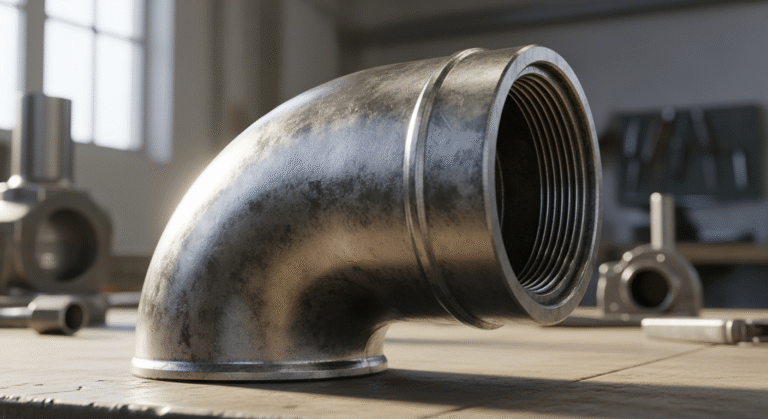
When you’re working with piping systems, changing the direction of flow is a common requirement. This is where a 6-inch steel 90-degree elbow comes in. As one of the most critical pipe fittings available, this degree elbow allows you to make a sharp, 90-degree turn between two pipes. It’s a simple yet essential component that ensures your system maintains its integrity and efficiency. Understanding how this steel pipe elbow works is key to building a reliable and effective pipeline.
The 6-inch 90-degree steel pipe elbow is one of the most commonly used elbow types in various industries. Its primary function is to change the direction of a steel pipe by 90 degrees, making it incredibly easy to integrate with steel construction and other structural elements. This vertical elbow is a standard component for redirecting flow without compromising the system.
Because of its standard pipe diameter and angle, this degree steel pipe elbow is a go-to choice for engineers and plumbers. Let’s explore its common applications and performance advantages to see why it’s so popular.
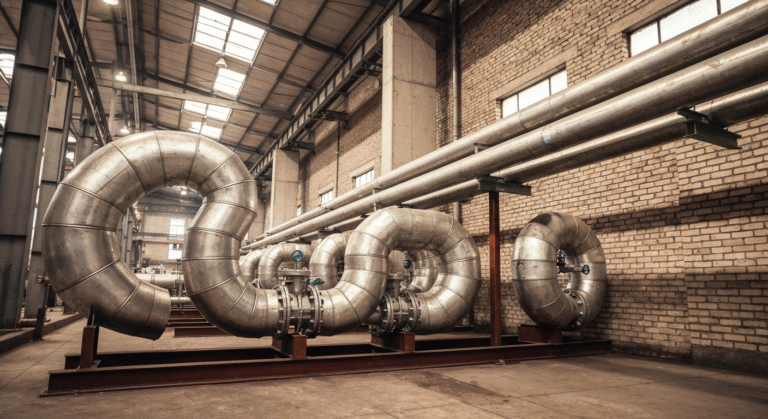
The main uses of a 6-inch steel 90-degree elbow are incredibly diverse, spanning across numerous industrial and commercial applications. In any piping system where a sharp turn is needed, this elbow is often the preferred solution. Its robust design makes it suitable for both new installations and pipeline repair projects.
From large-scale industrial facilities to everyday commercial buildings, you’ll find this elbow hard at work. Its versatility makes it indispensable in a wide range of settings.
Algumas das aplicações mais comuns incluem:
One of the key benefits of a 6-inch steel elbow is its ability to handle high pressure. Depending on the material and wall thickness (schedule), these elbows are designed for demanding environments. For instance, fittings like Schedule 80 elbows have higher pressure ratings than Schedule 40, making them suitable for more intensive applications. This higher strength ensures system integrity when changing the fluid flow direction.
The performance advantages extend across various industries. Whether you’re dealing with a high corrosion environment or simply need a reliable component, a steel elbow delivers. Its fixed outer diameter ensures a perfect fit with corresponding pipes.
As principais vantagens incluem:
Choosing the right material for your 6-inch 90-degree elbow is crucial for performance and longevity. The two most common options are carbon steel and stainless steel. A carbon steel elbow is known for its strength and hardness, making it a popular choice for general applications. On the other hand, a stainless steel elbow offers superior corrosion resistance.
Each material provides distinct benefits, and the best choice depends on your project’s specific needs, such as the fluid being transported and the environmental conditions. These steel pipe fittings come in various materials to ensure you have the right component for the job. Let’s compare these options more closely.
When deciding between stainless steel and black steel (a type of carbon steel), it’s important to understand their differences. While both are strong, they are not always interchangeable for 6-inch pipes. Stainless steel contains chromium and nickel, giving it excellent corrosion resistance, which is ideal for sanitary purposes or harsh chemical environments. Black steel, or straight carbon steel, is strong but requires a surface treatment to protect it from rust.
The choice often comes down to the application. For food industries or high-corrosion zones, stainless steel is necessary. For general construction where corrosion is less of a concern, black steel is a cost-effective option. The welding process for each also differs slightly due to their composition.
Caraterística | Cotovelo de aço inoxidável | Black Steel (Carbon Steel) Elbow |
|---|---|---|
Resistência à corrosão | Elevado | Low (requires coating) |
Utilização comum | Food industries, chemical plants, sanitary purposes | General construction, oil and gas pipelines |
Força | High strength | Very high strength and hardness |
Tratamento de superfície | Mirror or 2B finish | Painted, varnished, or epoxy coated |
The durability of a steel pipe elbow is directly tied to its material. For applications in a high corrosion environment, such as chemical plants or offshore pipelines, stainless steel is the superior choice. Its composition inherently resists rust and chemical damage, ensuring a long service life even under harsh conditions. This makes it a reliable option where system failure is not an option.
On the other hand, carbon steel elbows offer excellent durability in terms of strength and hardness. When properly coated, the pipe body can resist external corrosion, making it suitable for many industrial and structural uses. It’s an excellent choice for systems that don’t involve corrosive fluids or extreme-weather exposure.
When buying a 6-inch steel 90-degree elbow online, look for clear specifications. Check the material type (e.g., ASTM A403 for stainless, ASTM A234 for carbon), the radius (long or short), and the wall thickness or schedule (e.g., Sch 40, Sch 80). Ensure the supplier provides certifications to guarantee quality and compliance with standards.
When selecting a 90-degree elbow, you’ll encounter two main radius options: long radius (LR) and short radius (SR). The elbow radius refers to the curvature of the bend. An LR elbow has a gentler, wider turn, while an SR elbow has a much tighter, sharper turn. This difference affects the flow of fluid through the pipe.
Choosing between a long radius and short radius elbow depends on the specific requirements of your pipeline system, including available space and the desired flow characteristics. These fittings are installed between different lengths of pipe to achieve the necessary change in direction.
The primary difference between long radius and short radius in 6-inch steel 90-degree elbows is the length of the curve. A long radius (LR) elbow has a radius that is 1.5 times the pipe’s diameter. In contrast, a short radius (SR) elbow has a radius equal to the pipe’s diameter. This makes the SR elbow more compact.
This distinction is important because it impacts pressure and flow. The gentler curve of a long radius elbow creates less frictional resistance, resulting in lower pressure drop and smoother flow. A short radius elbow is typically used in tight spaces where a compact fitting is necessary, but it can create more turbulence. The LR elbow is the default choice unless an SR elbow is specified.
Caraterística | Cotovelo de raio longo (LR) | Cotovelo de raio curto (SR) |
|---|---|---|
Raio | 1,5 vezes o diâmetro do tubo | Igual ao diâmetro do tubo |
Flow | Smoother, less friction, lower pressure drop | More turbulence, higher pressure drop |
Utilização comum | High-pressure and high-flow pipelines | Low-pressure systems, tight spaces |
Default Standard | Yes, if not specified | No, must be specified |
Choosing the right radius for your project involves considering space, pressure, and flow velocity. If your project has ample room and requires smooth, efficient flow, a long radius (LR) elbow is almost always the better option. It’s the standard for high-pressure and high-flow-rate applications.
However, if you are working in a confined area where a compact turn is essential, a short radius (SR) elbow is the solution. It’s often used in low-pressure and low-velocity pipelines where space is more critical than minimizing pressure drop. Similarly, choosing between schedule 40 and schedule 80 depends on pressure requirements. Schedule 80 has a thicker wall and is used for higher-pressure applications, regardless of radius.
Here’s how to decide:
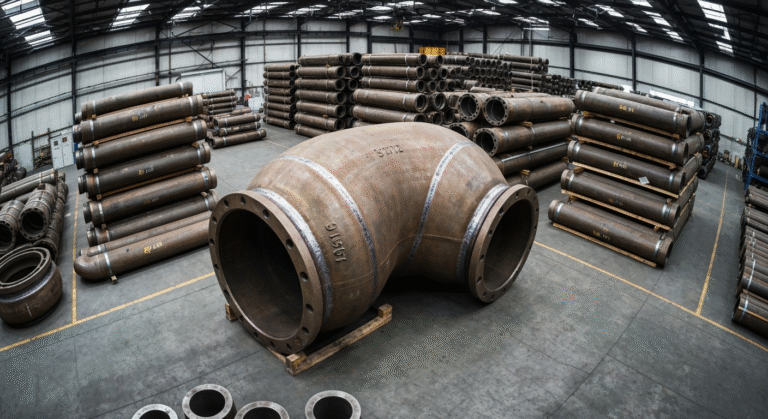
Once you’ve selected your elbow, the next step is installation. There are three primary connection types: butt weld, socket weld, and threaded. The butt weld connection is the most common for 6-inch elbows, especially in high-pressure systems, as it involves welding the elbow directly to the pipe for a strong, leak-proof seal.
Socket weld and threaded elbow types are typically used for smaller pipe diameters. A socket weld elbow has a recessed area for the pipe to be inserted before welding, while a threaded elbow screws on for easy installation and removal. We’ll focus on the most common methods for this size.
A butt weld connection works by aligning the end of the butt weld elbow with the end of the pipe and welding them together directly. This creates a continuous, strong joint that becomes part of the pipeline itself. This method is preferred for pipeline systems requiring high strength and temperature resistance, as it provides a smooth inner surface that doesn’t impede flow.
While elbows are often welded directly, flange options are also available to connect them to valves, pumps, or other equipment. You can weld a flange to each end of the elbow, allowing it to be bolted to another flanged component. Common flange options include Weld Neck, Slip-On, and Blind flanges, depending on the connection need.
Key points about butt weld connections:
To install a 6-inch steel 90-degree elbow correctly using a butt weld, precision is key. The installation process ensures the pipe direction changes accurately and the joint is secure. Proper alignment and a clean welding surface are essential for a successful connection, whether you’re working with straight carbon steel or stainless steel.
The welding process itself requires a skilled professional to create a full-penetration weld that is free of defects. This guarantees the joint can withstand the system’s operating pressures. While socket weld is an option for smaller pipes, butt welding is standard for a 6-inch elbow.
Here is a simplified guide to the installation process:
In conclusion, the 6 Inch Steel 90 Degree Elbow is an indispensable component in piping systems, offering unmatched versatility and durability. Understanding its applications, materials, and installation methods can significantly enhance the efficiency and longevity of your projects. Whether you opt for stainless or black steel, ensuring you select the right elbow type that meets your specific requirements is crucial. By investing in high-quality fittings like these, you’re not only ensuring a reliable connection but also maximizing the performance of your piping system. For further assistance on selecting the best fittings for your needs, feel free to reach out and get a free consultation with our experts today!
In piping, various elbow types include 90-degree, 45-degree, and 180-degree elbows. The 6 inch steel 90 degree elbow is particularly common due to its ability to change the direction of flow effectively. Each type serves specific applications based on flow requirements and space constraints.
In piping, elbows come in various types, including 90-degree and 45-degree elbows, which change the direction of flow. Additionally, they can be categorized by material—such as plastic or steel—and by radius, like short or long radius elbows. Each type serves specific applications in plumbing and industrial systems.