高品質の管継手製品を提供
パイプ継手卸売業者のベストパートナー, 在庫のパイプ継手, 詳細については、電子メール sales@hfittings.com

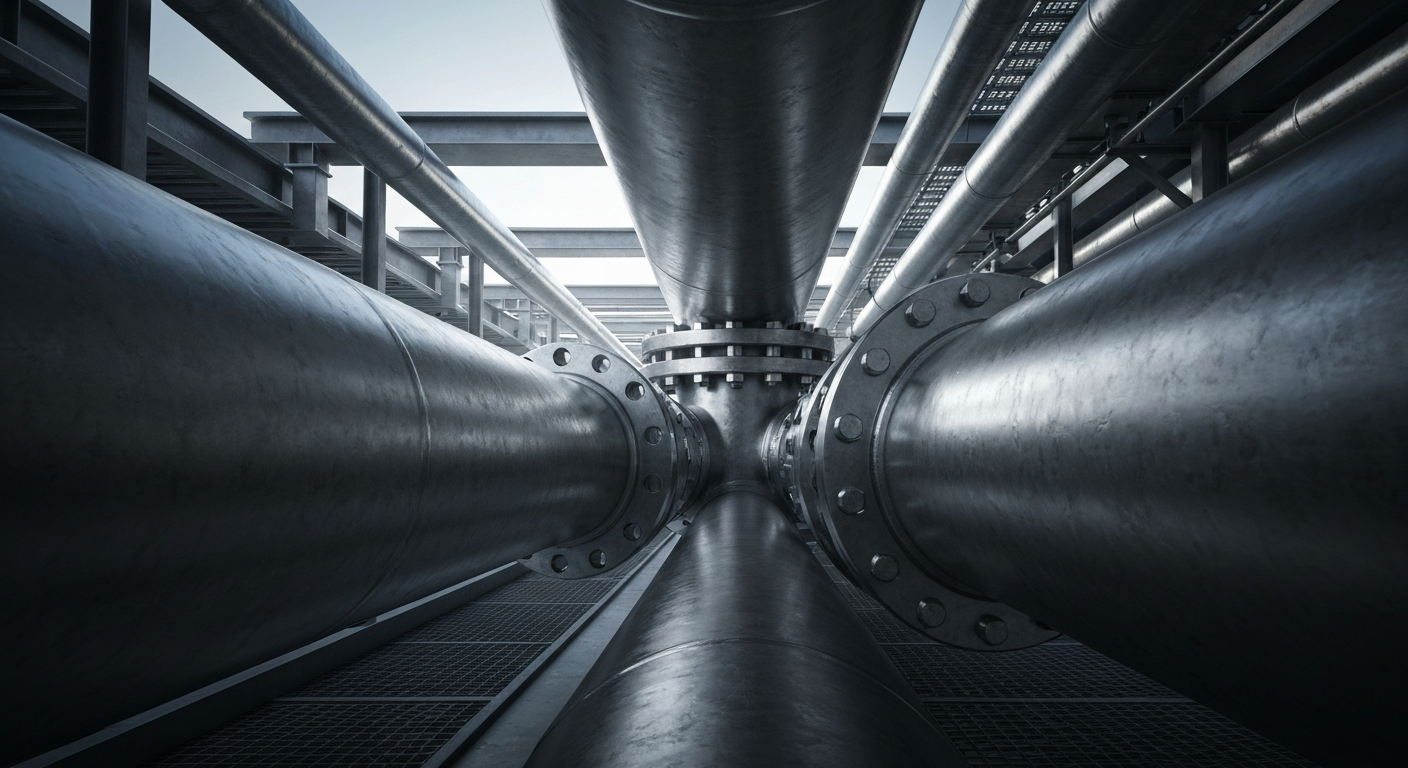
Welcome to the world of industrial piping! If you’ve ever wondered what holds complex systems together under immense pressure, the answer often involves a crucial component: the regular weld neck flange, specifically the A105 WN flange. This type of weld neck flange, forged from strong carbon steel, is a hero in high-stress environments. Its unique design and material properties make it a go-to choice for ensuring safety and reliability in everything from process plants to power generation. Let’s explore why this flange is so important.
Have you ever seen a flange with a long, tapered hub? That’s likely an A105 weld neck flange. These neck flanges are easily recognizable and are the most common type of high pressure flanges for high-pressure jobs. Their design, often called a “high-hub flange,” features a bore that is machined to match the inside diameter of the pipe, ensuring a perfect fit.
This specific design sets the face weld neck flange apart from other pipe flanges. Made from tough carbon steel, it provides reinforcement in applications with high pressure and extreme temperature changes. This makes it different from simpler long type flange types that cannot handle the same level of stress. We will look closer at its specific uses and how its design provides such reliable performance.
In demanding industrial settings, like those found across Singapore, reliability is key. The A105 WN flange is frequently specified for use in a process plant, where piping systems are subjected to high pressure and fluctuating temperatures. Its robust construction and favorable cooling rate make it an ideal choice for connecting pipes and other pipe fittings in critical systems where failure is not an option.
These pipe flanges are particularly suited for applications involving high pressure, shear impact, and vibratory stresses, including considerations for line expansion of other variable forces. The welding neck provides a strong, integral connection that can withstand these demanding conditions far better than other flange types. This makes it a trusted component for any Singaporean customer working on complex industrial projects.
Because of its ability to handle both high-pressure and high-temperature environments, the A105 WN flange is a staple. Its design ensures a secure and lasting connection, which is why engineers and project managers continue to rely on it for critical infrastructure.
The secret to the A105 WN flange’s good performance lies in its unique tapered hub, similar to how a volume chart illustrates data trends. This feature provides excellent stress distribution, transferring stress from the flange to the pipe itself. This significantly reduces stress concentration at the base of the flange, which is a common point of failure in other designs.
This design creates a smooth transition for the fluid or gas flowing through the pipe, preventing turbulence and erosion at the connection point. The flange is attached using a full penetration weld, which becomes an integral part of the pipe. This method is far superior to other connections in high-stress situations where flanges pressure may be a concern.
Furthermore, the robust connection helps mitigate the effects of low cycle fatigue caused by line expansion, contraction, or other variable forces. For any critical installation where safety and long-term reliability are paramount, the A105 WN flange is the superior choice for its strength and durability; for a free download of our specifications, visit our website.
To ensure consistency and safety, A105 WN flanges and spectacle flange are manufactured according to strict industry standards. The material itself is governed by ASTM A105, which specifies the properties of carbon steel forgings for piping applications. The dimensions, pressure ratings, and tolerances are defined by ASME B16.5, a critical standard for all pipe flanges and fittings.
These standards cover everything from the flange’s diameter to its ability to handle high pressure. When you see a specification like SCH 80, it refers to the pipe schedule, indicating the wall thickness the flange is designed to match, including the standard height requirements. Understanding these details is crucial for selecting the right flange for your project. Let’s examine these material properties and dimensional details more closely.
The ASTM A105 standard defines the specific chemical composition and mechanical properties for carbon steel used in flanges, including tongue flange, ensuring strength and reliability. Unlike some flanges made from plate materials, A105 flanges are forged for superior structural integrity. The chemical properties include controlled limits on carbon, manganese, and silicon.
The mechanical properties guarantee performance under stress:
The ASME B16.5 standard dictates the dimensions, tolerances, and markings for these flanges. A term like SCH 80 on a flange specification indicates the pipe schedule it’s designed for. This ensures the flange’s bore matches the pipe’s internal diameter and wall thickness, which is crucial for a proper weld and smooth flow.
A105 WN flanges are available in various pressure classes, which indicate the maximum pressure they can safely withstand at increasing temperatures. Common pressure classes include 150LB, 300LB, 600LB, 900LB, 1500LB, and 2500LB. The higher the number, the greater the pressure handling capability of flange joints. The flange dimension and size of weld neck flanges are standardized for each class.
For a specific example like a 4 inch 150LB face weld neck flange, all critical dimensions, including groove flange specifications, are outlined in the ASME B16.5 standard. This ensures that a 4-inch flange from one manufacturer will match a 4-inch pipe or valve from another.
While the exact measurements are extensive, the key specifications for a 4 inch 150LB A105 WN stainless steel flange are defined by the ASME B16.5 standard. This table shows the types of information governed by the standard.
Dimension Type | Specification for 4 inch 150LB Flange |
|---|---|
Nominal Pipe Size | 4 inches |
Pressure Class | 150LB |
スタンダード | ASME B16.5 |
Bore Diameter | Matches the specified pipe schedule (e.g., SCH 40, SCH 80) |
A regular type weld neck connection offers numerous advantages, particularly due to its seamless integration into piping systems. The smooth transition from the neck flanges to the pipe enhances excellent stress distribution, minimizing points of weakness and slip under high pressure. This style is also designed for high-cycle applications, ensuring reliability against low cycle fatigue. Additionally, weld neck flanges provide a full penetration weld, which accommodates extreme temperatures and maintains integrity, making them a popular choice in the piping industry and process plants.
Ensuring a successful installation of an A105 WN flange begins with accurate alignment of the flange to the pipe, preventing any misalignment that might lead to stress points. Next, utilize full penetration welds for ultimate strength and leak prevention. After welding, allow for adequate cooling to avoid warping, followed by a thorough inspection of the welds and dimensions. Lastly, don’t forget to check the integrity of flange gaskets and ensure they fit snugly, providing a secure seal for optimal performance.
When it comes to high-pressure and high-temperature service, not all flanges are created equal. The A105 weld neck flange, which undergoes heat treatment for enhanced performance, stands out due to its superior design for handling extreme stress, making it a better choice than many alternatives.
Let’s see how it compares to other common types:
Other flanges like the blind flange (used to seal a pipe end) or reducing flanges (used to connect different pipe sizes) serve different purposes. For the most demanding conditions, especially those requiring a ring type joint facing for a superior seal, the weld neck flange provides unmatched reliability and safety.
In summary, the A105 WN flange plays a crucial role in ensuring the integrity and efficiency of piping systems, particularly in high-pressure and high-temperature environments. By understanding its key features, applications, and installation procedures, you can make informed decisions that enhance performance and reliability in your projects. Remember that choosing the right materials and adhering to standards is essential for optimal outcomes. If you have any questions or need assistance with your piping needs, feel free to reach out for expert guidance.
‘RF’ stands for Raised Face. An RFWN flange, or raised face weld neck flange, which is one of the most commonly used flange, has a small, raised surface around the bore where the gasket sits, while a flat face is also an option. This design concentrates the pressure from the bolts onto a smaller area, creating a stronger, more reliable seal, especially in higher pressure class systems.
Yes, absolutely. The A105 weld neck flange is specifically designed for high-pressure and extreme temperature services with the diameter of pipe in mind. Its carbon steel construction, tapered hub for stress reduction, and full penetration weld connection make it one of the most robust and reliable options for demanding industrial environments where safety is paramount.
ASTM A105 defines the properties for forged carbon steel. The chemical properties control elements like carbon and manganese for weldability and strength. The mechanical properties specify minimum tensile strength (485 MPa) and yield strength (250 MPa), ensuring the material can handle the high stress of the material in service.