Menyediakan Produk Fitting Pipa Berkualitas Tinggi
Mitra terbaik grosir fitting pipa, fitting pipa dalam stok, email sales@hfittings.com untuk detailnya


When building or maintaining an industrial piping system, every component matters. Have you ever wondered how pipelines make sharp turns without losing strength or efficiency? The answer often lies in a specific type of connection: the butt weld. Butt weld pipe fittings are crucial for creating robust and reliable networks. In this guide, we’ll explore butt weld elbows, a key fitting that allows you to change flow direction seamlessly, ensuring your system operates safely and effectively.
In any complex piping system, the ability to change direction is fundamental. Butt weld elbows are essential components that make this possible, connecting pipes at different angles through a direct welding process. These pipe fittings are not just for changing direction; they are integral to maintaining the strength and integrity of industrial piping systems.
Their design ensures a smooth, continuous flow, which is vital in high-pressure or high-temperature environments. Let’s look closer at what these fittings are and where they are most commonly used.
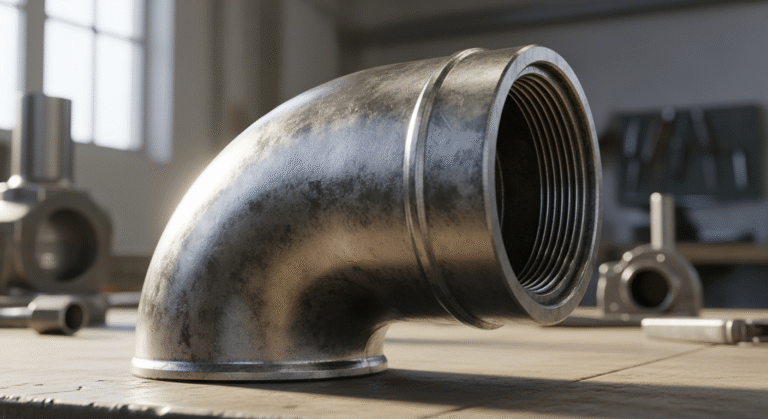
A butt weld elbow is a pipe fitting designed to join two sections of pipe at an angle, changing the direction of flow within a piping system. The term “butt weld” refers to the specific butt welding method used for installation. The ends of the elbow and the pipe are beveled, “butted” up against each other, and then welded together around the seam.
This welding process creates a strong, permanent bond that becomes a continuous part of the pipe itself. Unlike threaded or socket weld fittings, this method results in a smooth interior surface, which minimizes turbulence and pressure drops. The result is a robust, leak-proof joint that maintains the structural integrity of the entire system.
You will find these elbows used in countless applications where a reliable change in flow direction is needed. They are a go-to solution for creating durable and efficient piping layouts, especially in demanding industrial settings.
Because of their strength and reliability, butt weld fittings are indispensable across a wide range of industries. Their ability to handle high pressures, extreme temperatures, and corrosive materials makes them a top choice for critical applications where system failure is not an option.
These durable pipe fittings ensure that operations run smoothly and safely, from transporting hazardous chemicals to generating electricity. Their seamless design contributes to system efficiency and longevity, reducing maintenance needs and the risk of costly leaks.
Here are a few examples of where they are commonly found:
Not all butt weld elbows are the same. To meet the diverse needs of different piping systems, they come in various types of fittings, primarily differing in their radius and angle. The choice between them depends on the specific requirements of your application, including space constraints and desired flow characteristics. Understanding the most common types is the first step in selecting the perfect component.
The angle of the elbow determines the change in the direction of flow, while the radius influences the pressure drop and the space the fitting occupies. We’ll explore these different options to help you make an informed decision.
When selecting a butt weld elbow, one of the first decisions you’ll make is whether to use a long radius (LR) or short radius (SR) option. A long radius elbow has a curve radius that is 1.5 times the pipe’s nominal diameter, while a short radius elbow’s curve is equal to the pipe’s nominal diameter. This difference affects both flow and space.
The choice between them depends on your priorities. Long radius elbows offer less flow resistance and create a lower pressure drop, making them ideal for systems where maintaining flow efficiency is crucial. Short radius elbows, on the other hand, are perfect for tight spaces where a compact layout is necessary. Your decision will impact the overall performance and design of your system, so it’s important to consider all factors, from pipe sizes to weld quality.
Fitur | Siku Radius Panjang (LR) | Siku Radius Pendek (SR) |
|---|---|---|
Radius | 1,5 kali diameter pipa nominal | Sama dengan diameter pipa nominal |
Hambatan Aliran | Lebih rendah | Lebih tinggi |
Pressure Drop | Less | More |
Ruang | Requires more space | Ideal for tight, compact spaces |
Penggunaan Umum | When flow efficiency is a priority | When space is limited |
Beyond the radius, the angle of the elbow is a critical factor that defines its function. The most common angles are 45 degree and 90 degree elbows, but other options like 180-degree return bends are also available for reversing the direction of flow. The angle you choose directly impacts the piping layout and how sharply the flow path changes.
The difference between a 90 degree and 45 degree butt weld elbow is straightforward: one creates a sharp right-angle turn, while the other creates a more gradual, diagonal change in direction. In addition to standard angles, you might encounter a 3R butt weld elbow. The “3R” indicates that the elbow has a bend radius that is three times the nominal pipe diameter, offering an even smoother flow than a standard long radius elbow.
The material of your buttweld fittings is just as important as their size and type. The substance flowing through your pipes, along with temperature and pressure conditions, will determine the best material for the job. Common choices include carbon steel, stainless steel, and alloy steel, each offering unique benefits.
Selecting the right material ensures longevity, safety, and proper performance. Whether you need high corrosion resistance for chemical applications or strength for high-pressure systems, there are different types of materials available to meet your needs. Let’s examine some of the most popular options.
Choosing the right material for your butt weld elbows is crucial for ensuring the durability and safety of your piping system. The most common materials—carbon steel, stainless steel, and alloy steel—are selected based on the specific demands of the application, such as the need to withstand high pressure or extreme temperatures.
Carbon steel is a popular and cost-effective choice for general-purpose applications where corrosion is not a major concern. For systems exposed to corrosive substances or requiring sanitary conditions, stainless steel is the preferred option due to its excellent corrosion resistance. Alloy steel is used in high-performance applications, as it is engineered to handle extreme temperatures and pressures, making it ideal for power plants and refineries.
Yes, butt weld elbows are highly suitable for sanitary and food-grade applications, provided the right material is used. In industries like food and beverage, pharmaceuticals, and some chemical processing plants, preventing contamination is a top priority. The smooth, seamless interior of a butt-welded joint is a major advantage in these settings.
Because there are no threads, crevices, or gaskets, there are no places for bacteria or product to accumulate. This makes the piping system much easier to clean and sterilize. When manufactured from high-quality stainless steel, these fittings offer excellent corrosion resistance and do not impart any taste or odor to the product.
A stainless steel pipe system constructed with butt weld fittings creates a continuous, non-porous surface that meets strict sanitary standards. This ensures that product purity is maintained from start to finish, which is a non-negotiable requirement in food-grade environments.
Selecting the right butt weld elbow involves more than just picking a material and angle. You must also consider sizing, including pipe sizes and wall thickness, to ensure a perfect fit and optimal performance. These fittings are manufactured to meet specific ASTM standards, which guarantee compatibility and reliability for your application.
Careful selection based on你的特定需求可确保高质量的焊接和管道系统的长寿命。以下部分将探讨可用的尺寸选项,并指导您为您的行业做出正确的选择。
Butt weld pipe fittings are available in a vast array of standard sizing options to match common pipe sizes. This standardization ensures that you can easily find components that fit seamlessly into your existing or planned piping network. Sizing is typically based on the nominal pipe diameter and the schedule, which relates to the wall thickness.
While standard sizing covers most needs, some projects require unique specifications. For these situations, custom butt weld fittings are an excellent solution. You can order elbows with non-standard angles, specific wall thicknesses, or unique radius dimensions to perfectly match the design requirements of your system.
Choosing the right butt weld elbow is a critical decision that impacts the safety, efficiency, and strength of the piping system. In industries like chemical plants and power plants, where operating conditions are extreme, making the correct choice minimizes the risk of leaks and system failure. You need to consider the fluid type, pressure, temperature, and required direction of flow.
For instance, as we discussed, choosing between a long radius and a short radius elbow depends on whether you prioritize smooth flow or saving space. A long radius elbow is better for maintaining fluid velocity and reducing pressure drop, while a short radius elbow fits into tight corners. Your choice directly affects the integrity of critical applications.
Proper installation is also key to realizing these benefits. A skilled welder must prepare the pipe ends, align the fitting correctly, and perform a full penetration weld to create a joint that is as strong as the pipe itself. This ensures a secure, long-lasting connection.
In summary, investing in quality butt weld elbows can significantly benefit various industries by ensuring efficient piping systems. Understanding the types, materials, and sizing options available allows for better decision-making tailored to specific applications, whether in construction, food processing, or manufacturing. Providing reliable connections, these fittings are essential for maintaining system integrity and performance. As you consider your choices in butt weld elbows, remember to prioritize durability and compatibility with your existing infrastructure to achieve optimal results. If you’re ready to explore your options, reach out for assistance or browse our recommendations today!
You can buy quality butt weld elbows from reputable industrial suppliers and manufacturers online. Look for providers who offer a wide range of pipe fittings in various materials, pipe sizes, and types of fittings. Ensure they provide detailed product specifications and comply with industry standards to guarantee quality and compatibility.
Proper installation of a butt weld elbow involves a precise welding process. The ends of the pipe and fitting are beveled, aligned to form a butt joint, and then welded. Using appropriate welding methods, a skilled welder creates a full penetration weld, ensuring a strong, continuous connection around the entire circumference.
Butt weld elbows offer superior strength and reliability. They create a permanent connection and a continuous metal structure, which significantly reduces the risk of leaks compared to threaded or flanged fittings. They also provide lower flow resistance and a smoother interior, improving system efficiency and minimizing pressure drop.