Menyediakan Produk Fitting Pipa Berkualitas Tinggi
Mitra terbaik grosir fitting pipa, fitting pipa dalam stok, email sales@hfittings.com untuk detailnya

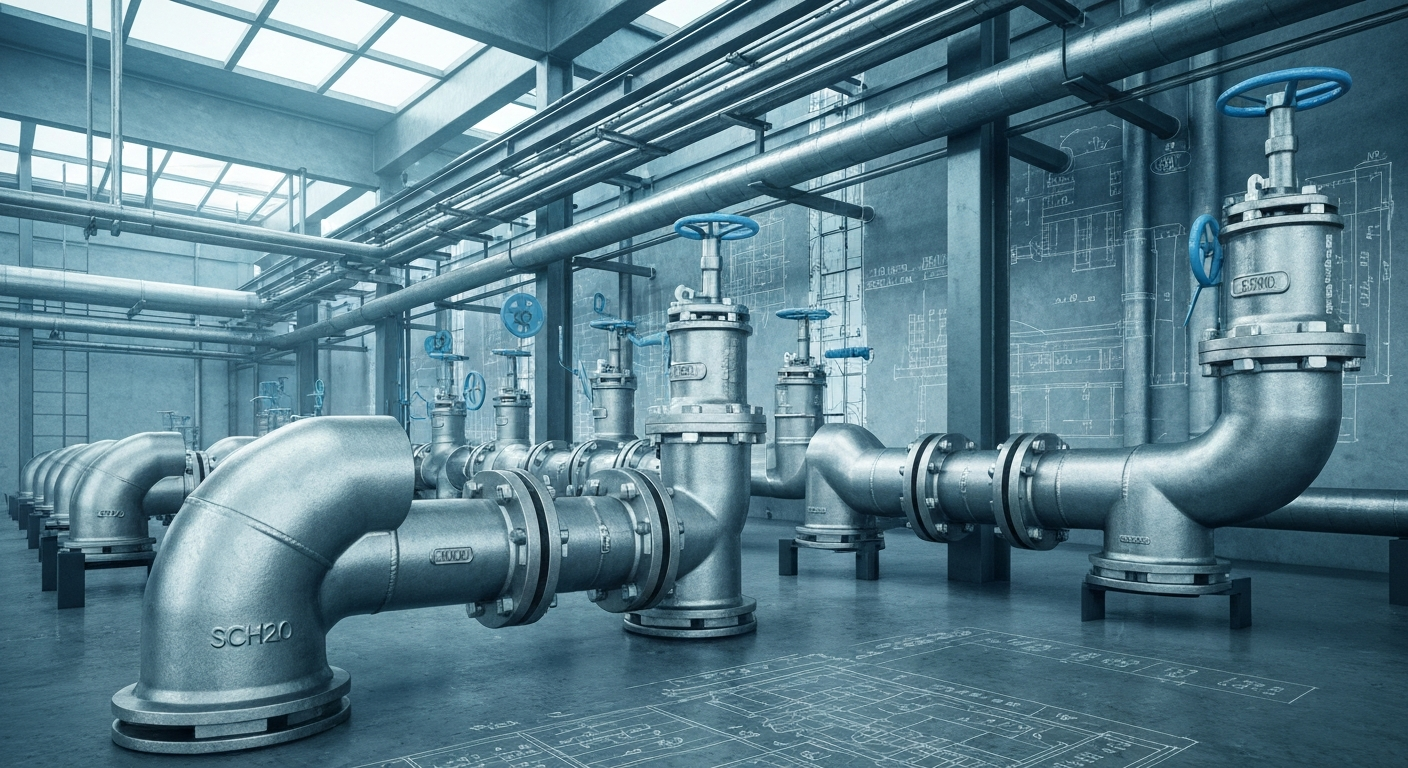
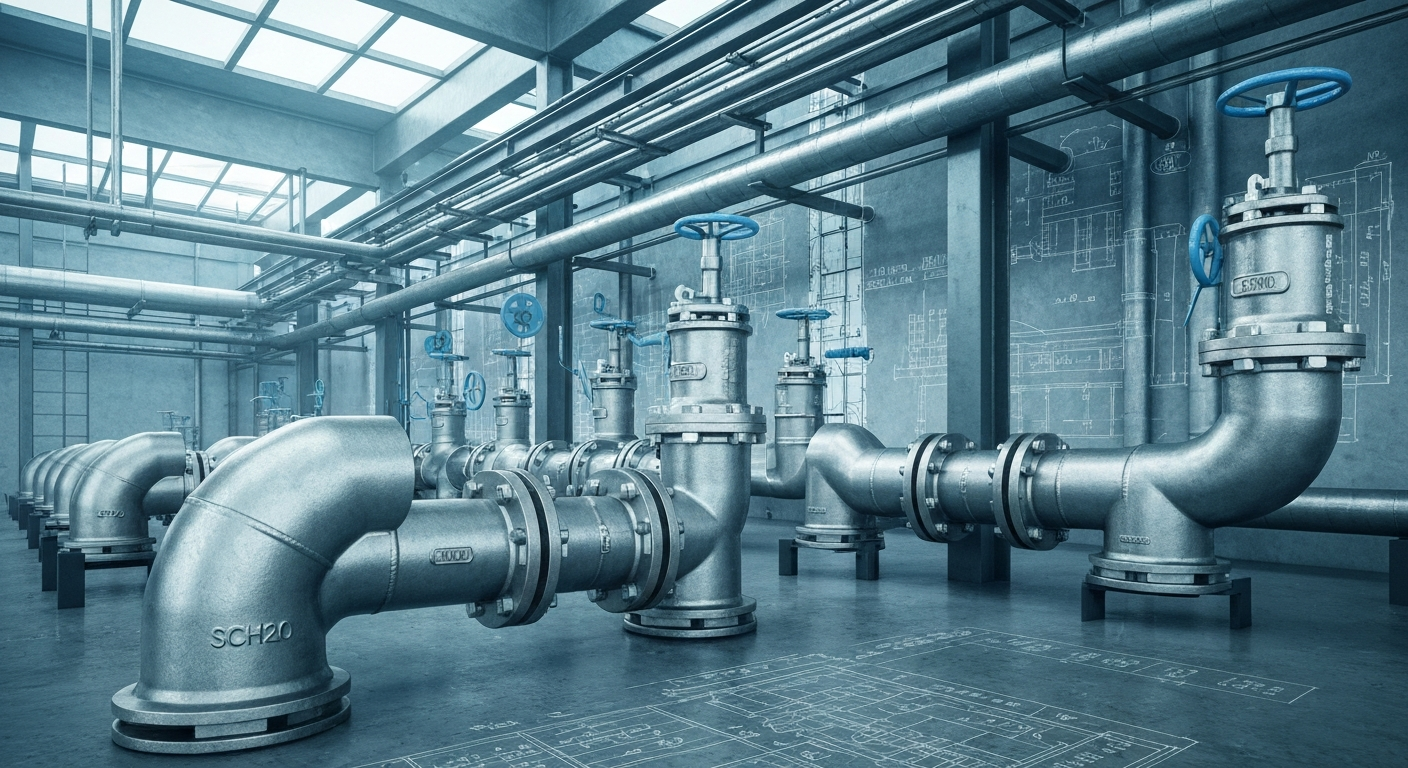
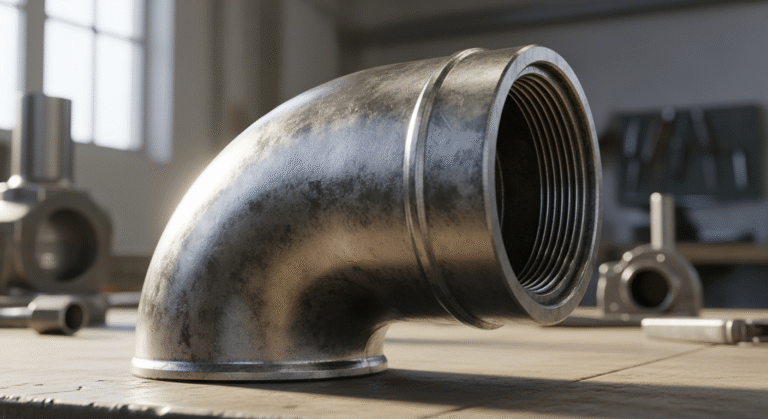
To install a SCH20 welded elbow in a piping system, first ensure that the pipe ends are clean and properly aligned. Position the elbow so the flow changes direction as desired, then weld the elbow to the pipe ends, making sure the welds securely join the pipe fitting and maintain the required wall thickness at all connections.
These elbows are commonly manufactured from materials like carbon steel and stainless steel to suit different applications.
Welcome to your guide on the SCH20 elbow! If you’ve ever worked with piping systems, you know how crucial it is to get every component right. A pipe elbow is a fundamental fitting that allows you to change the direction of a steel pipe run. The SCH20 designation specifies a particular wall thickness, making it ideal for low-pressure applications. In this article, we’ll explore the key specifications, materials, and uses of the SCH20 elbow to help you understand its role in your projects.
SCH20 elbows are essential steel pipe fittings that provide a simple solution for a common challenge: redirecting a pipeline. They are specifically designed to create a smooth change of direction in the flow direction of the pipes, allowing for more complex and efficient system layouts without compromising flow.
Their importance lies in their ability to connect straight pipes at an angle, which is necessary for navigating around obstacles or creating specific pathways for fluids. Understanding the nominal size and pipe diameter of SCH20 elbows helps you choose the right fit for your system. Next, we will look at what the “SCH20” label really means.
So, what does SCH20 actually mean? The term “Schedule,” often abbreviated as SCH, is a standard used to define the wall thickness of a pipe or fitting. The number that follows—in this case, 20—is the schedule number, which corresponds to a specific thickness. For any given nominal pipe size, a lower schedule number indicates a thinner wall.
Therefore, an SCH20 elbow has a relatively thin wall, making it suitable for low-pressure and low-temperature applications. The wall thickness is a critical dimension that, along with the outer diameter, determines the pipe’s inside diameter and its overall strength.
Choosing the correct schedule number is vital for ensuring the safety and efficiency of your piping system. While higher schedule numbers mean thicker walls capable of handling greater pressure, SCH20 provides a reliable and cost-effective option for less demanding environments where high pressure is not a concern.
SCH20 elbows are not made from a single material. They come in several options to meet the needs of various applications. The choice of material affects the elbow’s durability, corrosion resistance, and overall performance in different environments. This ensures you can find the right elbow for your specific steel pipe system.
The most common materials used for manufacturing these fittings offer distinct advantages. For example, some are chosen for strength, while others are selected for their ability to resist rust and chemical damage.
Here are some of the primary materials you’ll find:
When selecting an SCH20 elbow, it’s important to look beyond just the material. Several key specifications define the fitting’s performance and suitability for your project. These details, including the pipe wall thickness and mechanical properties, are governed by a standard specification to ensure consistency and safety.
The thickness of the pipe wall is directly related to its pressure-handling capabilities. Understanding these specifications is essential for designing a reliable and long-lasting piping system. Let’s examine some of the most important dimensions and standards you’ll encounter.
SCH20 elbows are produced in a wide range of standard sizes to fit various piping requirements. The size is typically identified by its nominal pipe size (NPS), which is a North American standard set of sizes for pipes used for high or low pressures and temperatures. Each nominal size corresponds to a specific outer diameter.
Whether you’re working on a small-scale project or a large industrial installation, there’s likely an SCH20 elbow with the right diameter of the pipe for your needs. Sizes generally range from 8 inches up to 36 inches, offering plenty of flexibility for different systems. The wall thickness varies with the different nominal diameter options.
Here is a quick look at some common sizes and their dimensions:
Ukuran Nominal | Outside Diameter (inches) | Wall Thickness (inches) |
|---|---|---|
8 inches | 8.625 | 0.250 |
12 inches | 12.750 | 0.250 |
20 inches | 20.000 | 0.375 |
36 inches | 36.000 | 0.500 |
The pressure rating of an SCH20 elbow is a crucial factor that determines its suitability for a given application. Since these elbows have thinner walls, they are designed for systems operating at a low pressure level. The exact pressure rating depends on the pipe’s diameter and wall thickness; a smaller diameter pipe can typically handle more pressure than a larger one with the same schedule number.
To ensure safety and quality, the manufacturing of SCH20 elbows is regulated by strict national standard bodies. Compliance with ASTM/ASME standards, such as ASME B36.10 for dimensions and ASTM A53 for material properties, is mandatory. These standards dictate everything from the chemical composition to the mechanical properties of the fitting.
This adherence to recognized standards guarantees that every SCH20 elbow you use is reliable, consistent, and safe for its intended low-pressure application. It ensures that the product will perform as expected under normal operating conditions without risk of failure.
Not all SCH20 elbow fittings are the same. Beyond being available in a variety of materials, they also come in different types to accommodate specific design needs. The most common distinction you’ll encounter is between a long radius elbow and a short radius elbow, which differ in their curvature.
Some systems may even require abnormal angle elbows for unique configurations. The type you choose will depend on the space available and the flow characteristics you need to maintain within your piping system. We will now compare the two primary types and their uses.
The main difference between a long radius (LR) and a short radius (SR) elbow is the radius of curvature. This measurement defines how sharp or gradual the turn is. An LR elbow has a radius of curvature that is 1.5 times the pipe’s nominal diameter, while an SR elbow has a radius equal to the nominal diameter.
This difference in geometry leads to distinct uses. A long radius elbow creates a gentler turn, resulting in less pressure drop and smoother flow. This makes it the preferred choice for most applications where space is not a major constraint. They are often made as a push elbow.
On the other hand, a short radius elbow provides a much sharper turn, which is ideal for tight or compact spaces.
In summary, understanding SCH20 elbows is crucial for anyone involved in piping systems, whether for industrial or residential use. These fittings offer versatility with various materials and sizes that comply with essential standards. With their different types, including long and short radius options, SCH20 elbows provide the adaptability needed for a range of applications. By selecting the right specifications, you can ensure efficient fluid flow and system integrity. If you’re looking to enhance your piping projects with reliable solutions, don’t hesitate to explore our offerings or contact us for assistance.
Yes, an SCH20 elbow is widely available in both carbon steel and stainless steel. Carbon steel is a strong, economical choice for general-use steel pipe systems. Stainless elbows are preferred for applications requiring high corrosion resistance, such as in the food processing or pharmaceutical industries.
SCH20 butt weld elbows are primarily used in low-pressure applications. Common uses include water supply and drainage systems, fire protection lines, industrial cooling water circuits, and some plumbing systems. They are also suitable for conveying natural gas in low-pressure distribution networks due to their reliable, welded connections.
Absolutely. The SCH20 elbow is suitable for both industrial and domestic (residential) applications where pressure demands are low. In residential piping, they are often used for drainage, vents, and gravity-fed systems. In industrial settings, they are used for various low-stress steel pipe lines that don’t involve high pressure or steam.