Menyediakan Produk Fitting Pipa Berkualitas Tinggi
Mitra terbaik grosir fitting pipa, fitting pipa dalam stok, email sales@hfittings.com untuk detailnya


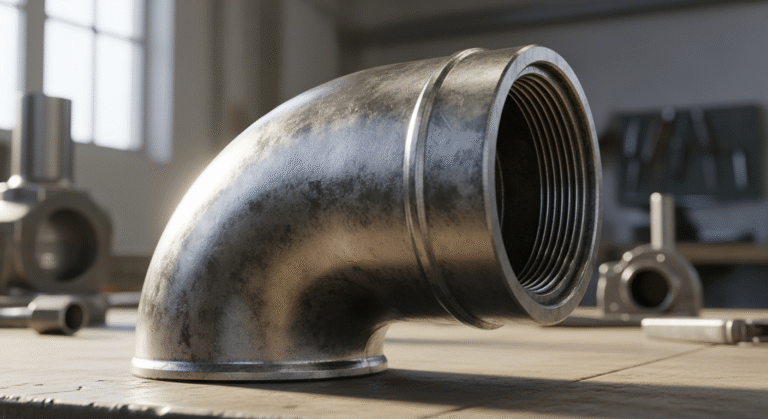
These fittings are essential for changing flow direction, branching off, or altering pipe diameter in a pipeline.
When selecting the right size for a butt weld pipe fitting, it’s important to consider the pipe’s outside diameter, wall thickness, and the material type—such as carbon steel, stainless steel, or alloy steel—to ensure compatibility and a proper fit. Accurate sizing helps maintain system integrity during the welding process and contributes to forming a continuous metal structure, minimizing the risk of leaks in high-pressure systems.
When it comes to industrial operations, the reliability of your piping system is non-negotiable. A single failure can lead to costly downtime and safety hazards. That’s where butt weld pipe fittings come in. These essential components are designed to create robust and seamless connections, ensuring your entire piping system operates with maximum integrity and efficiency. If you’re building or maintaining a pipeline, understanding the role of a quality butt weld pipe can make all the difference in performance and longevity.
Butt weld pipe fittings are specialized components used to join sections of pipe by welding them end-to-end. This method creates a strong, unified structure that becomes an integral part of your pipeline. Unlike threaded or socket weld fittings, they offer a seamless connection that is vital in demanding environments.
Understanding how these fittings work is key to appreciating their value. Let’s look at their definition and purpose, followed by how they are applied in various pipeline systems to ensure safety and reliability.
So, what exactly are butt weld pipe fittings? They are components designed to connect pipes by having their ends “butted” together and then joined through a welding process. This technique melts the material of the fitting and the pipe, fusing them into a single, cohesive piece.
The primary purpose of these pipe fittings is to alter the path or characteristics of your piping network. You can use them to change the direction of flow, split a flow into multiple paths, or connect pipes of different sizes. The result is a continuous metal structure that is as strong as the pipe itself.
By creating such a robust joint, the welding process ensures a permanent, leak-proof seal. This is crucial for systems that transport hazardous materials or operate under high pressure and temperature, where joint integrity is a top priority.
Butt weld fittings are the preferred choice for many industrial applications because of the superior strength and reliability they provide. The permanent connection created by welding eliminates a common point of failure, significantly reducing the risk of leaks compared to mechanical joints. This is essential for ensuring safety and operational continuity.
Their design offers several distinct advantages that make them ideal for critical systems. Why choose them over other types of pipe fittings? The benefits often come down to performance and durability under pressure.
Keuntungan utama meliputi:
Not all piping needs are the same, which is why butt weld fittings are available in a wide variety of shapes and sizes. Each type of fitting is engineered to perform a specific function within a piping system, from simple directional changes to more complex branching.
Choosing the right type of fitting is crucial for designing an efficient and effective pipeline. Below, we’ll explore some of the most common types you’ll encounter, as well as a few specialized fittings used for unique industrial requirements.
When building a piping system, you’ll almost certainly need a few standard butt weld fittings. These workhorses of the industry are designed to handle the most common connection and directional needs. Are you wondering what the main types of butt weld pipe fittings are?
The most frequently used fittings include:
Additionally, end caps are used to seal the ends of the butt welding on a pipe, effectively closing off a line. Each of these fittings plays a vital role in constructing a functional and reliable piping network.
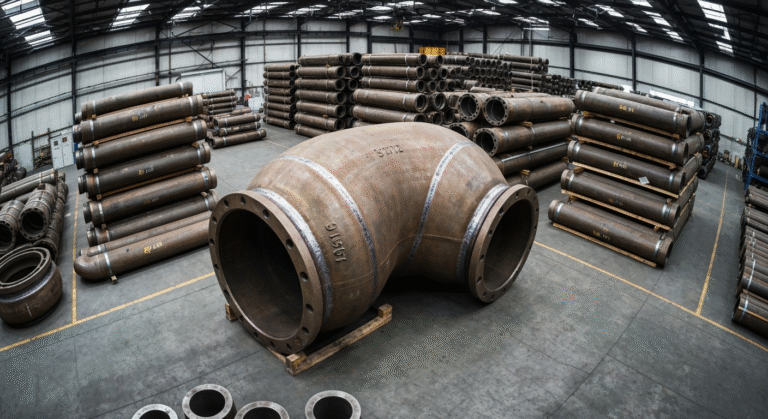
Beyond the standard components, some industrial applications require special butt weld fittings to meet unique design challenges. These fittings offer more customized solutions for flow management and system assembly. They are often manufactured through processes like hot pressing to create the desired shape.
Some of these specialized fittings include:
In industries like pharmaceuticals or food and beverage, sanitary butt weld fittings are used. Their smooth, crevice-free interiors are essential for preventing contamination and maintaining hygienic conditions, making them perfect for these sensitive applications.
The material used to make a butt weld pipe fitting is just as important as its shape. Common materials include carbon steel, stainless steel, and various types of alloy steel. The choice depends on factors like the fluid being transported, the operating temperature, and the pressure within the system.
To ensure reliability and safety, these fittings are manufactured according to strict specifications and quality standards. Adhering to these guidelines guarantees that the fittings will perform as expected under demanding industrial conditions.
Choosing the right material for your butt weld fittings is critical for the longevity and safety of your piping system. What is the difference between carbon steel and stainless steel butt weld fittings? The primary distinction lies in their composition and resulting properties, particularly corrosion resistance.
Carbon steel butt fittings are a cost-effective and popular choice for general-purpose applications where corrosion is not a major concern. In contrast, stainless steel butt fittings offer excellent corrosion resistance, making them ideal for the food, pharmaceutical, and chemical industries. For the most demanding environments, alloy steel provides exceptional strength and resistance to extreme temperatures.
Here’s a simple comparison of these commonly used materials:
Bahan | Key Properties | Aplikasi Umum |
|---|---|---|
Baja Karbon | Strong and durable; cost-effective | General-purpose oil and gas, power generation |
Baja tahan karat | Excellent corrosion resistance; hygienic | Food & beverage, pharmaceutical, chemical processing |
Baja Paduan | Exceptional strength at high temperatures; superior corrosion resistance | Petrochemical facilities, refineries, nuclear power |
How can you be sure you’re getting a high-quality butt weld pipe fitting? The answer lies in industry certifications and quality standards. Reputable manufacturers produce fittings that comply with established specifications to ensure they are safe and reliable for their intended use.
When you inspect a fitting, you should be able to identify markings that indicate its grade, material, and the standard it meets. These markings are your assurance that the product has undergone proper testing and quality control. For instance, standards from organizations like ASME and ASTM provide detailed guidelines on dimensions, material properties, and testing procedures.
Look for these common standard specifications to verify quality:
In conclusion, selecting quality butt weld pipe fittings is crucial for ensuring the efficiency and safety of industrial piping systems. Understanding the various types of fittings available and the materials used can significantly impact the longevity and performance of your pipelines. By prioritizing high-quality standards and certifications, you can minimize the risk of failures and leaks in your operations. Remember, investing in reliable fittings not only enhances functionality but also contributes to cost savings in the long run. If you want to explore the best options tailored to your industrial needs, feel free to reach out for a consultation!
Welding pipe fittings to pipe fittings involves aligning the ends of both fittings and applying heat to create a strong joint. Proper preparation, including cleaning and beveling the edges, ensures optimal fusion. This technique is essential for applications requiring high strength and durability in industrial piping systems.
Welding butt weld pipe fittings to pipe fittings involves aligning the ends of the pipes and heating them until molten. Using a filler material, the joint is then filled as it cools, creating a strong bond. This method ensures durability and strength, crucial for industrial applications involving high-pressure systems.