Menyediakan Produk Fitting Pipa Berkualitas Tinggi
Mitra terbaik grosir fitting pipa, fitting pipa dalam stok, email sales@hfittings.com untuk detailnya


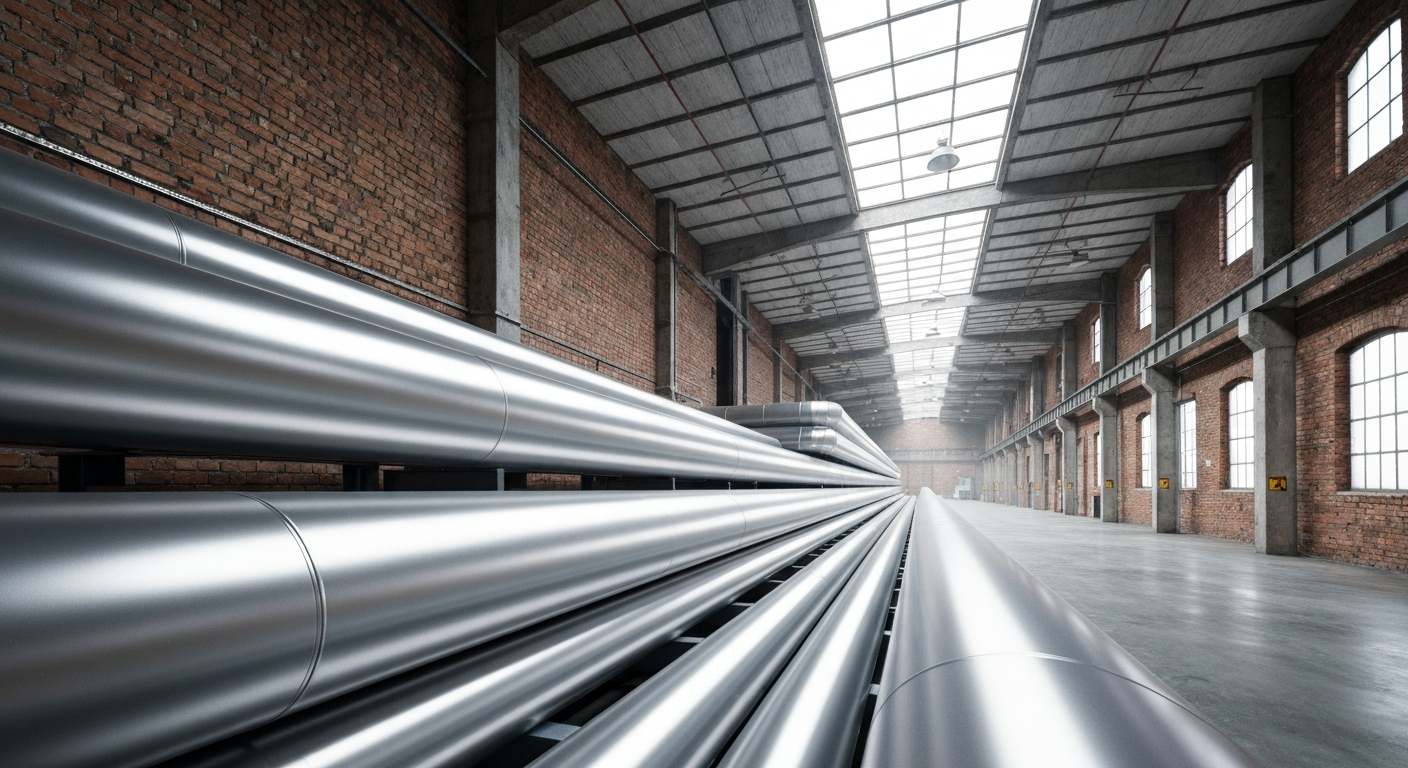
Here are the key takeaways about insulated steel pipe:
In many industries today, finding ways to improve energy efficiency is a top priority. An insulated steel pipe has become an essential solution for transporting fluids while minimizing energy waste. Thanks to a layer of thermal insulation, these pipes are designed to maintain the temperature of the liquid or gas inside, preventing heat loss or gain. This simple but effective technology not only saves money on energy bills but also contributes to more sustainable and environmentally friendly operations across various sectors.
An insulated steel pipe is more than just a standard steel pipe. It’s a complete system designed for superior temperature control and durability. It consists of an inner carrier pipe, an insulation layer made of materials like polyurethane foam, and a protective outer casing. This structure is engineered to minimize energy losses and protect the pipelines from environmental conditions.
This design not only ensures excellent insulation performance but also offers high corrosion resistance and mechanical protection. By maintaining the fluid’s temperature during transport for heating or chemical processing, it reduces the risk of condensation and extends the service life of the entire system. Now, let’s explore what makes it different from other pipes and how it boosts efficiency.
So, what is an insulated steel pipe and how is it different from regular steel pipes? A conventional steel pipe, such as a stainless steel pipe or seamless steel pipe, is simply a single-layer tube. An insulated steel pipe, however, is a multi-component system. It features a central steel pipe surrounded by a thick insulation layer, which is then protected by a durable outer casing.
This layered construction is the key difference. The insulation is specifically designed to prevent heat from escaping or entering the pipe, a feature that conventional pipe systems lack. This means you get excellent thermal performance right out of the box without needing to add separate insulation after installation.
Furthermore, the outer casing provides robust mechanical protection against physical damage and environmental factors. The entire system is often designed with enhanced corrosion resistance, combining the strength of steel with the protective qualities of insulation and a tough exterior jacket, making it far more advanced than a standard pipe.
How do insulated steel pipes directly contribute to energy efficiency? The magic lies in the thermal insulation material, which is often a high-performance polyurethane foam. This material acts as a powerful barrier, significantly slowing down the transfer of heat between the fluid inside the pipe and the surrounding environment.
By drastically reducing heat loss, the system doesn’t have to work as hard to maintain the desired fluid temperature. For example, in a district heating system, less energy is needed to keep the water hot as it travels from the plant to homes and businesses. This improved insulation performance translates directly into lower energy consumption.
Ultimately, this boost in energy efficiency leads to substantial cost savings on utility bills and a smaller carbon footprint. The excellent temperature control provided by an insulation pipe ensures that your processes run smoothly and efficiently, making it a smart choice for any application where temperature matters.
The technology behind a thermal insulation steel pipe is focused on creating a highly effective and durable barrier. This is often achieved using rigid polyurethane foam (PUR foam) as the core insulation material, which is then shielded by a tough outer casing of polyethylene (PE). This combination provides excellent thermal properties and physical strength.
In certain designs, a vapor barrier is also included to prevent moisture from penetrating the insulation, which could compromise its performance over time. This layered approach ensures that the insulation pipe functions reliably in a wide range of applications, from underground heating networks to overhead industrial pipelines. Let’s look closer at the materials used and how they are applied.
When it comes to insulated steel pipes, the choice of insulation material is critical for performance. The selection depends on factors like the required operating temperature and the specific application. Polyurethane foam (PUR) is one of the most popular choices due to its outstanding thermal resistance and structural integrity.
Different materials offer unique benefits. For instance, glass fiber is often used in high-temperature scenarios, while various foam types provide excellent value and performance for general heating and cooling. The outer casing is also important, with high-density polyethylene (HDPE) being a common choice for its durability and resistance to moisture. The insulation layer itself can be customized to meet project needs.
Here are some common insulation materials you might encounter:
Achieving thermal insulation in steel pipes is a precise manufacturing process. It starts with a clean steel service pipe, which may receive a protective coating to guard against corrosion. This pipe is then placed centrally inside a larger, durable outer pipe, typically a casing of polyethylene.
The space between the inner steel pipe and the outer casing is then filled with the insulation material. In many cases, liquid polyurethane is injected into the cavity, where it expands to create a rigid polyurethane foam. This foam bonds tightly to both the inner and outer pipes, forming a solid, seamless insulation layer.
This method ensures there are no gaps in the insulation, providing consistent thermal performance and preventing water absorption. The result is a robust, composite thermal insulation steel pipe that is ready for installation, offering both excellent insulation and structural strength.
Insulated steel pipes are incredibly versatile, finding use in various industries where temperature control is essential. In demanding industrial processes, such as in oil and gas or chemical processing plants, they are used to safely and efficiently transport hot or cold substances over long distances. Their reliability is critical for maintaining process integrity.
In construction and municipal infrastructure, these pipes are the backbone of modern HVAC systems and district heating systems. By delivering hot or chilled water with minimal energy loss, they help create comfortable and energy-efficient buildings and communities. Let’s examine their specific roles in these different sectors.
In the oil, gas, and steam industries, maintaining fluid temperature is not just about efficiency—it’s about safety and operational success. The pipelines in these sectors, whether seamless steel pipes or SSAW steel pipe, often carry fluids at extreme temperatures and pressures. Proper insulation is non-negotiable to prevent energy loss and ensure the fluids remain in their desired state.
Insulated pipes help maintain the flow characteristics of crude oil, prevent gas from cooling too rapidly, and deliver high-quality steam for industrial processes. The robust outer casing also protects these critical pipelines from harsh environmental conditions, reducing the risk of damage and extending their lifespan. Even related components like valves and fittings can be insulated to ensure system-wide performance.
Key industrial applications include:
In modern buildings and communities, energy-efficient heating and cooling are essential. Insulated steel pipes play a vital role in both district heating networks and building HVAC systems. For district heating, these pipes form extensive hot water networks that deliver heat from a central plant to numerous buildings with minimal temperature drop.
Within a building’s HVAC system, an insulation pipe is used to transport hot or chilled water for heating and air conditioning. The insulation layer is key to maintaining the temperature of the fluid, ensuring that the system operates at peak efficiency. This reduces the energy required to heat or cool the water, leading to lower operating costs.
Furthermore, when transporting chilled water, the insulation prevents the outer surface of the pipe from becoming cold. This eliminates the risk of condensation, which can cause water damage and mold growth. Whether in large-scale district networks or single pipe systems within a building, insulated pipes are fundamental to modern, efficient climate control.
The benefits of using insulated steel pipes are clear and compelling. Their design leads to improved performance in a wide range of applications by ensuring excellent insulation performance and drastically reducing heat loss. This directly translates to significant energy and cost savings over the pipe’s lifetime.
Beyond thermal efficiency, these pipes are built for durability. The combination of a strong steel core, high-performance insulation, and a tough outer jacket provides exceptional mechanical protection and corrosion resistance. This robust construction ensures a long service life, even when exposed to harsh environmental factors. Below, we’ll explore these advantages in more detail.
One of the primary benefits of using insulated steel pipes in construction is their remarkable durability and long service life. Unlike standard pipes that are vulnerable to external conditions, this system is designed for toughness. The outer jacket provides excellent mechanical protection against impacts, soil pressure, and other physical stresses during and after installation.
The multi-layer construction also offers superior corrosion resistance. The steel pipe itself can be treated with a protective coating, while the watertight outer casing and dense insulation layer prevent moisture and corrosive agents from reaching the steel. This protection from environmental factors is crucial for extending the pipe’s lifespan.
This enhanced durability means fewer repairs and replacements over the decades, leading to lower lifetime maintenance costs. For any construction project, investing in a system that promises longevity and reliable insulation performance is a smart, forward-thinking decision.
How exactly do insulated steel pipes generate cost savings? It all comes down to energy efficiency. The main job of an insulation pipe is to minimize heat loss, and it does this job exceptionally well. The high-quality insulation performance means that less energy is wasted as fluids travel through the pipeline.
This reduction in energy consumption has a direct impact on your bottom line. In heating applications, your boilers or heat sources don’t need to work as hard to compensate for temperature drops, leading to lower fuel or electricity bills. The same principle applies to cooling systems, where less energy is needed to keep fluids cold.
While the initial investment for an insulated pipe system might be higher than for uninsulated pipes, the long-term cost savings are significant. Over the lifespan of the system, the reduced energy bills often far outweigh the upfront cost, making it a financially savvy choice for any project.
The production of a pre-insulated steel pipe is a sophisticated manufacturing process that requires strict adherence to quality standards. From the raw steel service pipe to the insulation material and outer casing, every component must meet specific criteria to ensure the final product is reliable and effective.
Reputable manufacturers follow recognized standards and often hold certifications to prove their commitment to quality. This ensures that the coating, insulation, and all other parts of the pipe assembly will perform as expected. Let’s take a look at the typical production steps and the standards that govern them.
The manufacturing process for a pre-insulated steel pipe is designed to create a strong, composite product. The process involves several key stages to ensure that the steel pipe, insulation, and casing function as a single, cohesive unit. It begins with preparing the inner steel pipe, which is often cleaned and treated with an anti-corrosion coating.
Next, the prepared pipe is placed inside the larger casing of polyethylene. Spacers are used to ensure it remains perfectly centered, creating a uniform gap that will be filled with the insulation material. High-pressure injectors then fill this gap with foam, which expands to create a solid, void-free layer.
The general workflow transforms individual components into a durable, pre-insulated pipe ready for service.
Langkah | Deskripsi |
|---|---|
1. Pipe Preparation | The inner steel pipe is cleaned, shot-blasted, and may receive a corrosion-resistant coating. |
2. Assembly | The steel pipe is positioned inside the outer polyethylene casing using spacers. |
3. Foam Injection | Liquid polyurethane foam is injected into the space between the pipe and the casing. |
4. Curing | The foam expands and hardens (cures), bonding the components together into a single unit. |
5. Quality Control | The finished pipe is inspected for quality, including insulation density and bond strength. |
Yes, there are numerous quality standards and certifications that govern the production of insulated steel pipes. While specific industry standards may vary by region, manufacturers typically adhere to a set of recognized standards to ensure product safety, reliability, and performance. These standards cover everything from the steel pipe grade to the density and thermal properties of the insulation material.
In the global market, you may encounter various standards, such as European (EN), German (DIN), or Chinese (SY/T, GB) standards. These certifications provide assurance that the insulation pipe you are purchasing has been produced under strict quality control measures. In the USA, many projects will reference standards from organizations like ASTM International to define requirements.
Adherence to these quality standards is a mark of a trustworthy manufacturer. It guarantees that the product will deliver the promised insulation performance and durability. When planning a project, always confirm that the products meet the relevant local or international industry standards.
In conclusion, insulated steel pipes play a crucial role in enhancing energy efficiency across various industrial and construction applications. By significantly reducing heat loss, they not only improve system performance and longevity but also lead to substantial cost savings. Understanding the unique advantages and manufacturing standards of insulated steel pipes allows you to make informed decisions that benefit both your projects and the environment. If you’re eager to learn more about how insulated steel pipes can transform your energy management strategies, don’t hesitate to reach out for a free consultation with our experts!
Insulated steel pipe is available in a wide range of sizes to accommodate various pipe systems and applications. The dimensions depend on the required diameter of the inner steel service pipe and the thickness of the insulation needed, allowing for customization to meet the specific needs of your project.
The thermal insulation layer creates a barrier that slows heat transfer. For cold pipes, it keeps the surface temperature above the dew point, preventing moisture in the air from forming condensation. For pipes in cold climates, it slows the loss of heat from the fluid, providing effective temperature control and preventing freezing.
Due to their durability and mechanical protection, insulated pipe systems require very little maintenance. The main task is to periodically inspect the outer jacket for any damage. Promptly repairing any cuts or breaches will protect the insulation and ensure the system’s long service life.