Menyediakan Produk Fitting Pipa Berkualitas Tinggi
Mitra terbaik grosir fitting pipa, fitting pipa dalam stok, email sales@hfittings.com untuk detailnya

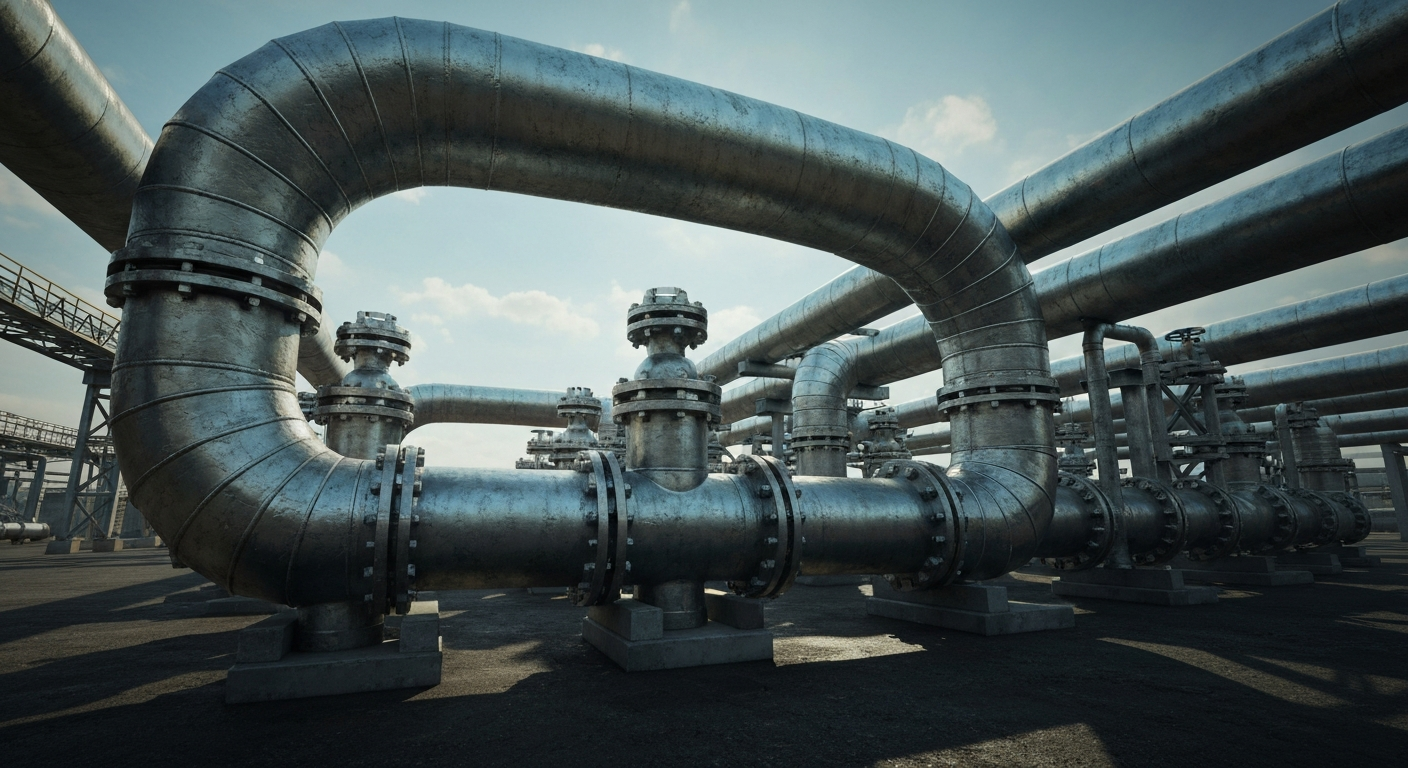
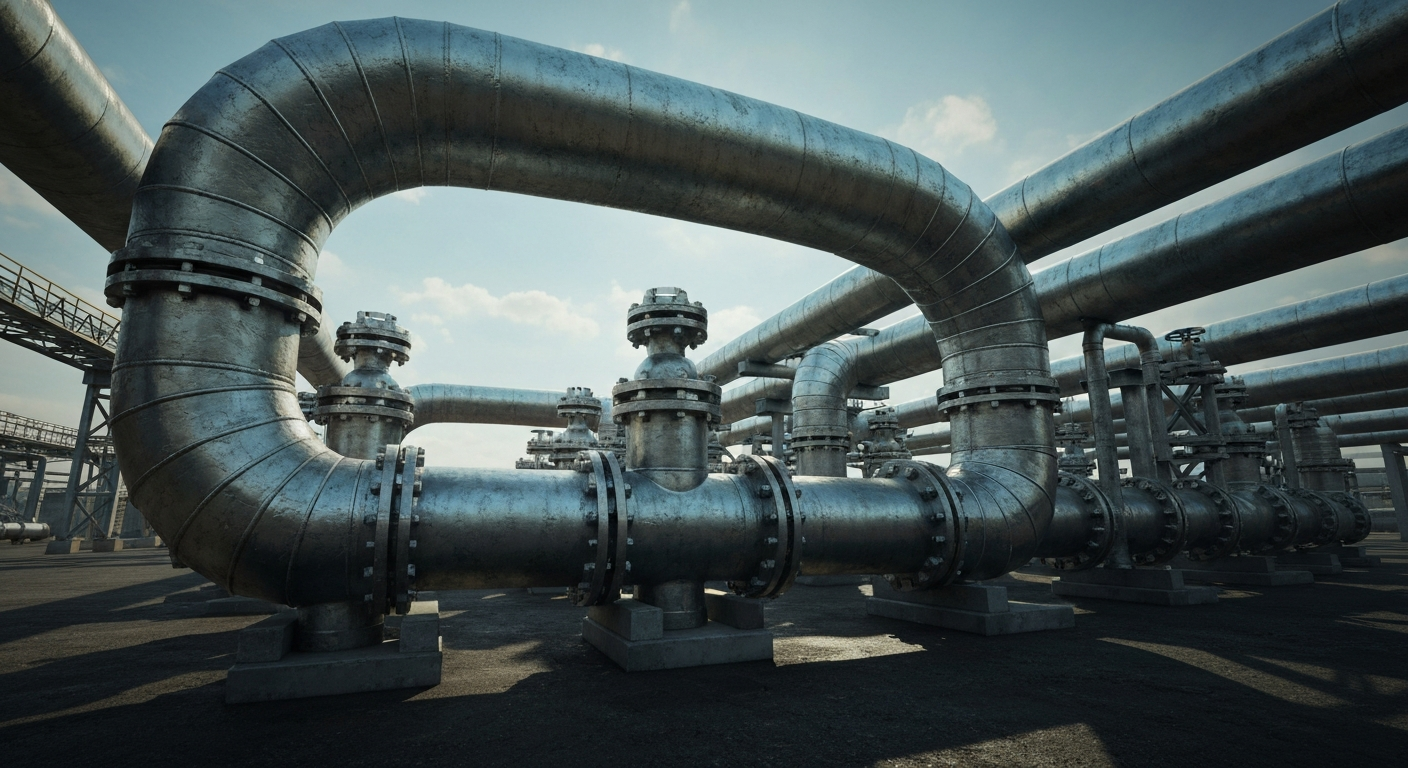
The installation process for butt weld pipe fittings involves aligning the pipe ends and fittings accurately, then welding the joint together with a suitable method such as TIG or MIG welding. Once welded, the joint is inspected to ensure proper bonding and integrity, creating a seamless transition within the piping system.
The continuous metal structure adds significant strength and durability for a long service life.
The installation process for butt weld pipe fittings involves aligning the pipe and fitting ends, then welding them together to create a seamless joint. This results in a continuous metal structure that ensures strength and durability, contributing to the fitting’s long service life and cost advantage.
When you’re designing or maintaining a piping system, finding cost-effective yet reliable components is crucial. Butt weld pipe fittings offer a powerful solution that combines strength, efficiency, and a significant cost advantage. These essential parts are welded directly to the pipe, creating a robust and continuous system. This guide will explore the unique benefits of butt weld fittings, helping you understand why they are a preferred choice for so many industrial applications.
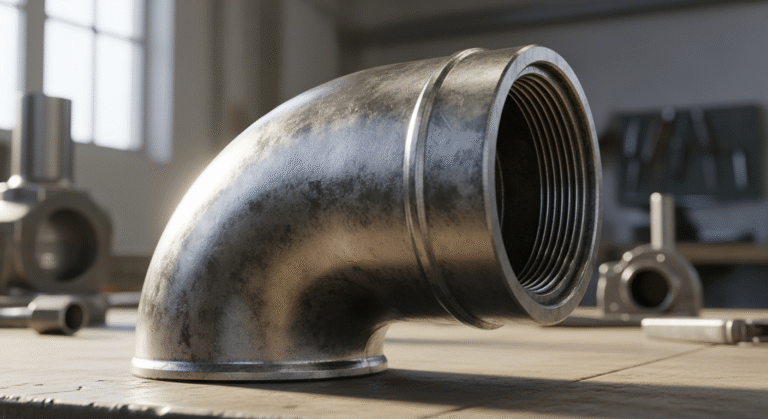
Butt weld fittings are components that allow you to change the direction of flow, branch off, or change the pipe diameter within a piping system. They are designed to be welded end-to-end, directly onto the pipes or other fittings, creating a solid, continuous structure.
This welding process ensures a strong and leak-proof connection, making butt weld fittings ideal for managing the flow of fluids in critical systems. Their reliability explains their use across a wide range of applications, from petrochemical plants to power generation facilities. We’ll explore some of the key features and common uses next.
What makes a butt weld connection so special compared to threaded or socket weld options? The primary distinction lies in how they integrate into the pipeline, offering superior strength and flow characteristics. This method creates a single, unified piece, which is a major advantage in demanding environments.
Their unique benefits include:
Unlike threaded fittings, which can be prone to leaks under stress, the butt weld forms a permanent, robust bond. This makes them the go-to choice for critical applications where system integrity is non-negotiable and performance under high pressure is essential.
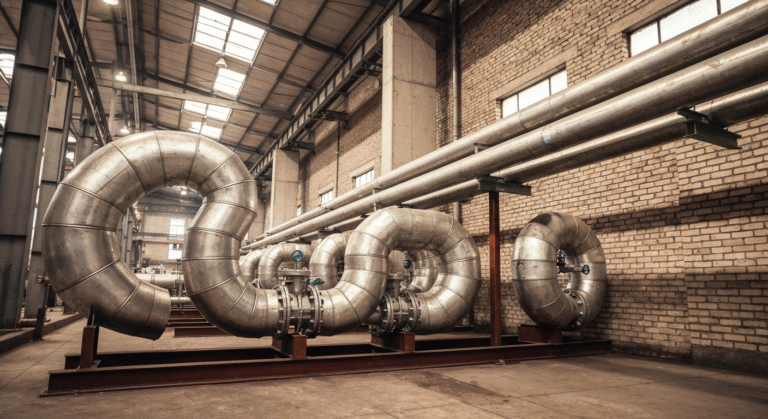
Because of their durability and strength, buttweld fittings are essential components in many of America’s most critical industries. Their ability to handle harsh conditions makes them indispensable for building and maintaining robust infrastructure that you can rely on for decades.
You will find these fittings in a variety of sectors, including:
In these environments, a leak or failure is not an option. Buttweld fittings provide the necessary security and long service life required for transporting materials safely and efficiently. They are not just parts; they are foundational to the operation of these complex systems.
Butt weld pipe fittings come in many different shapes and sizes, each designed for a specific purpose within a pipeline. This variety is a key part of their cost advantage, as it allows you to build a complex piping system without needing custom-fabricated parts for every turn or junction.
From changing flow direction to splitting it into multiple paths, there’s a fitting for nearly every need. Understanding the main types, such as elbows, tees, and reducers, helps you design a more efficient and economical system. Let’s look at some of the most common forms and their functions.
Three of the most common butt weld fittings are elbows, tees, and reducers. Each one plays a vital role in directing flow and connecting different parts of the piping system. Their shapes are engineered for optimal performance and structural integrity.
Here’s a quick look at what they do:
These fittings help create gradual directional changes that maintain flow efficiency and minimize turbulence. For example, using a long radius elbow provides a smoother turn than a short radius one, reducing pressure loss within the system.
Beyond the standard elbows and tees, some projects require special forms to complete the pipeline. These valuable fittings, including caps, crosses, and stub ends, are essential parts of pipelines that serve unique and critical functions. They provide solutions for terminating lines, creating complex intersections, or connecting to other components.
Here are some of their specific roles:
These special forms highlight the versatility of butt weld fittings. Whether you need to end a pipeline or integrate specialized equipment, there is a fitting designed for the job, ensuring the system remains secure and fully functional.
Choosing the right material for your butt weld fittings is just as important as selecting the right type. The material choices directly impact the durability, corrosion resistance, and overall cost of your piping system. The most common options include carbon steel, stainless steel, and various alloy steel fittings.
Your project’s specific requirements, such as the fluid being transported, operating temperature, and pressure, will determine the best material. We will explore the differences between two of the most popular choices—carbon steel and stainless steel—to help you make an informed decision.
The choice between carbon steel and stainless steel butt weld fittings often comes down to balancing cost, strength, and corrosion resistance. Carbon steel butt weld fittings are a popular and cost-effective choice for general-purpose applications where corrosion is not a major concern.
On the other hand, stainless steel butt weld fittings offer superior corrosion resistance, making them ideal for use with chemicals or in environments exposed to moisture. This resistance contributes to a long service life, though they typically come at a higher initial cost.
Fitur | Perlengkapan Baja Karbon | Perlengkapan Baja Tahan Karat |
|---|---|---|
Ketahanan Korosi | Lower; prone to rust without coating | High; resistant to rust and chemical corrosion |
Biaya | More cost-effective | Higher initial cost |
Common Thickness | Often Schedule 40, STD, or 80 | Often available in thinner Schedule 10 |
Aplikasi | General industrial, oil and gas pipelines | Food processing, chemical plants, marine |
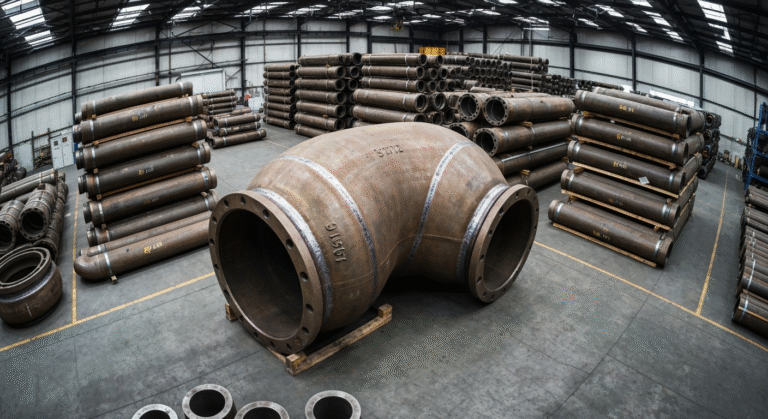
Butt weld fittings are made from either seamless or welded pipes as the starting material, and each type has distinct advantages. Seamless fittings are forged from a solid piece of metal, ensuring a uniform structure without any weld seams. This often translates to better performance under high pressure and stress.
Welded butt weld fittings are made from a piece of steel plate that is rolled and welded together. While manufacturing technology has made these welds incredibly strong, there is still a seam. Understanding the differences helps you choose the right option for your needs.
For most applications, both are reliable, but seamless is often preferred for critical systems to avoid any potential for issues related to pressure drops or structural integrity.
In summary, butt weld pipe fittings are not only essential for creating robust piping systems but also offer cost-effective solutions that cater to various industrial needs. Understanding the different types, materials, and applications of these fittings is crucial for making informed decisions that ensure efficiency and longevity in your projects. By choosing the right fittings, you can optimize your system’s performance while keeping costs in check. Whether you’re looking to use carbon steel or stainless steel options, it’s clear that butt weld fittings are a reliable choice for many industries. If you’re ready to explore these solutions further, don’t hesitate to reach out for a consultation to help you select the ideal fitting for your specific requirements!
To select the right fitting, you must match its nominal pipe size (NPS) and schedule (wall thickness) to the connecting pipe. Consider the size of the pipe and the intended purpose within the piping system. Different sizes serve different functions, so check your project specifications to ensure proper fit and flow.
For U.S. installations, steel pipe fittings should meet international standards like ASME B16.9 for dimensions and ASME B16.25 for beveled ends. These certifications ensure that the fittings are manufactured to consistent quality and dimensional specifications, guaranteeing compatibility and safety within your system.
Sanitary butt weld fittings are preferred in food and beverage processing because their smooth inner surface prevents bacteria from accumulating and is easy to clean. The welded connection eliminates crevices and minimizes the risk of leakage, ensuring a hygienic environment that meets strict industry standards for product safety.