Menyediakan Produk Fitting Pipa Berkualitas Tinggi
Mitra terbaik grosir fitting pipa, fitting pipa dalam stok, email sales@hfittings.com untuk detailnya


Elbows come in short radius and long radius options, affecting flow rates in high-pressure systems. If you are looking to buy quality stainless steel elbows online, reputable industrial suppliers and specialized piping component retailers offer a wide range of short radius and long radius degree elbow options suitable for various applications.
In any piping system, changing the direction of flow is a fundamental need. This is where stainless steel pipe fittings, specifically elbows, play a crucial role. These components connect two pipes, allowing the pipeline to turn at a specific angle. Thanks to the inherent corrosion resistance and strength of stainless steel, these fittings ensure a durable and long-lasting connection. Whether you’re working with a simple plumbing project or a complex industrial pipeline, understanding your elbow options is essential for success.
Standard ASTM specifications for stainless steel elbows include ASTM A403 for forged fittings, ASTM A182 for forged and rolled alloy and stainless steel pipe flanges, fittings, valves and parts, and ASTM A815 for wrought ferritic, ferritic/austenitic, and martensitic stainless steel fittings. These specifications provide guidelines on dimensions, material properties, and manufacturing processes, helping ensure quality and compatibility in piping systems.
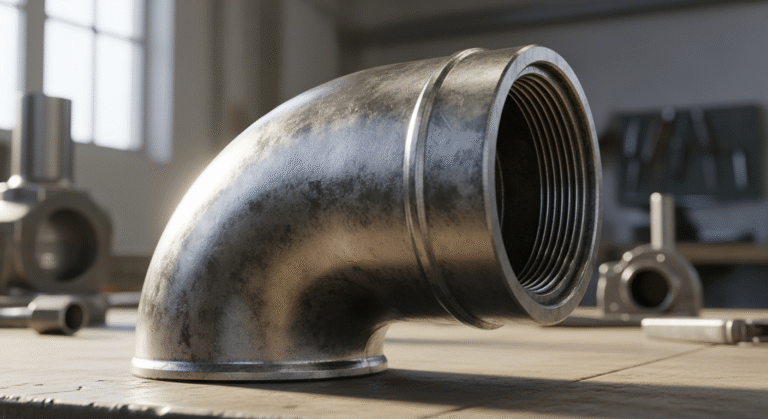
When you hear the general term pipe elbow, it refers to a fitting that changes the direction of a pipeline. While they can be made from materials like carbon steel or alloy steel, stainless steel is a popular choice for its durability. These elbows are classified based on several factors, including the angle of the turn, the connection type, and their material composition.
The most common types used across various industries are the 45°, 90°, and 180° elbows. The choice depends on the specific requirements of your system, such as the required change in flow direction and the pressure level. Both 45° and 90° elbows are vital for navigating obstacles and designing efficient layouts for high-temperature applications.
When selecting stainless steel elbows, it’s important to distinguish between butt weld and threaded options. Butt weld elbows are joined by welding, offering a strong, leak-resistant connection ideal for high-pressure or critical systems. Threaded stainless steel elbows, in contrast, feature internal threads for easy installation and removal, and are commonly used in lower-pressure applications where frequent maintenance or adjustments are needed.
The 45-degree elbow is a fitting designed to create a gradual 45-degree change in the direction of your pipeline. A key advantage of this angle is that it produces less friction and a lower pressure drop compared to a sharper 90-degree turn. This makes it ideal for systems where maintaining flow efficiency is important.
When selecting stainless steel elbows for corrosion resistance, consider the grade of stainless steel used, such as 304 or 316, since higher grades typically offer more protection in aggressive environments. It’s also important to evaluate the specific chemicals or substances flowing through the pipe, the temperature and pressure conditions, and whether the elbows will be exposed to moisture, salt, or other corrosive agents. These factors help ensure you choose an elbow that offers long-term durability and resistance to corrosion.
Due to its unique chemical composition, the 45-degree stainless steel elbow offers excellent corrosion resistance. This quality makes it a reliable choice for a wide range of different applications and industries. You will often find this fitting in systems that handle sensitive materials or are exposed to harsh environments. If you’re looking to buy quality stainless steel elbows online, reputable industrial supply websites and specialized plumbing material retailers are good places to start your search. Be sure to choose suppliers with positive reviews and clear material specifications to ensure you receive genuine, high-quality products.
This elbow is widely used in many fields. Common applications include:
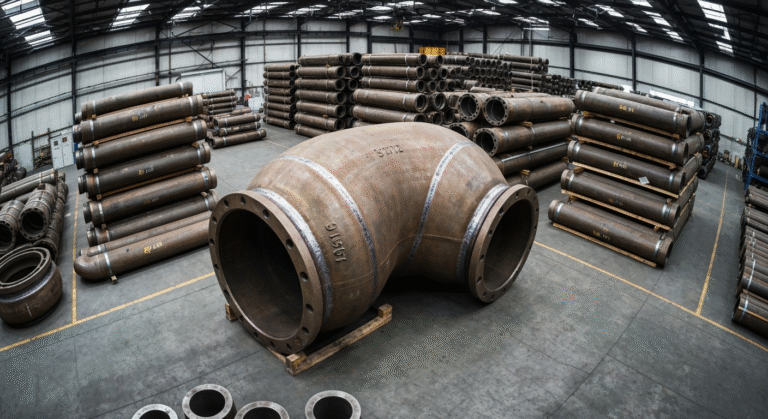
A 90-degree elbow, also known as a vertical elbow, is the most frequently used pipe fitting for changing flow direction. Its function is to make a sharp, 90-degree turn in a piping system. This type is extremely common because it fits well with standard steel construction and structural designs, making installation straightforward. The primary advantage of using stainless steel for these elbows is its superior strength and high-temperature resistance compared to other materials. Standard ASTM specifications commonly referenced for stainless steel elbows include ASTM A403 for wrought austenitic stainless steel fittings and ASTM A182 for forged or rolled alloy and stainless steel pipe flanges, fittings, and valves. These standards ensure the elbows meet strict requirements for quality, strength, and resistance to corrosion, suitable for various industrial applications.
This elbow is available in different specifications based on diameter and pressure ratings. It comes in two main types: long radius (LR) and short radius (SR). Long radius elbows are used for high-pressure and high-flow pipelines, while short radius elbows are perfect for tight spaces where a compact turn is necessary.
The main difference between butt weld and threaded stainless steel elbows lies in their installation methods and suitability for various applications. Butt weld elbows are joined to pipes by welding, providing a strong, leak-proof connection ideal for high-pressure systems. Threaded stainless steel elbows, on the other hand, are screwed onto pipes and are easier to install and dismantle, but are generally used in lower-pressure applications.
Common uses for the 90-degree elbow include:
The fundamental difference between 45° and 90° stainless steel elbow fittings is the angle of the turn they create. A 45-degree elbow provides a more gradual change in direction, while a 90-degree elbow creates a sharp, right-angle turn. This seemingly small distinction has significant implications for your entire piping system.
This change in angle directly impacts fluid dynamics, spatial requirements, and overall system pressure. The choice between a 45° and 90° degree elbow, along with considerations like a short radius or long radius, depends entirely on the specific layout and performance needs of your project. When selecting stainless steel elbows, it is also important to consider factors for corrosion resistance, such as the grade of stainless steel, presence of harsh chemicals, operating temperature, and environmental conditions. These elements play a key role in ensuring longevity and reliability of your piping system. Let’s explore how these factors influence your decision.
When designing a piping system, how you manage flow and space is critical. A 90° elbow creates a much sharper turn, which can increase turbulence and pressure drop. In contrast, a 45° elbow offers a smoother path for the fluid, resulting in less friction and a steadier flow rate. Choosing the right size involves matching the elbow’s diameter and wall thickness to your pipe to handle the expected pressure.
The radius of the elbow also plays a major role. A long radius elbow provides a wider turn, which is better for maintaining flow speed, while a short radius elbow is designed for compact areas where space is limited. A short radius elbow is often the only solution when navigating tight corners.
Here is a simple comparison to help you choose:
Fitur | 45° Elbow | 90° Elbow |
|---|---|---|
Flow Change | Gradual, less friction, lower pressure drop | Sharp, more friction, higher pressure drop |
Ruang | Requires more length for a 90° change | Compact, ideal for tight corners |
Ideal Use | Maintaining high flow rate and low pressure | When a sharp directional change is necessary |
The suitability of a 45° or 90° elbow is directly tied to its characteristics. Thanks to their excellent corrosion resistance, stainless steel elbows are perfect for both sanitary and demanding industrial applications. For instance, the smooth finish of some stainless steel elbows makes them ideal for the food and beverage industry, where hygiene is a top priority.
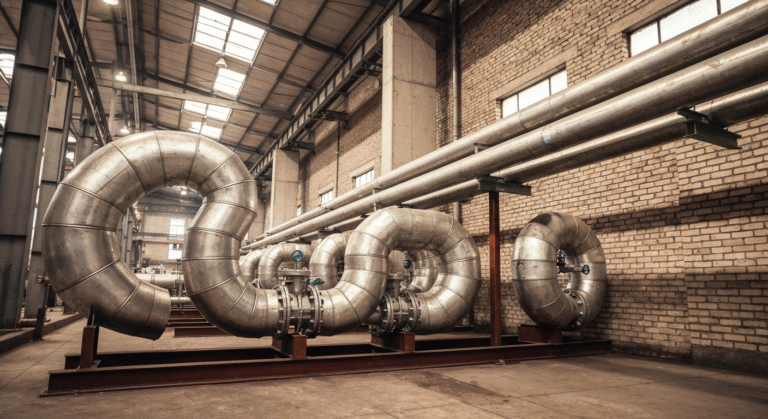
In industrial settings like chemical plants, the choice depends on the specific need. A 45° elbow might be used to gently guide fluids and minimize pressure loss, which is crucial for efficiency. A 90° elbow, on the other hand, is often necessary for navigating the complex layouts found in the construction field or around machinery where sharp turns are unavoidable.
These elbows are indispensable in many sectors, including:
In conclusion, understanding the differences between 45° and 90° stainless steel elbows is essential for making informed decisions in piping systems. Each type offers unique benefits that cater to specific applications, whether it’s optimizing flow direction or addressing space constraints. By evaluating your project’s requirements, you can select the right elbow type that not only enhances performance but also ensures longevity and reliability in your piping system. If you need personalized advice on choosing the perfect stainless steel elbow for your application, feel free to reach out for a consultation. Your piping solutions are just a conversation away!
To choose the right stainless steel elbow, you need to match the fitting to your pipeline. Consider the pipe’s diameter, the system’s pressure ratings, and the required flow direction. A 45° elbow reduces friction, while a 90° elbow is for sharp turns. Make your selection based on these factors.
For stainless steel elbows, the radius refers to the curvature of the turn. A short radius (SR) elbow has a curvature radius equal to the pipe’s diameter, making it compact. A long radius (LR) elbow has a radius that is 1.5 times the pipe diameter, allowing for a smoother flow.
Yes, absolutely. The superior corrosion resistance of stainless steel makes the pipe elbow ideal for both sanitary and industrial uses. In sanitary applications, its smooth, non-porous surface prevents bacterial growth. For industrial purposes, it withstands harsh chemicals and high temperatures, ensuring long-term reliability and safety.