Menyediakan Produk Fitting Pipa Berkualitas Tinggi
Mitra terbaik grosir fitting pipa, fitting pipa dalam stok, email sales@hfittings.com untuk detailnya


You can buy certified carbon steel Sch40 elbows online from specialized industrial suppliers, leading e-commerce platforms, and manufacturers that offer a wide selection of short radius and long radius elbows for piping system applications. Be sure to look for sellers that provide product certifications and detailed specifications to ensure quality.
A long radius elbow offers smoother flow and is ideal for high-pressure, high-flow-rate pipelines.
When you’re working on any piping system, changing the direction of a steel pipe is a common requirement. This is where pipe elbows come into play. A carbon steel elbow is a key component designed to connect two pipes and redirect the flow of fluid. Whether you’re dealing with a simple residential project or a complex industrial setup, understanding the different types of elbows is crucial for creating an efficient and reliable piping system.
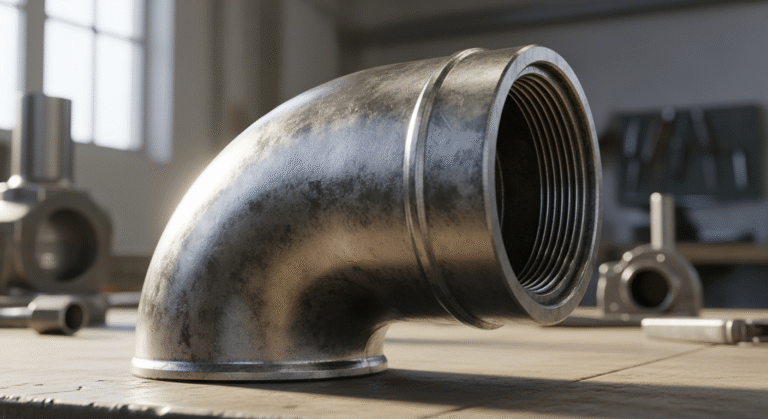
A carbon steel Sch40 elbow is a specific type of pipe elbow used to change the direction of fluid flow within a pipeline. These steel pipe fittings are designed to connect two pipes of the same or different nominal diameters, allowing you to make a turn, typically at a 45 or 90-degree angle.
Their main purpose is to provide flexibility in piping layouts, ensuring that pipelines can navigate around obstacles and suit the needs of steel construction and other structures. The “Sch 40” designation refers to the thickness and durability of the pipe wall.
You’ll find the carbon steel pipe elbow used across a wide range of fields thanks to its strength and versatility. These fittings are a staple in both large-scale industrial applications and smaller residential setups, making them incredibly useful for various projects.
Their durability makes them suitable for demanding environments. A steel pipe elbow is frequently used in systems that transport liquids and gases, proving its reliability time and again.
Some common applications include:
The material and pressure rating of your pipe fittings are critical for safety and performance. Carbon steel is known for its high strength and hardness, making it a robust choice. Schedule 40 (Sch 40) indicates a standard wall thickness that is suitable for many applications, but the connection type also plays a big role in handling pressure.
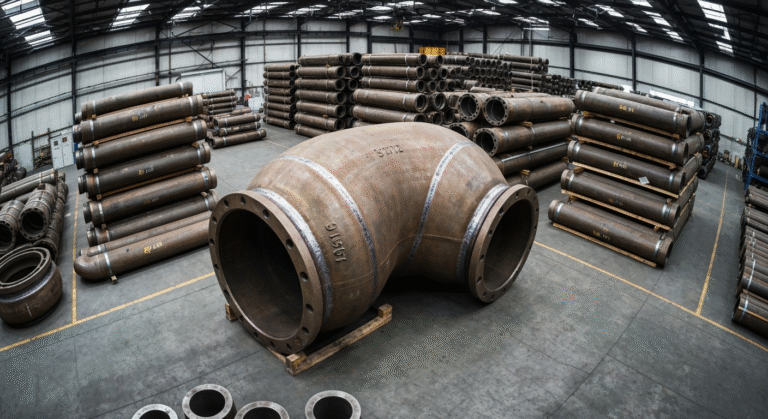
Butt weld elbows, for instance, are designed for higher pressure and temperature conditions. In contrast, socket weld and threaded elbows are typically used in systems with lower pressure requirements.
Here is a simple breakdown of how connection type relates to pressure suitability:
Jenis Koneksi | Typical Pressure Application |
|---|---|
Las Pantat | Higher pressure and temperature |
Las Soket | Lower to medium pressure |
Threaded | Lower pressure; allows for easy maintenance |
When selecting a pipe elbow, one of the most important decisions is choosing between a long radius and a short radius design. The “radius” refers to the curvature of the elbow. A long radius elbow has a gentler curve, while a short radius elbow has a much sharper turn.
This seemingly small difference has a significant impact on how fluid moves through your system. The radius affects pressure, flow rate, and the amount of space needed for installation, making it a critical factor in your piping design.
The primary design difference between long and short radius elbows is the distance from the center of the curve to the pipe’s centerline. A long radius (LR) elbow has a radius that is 1.5 times the pipe diameter, while a short radius (SR) elbow has a radius equal to the pipe diameter. This geometry directly influences the flow characteristics.
A 90-degree elbow creates a sharp vertical turn, while a 45-degree elbow offers a more gradual change in direction. This gentler angle results in less friction and a lower pressure drop compared to its 90-degree counterpart.
Key points on flow include:
Knowing when to use an LR elbow versus an SR elbow is key to a successful piping layout. Your choice will depend on the specific demands of your system, including pressure, flow rate, and available space.
A long radius (LR) elbow is the preferred choice for systems where maintaining flow efficiency is important. Its gradual curve minimizes turbulence and pressure drop, making it ideal for pipelines with higher pressure and high flow rates. Use an LR elbow when you have enough room and need to preserve the fluid’s momentum.
On the other hand, a short radius (SR) elbow is used when space is limited. If you need to make a tight turn in a confined area, an SR elbow is the practical solution. It’s best suited for low-pressure and low-speed applications where a slight increase in pressure drop is acceptable.
Choosing the correct size for your steel pipe elbow is just as important as selecting the right radius. The size of the elbow must match the pipe it will connect to, ensuring a secure, leak-free fit. These steel fittings are available in a wide range of sizes to accommodate various piping needs.
From small-diameter pipes to large industrial pipelines, there’s a Sch40 elbow to fit. Understanding how to measure and select the right size and bend radius is fundamental to building a reliable system.
To determine the proper size for your elbow, you must match the elbow diameter to the nominal pipe diameter of your pipeline. For instance, if you are working with a 4-inch pipe, you will need a 4-inch elbow. This ensures that the inner and outer diameter of the elbow aligns perfectly with the pipe for a seamless connection.
When using connection types like socket weld, the elbow is designed so the pipe end can be inserted into a trapezoidal area before welding. This means the outer dimensions of these specific pipe fittings are slightly larger to accommodate the pipe.
Always measure your pipe’s diameter carefully before purchasing fittings. Incorrect sizing can lead to installation problems, leaks, and reduced system performance. Matching the elbow to the pipe is the first step toward a successful installation.
Several factors beyond radius and size will guide your selection of a carbon steel elbow. Carefully considering these elements ensures you choose a fitting that is safe, efficient, and compliant with project requirements.
High-pressure systems demand robust fittings. As mentioned, butt weld elbows are generally used for high-pressure and high-temperature applications. Space requirements are another major constraint. If your layout is tight, a short radius elbow is often the only viable option.
Finally, always be aware of industry standards. Reputable pipe fittings are manufactured to meet specific standards like ASME and ASTM, which guarantee their quality and dimensions. Common sizes for butt weld elbows range from 1/2 inch to 48 inches.
In conclusion, understanding the differences between long radius and short radius carbon steel Sch40 elbows is crucial for optimizing your piping systems. Each type of elbow serves specific applications, with unique design features that can influence flow characteristics and overall system efficiency. By considering factors such as space constraints, pressure ratings, and application requirements, you can make informed decisions that enhance performance and longevity in your projects. Remember, the right choice not only ensures effective fluid management but also contributes to the safety and reliability of your piping systems. If you have further questions or need assistance, don’t hesitate to reach out for a free consultation to get expert guidance tailored to your needs.
Yes, you can use carbon steel Sch40 elbows for high-pressure applications, especially when they are long radius and have a butt weld connection. These pipe fittings are designed for strength, but you should always check the specific pressure ratings to ensure they meet your system’s requirements for safety and performance.
There are three primary installation methods for a carbon steel elbow. A butt weld elbow is welded directly end-to-end with the pipe. A socket weld elbow allows the pipe to be inserted into a recess before welding. Threaded ends screw directly onto the pipe, making them easy to install and remove.
Yes, certified carbon steel steel fittings adhere to strict industry standards. A pipe elbow is typically manufactured according to standards like ASME B16.9 for butt weld fittings and ASME B16.11 for forged steel fittings. Material standards like ASTM A234 also ensure quality and consistency.