Menyediakan Produk Fitting Pipa Berkualitas Tinggi
Mitra terbaik grosir fitting pipa, fitting pipa dalam stok, email sales@hfittings.com untuk detailnya


Here are the main takeaways about carbon steel elbows:
When building a durable and efficient piping system, every component matters. The right pipe fittings ensure your system operates safely and lasts for years. Among the most critical of these components is the carbon steel elbow. This essential part allows you to change the direction of pipelines, navigating obstacles and optimizing your layout. Choosing a high-quality carbon steel elbow is a fundamental step toward guaranteeing the integrity and longevity of your entire piping system.
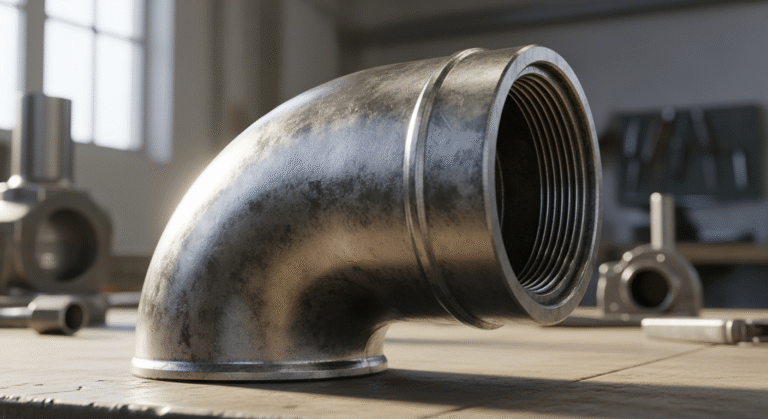
Carbon steel elbows are essential components in nearly every industrial and commercial piping network. What is a carbon steel elbow used for in piping systems? Its primary job is to change the direction of fluid flow, allowing pipes to turn corners or navigate complex layouts without interrupting the system’s efficiency.
These fittings come in various designs to meet different needs. Whether you require a sharp turn or a gentle curve, there is a steel elbow designed for the task. Understanding their role and the different types available is key to building a robust and reliable pipeline. We will explore their specific functions and common uses.
The main purpose of a carbon steel elbow is to facilitate directional changes within a pipeline. These pipe fittings allow you to redirect the flow of liquids or gases at various angles, with 45-degree and 90-degree elbows being the most common. For more specialized needs, you can also find 180-degree, 60-degree, and even 120-degree elbows.
By changing the pipe’s direction, an elbow helps manage the fluid velocity and pressure within the system. The design of the elbow, whether it has a long or short radius, directly impacts the flow characteristics. A smooth transition helps minimize turbulence and pressure loss, ensuring the system operates efficiently.
The connection method is another key aspect of their functionality. Carbon steel elbows can be joined to pipes using different techniques, including butt welding, socket welding, or threaded connections. Each method offers distinct advantages depending on the pressure, temperature, and specific requirements of the piping application.
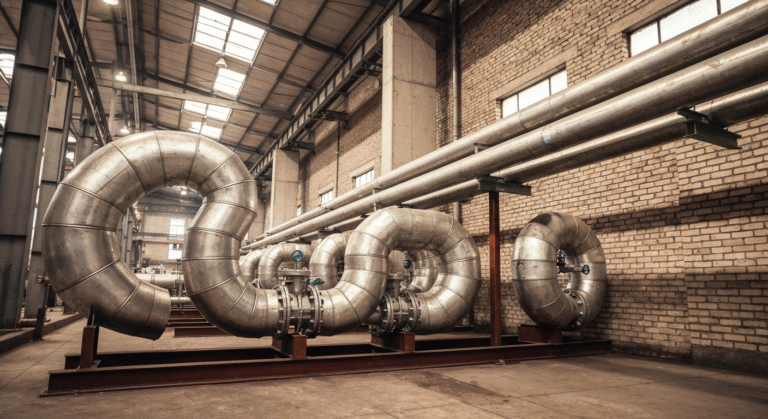
Due to their strength and reliability, carbon steel elbows are used in a wide range of industrial and commercial settings. Their ability to handle high pressures and temperatures makes them a go-to choice for demanding environments. You will find these fittings in everything from large-scale industrial pipelines to local water supply systems.
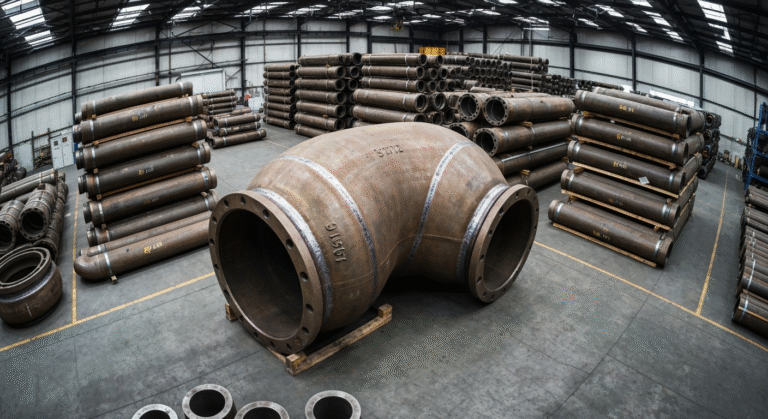
What are common applications for 90-degree carbon steel elbows? These are particularly widespread because they provide a standard right-angle turn needed in most piping layouts. They are integral to systems that require efficient routing around equipment or structural elements.
Beberapa aplikasi yang paling umum meliputi:
Carbon steel elbows are not a one-size-fits-all solution; they come in different types to suit various project needs. The most significant distinction is between long radius and short radius elbows. This classification is based on the elbow’s curvature in relation to the pipe’s diameter.
Additionally, these steel pipe fittings are categorized by the angle of the turn they create. While 90-degree and 45-degree elbows are standard, specialty degree elbow configurations are also available. Understanding these different types is crucial for selecting the right component for your piping system.
What is the difference between a long radius and short radius carbon steel elbow? The primary difference lies in the radius of the curve. A long radius (LR) elbow has a radius that is 1.5 times the pipe diameter, while a short radius (SR) elbow has a radius equal to the pipe diameter. This seemingly small difference has a big impact on performance.
The LR elbow provides a gentler turn, resulting in a smoother flow with less turbulence and pressure drop. This makes it the preferred choice for high-pressure and high-flow-rate pipelines. In contrast, the SR elbow offers a sharper turn, making it ideal for tight spaces or low-pressure, low-speed applications where space is a priority over flow efficiency.
Here is a quick comparison:
Fitur | Siku Radius Panjang (LR) | Siku Radius Pendek (SR) |
|---|---|---|
Radius | 1.5 x Pipe Diameter | 1.0 x Pipe Diameter |
Aliran | Aliran yang lebih lancar, penurunan tekanan yang lebih sedikit | More turbulence, higher pressure drop |
Aplikasi | Sistem bertekanan tinggi, aliran tinggi | Low-pressure systems, tight spaces |
The 90-degree elbow is the most widely used configuration, as it provides a standard right-angle turn essential for routing pipes around corners and obstacles. Its versatility makes it a staple in countless industrial and commercial applications, from plumbing to large-scale processing plants.
Beyond the standard 90-degree and 45-degree options, specialty elbow configurations are available today for more complex piping designs. These allow for precise directional changes that might be required to navigate unique layouts or avoid specific equipment. These elbows come in a wide range of pipe size options to fit any project.
Some common and specialty elbow angles include:
The choice of material is critical when selecting pipe fittings, and carbon steel offers a compelling mix of benefits. Compared to alloy steel or stainless steel, carbon steel provides exceptional high strength and durability at a more economical price point. This makes it a practical solution for many demanding applications.
What are the advantages of using carbon steel elbows over other materials? Their robustness allows them to withstand high pressures and temperatures without compromising structural integrity. While they may require surface treatments for enhanced corrosion resistance, their overall performance and value are hard to beat. The next sections will compare these advantages more closely.
One of the primary advantages of carbon steel is its impressive high strength and durability. This material can handle significant mechanical stress and pressure, making it an excellent choice for demanding pressure piping systems. Its toughness ensures that the fittings will not fail under the strain of industrial operations.
This inherent strength contributes to a long service life, reducing the need for frequent replacements and maintenance. Carbon steel elbows can maintain their integrity even when subjected to high temperatures, a common factor in power generation and chemical processing environments.
While carbon steel is strong, it can be susceptible to rust in certain environmental conditions. To combat this, fittings are often given a protective coating to improve their corrosion resistance. This surface treatment ensures that the elbow remains effective and durable, even when exposed to moisture or corrosive substances.
When deciding between carbon steel vs stainless steel, it is important to consider your specific needs. Carbon steel is often favored for its strength and affordability, making it a go-to for many industrial applications. However, stainless steel pipe fittings offer superior inherent corrosion resistance without needing an extra surface treatment.
Alloy steel is another alternative, providing enhanced properties like higher temperature resistance or strength, but often at a greater cost. The choice ultimately depends on the fluid being transported, the operating environment, and your budget. How do I identify the specifications of a carbon steel pipe elbow? Markings on the fitting usually indicate material grade and standards, which helps differentiate it from other materials.
Here is a simple comparison of common pipe elbow materials:
Bahan | Key Advantages | Kasus Penggunaan Umum |
|---|---|---|
Baja Karbon | High strength, cost-effective, durable | General industrial, high-pressure systems |
Baja tahan karat | Excellent corrosion resistance, hygienic | Food processing, chemical, marine |
Baja Paduan | Superior strength, high-temperature resistance | Power generation, petrochemical |
Proper installation and sizing are just as important as choosing the right material. You need to select the correct pipe size and schedule, which refers to the wall thickness, to match your system’s pressure requirements. Getting these details right ensures a secure, leak-free connection.
The connection type is also a major consideration, with butt weld and socket weld being two common methods for carbon steel fittings. Following industry standards is non-negotiable for safety and performance. Let’s look at how to choose the right size, install fittings correctly, and adhere to the necessary codes.
How do I choose the right size and schedule for a carbon steel elbow? Selecting the correct dimensions is critical for the safety and efficiency of your pipeline. The pipe size must match the nominal pipe diameter of the pipes you are connecting. Mismatched sizes will prevent a proper fit and could lead to system failure.
The schedule number indicates the wall thickness of the elbow. A higher schedule number means a thicker wall, which is necessary for handling higher internal pressures. You must match the elbow’s schedule to your system’s service conditions to prevent leaks or ruptures.
Pertimbangkan faktor-faktor ini saat menentukan pilihan Anda:
How is a carbon steel butt weld elbow installed? A butt weld connection creates a strong, leak-proof, and permanent joint. The production process of butt weld fittings involves beveling the ends, which prepares them to be welded directly to the end of a pipe.
The installation process involves carefully aligning the elbow and the pipe, then welding them together around the entire circumference of the joint. This creates a continuous metal structure that allows for a smooth internal flow and exceptional strength, making it ideal for high-pressure and critical applications.
For a successful installation, follow these best practices:
Are there standard industry codes or certifications for carbon steel elbows? Yes, and adhering to them is crucial for ensuring safety and reliability, especially in pressure piping systems. These industry standards provide detailed specification guidelines for manufacturing, dimensions, materials, and testing.
Following these codes ensures that the fittings you use are designed to handle the intended service conditions. Certification from recognized bodies confirms that a product has been tested and meets these rigorous requirements. These markings help you identify compliant and high-quality fittings.
Key industry codes and standards for carbon steel elbows include:
To ensure the longevity of your piping system, proper maintenance of carbon steel elbows is essential. While these fittings are durable, they are not immune to wear and tear, especially in harsh industrial environments. Regular inspection is the first line of defense against potential issues like corrosion or leaks.
Factors like environmental conditions and the need for a protective surface treatment play a significant role in their lifespan. By implementing a proactive maintenance plan, you can extend the life of your fittings and prevent costly downtime. The following sections will provide tips for routine care and mitigating common problems.
What maintenance is required for carbon steel elbows in industrial settings? Routine and regular inspection is the cornerstone of effective maintenance. Visually check fittings for any signs of corrosion, cracking, or physical damage. This is especially important in systems exposed to high temperature, high pressure, or mechanical stress.
Pay close attention to the surface treatment or coating on the elbow. If you notice any peeling, chipping, or wear, it should be repaired promptly to prevent underlying corrosion. A compromised coating leaves the carbon steel vulnerable to moisture and other corrosive elements.
Here are some simple care tips to follow:
In industrial production environments, carbon steel elbows can face several challenges. One common issue is an excessive pressure drop, which can be caused by using short radius elbows in high-flow systems. Mitigate this by selecting long radius elbows to ensure a smoother flow path.
Corrosion is another major concern, especially in harsh environmental conditions. To enhance corrosion resistance, always choose fittings with an appropriate protective coating or consider galvanization for outdoor or humid applications. Proactive measures are far more effective than reactive repairs.
Here are ways to mitigate common issues:
In summary, carbon steel elbows play a crucial role in maintaining the integrity of pipe systems across various applications. Their strength, durability, and resistance to corrosion make them an excellent choice for both industrial and commercial settings. Understanding the different types of carbon steel elbows, along with proper installation and maintenance practices, ensures optimal performance and longevity. By following best practices and industry standards, you can mitigate common issues and prolong the life of your piping system. If you’re considering integrating carbon steel elbows into your project, don’t hesitate to reach out for more information. Your pipe system’s reliability starts with the right fittings!
To identify authentic carbon steel elbows, look for manufacturer markings on the fitting itself. These should include the material grade, size, schedule, and compliance with industry standards like ASME B16.9. These specification guidelines confirm that the steel pipe fittings meet required quality and safety levels for your piping project.
In the United States, carbon steel elbows should primarily meet ASME B16.9, which covers factory-made wrought butt-welding fittings. This standard provides specification guidelines for dimensions, tolerances, and materials for fittings used in high-pressure systems. Following this certification ensures safety and interoperability with other piping components.
Yes, carbon steel fittings, including the steel elbow, are widely available today from numerous online suppliers. These vendors serve different industries and offer a vast selection of pipe fittings in various sizes and specifications. You can easily find and purchase the right components for your specific piping project online.