Menyediakan Produk Fitting Pipa Berkualitas Tinggi
Mitra terbaik grosir fitting pipa, fitting pipa dalam stok, email sales@hfittings.com untuk detailnya

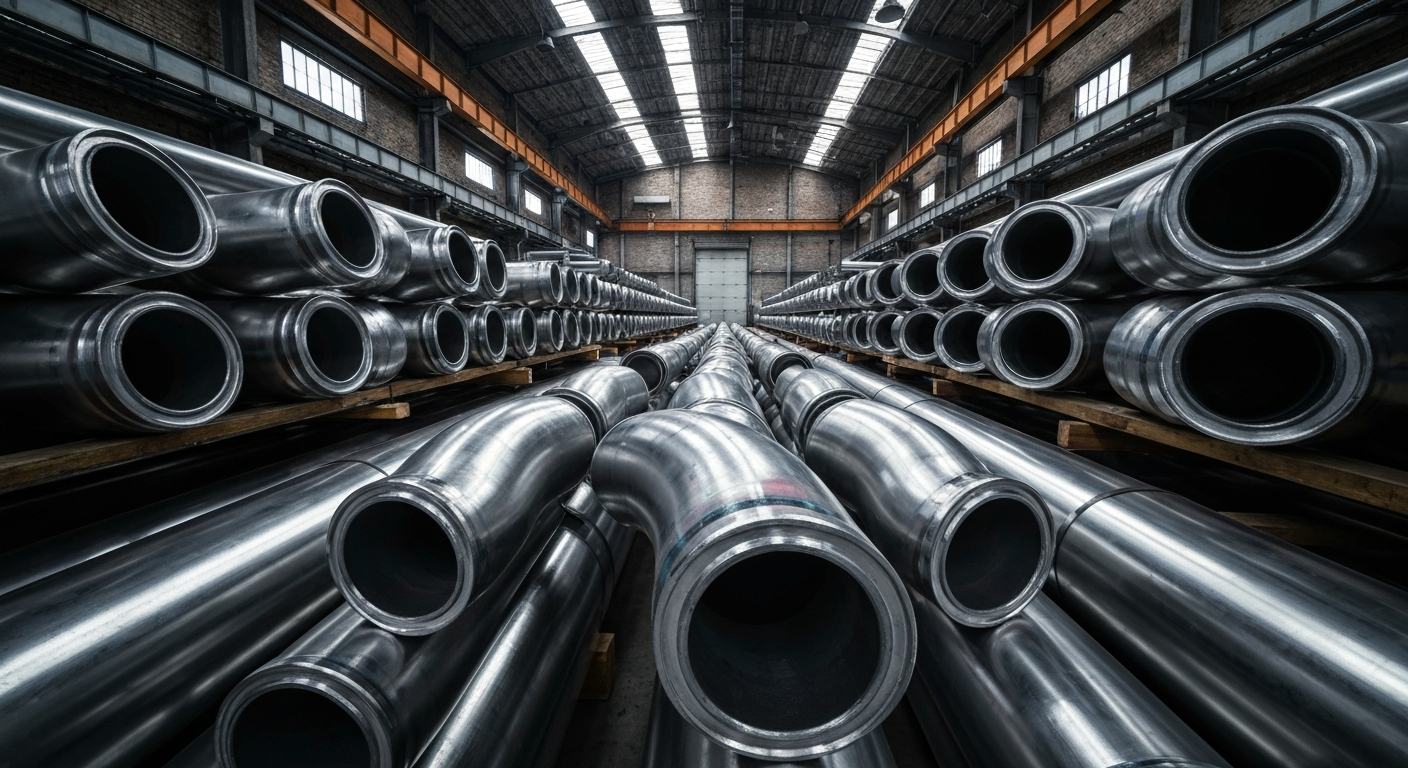
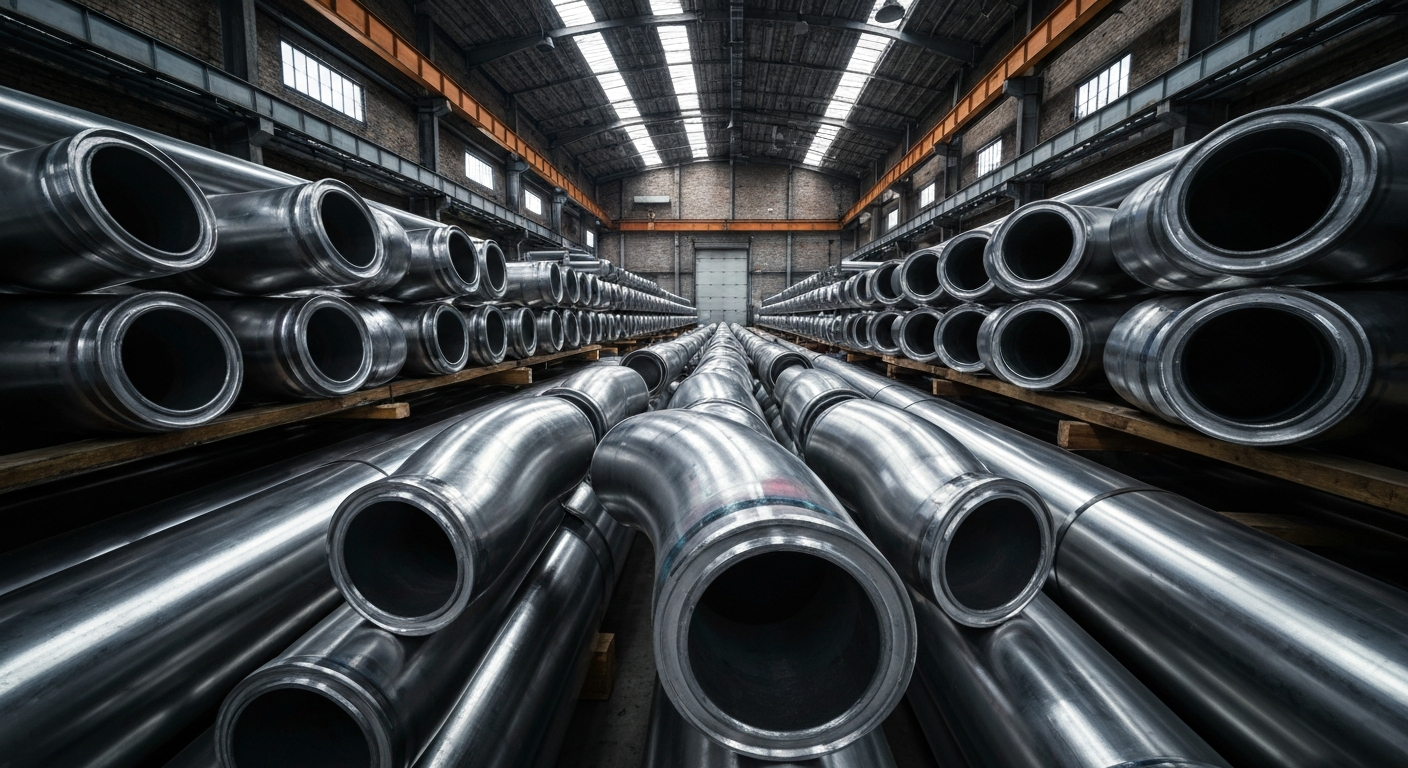
Understand how to select the right elbow for industrial and commercial piping applications.
Find out about key standards like ASME and ASTM that ensure the quality of your fittings.
Welcome to your guide on 10-inch steel pipe butt weld elbow options! These essential pipe fittings are crucial for changing the direction of flow in piping systems across many industries. Whether you are working with stainless steel or other alloys, choosing the right elbow ensures a secure, leak-proof connection. This article will walk you through the key specifications, material types, and applications to help you select the perfect butt weld elbow for your project’s needs.
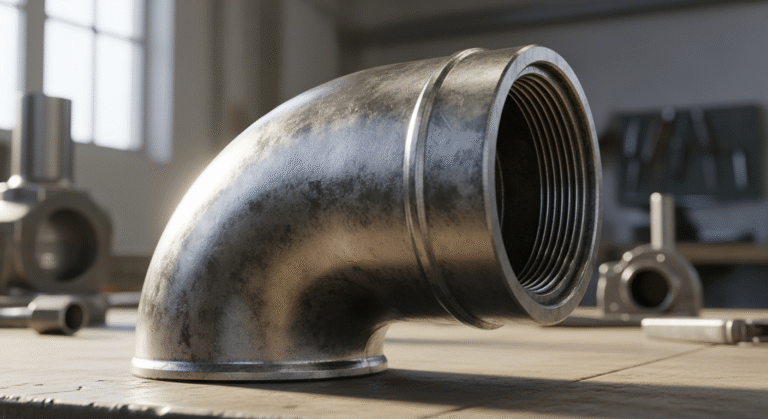
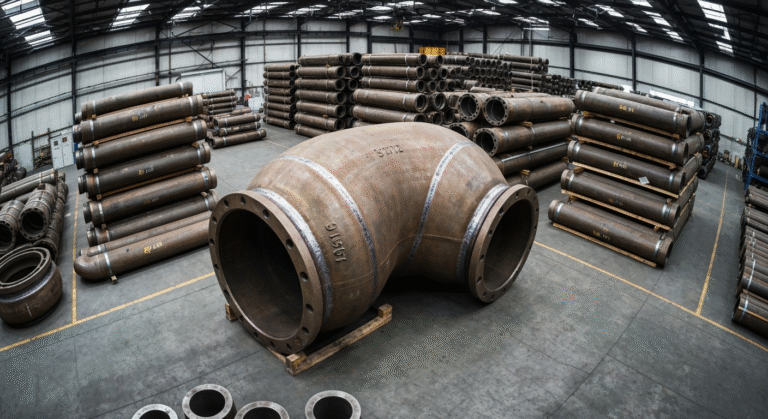
For a 10-inch stainless steel butt weld elbow, typical dimensions include an outside diameter of 10 inches and a bend radius that aligns with either short-radius (SR) or long-radius (LR) standards, most commonly a centerline radius of 15 inches for LR elbows. The weight can vary depending on the wall thickness and type, but a standard 10-inch long-radius stainless steel butt weld elbow often weighs approximately 31–35 lbs (14–16 kg).
When you’re selecting a 10-inch butt weld elbow, getting the details right is critical for a successful installation. Key specifications, such as the nominal pipe size (NPS), wall thickness, and material grade, determine the fitting’s performance and compatibility with your existing pipes. It’s important to match these details precisely to ensure a strong and reliable weld.
Furthermore, the material itself plays a huge role. From durable stainless steel to robust carbon steel, each option offers unique benefits. Material certifications provide proof that the fittings meet stringent industry standards, giving you confidence in their quality and durability. Let’s look closer at the dimensions and material grades you’ll encounter.
What are the key specifications for a 10-inch steel pipe butt weld elbow? The most important ones are its diameter, wall thickness, and schedule. The nominal diameter is 10 inches, but the wall thickness varies depending on the pipe “schedule.” The schedule number indicates the strength and pressure capacity of the fitting.
A higher schedule number means a thicker wall, which can handle more pressure. For example, a Schedule 40 elbow has a thicker wall than a Schedule 10 elbow. These specifications are standardized by bodies like ANSI to ensure all fittings are consistent and reliable. Checking the overall dimensions against your project’s requirements is a vital first step.
To make it clearer, here are some key specifications you should know:
Spesifikasi | Deskripsi |
|---|---|
Ukuran Pipa Nominal (NPS) | The standard size designation, which is 10 inches for these elbows. |
Schedule (SCH) | A number that indicates the wall thickness of the fitting (e.g., SCH 10, SCH 40). |
Ketebalan Dinding | The actual thickness of the elbow’s wall, which corresponds to the schedule. |
End Type | Typically a plain or compound bevel to prepare the fitting for a butt weld. |
The material of your butt weld elbow is just as important as its dimensions. The choice between stainless steel, carbon steel, and alloy steel depends entirely on your application’s demands, such as temperature, pressure, and corrosion resistance. Each material is governed by ASTM standards, which specify its composition and properties.
For instance, wrought austenitic stainless steel fittings are covered by ASTM A403. This category includes popular grades like 304 and 316, which are widely used for their excellent corrosion resistance. Similarly, carbon steel fittings for high-temperature service are often specified under ASTM A234. You may also see materials like ASTM A285 Grade C used in certain applications.
Which stainless steel grades are commonly used for 10-inch butt weld elbows? The most prominent are austenitic grades like 304/304L and 316/316L. These are chosen for their superior durability and ability to withstand corrosive environments, making them a reliable choice for long-term performance in demanding industrial settings.
Beyond materials and dimensions, 10-inch butt weld elbows come in different types, each suited for specific situations. The most common distinction is between long radius and short radius designs. The choice between them affects flow efficiency and the amount of space needed for installation. These fittings are used in systems that must adhere to strict safety regulations, such as the ASME Boiler and Pressure Vessel Code.
These elbows are just one piece of a larger system that includes other fittings like tees, reducers, and lap joint stub ends. Understanding how each type functions will help you design a more efficient and effective piping layout. Now, we’ll compare the two main elbow designs and explore where they are typically used.
How do you choose between long radius (LR) and short radius (SR) butt weld elbows for a 10-inch steel pipe? The decision comes down to balancing flow characteristics and space constraints. A long radius elbow has a curve radius that is 1.5 times the pipe’s diameter, while a short radius elbow’s curve is equal to the pipe’s diameter.
This difference in curvature directly impacts fluid flow. The gentler curve of an LR elbow creates less turbulence and pressure drop, making it the preferred choice for most applications. However, short radius elbows are perfect for tight spaces where a wider turn isn’t possible. Both types feature beveled ends to ensure a proper weld.
Berikut ini perbandingan singkatnya:
In bustling industrial hubs like Singapore, 10-inch steel pipe elbows are essential components in a vast range of piping systems. Their primary function is to change the direction of a pipeline by 90 or 45 degrees. This simple change of direction is fundamental in routing pipes around obstacles, through buildings, and within complex processing plants.
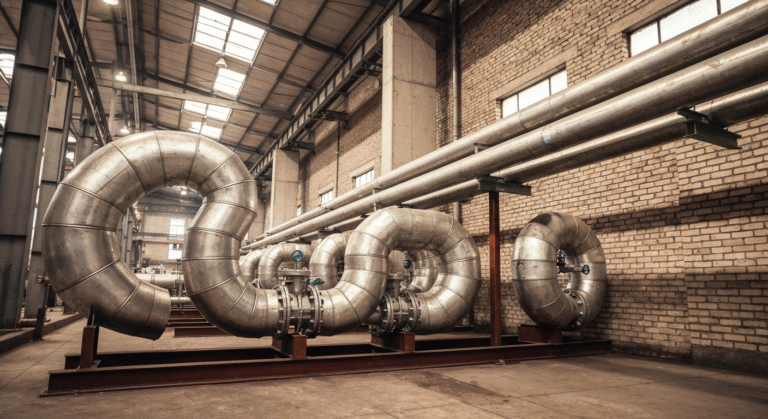
What is the typical use of a 90-degree butt weld elbow in 10-inch steel piping systems? These fittings are commonly found in large-scale industrial applications, including oil and gas processing, chemical manufacturing, and power generation, especially in boiler systems. They connect long runs of pipe and integrate with other fittings like tees and valves to create a complete, functional network.
Their robust, welded connection is vital for systems that transport high-pressure fluids or hazardous materials, where leaks are not an option. From commercial HVAC systems to heavy industrial processing lines, these elbows ensure that fluids and gases are moved safely and efficiently to where they need to go.
When selecting the right 10’’ steel pipe butt weld elbow, it’s crucial to consider the key specifications and types available for your specific application. Understanding the differences between long radius and short radius designs, as well as the various stainless steel grades, can significantly impact performance and durability. By making informed choices based on the highlighted features and applications, you can enhance the efficiency and longevity of your piping systems. If you have any further questions or need assistance in choosing the best option for your needs, feel free to reach out!
To measure a 10-inch butt weld elbow, start by confirming its overall dimensions against the manufacturer’s specifications. Check the markings on the fitting to verify the nominal pipe size (NPS), schedule, and material grade. Ensure the beveled ends are correctly prepared for the weld to guarantee a secure connection.
The primary difference between a Schedule 10 and a Schedule 40 elbow is the wall thickness. A Schedule 40 fitting has a thicker wall than a Schedule 10 of the same diameter, making it suitable for higher-pressure applications. Both schedules adhere to ANSI and ASTM standards for dimensional consistency.
While both are corrosion-resistant stainless steel fittings, 316 and 316L are not always interchangeable. The “L” in 316L stands for low carbon, which provides better resistance to corrosion after welding. For applications requiring significant welding, ASME and ISO standards often recommend 316L to prevent weld decay.