Fournir des produits de raccords de tuyauterie de haute qualité
Meilleur partenaire des grossistes en raccords de tuyauterie, raccords de tuyauterie en stock, envoyez un courriel à sales@hfittings.com pour plus de détails.



Carbon steel is renowned for its exceptional durability and strength, making it ideal for high-pressure applications. If you’re looking to buy high-quality carbon steel pipe fittings online, many reputable industrial suppliers and specialized e-commerce platforms offer a wide selection—including various fitting types such as a tee—to ensure you find the right products for your needs.
When designing or maintaining a piping system, the components you choose are critical for performance and safety. Among the many options, carbon steel fittings stand out for their incredible strength and reliability. Made from an alloy of iron and carbon, these parts are built for demanding environments. If you need a robust solution that can handle high pressure and temperature, understanding what makes carbon steel so special is the first step toward a successful project.
Carbon steel pipe fittings are not a one-size-fits-all solution. They come in many forms, each designed to perform a specific function within a piping system, from changing flow direction to connecting pipes of different sizes. Choosing the right type of pipe fitting is crucial for maintaining the system’s integrity and efficiency.
Understanding the different types of carbon steel pipe fittings available is key to building a durable network. Whether you’re working in oil and gas, power generation, or water treatment, selecting the appropriate fitting ensures a secure, leak-proof connection that can withstand the demands of the application. Next, we’ll look at some of the most common styles.
To build a functional piping system, you’ll need a variety of shapes to connect pipes correctly. Each type of fitting serves a unique purpose, and carbon steel is a popular material for its strength and versatility. Knowing the role of each style helps you select the right component for the job.
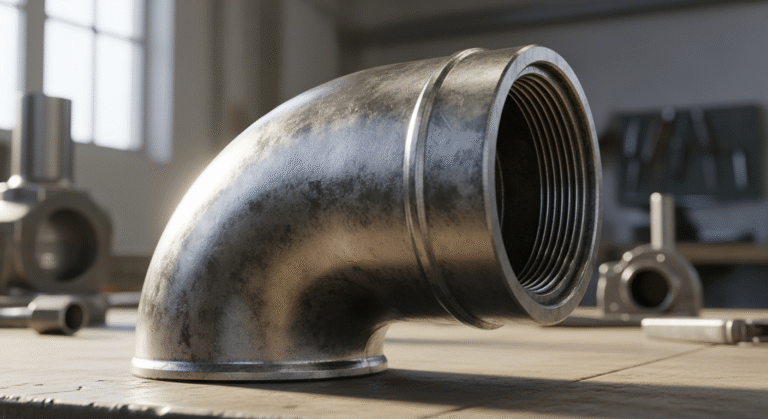
The most common types include elbows, tees, and reducers. Carbon steel elbows are used to change the direction of flow, while carbon steel tees create a branch in the pipeline, joining three pipes together. Carbon steel reducers are essential for connecting pipes of different sizes, ensuring consistent flow. The connection type can vary, but all are designed for strength.
Here are a few essential fitting styles:
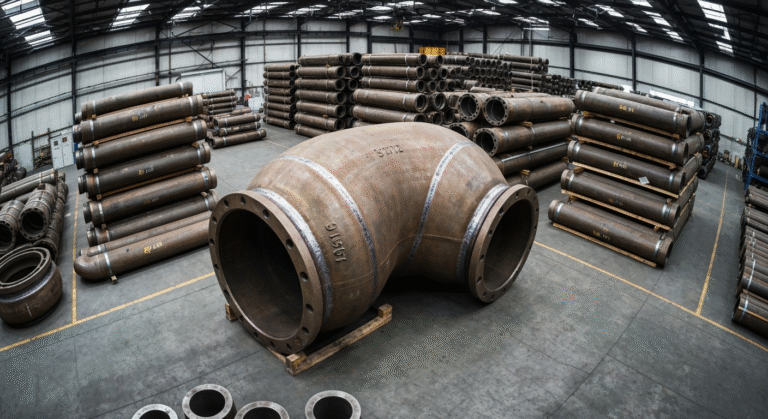
For high-pressure and high-temperature environments, butt weld fittings are an excellent choice. This installation method involves welding the fitting directly to the pipe, creating a strong, permanent, and leak-proof seal. The resulting joint has a smooth interior, which allows for uninterrupted flow and reduces pressure loss within the pipeline.
Because of their immense strength and long-term stability, butt weld connections are frequently used in critical applications. You will often find them in demanding industrial settings where reliability is non-negotiable. Their robust construction ensures they can handle significant mechanical stress without failing.
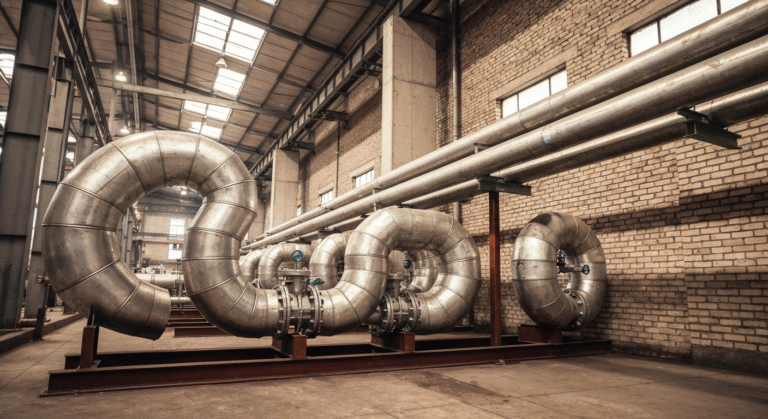
These fittings are indispensable in sectors like power plants and petrochemical plants. In these facilities, they are used to transport steam, chemicals, and other fluids under high pressure. The durability of a butt weld joint makes it the go-to option for any pipeline where safety and performance are the top priorities.
The exceptional strength of carbon steel fittings comes from their material composition as an alloy of iron and carbon. This combination gives the material outstanding tensile strength, allowing it to handle high pressure measured in PSI without deforming or failing. This durability makes it a top choice for industrial and commercial projects.
Beyond strength, carbon steel offers excellent temperature tolerance and is more affordable than many other alloys. Its versatility and ease of fabrication also contribute to its popularity. These advantages make carbon steel fittings a practical and reliable solution for creating a robust piping system built to last. Let’s explore how it stacks up against other materials and performs in extreme conditions.
When selecting materials, it’s helpful to see how they compare. Carbon steel is often chosen for its balance of strength, durability, and affordability. While it is incredibly tough, it is more susceptible to corrosion than stainless steel. However, with proper coating or galvanization, its lifespan can be significantly extended.
Stainless steel, on the other hand, contains chromium, which provides excellent corrosion resistance, but it often comes at a higher price point. The best choice depends on your project’s specific needs, including the environment and the substances being transported through the pipes.
For a clearer comparison, here’s a look at carbon steel versus stainless steel:
Fonctionnalité | Acier au carbone | Acier inoxydable |
|---|---|---|
La force | Haut | Haut |
Résistance à la corrosion | Lower (requires coating) | Haut |
Coût | More Affordable | More Expensive |
Durabilité | High (with protection) | Very High |
One of the standout features of carbon steel is its ability to maintain structural integrity across a wide range of temperatures. It can handle both high temperatures found in power generation and the low-temperature conditions of certain industrial processes. This resilience makes it a dependable choice for systems that experience fluctuations or operate in extreme temperatures.
While strong, carbon steel is prone to corrosion if left unprotected, especially in outdoor or moist environments. To ensure long-term durability, these fittings are often painted, coated, or galvanized. This protective layer acts as a barrier against rust and chemical damage, preventing leaks and costly breakdowns.
Regular maintenance and inspection are key to maximizing the lifespan of your piping system. By checking for signs of corrosion and addressing them early, you can ensure your carbon steel fittings continue to perform safely and efficiently, even under the most demanding pressure and temperature conditions.
In summary, quality carbon steel pipe fittings are essential for ensuring the integrity and longevity of your projects. With various types such as elbows, tees, and reducers, choosing the right fittings can significantly influence project performance. Understanding the strengths and advantages of carbon steel, particularly in high-pressure and low-temperature environments, further emphasizes its superiority over other materials like stainless steel. By prioritizing the right specifications and standards, you can enhance the reliability of your systems. If you have questions or need assistance selecting the right fittings for your next project, feel free to reach out for expert guidance!
When selecting carbon steel pipe fittings, look for products that meet industry standards like ASTM and ASME. This certification ensures the fittings have passed rigorous quality and safety tests, guaranteeing their performance and reliability for your pipeline. Adhering to these standards is crucial for building a secure and durable system.
The main difference lies in their manufacturing. Seamless fittings are forged from a single piece of steel, offering superior strength and durability, making them ideal for high-pressure applications. Welded carbon steel fittings are made from welded pieces, providing a more cost-effective option for your pipeline.
To choose the correct carbon steel pipe fittings, you must match the fitting’s size to the pipe’s diameter. Additionally, consider the system’s pressure rating to ensure the fitting can handle the operational stress. Selecting the right size and rating is essential for a secure, leak-proof piping system.