Suministro de accesorios de tubería de alta calidad
Mejor socio de los mayoristas de accesorios de tubería, accesorios de tubería en stock, correo electrónico sales@hfittings.com para más detalles

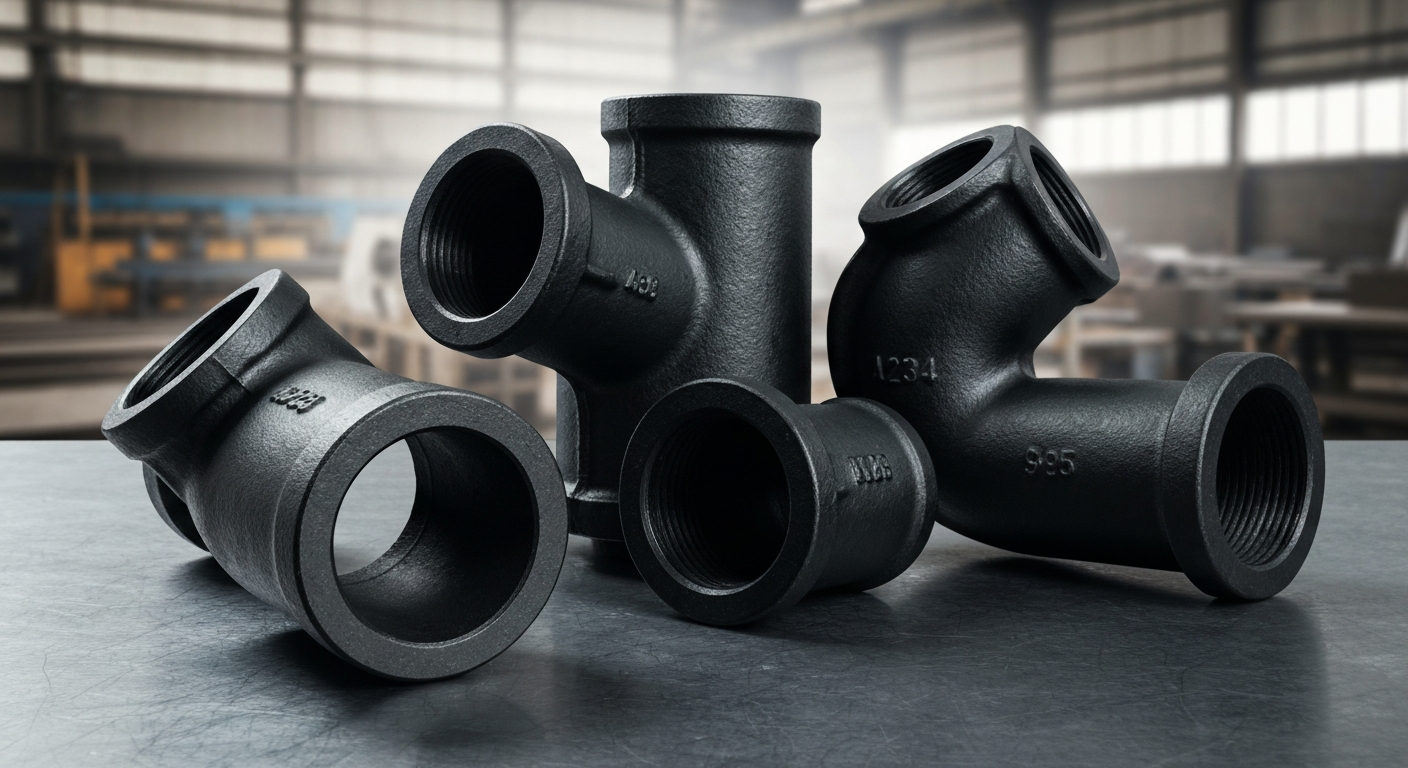
Welcome to your guide on A234 WPB butt weld fittings! In any industrial piping system, every component counts, and choosing the right parts is crucial for safety and efficiency. These carbon steel fittings are go-to solutions for moderate and high-temperature applications. Whether you are working on projects in Singapore or elsewhere, understanding these pipe fittings helps ensure your system is robust and long-lasting. Are you ready to find the best fittings for your needs?
A234 WPB butt weld fittings are a specific type of carbon steel pipe fitting designed to be welded on-site to connect pipes. The “WPB” designation stands for weldable, pressure, and Grade B, indicating their minimum yield strength. They are specifically made for use in pressure piping systems at moderate to high temperatures.
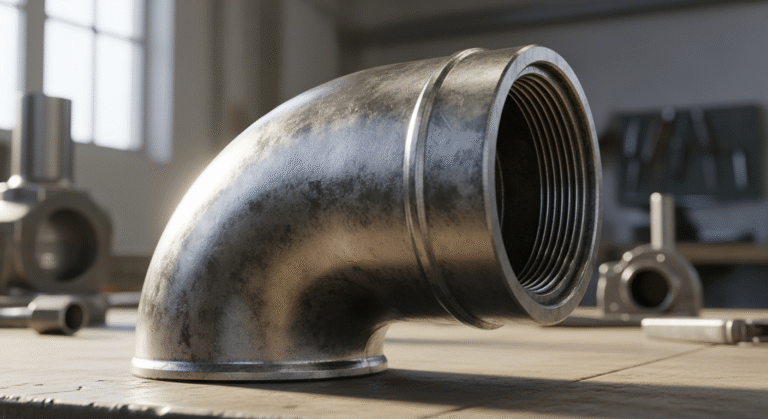
These fittings are manufactured from wrought carbon steel, making them incredibly durable and resilient. The butt weld connection creates a strong, leak-proof seal, which is vital in demanding industrial environments. The black paint finish is a surface treatment that adds a crucial layer of protection against rust.
The reliability of A234 WPB fittings comes from their specific chemical composition. The standard specification carefully controls the elements to ensure consistent performance. This balance is what gives these carbon steel parts their impressive strength and weldability, making them a preferred choice over some alloy steel options for certain applications.
The material composition ensures they meet high mechanical properties. Key elements include:
Due to these features, black paint A234 WPB butt weld fittings are primarily used to connect piping and change flow direction in high-pressure environments. You’ll find them in oil and gas pipelines, chemical plants, and power generation facilities where reliability is non-negotiable.
For components used in critical applications, strict adherence to manufacturing standards is essential. A234 WPB fittings must comply with several international certifications to ensure safety and quality, which is especially important for industrial projects in Singapore. The primary standard is ASTM A234, which specification covers wrought carbon steel and alloy steel fittings.
In addition to material standards, dimensional accuracy is governed by ASME/ANSI codes. These include:
These certifications guarantee that every fitting has consistent quality, dimensions, and material properties. Common types of butt weld fittings made from A234 WPB material include elbows for changing direction, tees for creating branches, reducers for changing pipe size, and caps for sealing pipe ends. This ensures they can be seamlessly integrated into any compliant piping system.
You might wonder what ASTM A234 WPB actually means. This is a standard specification published by the American Society for Testing and Materials. It defines the requirements for wrought carbon steel pipe fittings, including both seamless and welded construction. This standard is your assurance of quality and performance for moderate to high-temperature services.
Following this specification ensures that the fittings you use have the correct material properties, dimensions, and testing procedures. It is the benchmark for producing reliable and safe carbon steel pipe fittings for pressure systems. Next, we’ll explore the specific properties and manufacturing differences this standard outlines.
The ASTM A234 WPB specification dictates a precise chemical composition to guarantee performance. This control over elements ensures that each Grade B fitting provides the expected strength and durability. For instance, the manganese content contributes to the material’s toughness, while limits on sulfur and phosphorus maintain its weldability.
Here is a simplified look at the chemical composition for WPB grade:
Elemento | Content (%) |
|---|---|
Carbon (C) | 0.30 max |
Manganeso (Mn) | 0.29-1.06 |
Phosphorus (P) | 0.05 max |
Sulfur (S) | 0.058 max |
Silicon (Si) | 0,10 min |
On the mechanical side, these fittings must meet minimum tensile strength and yield strength requirements. For WPB, the minimum tensile strength is 60 ksi (415 MPa), and the minimum yield strength is 32 ksi (240 MPa). This means the fittings can withstand significant pressure without deforming, making them a safe choice for demanding applications regardless of wall thickness.
When choosing A234 WPB butt weld fittings, you will encounter two main manufacturing types: seamless and welded. The difference lies in how they are formed, which can influence their applications. Understanding this distinction helps you select the right component for your pressure piping system.
A seamless fitting is made from a solid piece of steel that is heated and formed into the desired shape without any welding seams. A welded fitting, on the other hand, is fabricated from a steel plate that is rolled and welded together. Key differences include:
Both types are designed to meet the rigorous demands of the ASTM A234 specification. They undergo testing, such as a hydrostatic test, to ensure they can handle the specified pressures. The choice between seamless and welded often depends on the specific application requirements and budget.
The black paint on A234 WPB fittings is more than just for looks; it is a crucial surface treatment. Carbon steel, while strong, is susceptible to rust when exposed to moisture and air. The black paint acts as a protective barrier, providing vital corrosion protection for the steel pipe fitting.
This simple coating significantly enhances the durability of the fitting, especially during storage and before installation. It helps prevent surface rust that could compromise the integrity of the material over time. Let’s look closer at how this coating contributes to longevity and what you need to know about maintenance.
The primary benefit of a black paint finish on A234 WPB butt weld fittings is enhanced corrosion protection. This surface treatment creates a shield between the carbon steel and corrosive elements in the environment, like humidity and oxygen. By preventing rust from forming, the paint helps maintain the fitting’s structural integrity.
This added protection directly translates to greater longevity. A fitting that resists corrosion will last longer in service, reducing the need for premature replacements and costly downtime. This makes black-painted fittings a smart, economical choice for many industrial settings. Key advantages include:
Ultimately, this simple feature ensures your fittings remain in excellent condition from the supplier to their final installation, giving you peace of mind and better long-term performance.
Proper maintenance and inspection are key to ensuring the longevity of your black paint A234 WPB fittings. Before installation, a simple visual inspection can identify any potential issues. Look for deep scratches or chips in the paint that expose the bare metal, as these areas could become points of corrosion.
Careful handling is just as important. Avoid dragging or dropping the fittings, as this can damage the protective coating. Once installed in a pressure piping system, periodic inspections should be part of your regular maintenance routine. A quick check for any signs of blistering, peeling, or rust can help you address problems early.
Here are a few tips for maintenance and handling:
A234 WPB butt weld fittings come in a wide array of types and sizes to accommodate virtually any piping layout. From a simple butt welded elbow to more complex tees and reducers, there is a fitting for every need. This variety allows engineers and fabricators to design efficient and effective fluid transport systems.
The availability of different pipe schedules, which correspond to the fitting’s wall thickness, ensures you can match the fitting perfectly to the pressure requirements of your pipeline. Let’s explore the most common types of fittings and the range of sizes you can find.
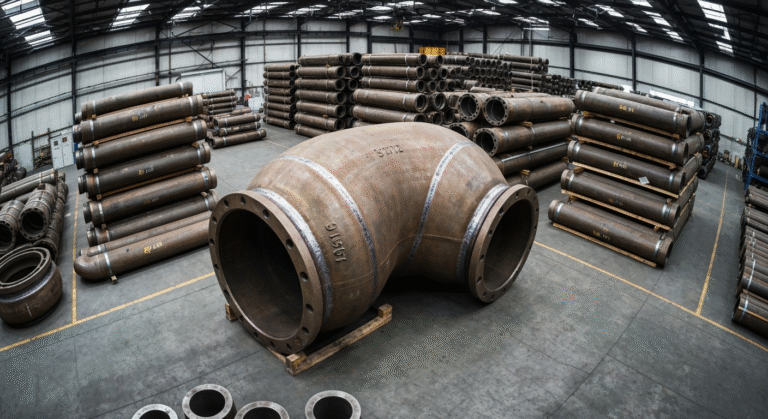
A234 WPB material is used to manufacture numerous types of fittings, each with a specific function in a piping system. Understanding these common types helps you design a system that controls fluid flow effectively. An elbow, for instance, is used to change the direction of the pipeline, typically at 45° or 90° angles.
Tees are used to create a branch from a main pipe. An equal tee has all three openings of the same size, while a reducing tee has a smaller branch opening. Reducers connect pipes of different diameters, with a concentric reducer keeping the centerline aligned and an eccentric reducer offsetting it.
Here are some of the most common A234 WPB fitting types:
Black paint A234 WPB butt weld fittings are available in a vast range of sizes to suit different industrial needs, including those for Singapore piping projects. Nominal pipe sizes typically range from 1/8 inch to 48 inches, making them suitable for everything from small-scale lines to large-diameter pipelines.
In addition to diameter, these fittings come in various pipe schedules. The schedule number indicates the wall thickness of the steel pipe fitting. A higher schedule number means a thicker wall, which allows the fitting to withstand higher internal pressure. Choosing the correct schedule is critical for the safety and integrity of your system.
Commonly available schedules include:
Schedule (Sch) | Descripción |
|---|---|
Sch 40s | Standard wall thickness for many applications. |
Sch 80s | Extra-strong wall for higher pressure needs. |
Sch 160s | Heavy-duty wall for very high-pressure systems. |
Sch XXS | Extra-extra-strong for the most demanding applications. |
A234 WPB fittings are the workhorses of many industrial applications. Their strength and reliability make them an ideal choice for constructing a robust piping system. You will find them widely used in pressure piping for oil and gas pipelines, chemical processing, and power plants.
Their ability to handle moderate to high temperatures and significant pressure makes them suitable for some of the most demanding environments. Now, we will look at their performance in high-pressure settings and how they integrate with other materials in a system.
Yes, black paint A234 WPB butt weld fittings are perfectly suited for high-pressure applications. Their manufacturing process and material properties are specifically designed to withstand the stresses found in demanding industrial environments. This makes them a top choice for systems where safety and durability are paramount.
You will see these fittings used extensively in sectors where high pressure is the norm. For example, in pressure vessel fabrication, the strength of each welded joint is critical to containment. Similarly, in refineries and petrochemical plants, pipelines operate under intense conditions that these fittings are built to handle.
Common high-pressure industrial applications include:
Proper material compatibility is crucial for successful system integration and long-term performance. Black paint A234 WPB fittings are made of carbon steel and are intended to be used with carbon steel pipes, such as those meeting ASTM A106 specifications. This ensures a uniform material throughout the pipeline.
Using A234 WPB fittings with pipes made from different materials, like stainless steel or certain alloy steel grades, is generally not recommended. When dissimilar metals are joined, it can create a risk of galvanic corrosion at the weld joint. This corrosive action can weaken the connection and lead to premature system failure.
To ensure material compatibility, always:
In summary, selecting the right suppliers for Black Paint A234 WPB Butt Weld Fittings is crucial for ensuring quality and durability in your piping systems. By understanding the specifications, benefits, and applications of these fittings, you can make informed decisions that enhance performance and longevity. Remember to consider factors like material composition, maintenance needs, and compatibility with other piping materials to achieve optimal results. Whether you’re involved in high-pressure environments or industrial applications, investing in reliable fittings will pay off in the long run. If you have further questions or need guidance, feel free to reach out for assistance!
No, A234 WPB butt weld fittings are made of carbon steel and should only be used with carbon steel pipes. Mixing them with stainless steel can cause galvanic corrosion at the weld, compromising the integrity of the pipe fittings and threatening system integration. Always match materials for a durable, safe connection.
Choosing the right schedule depends on your system’s operating pressure and temperature. Pipe schedules correspond to the wall thickness of the steel pipe. For high-pressure piping, you need a higher schedule number (e.g., Sch 80 or Sch 160) for a thicker wall. Always consult your project’s engineering specifications for the correct requirement.
Inspection involves a visual check for any damage to the black paint surface treatment, such as chips or deep scratches that expose the metal. Before performing a steel butt weld, ensure the beveled ends are clean and free of defects. Regular maintenance checks after installation can help identify any developing corrosion.
Carbon Steel A234 WPB Buttweld Fittings are essential components used in piping systems, designed to connect pipes and change their direction or diameter. Made from carbon steel, these fittings offer durability and strength, making them ideal for high-pressure applications in various industries such as oil and gas, and construction.