Suministro de accesorios de tubería de alta calidad
Mejor socio de los mayoristas de accesorios de tubería, accesorios de tubería en stock, correo electrónico sales@hfittings.com para más detalles


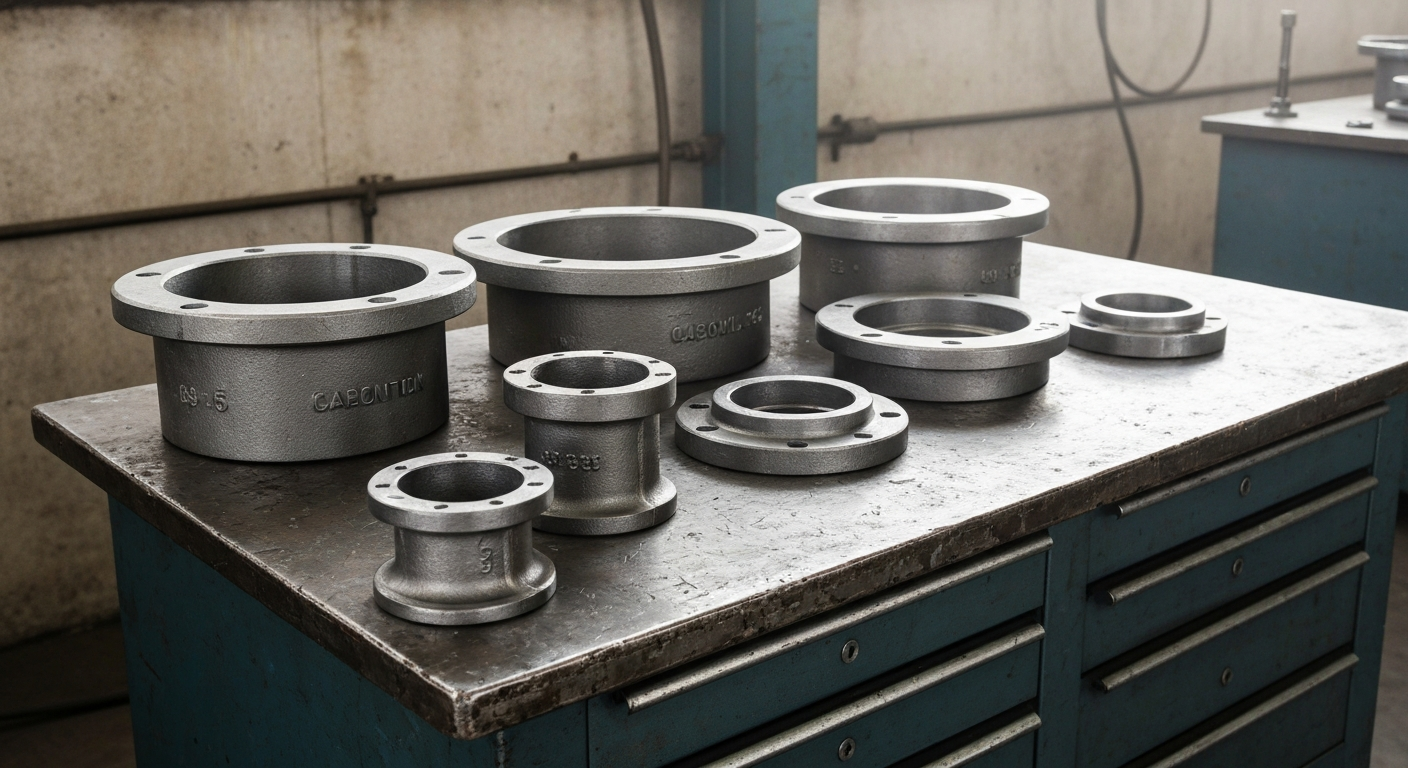
Here are the main takeaways about carbon steel pipe reducers:
A pipe reducer is a crucial fitting used to connect pipes of different diameters within a piping system.
Carbon steel is a popular material for reducers due to its strength, durability, and cost-effectiveness.
If you’re looking to buy quality carbon steel pipe reducers online, reputable industrial suppliers such as Grainger, Ferguson, and SupplyHouse offer a wide selection. Recommended brands that are well-known for their durability and reliable performance include Anvil, Smith-Cooper, and Ward. Always ensure the reducer matches your required diameter and specification before purchasing.
You can buy quality carbon steel pipe reducers online from reputable industrial suppliers such as Grainger, Ferguson, and Alibaba. Recommended brands for carbon steel reducers include Victaulic, Smith-Cooper, and Anvil, known for their durability and consistent diameter and reducer quality.
When you’re building or maintaining a piping system, connecting pipes of different sizes is a common challenge. This is where carbon steel pipe reducers come into play. These essential components are designed specifically to create a smooth transition from a larger pipe to a smaller one, ensuring efficient fluid or gas flow. Understanding the different types of reducers and their specific applications is key to creating a reliable and effective piping network, whether for industrial or commercial use.
A pipe reducer is a type of fitting designed to change the diameter of a pipe run. Made from durable carbon steel, these fittings are strong enough to handle high pressure and temperature, making them a staple in many demanding industries. The primary function of a reducer is to join two pipes of different diameters, effectively reducing the line size.
There are two main types of carbon steel reducers: concentric and eccentric. While both connect pipes of different diameters, their shapes and applications differ significantly. The choice between them depends on the orientation of the pipe and the specific requirements of your system.
Carbon steel pipe reducers are versatile fittings found in nearly every industrial piping system. Their strength and ability to manage pressure changes make them invaluable across a wide range of sectors. You will commonly find these welded reducer components in environments where reliability is non-negotiable.
From oil and gas pipelines to chemical processing plants, these reducers ensure a seamless flow between different sections of a system. They play a critical role in maintaining pressure and preventing bottlenecks that could disrupt operations.
Some of the most common applications include:
When you purchase a carbon steel pipe reducer, it’s vital to ensure it meets established material standards. Certifications from organizations like ASME, ASTM, ANSI, and ISO guarantee that the fitting has been manufactured and tested for quality and safety. These standards dictate material composition, dimensions, and pressure ratings.
Grades such as ASTM A234 WPB are common for standard temperature applications, while A860 WPHY grades are used for high-yield services. Adhering to these specifications ensures the reducer can withstand the intended service conditions without failure.
Here are some key specifications to look for:
Especificación | Detalles |
|---|---|
Normas | ASTM A234/ASME SA234, ANSI/ASME B16.9, MSS SP-43 |
Grades | WPB, WPC, WPHY 42, WPHY 52, WPHY 60, WPHY 70 |
Horarios | SCH 20, STD, SCH 40, SCH 80, SCH 160, XS, XXS |
Size Range | 1/2″ to 80″ (DN15 to DN2000) |
Tipos | Seamless or Welded |
As we’ve mentioned, there are two primary types of reducer fittings used to connect pipes of different sizes. While these metal reducers can be made from a variety of materials like stainless steel or PVC, carbon steel reducers are among the most common due to their durability and affordability.
The fundamental difference between the two types lies in their shape and how they align the connecting pipes. Understanding these variations will help you select the right component for your specific piping layout and application. Let’s look closer at concentric and eccentric reducers.
A concentric reducer is shaped like a cone, with both the larger and smaller outlets sharing a common centerline. This symmetrical design allows the diameter to decrease evenly around the entire pipe fitting. The inlet and outlet are positioned so the center of the larger pipe aligns directly with the center of the smaller side.
This design is highly effective at reducing the pipe size while maintaining a smooth flow, which helps minimize turbulence and pressure loss. Because of their shape, concentric reducers are most often used in vertical pipelines. The connection is typically made with a butt weld, creating a strong and permanent seal between the reducer and the pipes.
Key features and uses include:
Unlike their concentric counterparts, eccentric reducers have an off-center design where one side is flat. The outlet is offset from the center of the larger section, allowing the bottom of the pipe to remain level. This flat side is crucial in preventing the accumulation of air in liquid lines or fluid in gas lines.
This feature makes eccentric reducers the go-to choice for horizontal pipelines, especially at pump suctions, to ensure a consistent flow and avoid cavitation. In systems where drainage is important, the flat side is usually installed at the bottom level to allow complete fluid removal. These fittings are essential for maintaining efficiency in high-pressure applications.
Key features and uses include:
Choosing the correct pipe reducer involves more than just picking between concentric and eccentric. You must select the exact size to match the pipes you are connecting. Reducers are available in standard dimensions, and matching the pipe size and schedule (wall thickness) is critical for a secure fit and proper function.
Once you have the right part, installation is the next step. The type of pipe and the system’s pressure requirements will influence how the reducer is installed, though the process typically involves welding. Proper selection and installation are key to the longevity and safety of your piping system.
Carbon steel reducers are manufactured according to strict standard dimensions, most commonly specified by ASME/ANSI B16.9. Sizes are given in NPS (Nominal Pipe Size), ranging from 1/2″ up to 80″ or more. The wall thickness is defined by a schedule number, such as SCH 40 or SCH 80, which indicates the pressure rating of the fitting.
It’s crucial that the schedule of the reducer matches the schedule of the connecting pipes to ensure a uniform internal diameter and structural integrity. Furthermore, reputable manufacturers provide certifications that confirm the carbon steel material meets standards like ASTM A234 WPB, guaranteeing its chemical composition and mechanical properties.
Here are some common dimensions and weights for a buttweld reducer:
Nominal Size (in) | Length H (mm) | Weight STD (kg) | Weight XS (kg) |
|---|---|---|---|
1” x 3/4” | 50.8 | 0.14 | 0.18 |
2” x 1” | 76.2 | 0.41 | 0.54 |
4” x 3” | 101.6 | 1.59 | 2.08 |
6” x 4” | 140.0 | 3.7 | 5.2 |
8” x 6” | 152.4 | 5.9 | 8.6 |
Selecting the right pipe reducer is essential for the longevity and efficiency of your piping system. The primary choice is between concentric for vertical lines and eccentric for horizontal lines. This decision helps prevent operational issues and reduces long-term maintenance costs. The material grade should also match the system’s requirements for temperature and pressure.
Pipe reducers are exclusively designed for butt weld connections. Unlike other fittings that might allow for socket weld or threaded ends, a welded reducer ensures a strong, leak-proof joint capable of withstanding high stress. The ends of the reducer are beveled to create a small gap for a robust weld.
To ensure durability, consider the following:
In conclusion, understanding the differences between concentric and eccentric carbon steel pipe reducers is crucial for making informed decisions in industrial piping applications. Each type has distinct features and benefits that cater to specific needs, ensuring optimal flow and system efficiency. By considering the guidelines for sizing, selection, and installation, you can enhance the performance of your piping systems and avoid common pitfalls. Whether you’re a seasoned professional or new to this field, taking the time to choose the right reducer can make a significant impact on your projects. If you’re looking for expert advice or have any questions, feel free to reach out for a consultation!
A reducer is a fitting used in piping systems to connect two pipes of different diameters. In carbon steel pipe applications, reducers help manage flow and pressure by gradually changing the pipe size, ensuring efficient fluid movement while minimizing turbulence and potential damage to the system.
A reducer is a fitting used in piping systems, particularly in HVAC and plumbing, to connect pipes of different diameters. In carbon steel pipe reducers, there are two types: concentric and eccentric, which help manage flow and pressure by allowing seamless transitions between varying pipe sizes.