Hochwertige Rohrverbindungsprodukte anbieten
Bester Partner von Rohrverschraubungen Großhändler, Rohrverschraubungen auf Lager, E-Mail sales@hfittings.com für Details

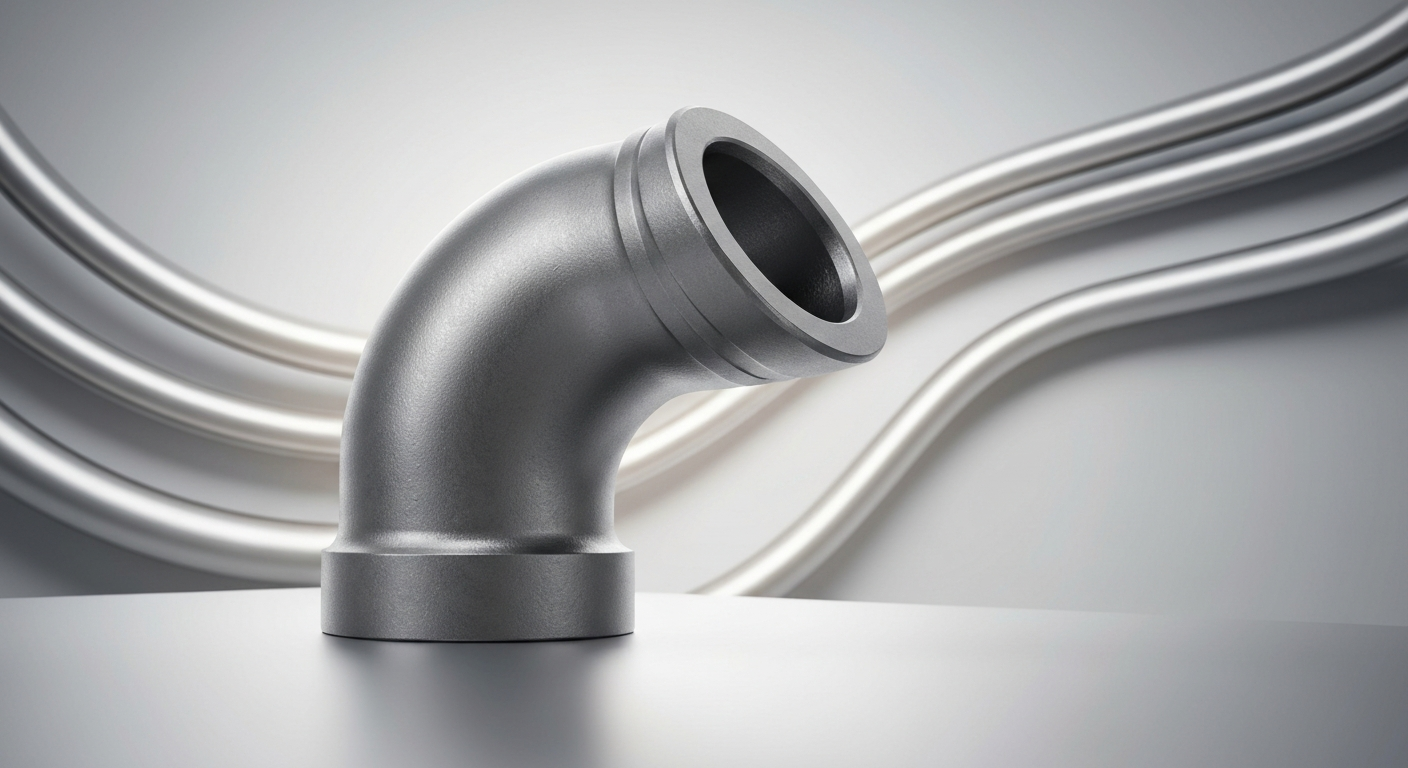
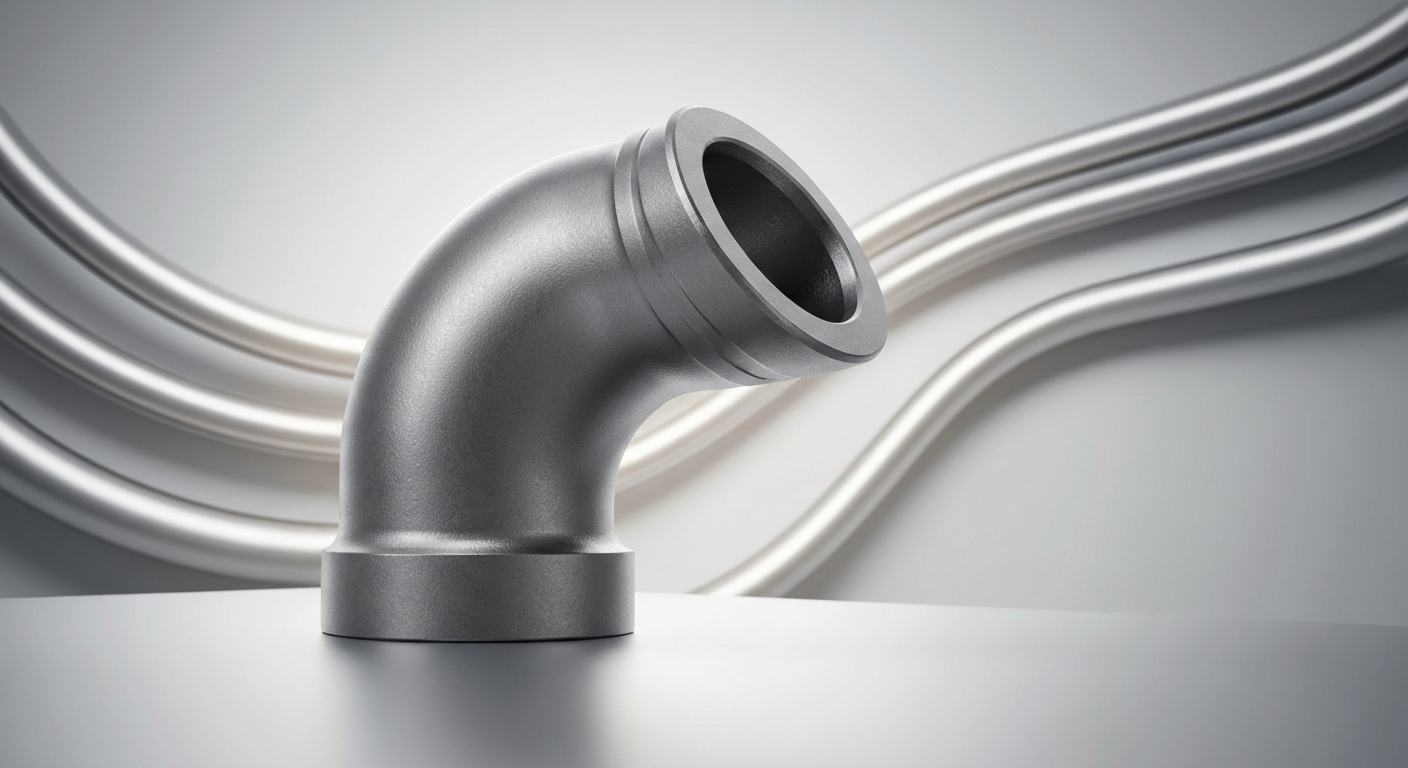
Here’s a quick look at what makes carbon steel seamless elbow fittings essential for your projects:
When it comes to changing the direction of flow in a piping system, you need components you can trust. A carbon steel seamless elbow is one of the most critical pipe fittings used today. Made from durable carbon steel without any welded seams, these elbows are designed for strength and reliability. They are the go-to choice for industries that depend on robust seamless steel pipes to handle high pressure and demanding conditions. Let’s explore the quality standards that make these fittings a top choice for so many applications.
To guarantee safety and performance, carbon steel pipe fittings must adhere to strict manufacturing standards. These codes ensure that every elbow you use has the right dimensions, material strength, and quality for its intended purpose. Globally recognized standards from organizations like API, ASTM, and ANSI are the benchmark for quality.
Following these standards means you get a product that is interchangeable, reliable, and safe for your piping system. Understanding these specifications helps you select the correct fittings for your project. Next, we will look at some of the most common codes that govern these products.
Have you ever wondered what the codes stamped on your fittings mean? Standards like ANSI B16.9 and ASTM A234 are your assurance of quality. ANSI B16.9 specifies the overall dimensions, tolerances, and markings for factory-made buttweld fittings, ensuring they fit perfectly into your system. This standard makes sure a 4-inch elbow from one manufacturer will match a 4-inch pipe from another.
On the other hand, ASTM A234 covers the material requirements. What does ASTM A234 indicate for a carbon steel seamless elbow? It defines the material specifications for carbon steel and alloy steel fittings intended for moderate to high-temperature service. The most common grade, WPB, signifies that the fitting possesses excellent mechanical properties and weldability, making it suitable for demanding industrial applications.
Here is a quick breakdown of these key standards:
Standard | What It Governs |
|---|---|
ANSI B16.9 | Specifies dimensions, tolerances, and markings for buttweld fittings. |
ASTM A234 | Defines the material specifications for carbon steel and alloy steel fittings. |
API | Sets standards for fittings used in the oil and gas industry. |
The performance of a carbon steel pipe fitting is directly linked to its material grade and chemical composition. Different grades are designed for specific environments, such as high-temperature or low-temperature service. For example, ASTM A234 WPB is the most common grade used for medium and high-temperature applications due to its strength and durability. In contrast, A420 WPL6 is designed for low-temperature conditions.
The chemical composition is what gives each grade its unique properties. It dictates the steel’s strength, hardness, and resistance to corrosion. While carbon steel is more affordable than stainless steel, its properties are carefully controlled by managing the levels of elements like carbon, manganese, silicon, sulfur, and phosphorus.
This precise control ensures that the fittings meet the strict requirements for their intended service. By choosing the right grade, you ensure your piping system has the integrity to handle its specific operational demands safely and effectively.
Carbon steel seamless elbows are not a one-size-fits-all product. They come in various types and configurations to meet the diverse needs of different piping systems. The main variations are based on the angle of the bend and the radius of the curve. These options provide flexibility in designing a pipeline that navigates obstacles and maintains efficient flow.
Whether you need a sharp turn in a tight space or a gentle curve to minimize pressure drop, there is a carbon steel elbow designed for the job. From standard 90-degree elbows to specialty bends, understanding the differences is key to selecting the right fittings. We’ll examine the angle classifications and the distinction between long radius (LR) and short radius (SR) elbows.
The angle of an elbow determines how sharply a pipeline changes direction. What do the terms 90 degree and 45 degree mean for carbon steel seamless elbows? It’s simple: they refer to the angle of the turn the fitting creates. A 90-degree elbow makes a sharp, right-angle turn, while a 45-degree elbow provides a gentler change in direction.
The most common angles for a carbon steel elbow are designed for standard piping layouts, but specialty bends are also available for unique project requirements. Each type serves a specific purpose in controlling the flow and layout of a pipeline. Choosing the correct angle is essential for optimizing system performance and minimizing flow resistance.
Here are the most common angle classifications:
Selecting between long radius (LR) and short radius (SR) carbon steel seamless elbows can significantly impact pipeline design. LR fittings provide smoother flow, reducing turbulence, making them ideal for applications where fluid motion is critical, such as in refineries. Conversely, SR fittings are favored in tight spaces where directional changes occur more frequently, sacrificing some flow efficiency for compactness. Weighing mechanical properties and coating choices based on the project’s needs enhances durability and corrosion resistance, ensuring optimal performance in various industries.
The superior performance of a carbon steel seamless elbow starts with its manufacturing process. Unlike welded elbows, these fittings are made from a solid piece of seamless steel pipe, eliminating the weak point of a weld seam. This process involves shaping the pipe into an elbow form under intense heat and pressure, followed by treatments to ensure its strength.
Quality assurance is a critical part of this process. Every fitting undergoes rigorous inspection and testing to confirm it meets the required standards for dimensional accuracy, material integrity, and surface quality. This focus on quality ensures each elbow is ready for high-pressure and critical applications. Let’s look at the key production and testing steps.
How are carbon steel seamless elbows manufactured? The process is a multi-step journey that transforms a straight piece of seamless pipe into a durable fitting. It begins with cutting a pipe to the precise length needed for the elbow. This piece is then heated to a high temperature, making it malleable enough to be shaped.
The next major step is hot forming. During this phase, the heated pipe is pushed or drawn over a die, which forces it into the desired elbow shape and angle. After forming, the elbow undergoes heat treatment. This controlled heating and cooling process refines the grain structure of the steel, enhancing its mechanical properties like strength and durability to meet grade specifications.
Finally, every seamless elbow goes through a thorough inspection. This ensures that the dimensions are correct, the wall thickness is uniform, and there are no surface defects. Only after passing these checks is the fitting ready for use.
To guarantee that each seamless elbow is free of defects, manufacturers employ a series of non-destructive testing methods. These tests verify the fitting’s ability to withstand pressure and ensure it has no hidden flaws. Advanced detection equipment is used to perform these crucial quality checks before a product is approved for shipment.
Ultrasonic testing uses high-frequency sound waves to detect internal imperfections, such as cracks or voids, that are not visible to the naked eye. Hydrostatic testing is another vital check, where the elbow is filled with water and pressurized to a level far beyond its normal operating pressure to confirm it is leak-proof and structurally sound.
Surface integrity checks are also performed to identify any external flaws. This includes visual inspection and processes like blasting to clean the surface of any dirt. After inspection, a primer or coating can be applied to protect the elbow from rust during shipment and in its final application, ensuring long-term reliability.
Carbon steel seamless elbows are a vital component in industries where failure is not an option. Their robust construction makes them ideal for high-pressure and high-temperature environments found in refineries, power generation plants, and chemical processing facilities. The absence of a weld seam is the main reason for their superior performance.
This inherent strength and durability ensure the long-term integrity of a pipeline, reducing the risk of leaks and costly downtime. When you need a fitting that can handle extreme mechanical stress and maintain reliable performance, seamless elbows are the clear choice. Let’s explore these benefits in more detail.
What are the key benefits of using seamless elbows made from carbon steel? The primary advantages are exceptional strength and durability. Because they are manufactured from a single piece of steel, seamless elbows have a uniform structure and consistent wall thickness. This structural integrity allows them to withstand higher pressures, greater mechanical stress, and more extreme temperatures than their welded counterparts.
This enhanced strength is crucial in demanding piping systems where pressure fluctuations and vibrations are common. The solid construction minimizes the risk of failure at the bend, which is often a high-stress point in a pipeline. This makes them an incredibly reliable choice for critical applications.
Ultimately, the excellent mechanical properties of seamless elbows ensure a longer service life for your entire piping infrastructure. By choosing these durable fittings, you are investing in the safety and efficiency of your operations, preventing potential leaks and ensuring your system runs smoothly for years to come.
How does a carbon steel seamless elbow differ from a welded elbow? The key difference lies in the manufacturing process and its impact on reliability. A seamless elbow is forged from a solid billet of steel, while a welded elbow is made by joining pieces of plate steel with a weld seam. This seam can be a potential weak point, susceptible to corrosion and failure under stress.
The uniform structure of a seamless elbow provides greater reliability because it eliminates the risk associated with weld seams. In harsh environments, the heat-affected zone of a weld can be more prone to targeted corrosion, which can compromise the integrity of the fitting over time. A seamless design avoids this vulnerability entirely.
Furthermore, carbon steel seamless elbows can be treated with coatings, such as galvanizing or specialized paints, to enhance their resistance to rust and corrosion. This added protection, combined with their inherent structural strength, makes the seamless elbow a far more dependable option for long-term service in critical systems.
Choosing the correct carbon steel seamless elbow is just as important as selecting the right pipe. Proper sizing and scheduling are essential for ensuring a secure, leak-free connection that can handle the system’s operating pressure. You need to match the elbow to the carbon steel pipe and other fittings in your system, including valves, to ensure compatibility.
Your specific application will dictate the right choice. Factors like the fluid being transported, the operating temperature, and the pressure requirements all play an important role in your decision. Taking the time to consider these factors will ensure a successful project from installation to final shipment. Here’s how to make the right choice.
How do you choose the right size and schedule for a carbon steel seamless elbow? The right size, or Nominal Pipe Size (NPS), must match the diameter of the connecting pipes. This ensures a smooth interior surface and consistent flow. Using an incorrectly sized elbow can create turbulence and impede the efficiency of your entire system.
The schedule number is equally important, as it indicates the wall thickness of the fitting. A higher schedule number means a thicker wall, which allows the elbow to withstand higher internal pressures. The schedule of your elbow must match the schedule of your pipe to ensure a proper and safe weld.
Choosing the correct wall thickness plays an important role in the safety and longevity of your pipeline. Always consult your project specifications to determine the required schedule number based on the system’s design pressure and temperature.
What are the common applications for carbon steel seamless elbows in industry? Due to their strength and reliability, these fittings are essential in many demanding sectors. In the oil & gas industry, they are used extensively in upstream drilling operations, midstream transportation pipelines, and downstream refineries to manage the flow of crude oil and natural gas under high pressure.
Power plants also rely heavily on carbon steel seamless elbows. They are critical components in piping systems that transport high-temperature steam and water in both nuclear and thermal power generation facilities. Their ability to handle extreme conditions ensures the safe and efficient operation of these vital infrastructure assets.
Beyond these sectors, you will find seamless elbows in chemical plants, water treatment facilities, and large-scale construction projects. Anywhere a pipeline needs to change direction safely and reliably, especially under pressure, a carbon steel seamless elbow is often the best solution. Their versatility makes them a cornerstone of modern industrial infrastructure.
In summary, understanding the quality standards for carbon steel seamless elbow fittings is crucial for ensuring optimal performance in various applications. These fittings not only meet stringent international standards but also offer significant benefits such as enhanced strength, durability, and resistance to corrosion. By choosing the right specifications, types, and manufacturing processes, you can ensure that your piping systems operate efficiently, especially in high-pressure environments. Whether you’re involved in oil and gas, power plants, or infrastructure projects, selecting the appropriate carbon steel seamless elbows will impact the overall efficacy of your installations. If you have any questions or need assistance with your project, don’t hesitate to reach out for expert guidance!
A carbon steel seamless elbow is made from a single piece of steel, giving it uniform strength and high corrosion resistance. Welded elbows are constructed from steel plates joined by a weld seam, which can be a potential weak point for leaks or corrosion, making seamless fittings more reliable for critical applications.
Seamless elbows are preferred for high-pressure systems due to their superior strength and durability. The lack of a weld seam eliminates a common failure point, allowing the carbon steel fitting to withstand extreme internal pressure and mechanical stress, which is essential for maintaining the integrity of a critical pipeline.
The schedule number (e.g., Sch 40, Sch 80) on carbon steel fittings indicates the wall thickness, as defined by ANSI standards. A higher schedule number means a thicker wall, which enables the fitting to handle greater internal pressure. It is crucial to match the elbow’s schedule to the carbon steel pipe.