Hochwertige Rohrverbindungsprodukte anbieten
Bester Partner von Rohrverschraubungen Großhändler, Rohrverschraubungen auf Lager, E-Mail sales@hfittings.com für Details

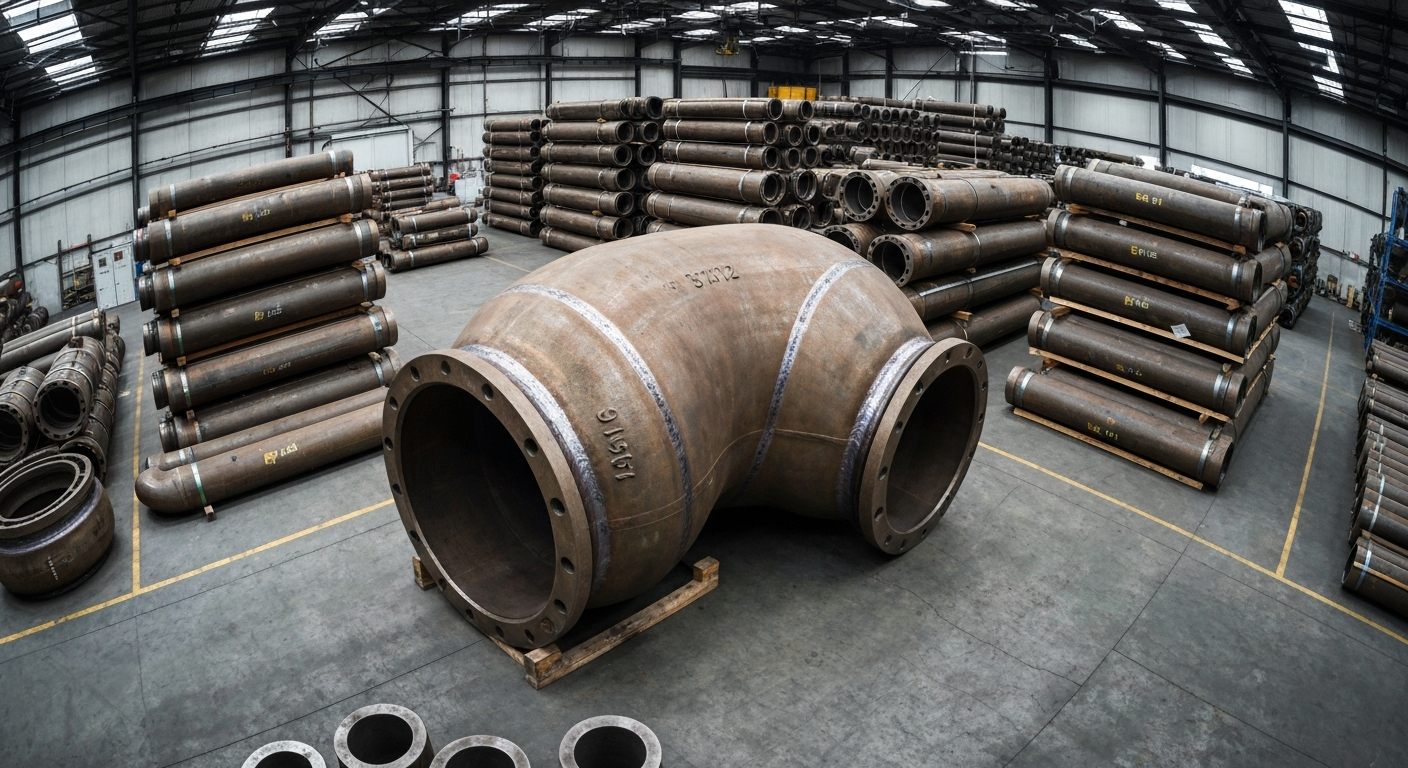
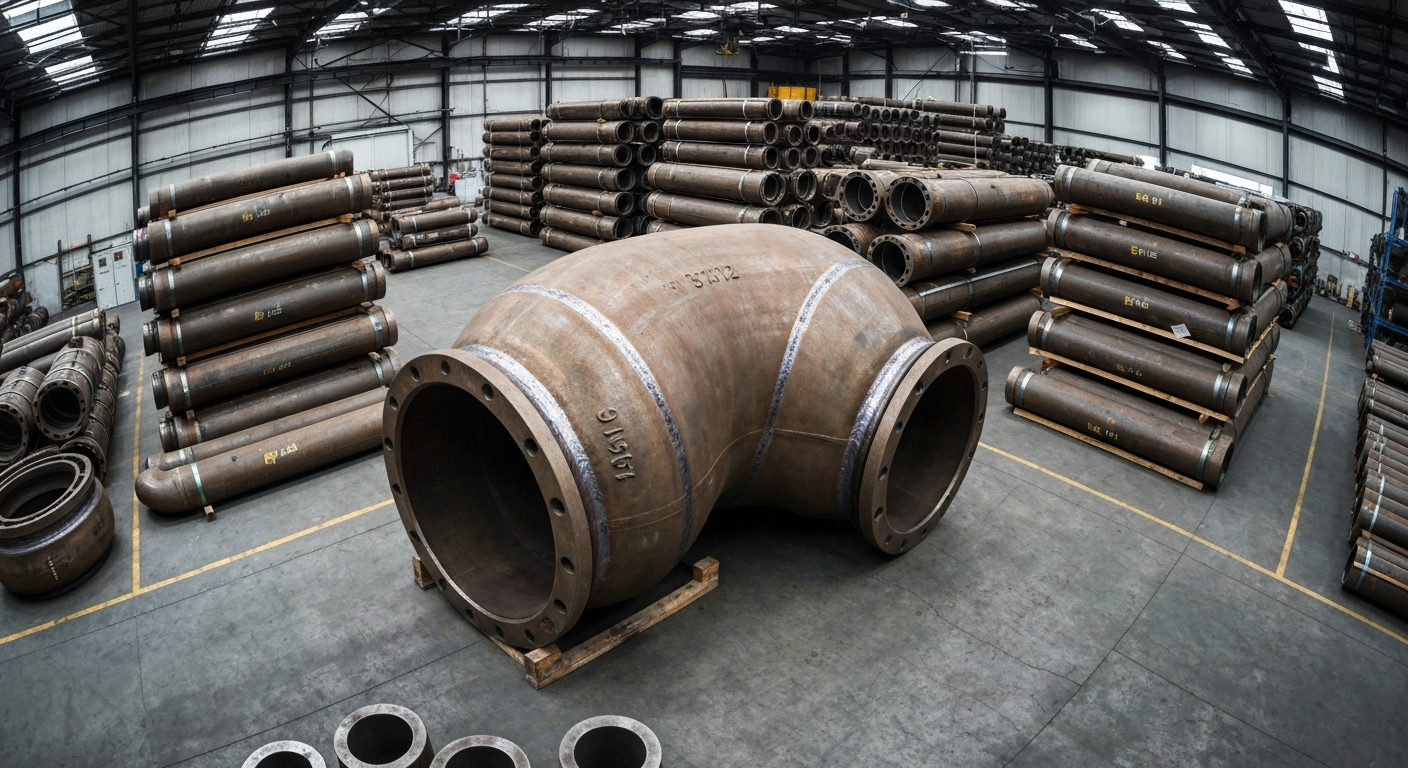
To install a 10 inch butt weld elbow, first ensure the pipe ends are clean and properly aligned with the elbow. Match the long radius or short radius butt weld elbow to your piping system requirements, then weld the pipe ends to the elbow using an appropriate welding process to create a secure, leak-proof joint. Always follow industry standards and safety protocols during installation.
Are you working on a large-scale piping project? Finding the right components is crucial for success. A 10-inch butt weld elbow is a fundamental pipe fitting used to change the direction of your pipeline. The term “butt weld” refers to the welding process where the beveled ends of the fitting and the pipe are joined together. This creates a strong, leak-proof, and continuous system. Understanding these essential parts helps you build a reliable and efficient pipeline from the ground up.
To install a 10 inch butt weld elbow, align the beveled ends of the elbow with your pipe, ensure proper fit-up for welding, and secure the pieces together using approved welding techniques for your project. This process guarantees a robust and seamless joint within your piping system.
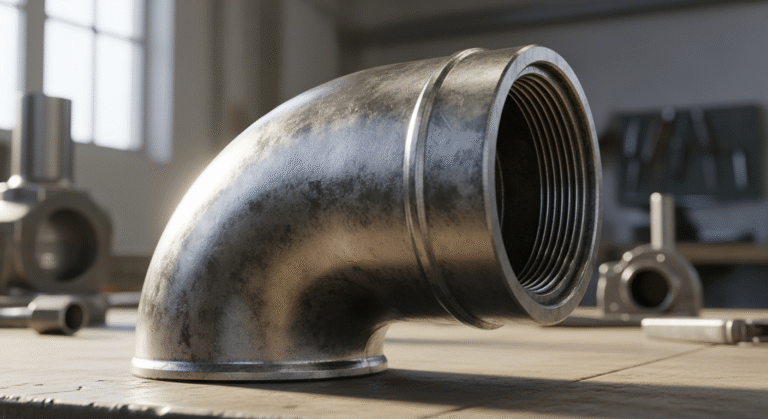
A 10-inch butt weld elbow is a specific type of pipe fitting designed to alter the direction of flow within a piping system. Its 10-inch diameter makes it suitable for large-scale applications where significant volumes of fluid or gas are transported. This pipe elbow is permanently joined to a steel pipe through a welding process, ensuring a robust and durable connection.
The primary use of this degree elbow is to navigate obstacles and create turns in the pipeline. The installation process involves carefully aligning the elbow and pipe ends before welding to guarantee the integrity of the piping system. You can explore its various uses and advantages in different settings. If you are looking to buy a 10 inch butt weld elbow online, many industrial supply websites and specialty plumbing retailers offer a wide range of options. Be sure to check product specifications and compatibility with your project before making a purchase.
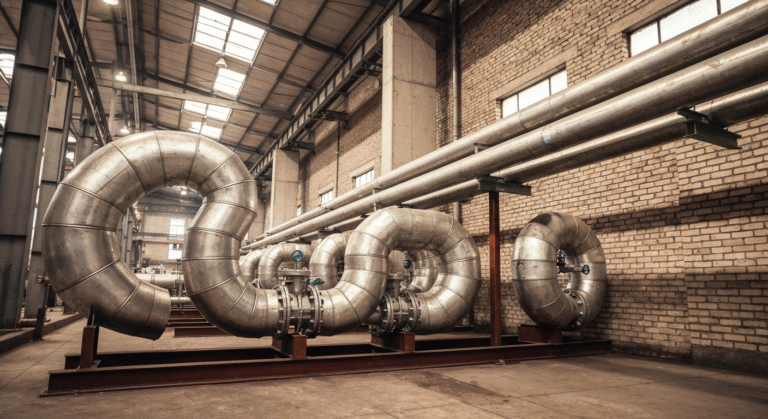
In large-scale industrial piping systems, 10-inch butt weld pipe fittings are indispensable. They are commonly found in demanding environments like chemical processing plants, where they safely transport various substances by allowing the pipeline to change direction without compromising its strength.
To measure a 10 inch butt weld elbow for your piping project, start by determining the nominal pipe size (NPS), which should match the 10 inch specification. Next, measure the elbow’s outside diameter (OD) to confirm it aligns with your piping, and check the center-to-end distance according to the elbow’s radius (short or long). Ensure that all measurements meet the project specifications for a proper fit and secure installation.
These steel pipe fittings are also essential in power generation facilities. Here, they handle high-pressure steam and water, directing the flow through complex networks of pipes. Their robust construction ensures they can withstand the rigorous conditions of generating electricity.
To measure a 10 inch butt weld elbow for your piping project, you should determine its nominal pipe size (NPS), which in this case is 10 inches. Measure the outside diameter of the elbow, the center-to-end distance (from the centerline of one end to the outer edge of the elbow), and check the wall thickness to ensure compatibility with your piping system. Always verify these dimensions against applicable standards before installation.
Additionally, you’ll see these elbows in water treatment plants and large commercial plumbing systems. In these applications, they manage the flow of water and other fluids through extensive pipeline systems, proving their versatility across a wide range of industries.
Choosing a butt weld elbow for your project offers several distinct advantages. The welding process creates a continuous metal structure, making the connection as strong as the pipe itself. This results in a highly reliable, leak-proof system that can handle significant stress.
Compared to other connection types, butt weld fittings often lead to lower long-term costs. While the initial installation may require skilled labor, the strong connection minimizes maintenance needs and potential downtime. Key benefits include:
Different angles, like 45 and 90 degrees, allow you to tailor the pipeline layout to specific application requirements. This flexibility helps optimize the direction of flow and efficiently navigate your facility’s infrastructure.
When selecting a 10-inch butt weld elbow, you’ll encounter a few key variations that affect your piping system’s performance. The primary types of these buttweld fittings are categorized by their radius and angle, which are crucial for managing flow and space.
The most common options are the long radius (LR) and short radius (SR) elbows, each offering different flow characteristics. Additionally, you can choose from different angles, such as the 45-degree elbow and the 90-degree elbow, to achieve the desired change in direction for your steel pipe.
The main distinction between a long radius (LR) and short radius (SR) buttweld elbow is the length of the turn. A long radius elbow provides a more gradual turn, which is gentler on the fluid moving through the pipe. This results in less turbulence and a lower pressure drop, making it ideal for systems where flow characteristics are critical.
Conversely, a short radius elbow offers a much tighter turn. This is useful in applications where space is limited and a sharp change in direction is necessary. However, this compact design can create more resistance and a higher pressure drop compared to its LR counterpart.
Choosing the right pipe fitting depends on your system’s specific needs. If maintaining flow efficiency is your priority, the LR elbow is the better choice. If you are constrained by space, the SR elbow is the practical solution.
Merkmal | Langradius-Winkel (LR) | Kurzwinkel-Ellbogen (SR) |
|---|---|---|
Radius | 1,5-facher Rohrdurchmesser | Entspricht dem Rohrdurchmesser |
Fluss | Smoother, less turbulence | Sharper turn, more turbulence |
Pressure Drop | Unter | Höher |
Weltraum | Benötigt mehr Platz | Ideal for tight spaces |
The angle of a degree elbow determines how sharply the direction of flow changes. The two most common options for steel butt weld fittings are 45-degree and 90-degree elbows, each suited for different purposes in industrial piping systems.
A 90-degree elbow creates a sharp, right-angle turn. This is the standard choice for making perpendicular changes in a pipeline’s path. A 45-degree elbow, on the other hand, provides a more gradual change in direction. It is often used when a slight directional adjustment is needed or when two are used together to create an offset.
Your choice depends entirely on your layout needs.
Selecting the right material for your 10-inch butt weld pipe fitting is just as important as choosing the right size and type. The most common materials are carbon steel, stainless steel, and alloy steel. Each offers unique properties suited for different operating conditions.
Your decision should be based on your specific application requirements. Factors to consider include the fluid being transported, operating pressures, the need for corrosion resistance, and exposure to high temperatures. Understanding these materials will help you select the best elbow for your project.
When you look for a 10-inch pipe fitting, you will find several material options. A carbon steel butt weld elbow, typically made from ASTM A234 WPB, is the most common and cost-effective choice for general-purpose applications where conditions are not overly corrosive.
For applications requiring excellent corrosion resistance, a stainless steel butt weld elbow is the ideal solution. Materials like ASTM A403 WP304 and WP316 are popular for use in chemical plants and food processing industries. Yes, stainless steel options are widely available for 10-inch butt weld elbows.
Alloy steel elbows are designed for the most demanding environments. These materials can withstand high pressures, extreme temperatures, and thermal cycling, making them perfect for power generation and petroleum refineries.
Choosing the correct schedule is critical for ensuring the safety and integrity of your pipeline. The “schedule” of an elbow refers to its wall thickness. A higher schedule number means a thicker wall, which allows the fitting to withstand higher internal pressure.
To choose the right schedule for a 10-inch butt weld elbow, you must match it to the schedule of the pipe you are connecting it to. This consistency is essential because it ensures a smooth internal surface at the joint, which minimizes turbulence and pressure drop. Mismatched schedules can compromise the strength of the piping system.
Consider these points when selecting a schedule:
When purchasing butt weld elbows, you must ensure they meet specific industry standards. These certified standards guarantee the fitting’s dimensions, material composition, and performance, which is vital for quality assurance and the safety of your entire system.
Compliance with these standards ensures that the elbow you buy will be compatible with your pipes and suitable for your intended installation process. Adhering to local compliance regulations is also necessary to pass inspections and operate your system legally and safely. Let’s look at some key certifications to look for.
To ensure quality and compatibility, a 10-inch butt weld elbow should meet several key industry standards. These certifications dictate everything from material properties to dimensional tolerances, ensuring that every fitting is reliable and safe for use.
The most important standard for the dimensions of butt weld fittings is ASME B16.9. This ensures that the elbow’s size and shape are standardized for easy integration into your piping system. For materials, look for ASTM A234 for carbon and alloy steel elbows and ASTM A403 for stainless steel options.
Following these certified standards is crucial for local compliance and a smooth installation process.
In conclusion, purchasing the right 10-inch butt weld elbow pipe fittings is essential for ensuring the efficiency and longevity of your piping systems. Understanding the various types available, their materials, and the standards they comply with helps you make an informed choice tailored to your specific needs. Not only do these fittings come in different angles and radii, but selecting the appropriate specifications can significantly impact your project’s overall success. Always prioritize quality and compliance to avoid future complications. If you’re ready to enhance your piping projects, don’t hesitate to reach out for a consultation on your fitting needs!
A socket weld elbow is designed for pipe fittings and typically has a 90-degree or 45-degree angle. Specifications include material type, wall thickness, and size compatibility with pipeline systems. These elbows ensure secure connections and maintain flow efficiency in various industrial applications, making them essential for robust piping systems.
A socket weld elbow is designed for joining pipes at an angle, typically 90 or 45 degrees. It features a female socket on one end for pipe insertion and is made from various materials like stainless steel or carbon steel. Specifications include size, pressure rating, and material type.