Provide High Quality Pipe Fitting Products
Best partner of pipe fitting wholesalers, pipe fittings in stock, email sales@hfittings.com for details


Key Highlights Carbon steel butt weld reducers are essential pipe fittings used to connect pipes of different diameters. The butt weld connection method ensures high…

Key Highlights Stainless steel 304 pipe tee fittings are crucial components for managing flow in a piping system. These tee fittings are designed to either…
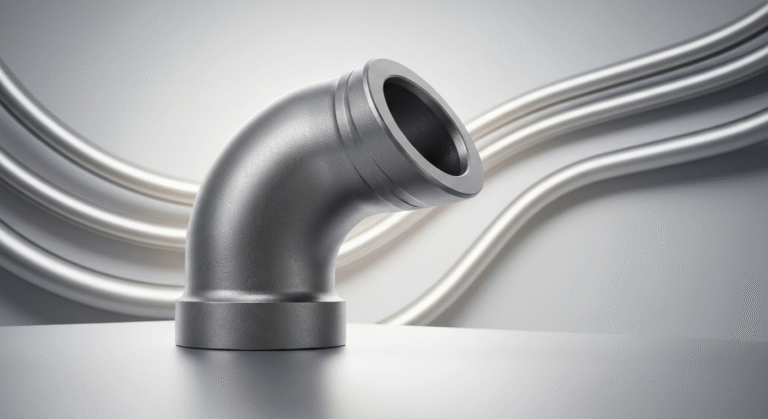
Key Highlights Here’s a quick look at what makes carbon steel seamless elbow fittings essential for your projects: They are manufactured without a weld seam,…
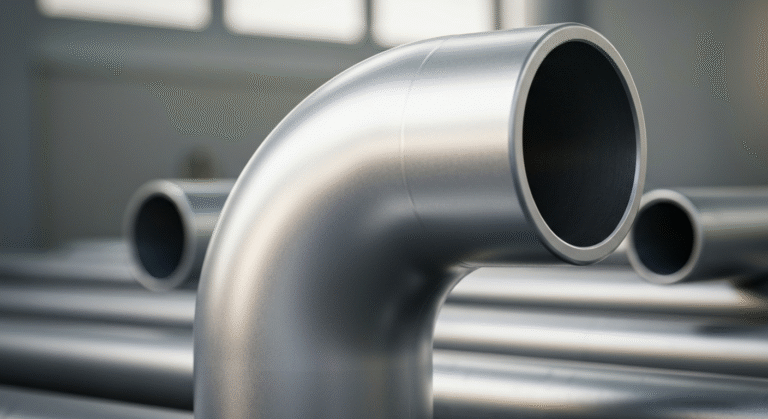
Key Highlights An 8-inch seamless 90-degree elbow is a key pipe fitting used to change the direction of flow in a pipeline. Its seamless design…
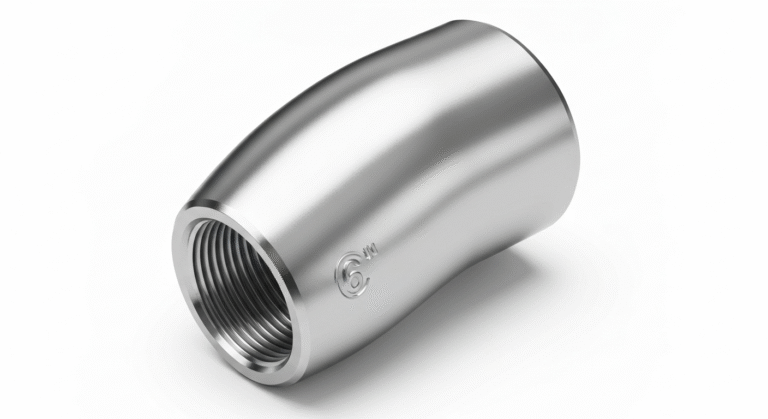
Key Highlights A 6-inch 90-degree elbow is a fundamental pipe fitting used to change the flow direction in a piping system. This steel elbow is…
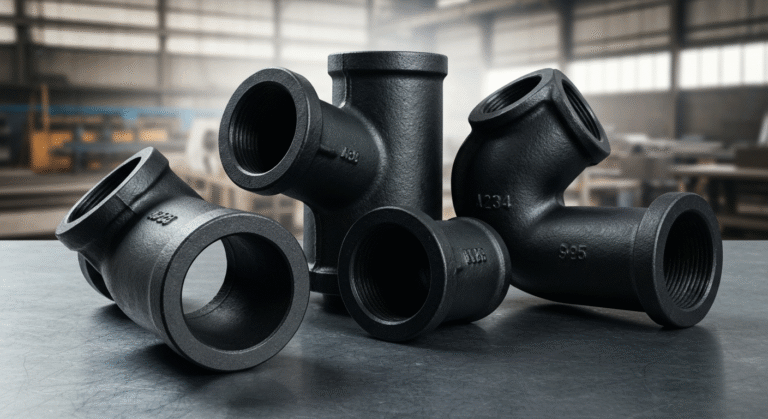
Key Highlights ASTM A234 WPB is the standard specification for wrought carbon steel butt weld pipe fittings designed for moderate to high-temperature service. These fittings…

Key Highlights This comprehensive guide explores the essential role of carbon steel pipe fittings in any piping system. Carbon steel is renowned for its exceptional…
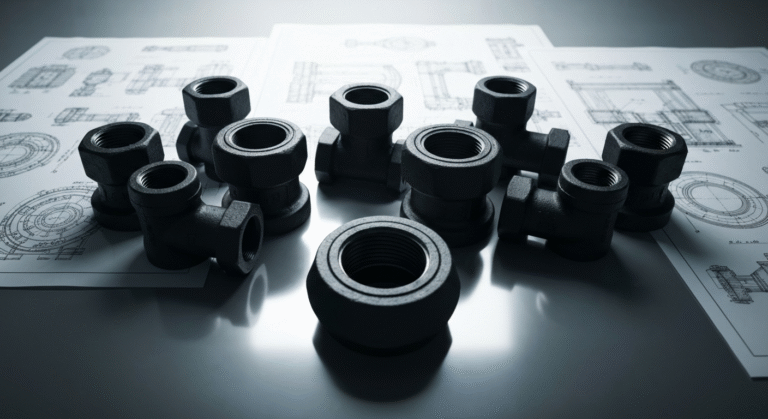
Key Highlights Black paint pipe fittings offer enhanced corrosion resistance compared to standard black iron. These fittings are ideal for transporting gas and oil due…
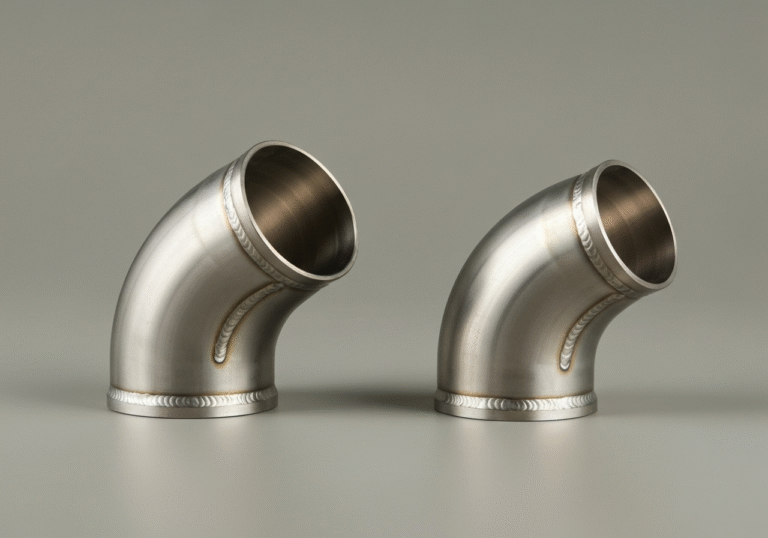
butt weld 90 degree stainless steel pipe long radius elbow Key Highlights Here are the key takeaways about stainless steel pipe elbows: Stainless steel pipe…
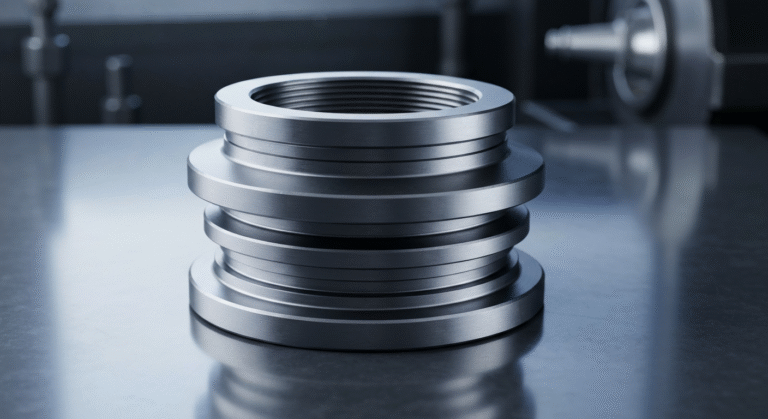
Key Highlights A concentric reducer is a cone-shaped pipe fitting used to connect pipes of different sizes. Its symmetrical design ensures a smooth transition for…