توفير منتجات تجهيزات الأنابيب عالية الجودة
أفضل شريك لتجار الجملة لتجهيزات الأنابيب، تجهيزات الأنابيب في المخزون، البريد الإلكتروني sales@hfittings.com للحصول على التفاصيل

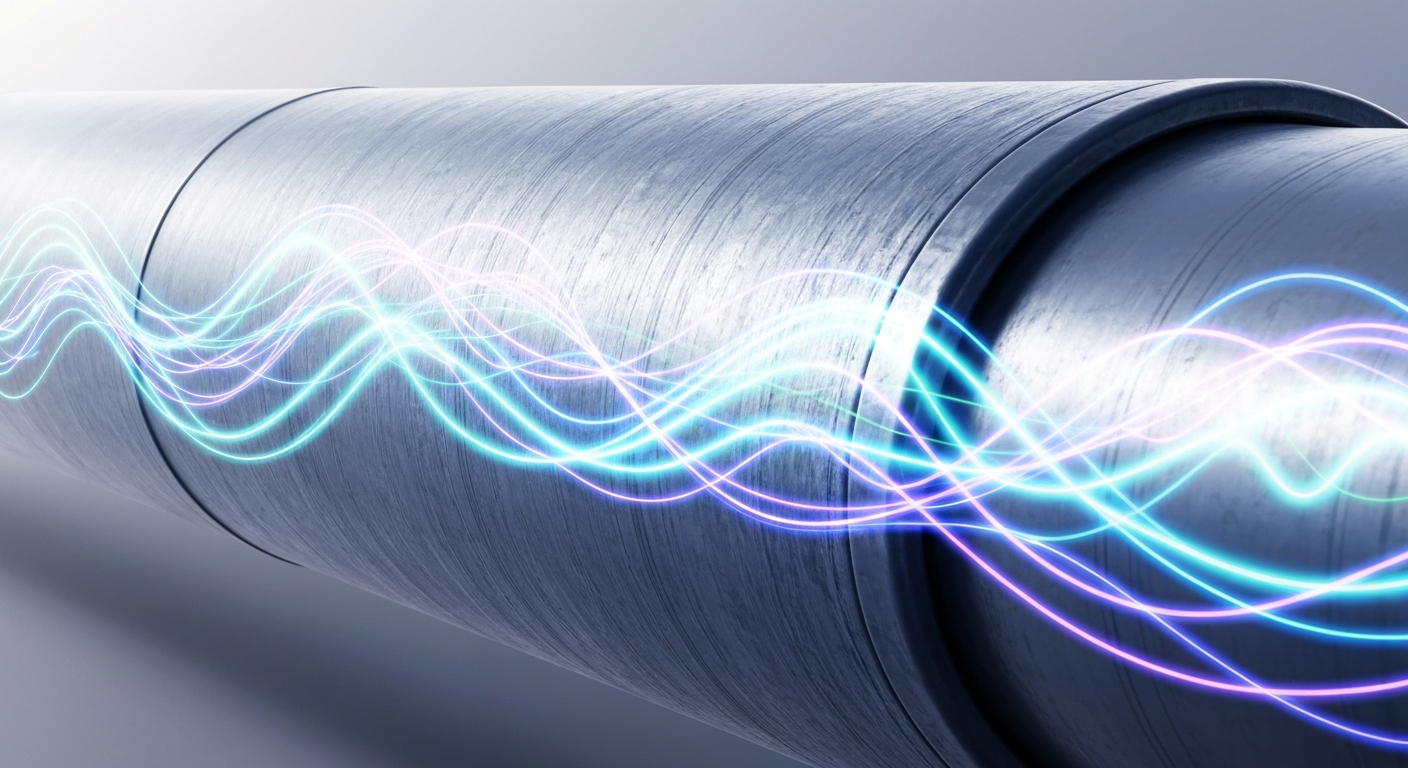
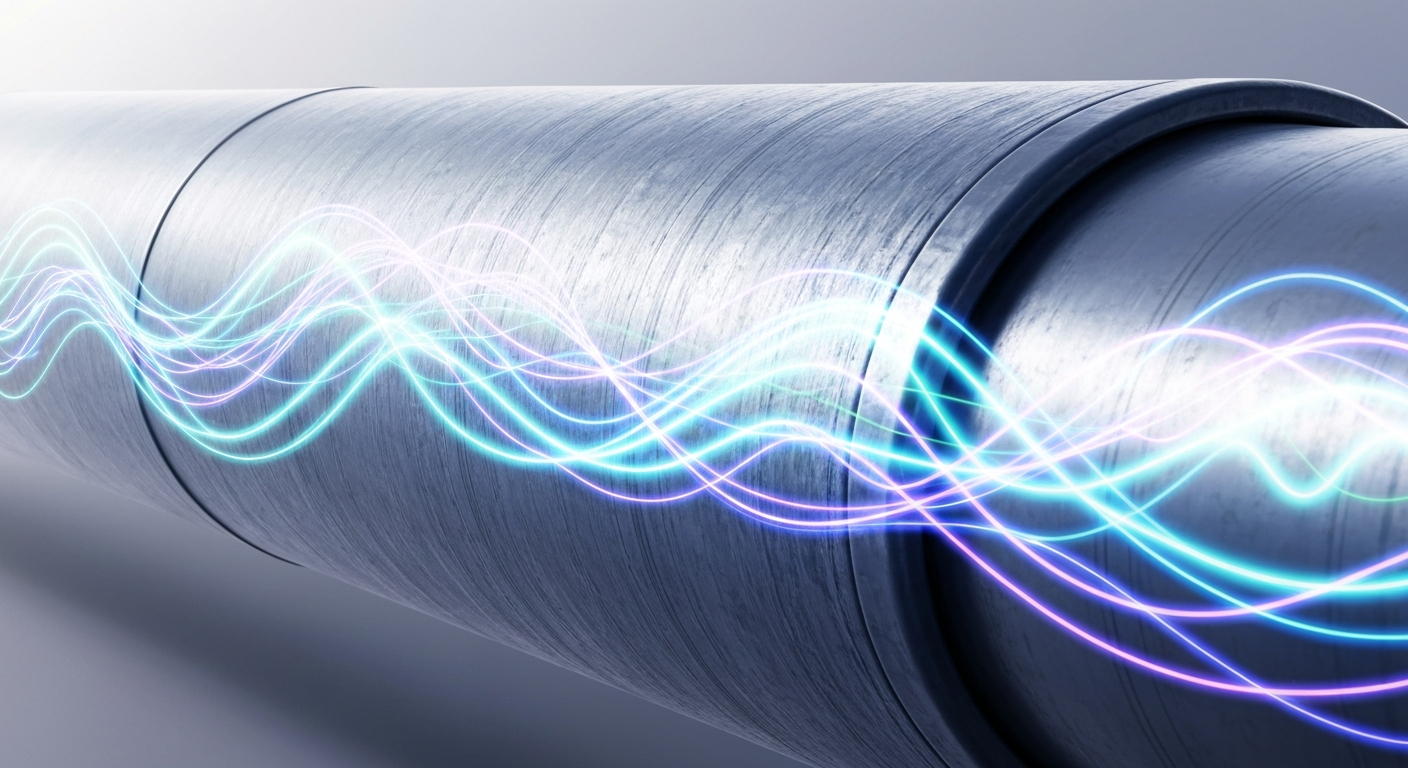
Key insulation materials like polyurethane foam and mineral wool are chosen based on specific temperature and application requirements.
Are you looking for a way to improve your system’s performance while cutting energy costs? An insulation steel pipe might be the solution you need. In industries ranging from district heating to chemical processing, transporting fluids at a stable temperature is critical. Uninsulated pipes can lead to significant energy waste, but modern insulation technology offers a powerful way to boost energy efficiency. This guide will explore how insulated steel pipe works and why it’s an essential component for safe and sustainable operations.
The technology behind an insulation steel pipe is designed for one primary goal: to control temperature. The system consists of an inner steel pipe that carries the fluid, a surrounding insulation layer, and a protective outer casing. This multi-layer construction creates a thermal barrier, preventing heat from escaping or entering the pipe.
To install insulation on metal pipes, first ensure the pipe surface is clean and dry, then wrap or fit the insulation material—such as foam, fiberglass, or pre-formed insulation shells—securely around the pipe. Seal joints and seams with appropriate tape or sealant, and finish by enclosing the insulated pipe with a protective outer casing for added durability and weather resistance.
This simple yet effective technology is key to improving energy efficiency. By keeping the transported media at the desired temperature, less energy is needed for heating or cooling. Polyethylene insulation works for steel pipes by providing a durable, moisture-resistant layer that surrounds the pipe, minimizing thermal loss and protecting against corrosion. Let’s look closer at what these pipes are and the materials that make them so effective.
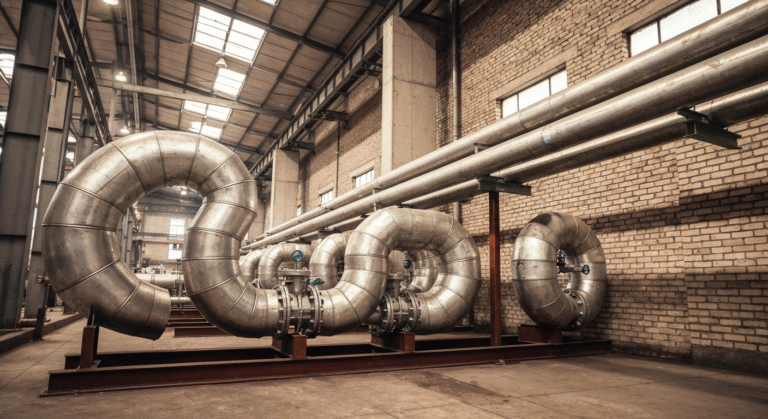
An insulated steel pipe is a composite system designed for the efficient transport of fluids. It’s made of three main parts: a central carrier pipe (the steel pipe), a middle layer of high-quality pipe insulation, and a durable outer casing that protects the system from environmental damage. This design minimizes energy loss and protects the pipe itself.
You can find these pipes in a wide range of applications. They are indispensable in district heating systems, where they transport hot water over long distances with minimal heat loss. The technology is also vital in industrial settings for moving everything from chemicals and oil to process water and steam under extreme conditions.
From the food and beverage industry, where temperature control ensures product quality, to shipbuilding and mining, insulated steel pipes provide a safe and efficient solution. Their versatility allows them to be used for both hot and cold media, making them a cornerstone of modern industrial infrastructure.
Choosing the right insulation material is crucial for the performance of a steel pipe. The selection depends on factors like the operating temperature of the fluid and the surrounding environment. Common materials each offer unique benefits for thermal insulation.
Polyurethane foam is a popular choice for its excellent thermal insulation properties at a wide range of temperatures. For higher temperature applications, mineral wool is often used. Glass fiber is another effective material known for its thermal performance. The outer casing is frequently made from high-density polyethylene (HDPE), which protects the insulation layer from moisture and physical impact.
Here’s a quick comparison of common insulation materials:
Insulation Material | Typical Temperature Range | الميزة الرئيسية |
|---|---|---|
Polyurethane Foam | -180°C to +140°C (-292°F to +284°F) | Excellent low thermal conductivity |
Mineral Wool | Up to +400°C (+752°F) | Ideal for high-temperature applications |
Glass Fiber | Varies | Good thermal and acoustic properties |
The primary role of insulation on a steel pipe is to boost energy efficiency. When fluids are transported, uninsulated pipes allow heat to escape into the surrounding air, which means you have to spend more energy to reheat or recool the fluid to its target temperature. This wasted energy translates directly into higher operational costs.
By adding a layer of thermal insulation, you create a barrier that dramatically reduces this heat loss. This simple addition ensures that the energy you use stays within the system, leading to significant cost savings and a smaller carbon footprint. We’ll now examine how this process works and the specific benefits for your operations.
Pipe insulation works by slowing down the transfer of heat. Heat naturally moves from warmer areas to cooler ones, and the material used in an insulation pipe is specifically designed to resist this process. The insulation layer traps air in small pockets, and this trapped air is a poor conductor of heat.
This resistance to heat flow is what keeps the fluid inside the pipe at a stable temperature. For hot water or steam, it prevents the heat from escaping into the colder, ambient environment. For chilled fluids, it prevents the warmer ambient air from heating the fluid inside the pipe. The result is a much more stable and efficient system.
This process offers several direct advantages:
In demanding industrial applications, the benefits of insulated steel pipes extend far beyond just energy savings. The robust design of these systems provides long-term value and reliability. One of the most significant advantages is improved durability, which is crucial in harsh operational environments.
The outer casing and insulation layer work together to protect the carrier pipe. This protection leads to better corrosion resistance, as moisture and other corrosive agents are prevented from reaching the steel surface. This, in turn, helps extend the service life of the entire pipeline, reducing the need for costly repairs and replacements. The good thermal insulation properties also ensure consistent thermal insulation performance over many years.
Here are some key benefits for industrial use:
In summary, insulation steel pipes play a crucial role in enhancing energy efficiency across various applications. By minimizing heat loss and maintaining optimal temperatures, these insulated systems not only contribute to energy savings but also improve overall operational performance. Understanding the different types of insulation materials and their specific applications can help you make informed decisions for your projects. Whether in industrial settings or residential heating systems, investing in insulated steel pipes is a step towards sustainability and cost-effectiveness. If you’re ready to enhance your energy efficiency with the right insulation solutions, feel free to reach out for further assistance!
To choose the right insulation for a steel pipe, you must consider the operating temperature, the medium being transported, and pressure requirements. For many applications, polyurethane is an excellent thermal insulation material due to its high efficiency across a wide temperature range, while other materials like mineral wool are better for high-heat settings.
While the insulation process itself is similar, the primary differences relate to the pipes’ inherent properties. The choice of insulation and protective coatings may vary to complement the material’s natural corrosion resistance and intended service life. Both carbon steel pipe and cast iron pipes can be effectively insulated to improve performance.
For large diameter steel pipe projects, pre-insulated pipe systems are widely available. These insulation products often use high-performance materials like polyurethane foam or mineral wool to ensure optimal thermal insulation. These systems are designed to handle large-scale tasks for district heating and major industrial plants efficiently.