توفير منتجات تجهيزات الأنابيب عالية الجودة
أفضل شريك لتجار الجملة لتجهيزات الأنابيب، تجهيزات الأنابيب في المخزون، البريد الإلكتروني sales@hfittings.com للحصول على التفاصيل

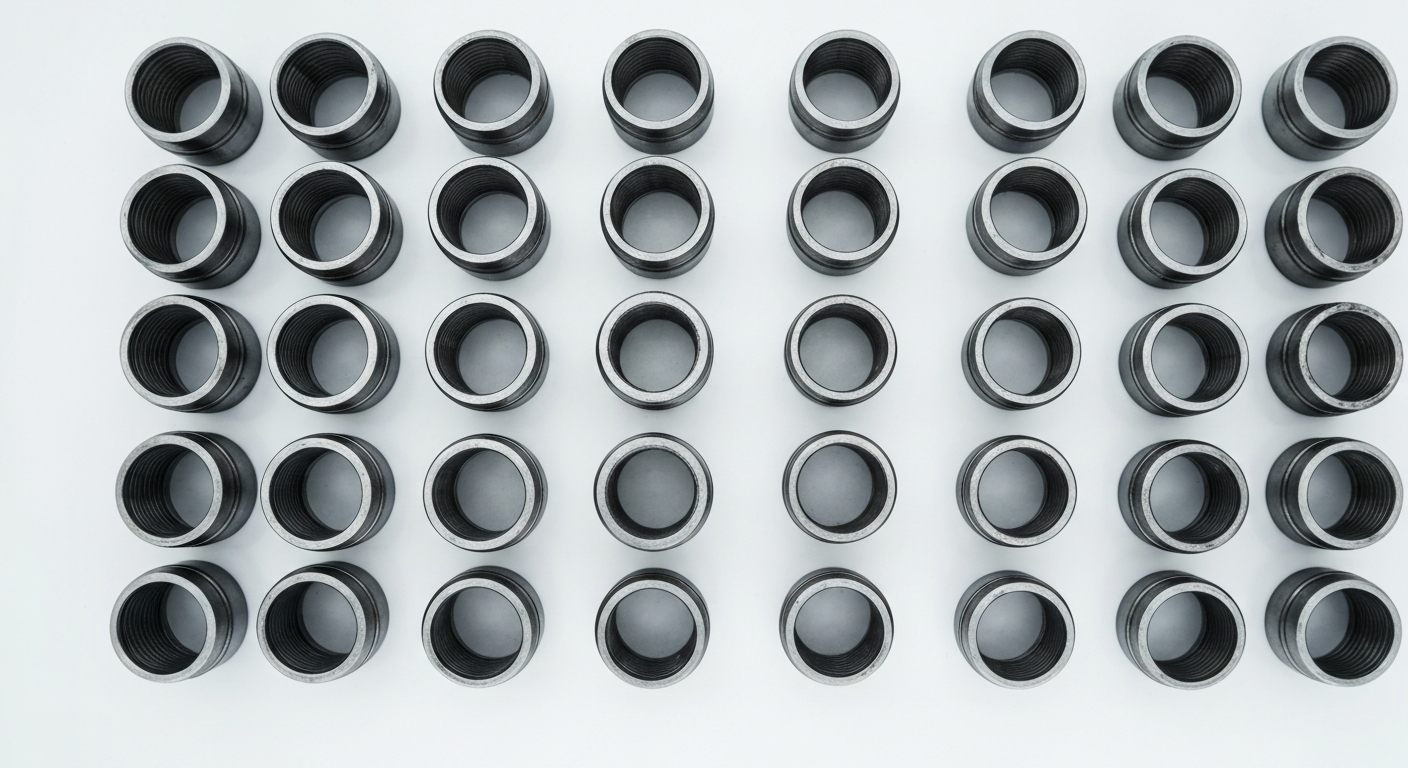
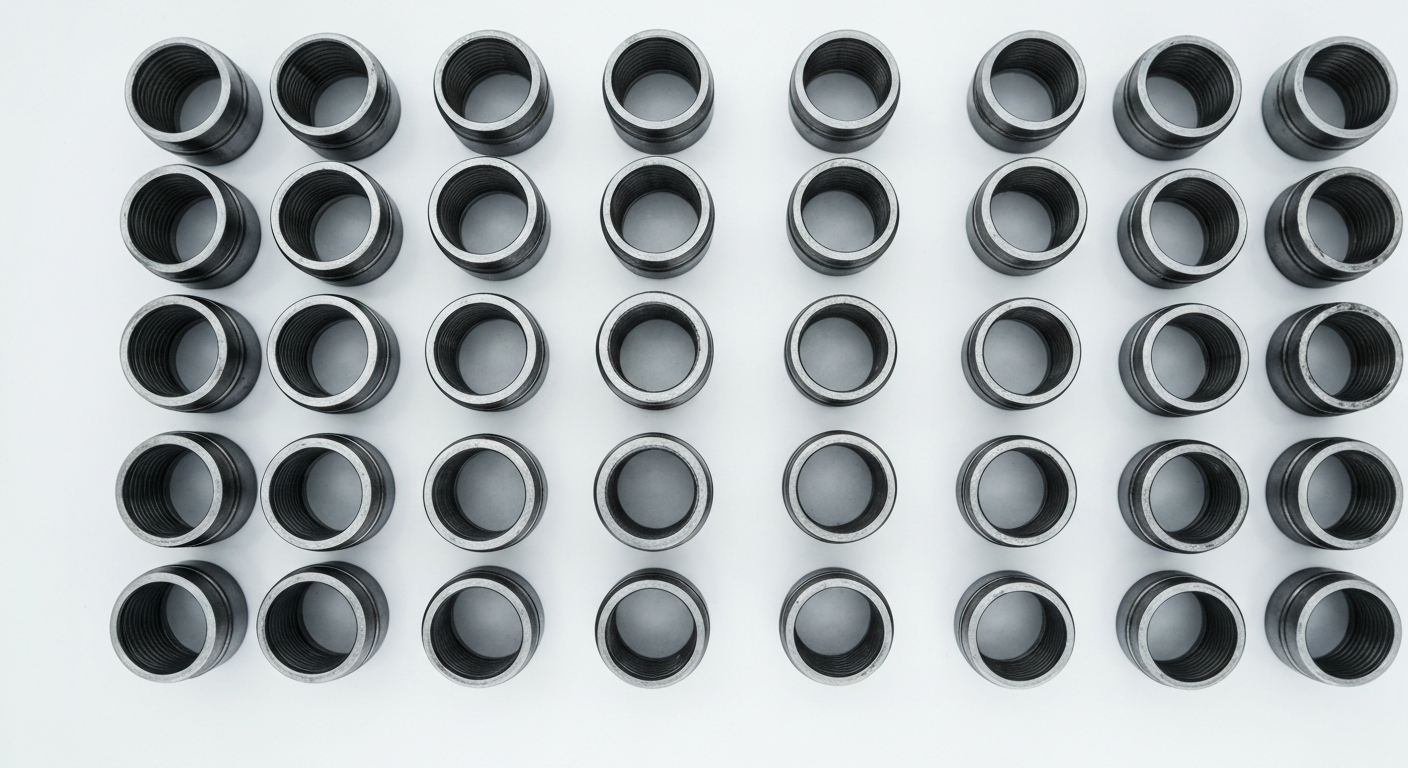
When buying steel pipe caps online, it’s crucial to verify supplier certifications and material specifications.
Have you ever wondered about the small components that play a big role in large industrial systems? A steel pipe cap is one such crucial part. These simple pipe fittings are designed to cover and seal the end of a steel pipe, providing protection and ensuring the integrity of the entire piping network. Whether for plumbing, construction, or the gas industry, choosing the right pipe cap is essential. This guide will walk you through their applications, materials, and the top suppliers for finding quality options online.
Steel pipe caps are primarily designed for round tubing; however, specialized versions can also be found for square tubing. It’s important to select a pipe cap that matches the shape and dimensions of your tubing to ensure a proper fit and effective seal.
At its core, a steel pipe cap is a fitting designed to cover the end of a pipe. Its main purpose is to protect the pipe end from physical damage like cracks and chips while keeping the interior clean from dust, debris, and other contaminants. This simple closure ensures that materials transported through the pipe are not compromised.
The applications for steel caps are incredibly diverse, spanning numerous industries. You’ll find these essential fittings in plumbing, construction, water treatment facilities, and the oil and gas sector. In each of these fields, they play a crucial role in maintaining system safety, efficiency, and longevity. The following sections will explore their specific functions and types.
In plumbing and construction, a pipe cap serves several vital functions that protect the integrity and functionality of a piping system. Their primary job is to provide a secure seal for the ends of pipes. This prevents unwanted materials from entering and causing blockages or contamination, which is especially important during the construction phase when pipes are exposed.
By closing off a pipeline, these fittings also help maintain pressure within a closed system and prevent leaks. This is critical for both water and gas lines, where a tight seal is necessary for safety and operational efficiency. A quality cap shields the vulnerable pipe end from impacts and environmental wear, extending the life of the entire system.
The main uses of steel pipe caps in these sectors include:
Steel pipe end caps come in various shapes and connection types to suit different needs. The way a cap attaches to a steel pipe is a key differentiator, influencing its permanence and best use case. The selection depends on the system’s pressure, the need for future access, and industry standards.
Some caps are designed for a permanent, leak-proof seal, while others offer a more temporary closure. For example, welded caps are ideal for high-pressure systems where the seal must be absolute and permanent. In contrast, threaded caps allow for easier removal, making them suitable for points that may require future inspection or access. These pipe fittings can be made from carbon steel, stainless steel, and other alloys.
Here are some common types and their uses:
The selection of materials is fundamental to the performance of a pipe cap. The most common raw materials used in manufacturing are carbon steel and stainless steel, though other options like aluminum and specialty alloys are also available. Each material offers distinct advantages in terms of strength, corrosion resistance, and cost.
Choosing the right material ensures the cap can withstand its intended environment and application pressures. For instance, some alloy steel caps are designed for extreme temperatures, while others are chosen for their durability in harsh chemical environments. Understanding these differences is key to achieving optimal performance and longevity for your piping system.
When choosing a pipe cap, the material is one of the most important factors. Stainless steel, carbon steel, and black steel pipe caps each have unique properties. Black steel is a type of carbon steel that has not been galvanized, giving it a dark surface. The main difference between these materials lies in their durability and corrosion resistance.
Stainless steel is highly resistant to rust and corrosion, making it a premium choice. Carbon steel is known for its incredible strength and durability but is more susceptible to rust unless it is coated or galvanized. Black steel offers good strength but minimal protection against corrosion, making it suitable for applications where moisture is not a concern, like gas lines.
Here’s a simple comparison:
الميزة | الفولاذ المقاوم للصدأ | الفولاذ الكربوني | Black Steel |
|---|---|---|---|
مقاومة التآكل | ممتاز | Poor (unless coated) | Poor |
القوة | Very Good | ممتاز | ممتاز |
التكلفة | عالية | معتدل | Low |
Best Use | Outdoor, corrosive environments | Indoor, dry, high-strength needs | Gas lines, oil transport |
Are stainless steel pipe caps suitable for outdoor applications? Absolutely. Due to their exceptional corrosion resistance, stainless steel caps are the ideal choice for any system exposed to environmental factors like rain, humidity, and coastal air. They prevent rust and degradation, ensuring a long service life for outdoor pipelines, water supply lines, and other exposed systems.
For indoor applications where moisture is less of a concern, carbon steel is a cost-effective and strong alternative. It provides the necessary durability for plumbing and machinery in controlled environments. However, if the indoor area experiences high humidity, such as in water pump lines or treatment facilities, a coated carbon steel cap or a stainless steel cap would provide better protection.
Ultimately, the goal is to match the material to the environment to ensure optimal performance. A mismatched material can lead to premature failure, leaks, and costly repairs. By considering factors like moisture exposure and temperature, you can select the right cap that maintains a secure seal and protects your piping system for years.
Finding the right steel pipe caps is easier than ever, thanks to the convenience of shopping online. Many reputable manufacturers and distributors in the United States offer a wide range of fittings directly through their websites, allowing you to source parts for any project from your office or home.
However, not all online suppliers are created equal. To ensure you receive high-quality, reliable products, it’s important to know what to look for when choosing where to buy your steel pipe fittings. The next sections will cover the key factors to consider when selecting an online supplier and highlight some top-ranked websites.
Once you have purchased your steel pipe caps online, installing a steel pipe cap securely typically involves cleaning the pipe end thoroughly, applying a suitable sealant or thread compound to the threads, and tightening the steel pipe cap with a wrench until it is snug and leak-free. Always follow the manufacturer’s instructions for installation for the best performance and security.
When you’re ready to purchase fittings for your pipeline, vetting your online supplier is a critical step. A reputable supplier does more than just sell parts; they guarantee quality, adhere to industry standards, and provide the technical information you need. Look for suppliers who are transparent about their manufacturing processes and certifications.
One of the most important specifications to check is whether the products meet recognized standards, such as those from ASME or ANSI. These certifications ensure that the cap’s dimensions, materials, and pressure ratings are reliable and safe for your application. An experienced supplier will have this information readily available and can help you select the correct part.
Before making a purchase, consider these factors:
So, where can you buy steel pipe caps online? Several top-tier suppliers specialize in high-quality fittings and serve various industries across the United States. These companies have established reputations for reliability, precision manufacturing, and excellent customer support. Looking for a supplier with a proven track record is your best bet for sourcing dependable steel caps.
These leading companies often manufacture their products in-house, giving them greater control over quality. They typically offer a broad catalog of standard sizes and materials, as well as custom options for unique projects. By choosing a well-regarded online supplier, you can be confident that the fittings you order will meet your project’s exact specifications.
Here are some examples of top-ranked sources for quality steel pipe fittings:
In summary, finding the right suppliers for quality steel pipe caps online is crucial for ensuring durability and performance in your projects. By understanding the various types of steel pipe caps and their applications, you can make informed decisions that cater to your specific needs. Whether you opt for stainless steel, carbon steel, or black steel, each type offers unique benefits, making it essential to choose wisely based on your environment. Armed with the knowledge of top-ranked websites and key factors to consider when shopping, you can confidently acquire the best products for your plumbing and construction tasks. Start your search today and experience the difference quality supplies can make!
When choosing the right size steel pipe cap for your pipe, be sure to match the cap size to the pipe’s nominal diameter and check the specifications provided by your supplier. Measuring the outside diameter of your pipe and consulting sizing charts can help ensure a snug, secure fit for your specific project.
Stainless steel pipe fittings come in various types, including elbows, tees, reducers, and caps. Each type serves a specific function in plumbing and piping systems, providing durability and resistance to corrosion. Selecting the right fitting is essential for ensuring a reliable and efficient piping installation.
Stainless steel pipe fittings come in various types, each designed for specific functions. Common types include elbows, tees, reducers, and caps. These fittings ensure secure connections and are essential for fluid transport in plumbing and industrial applications. Choosing the right type enhances durability and performance in your projects.