توفير منتجات تجهيزات الأنابيب عالية الجودة
أفضل شريك لتجار الجملة لتجهيزات الأنابيب، تجهيزات الأنابيب في المخزون، البريد الإلكتروني sales@hfittings.com للحصول على التفاصيل
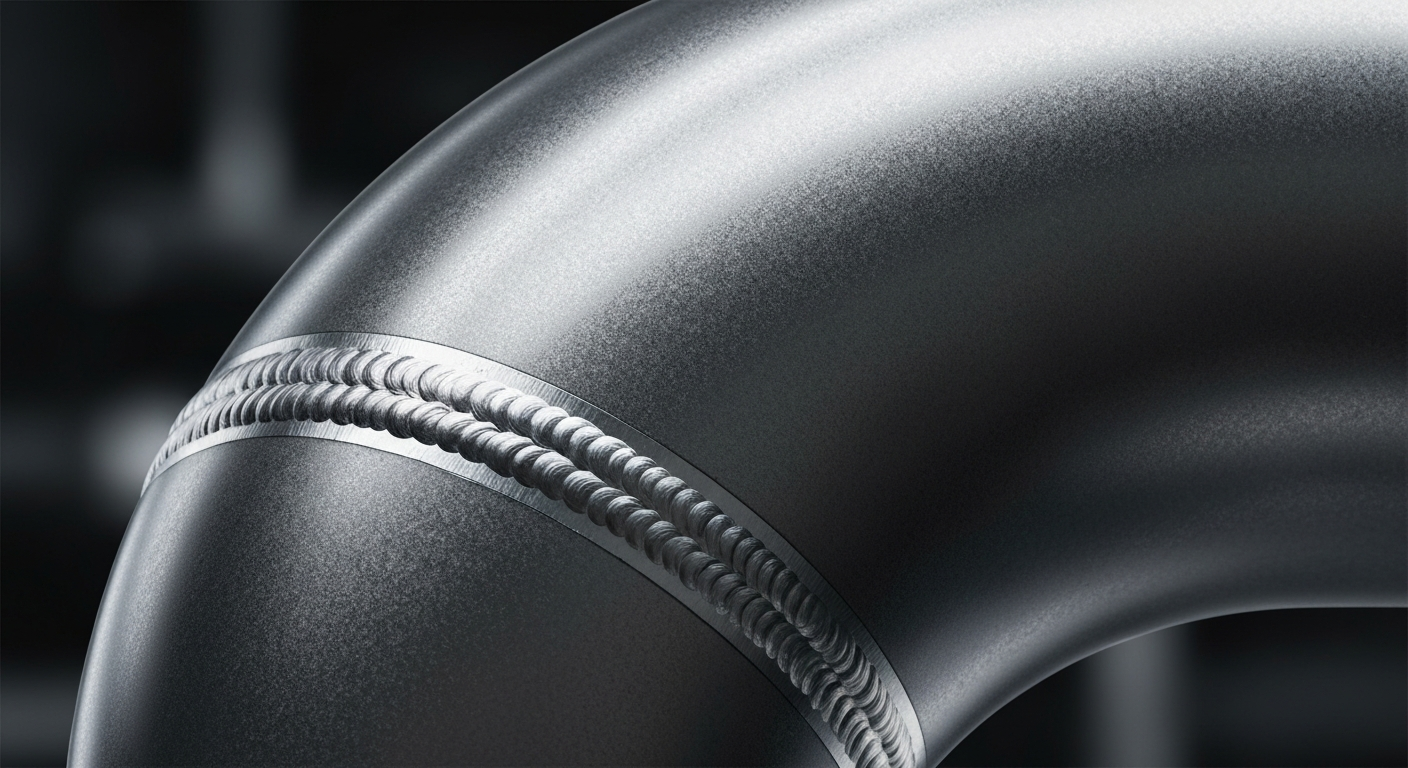
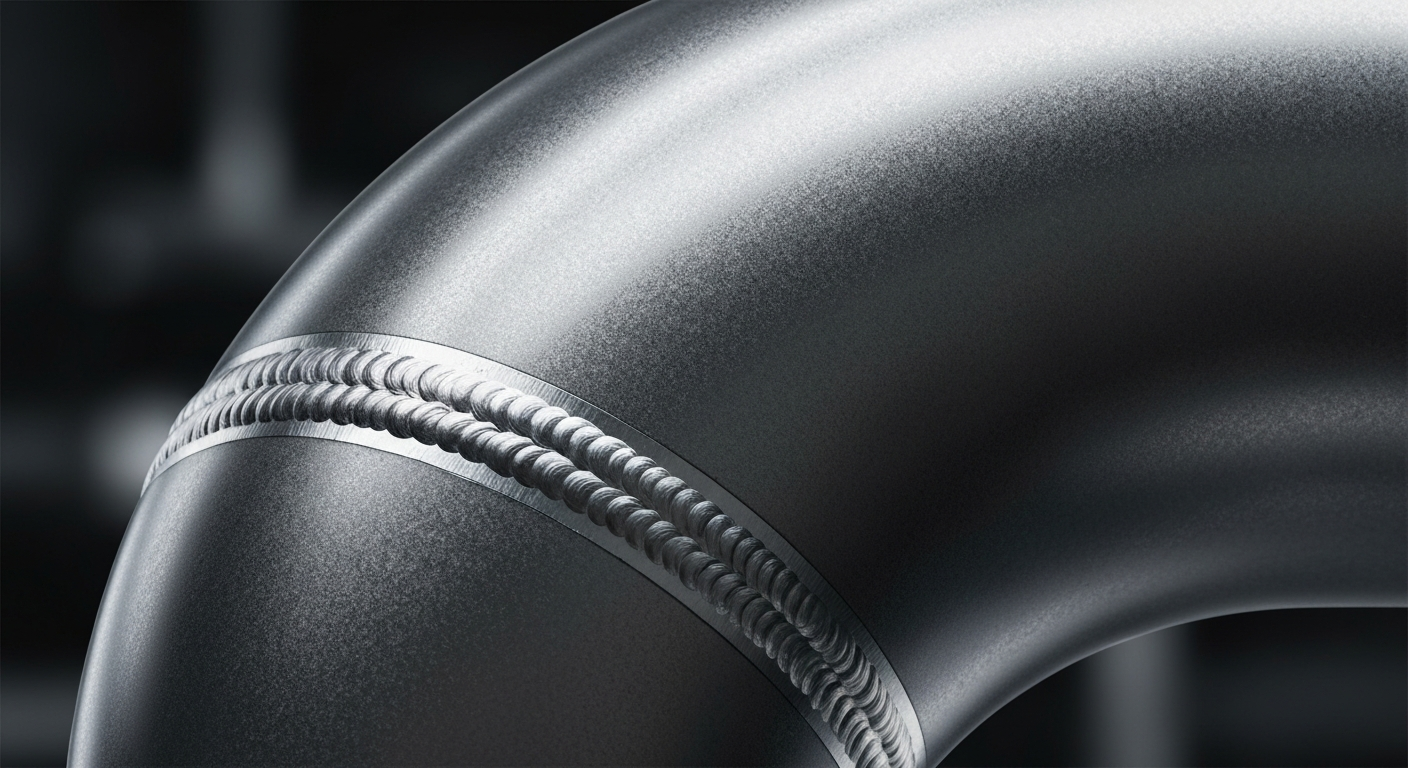
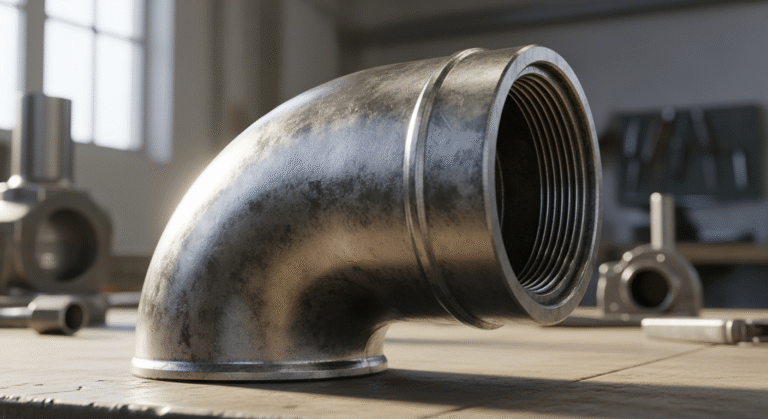
When you need to change the direction of flow in a piping system, you need a reliable solution. The ASTM A234 WPB butt weld elbow is one of the most common and trusted pipe fittings used for this purpose. These essential components are found in countless industrial applications, from power plants to chemical processing. As a key type of butt weld fitting, these pipe elbows are specifically designed to be welded directly onto pipes, creating a robust and seamless connection that can withstand demanding conditions.
So, what exactly is an ASTM A234 WPB butt weld elbow used for in piping systems? These steel fittings are primarily used to change the direction of a pipeline by a specific angle, typically 45 or 90 degrees. The designation “WPB” tells you a lot about the fitting. “W” means it is wrought (formed, not cast), “P” indicates it’s for pressure systems, and “B” refers to the grade of carbon steel material, which denotes its strength.
This standard specification ensures that every WPB elbow meets strict quality and performance criteria. As one of the most common pipe fittings, it is known for its good performance and reliability, making it a go-to choice for a vast array of industrial pipeline needs. Understanding the specifics of this component, from its material to its manufacturing, will help you appreciate its importance.
The primary raw material for these fittings is fully killed steel, which can come in the form of forgings, bars, plates, or seamless pipe products. The ASTM A234 standard covers both carbon steel and alloy steel, but the WPB grade specifically refers to a carbon steel material. This ensures the fittings are strong and durable for their intended use in pressure systems.
When looking at the key specifications, the chemical composition is critical. The WPB material has a controlled carbon content, typically up to 0.30%, along with manganese, phosphorus, and sulfur limits. This precise blend of elements is what gives the elbow its desired mechanical properties, such as strength and weldability, making it reliable for high-temperature and high-pressure environments.
Beyond its chemical makeup, the mechanical properties are just as important. The “Grade B” designation is similar to that used for pipes like ASTM A106, indicating a specific minimum yield and tensile strength. The material also has a maximum hardness limit, often around 197 HBW, which ensures it is not too brittle and can handle the stresses of industrial service without failure.
The manufacturing process for an ASTM A234 WPB elbow involves shaping the fitting from a raw steel pipe or plate using methods like forging, pressing, bending, or extruding. This “wrought” process is carefully controlled to ensure the final product is free from injurious imperfections that could compromise its integrity. The goal is to create a solid, uniform component.
After the fitting is formed at a high temperature, it undergoes a specific heat treatment. It must be cooled under suitable conditions to prevent defects caused by a too-rapid cooling rate. In most cases, the cooling rate should not be faster than cooling in still air. This step is crucial for achieving the required strength and durability.
The performance of these elbows is also heavily influenced by their schedule (sch), such as sch 40 and sch 80, which defines the wall thickness. How do these schedules affect performance?
To ensure safety and reliability, ASTM A234 WPB steel pipe fittings must adhere to a strict standard specification. This specification covers fittings intended for use in pressure piping and pressure vessel fabrication at moderate to elevated temperatures. It sets the baseline for material quality, manufacturing, and testing.
These fittings also comply with the latest revision of ASME standards, such as ASME B16.9, which governs the dimensions and tolerances of buttweld fittings. This ensures that an elbow from any certified manufacturer will fit perfectly with other standard pipes and components. Let’s look closer at the specific international standards these fittings must meet.
ASTM A234 WPB butt weld elbows are used globally, so they must comply with a range of international standards to be considered safe and reliable. The most prominent standards are those set by ASTM for the steel material and ASME for dimensions. While specific Singapore standards aren’t always listed, components that meet major international codes are widely accepted there and worldwide.
These fittings adhere to several key standards that dictate everything from dimensions to material properties. Below is a table outlining some of the most relevant ones.
Standard Body | Relevant Standard |
|---|---|
الجمعية الأمريكية للمهندسين والميكانيكيين | B16.9 (Buttweld Fittings), B16.11 (Forged Fittings) |
MSS | SP-43, SP-79, SP-83, SP-95, SP-97 |
Other | JIS (Japanese Industrial Standards), EN (European Norm), SH, HG, SY |
Compliance with these standards is non-negotiable. They ensure that all fittings have consistent dimensional tolerances, chemical compositions, and mechanical strength. This standardization allows you to confidently source and install fittings in any system, knowing they will perform as expected.
When you purchase ASTM A234 WPB elbows, you are getting a product that meets multiple certification requirements. The ASTM A234 standard itself is a material specification. It defines the required chemical composition and mechanical properties for wrought carbon and alloy steel fittings, ensuring the base material is up to the task.
On the other hand, ASME standards like ASME B16.9 focus on the physical aspects. This standard dictates the dimensions, tolerances, and markings for the fitting. Adherence to ASME B16.9 guarantees that a 4-inch, 90-degree elbow will have the same center-to-face dimension regardless of the manufacturer, ensuring interchangeability. The compiled information also references compliance with various MSS-SP standards.
To prove compliance, manufacturers provide certification documents, such as a Mill Test Certificate (MTC) conforming to EN 10204-3.1. This document provides a complete record of the fitting’s material properties, including a chemical analysis and the results of mechanical tests like hardness and tension tests. This paperwork is your assurance that the fitting meets all required standards.
Not all elbows are created equal. The ASTM A234 WPB steel elbow comes in several designs to accommodate different piping layouts and flow requirements. The most significant design variation for this buttweld fitting is the bend radius, which determines how sharply the pipe changes direction.
The two main types are the long radius (LR) and short radius (SR) elbows. Each type offers distinct advantages depending on the needs of your system. The choice between them is a critical decision in piping design for various industrial applications, as it impacts flow efficiency and the physical space required for installation.
A long radius (LR) elbow provides a more gradual turn in a piping system. Its radius of curvature is 1.5 times the nominal pipe size (R=1.5D). This smoother path is ideal for maintaining flow efficiency, as it reduces turbulence, friction, and the overall pressure drop across the fitting. An LR elbow is the preferred choice when space is not a concern.
Conversely, a short radius (SR) elbow offers a much sharper turn. Its radius of curvature is equal to the nominal pipe size (R=1.0D). While this compact design is perfect for tight spaces where a gradual bend is not possible, it comes at the cost of increased pressure drop and turbulence within the pipeline.
So, how does a long radius elbow differ from a short radius one?
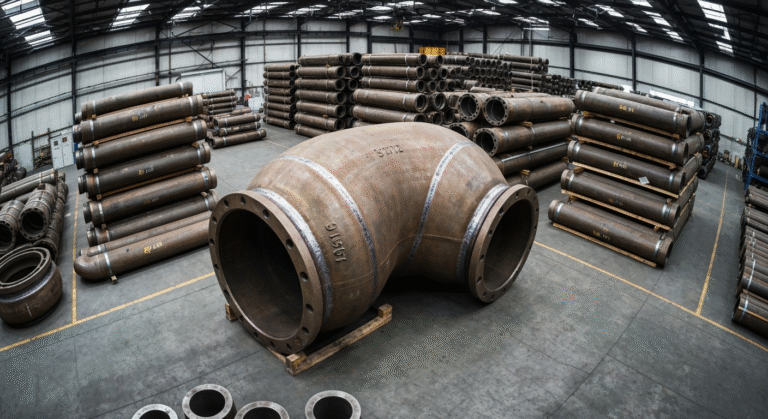
When selecting an ASTM A234 WPB elbow, you will also encounter seamless and welded construction types. A seamless elbow is manufactured from a single piece of seamless pipe that is heated and bent into shape. Because it has no welded joint, it offers a uniform structure with superior strength and integrity.
A welded elbow, on the other hand, is fabricated by cutting and welding sections of a steel plate or a welded pipe. This process, which may involve the use of filler metal, creates a welded joint along the seam of the fitting. While modern welding techniques are highly advanced, this seam can be a point of consideration.
What is the difference for your selection? A seamless elbow is generally the preferred choice for high-pressure pipelines and critical applications where the risk of leaks must be minimized. A welded elbow can be a more economical option, especially in larger pipe sizes, and is perfectly suitable for many moderate-pressure applications. The final choice depends on the system’s pressure, temperature, and safety requirements.
In summary, the ASTM A234 WPB butt weld elbow is a crucial component in various piping systems, renowned for its reliability and versatility. Understanding its specifications, including material composition and compliance with international standards, ensures that you make informed decisions for your projects. Whether you are considering long radius or short radius options, or comparing seamless and welded elbows, being knowledgeable about these factors can significantly impact your piping efficiency and safety. For further insights or to discuss specific applications, feel free to reach out for a consultation. Your next project deserves the best materials and expertise!
Yes, absolutely. The “P” in WPB stands for “Pressure,” indicating these WPB pipe fittings are designed for such service. Thanks to their strong mechanical properties and adherence to manufacturing standards, this steel pipe elbow is well-suited for high-pressure systems, especially when the wall thickness is correctly matched to the application’s critical range.
To choose the right elbow, you must match its nominal pipe size to your steel pipe diameter. Just as important is selecting the correct schedule, which determines the wall thickness needed to handle your system’s pressure. The strict dimensional tolerances of these butt weld fittings, governed by ASME B16.9, ensure a perfect matchup.
These steel fittings come in a very wide variety of options. You can find them in a large size range, from 1/2″ up to 80″ or more in diameter. The thickness range is equally broad, with numerous schedules available (e.g., Sch 40, Sch 80, XS, XXS) to provide the appropriate wall thickness for your pipe elbows.
Flanges can be classified based on pipe attachment into several categories: welded, threaded, slip-on, and blind flanges. Each type serves distinct applications in piping systems. Understanding these classifications is crucial for ensuring proper installation and compatibility with ASTM A234 WPB butt weld elbow specifications for optimal performance.
Flanges can be classified based on pipe attachment methods such as weld neck, slip-on, socket weld, and blind flanges. Each type serves specific purposes in piping systems, ensuring secure connections and accommodating various pressure ratings and applications, particularly in accordance with standards like ASTM A234 WPB butt weld elbow specifications.