Provide High Quality Pipe Fitting Products
Best partner of pipe fitting wholesalers, pipe fittings in stock, email sales@hfittings.com for details


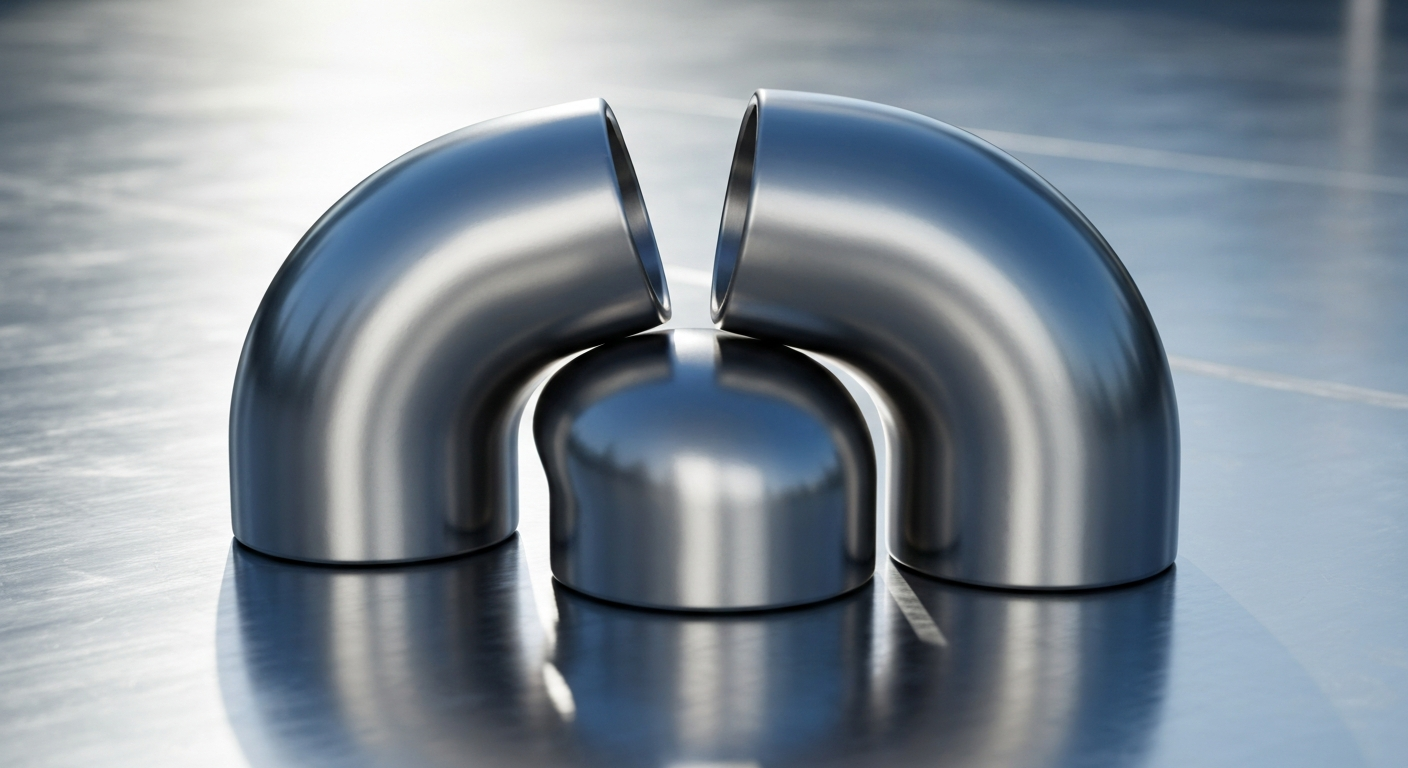
Superior Corrosion Resistance: Made from 304 stainless steel, these fittings offer excellent protection against rust and corrosion, providing a longer service life than carbon steel.
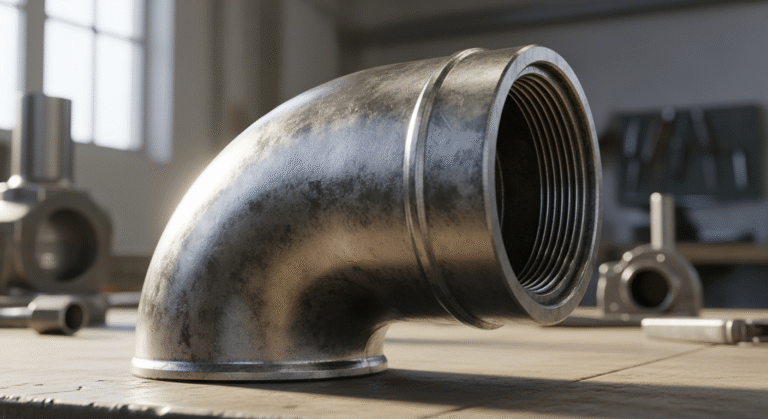
To install a 304 street elbow fitting, ensure the pipeline is clean and properly prepared. Align the fitting with the pipeline and use an appropriate threading compound or sealant on the threads. Then, tighten the stainless steel elbow onto the pipeline by hand, followed by a pipe wrench to secure it snugly, but avoid over-tightening to prevent damage to the fitting and maintain corrosion resistance.
Wide Range of Applications: Their durability makes them ideal for diverse industries, from chemical processing and plumbing to food and beverage.
Common Sizes and Dimensions: 304 elbows are available in a variety of sizes, typically ranging in od (outside diameter) from 1/2″ to 24″ or more, with standard angles such as 45-degree and 90-degree options. These dimensions help meet both residential and industrial plumbing requirements while ensuring compatibility with various pipes and fittings.
When building or repairing a pipeline, changing the direction of the flow is a common requirement. This is where the 304 stainless steel elbow comes in. As essential pipe fittings, they are designed to connect pipes and create bends at specific angles. The chemical makeup of 304 stainless steel gives these elbows remarkable corrosion resistance, ensuring the surface remains free from rust for a long time. This makes them a reliable and durable choice for countless piping projects.
A 304 stainless steel elbow is a type of pipe fitting that connects two pipes to make the pipeline turn at a specific angle. These fittings are crucial for navigating obstacles and designing efficient fluid transport systems. Their primary job is to change the direction of flow without compromising the integrity of the pipeline.
Thanks to their excellent mechanical properties, 304 stainless steel pipe fittings are both strong and tough. Their most significant advantage is resistance to corrosion, which is why they are a go-to choice in demanding environments. Let’s explore their common uses and the specific benefits they offer.
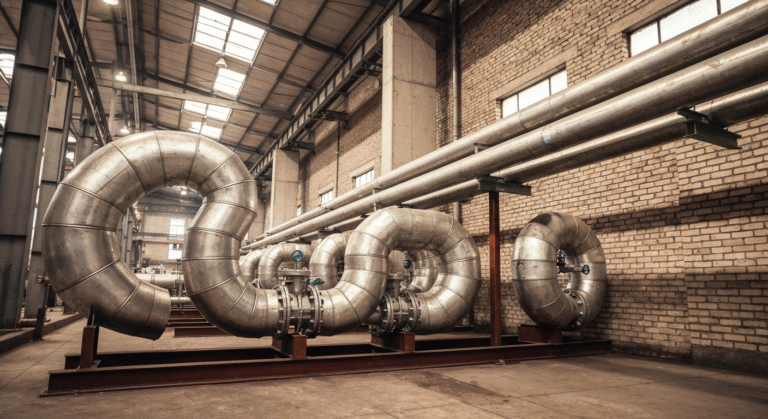
A 304 elbow is a fitting used in piping to connect two pipes and change the direction of the fluid’s path. These stainless steel components are indispensable in creating complex piping systems that need to navigate corners or other infrastructure. Their primary use is to guide the flow at angles, typically 45 or 90 degrees.
Due to their robust and corrosion-resistant nature, 304 elbows are trusted across a wide array of industries. Their good comprehensive performance makes them a staple in many foundational projects. You will find them in everything from large-scale industrial plants to residential plumbing.
Their versatility is evident in their widespread use in sectors such as:
When you choose 304 stainless steel fittings for your project, you’re investing in long-term performance. The most notable benefit of a 304 stainless steel elbow over a carbon steel elbow is its superior corrosion resistance. While carbon steel is prone to rust and degradation, 304 stainless steel contains alloys that keep its surface clean and intact, even in harsh conditions.
This inherent durability means less maintenance and a longer lifespan for your entire piping system. The strength and toughness of stainless steel are among the best of all steel types, ensuring your connections remain secure and leak-free. These excellent mechanical properties make 304 stainless steel a cost-effective choice in the long run.
Key advantages include:
Not all 304 elbows are the same; they come in different types and configurations to meet specific project demands. One way they are classified is by their radius of curvature. A long radius elbow has a curve that is 1.5 times the pipe’s diameter, while a short radius elbow has a radius equal to the pipe’s diameter.
Additionally, you’ll find there are different methods for connecting these elbows to pipes. The most common way is butt welding, but other options include threaded, flanged, and socket connections. Each type offers unique benefits depending on the pressure, application, and need for permanent or temporary assembly.
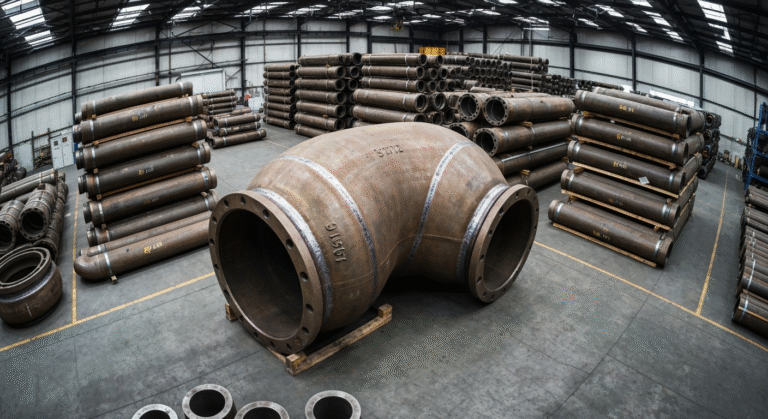
The main difference between a butt weld and a threaded 304 elbow is the connection method. A butt weld elbow is welded directly to the pipe, creating a permanent and leak-proof seal. To improve the welding quality, the ends of these fittings are beveled during the production process. This method is the most common for industrial pipelines where strength and reliability are critical.
On the other hand, a threaded elbow screws onto the pipe. This type is often used for smaller diameter pipes, such as in water gas lines, compressed air systems, and low-pressure steam applications. Threaded connections allow for easier assembly and disassembly, but they may require a sealant to ensure a leak-free joint.
Here is a quick comparison:
Feature | Butt Weld 304 Elbow | Threaded 304 Elbow |
|---|---|---|
Connection Method | Welded directly to the pipe | Screwed onto the pipe |
Joint Type | Permanent and strong | Can be disassembled |
Common Use | Industrial pipelines, high-pressure systems | Small diameter pipes, low-pressure systems |
Sealing | Relies on welding quality | May require sealant on threads |
While 304 is a popular choice, it’s just one of many types of stainless steel elbows available. The main differences lie in their chemical composition, which affects their corrosion resistance, strength, and cost. For example, 316 stainless steel contains molybdenum, giving it superior resistance to chlorides and making it ideal for marine or chemical environments.
Other materials offer unique properties as well. Duplex stainless steel, like SAF 2205, provides higher strength and resistance to stress corrosion cracking compared to 304. Elbows can also be made from different materials entirely, such as alloy steel, cast steel, or even an aluminum alloy, each suited for specific applications and budgets.
Key differences to consider:
Choosing the correct size and standard for your 304 elbow fittings is vital for a successful installation. Sizing is often determined by the nominal pipe size (NPS) and the outer diameter (OD) of the pipes you are connecting. It’s important that the elbow’s dimensions match the pipe’s to ensure a perfect fit.
Elbows are manufactured according to various international standards to guarantee consistency and quality. These include the American standard (ASME), German standard (DIN), and Japanese standard (JIS), as well as other national standard specifications. Adhering to these standards ensures the fittings meet an expected level of performance and compatibility.
To select the correct size of a 304 elbow for your pipe installation, you must match the fitting to your pipe’s specifications. The most critical measurement is the nominal diameter, which corresponds to the pipe’s inner diameter. You should also verify that the elbow’s outer diameter matches the pipe’s outer diameter for a seamless connection.
Another factor to consider is the radius of curvature. A long radius elbow provides a smoother flow and less pressure drop, while a short radius elbow is better for tight spaces. Making the right choice ensures your system operates efficiently without unnecessary friction or stress on the connections.
When selecting your fitting, be sure to check these key dimensions:
When you see a specification like “Schedule 10” on a 304 elbow fitting, it refers to the wall thickness of the fitting. The schedule number is a standardized way to define the strength and pressure rating of pipes and fittings. A lower schedule number, like Sch10s or Schedule 10, indicates a thinner wall, while a higher number, like Sch80 or Sch160, means a thicker, more robust wall.
This system, often tied to the American national standard, helps you choose a fitting that can safely handle the pressure of your pipeline. For example, a Schedule 10 elbow is suitable for lower-pressure applications, while a high-pressure system would require a fitting with a much higher schedule number. There are also other specifications, like a water standard, for specific uses.
Key points about schedule specifications:
In summary, 304 elbows play a crucial role in various steel piping projects, offering durability and versatility. Understanding their applications, advantages, and configurations will help you make informed decisions when selecting the right fittings for your needs. Whether you’re working on industrial or residential plumbing, knowing how to choose the correct size and type based on standards is essential for optimal performance. If you’re looking to enhance your project with high-quality 304 elbow fittings, reach out to us today to schedule a free consultation and ensure you get the best solutions for your piping requirements.
Yes, absolutely. The outstanding durability and corrosion resistance of 304 stainless steel make these elbows perfect for both demanding industrial environments, like the chemical industry, and standard residential plumbing. Their reliability ensures a long, maintenance-free service life in either application, protecting against leaks and rust.
A 90-degree elbow is the most common fitting for making a sharp, right-angle turn in a pipeline. It’s the best fit when you need to route pipes around corners or obstacles in complex piping systems. Thanks to its strong mechanical properties, this degree elbow maintains the structural integrity of the pipeline.
The primary benefit is superior corrosion resistance. Unlike carbon steel, which can rust and degrade over time, 304 stainless steel pipe fittings maintain their integrity. This leads to greater durability and a longer service life for your piping system, making stainless steel a more reliable and cost-effective choice in the long run.